

 プレビュー
プレビュー
 プリントを購入
 シェアする
シェアする シェアする
シェアする
 詳細を見る
詳細を見る

 ダウンロード
 似ている作品
 X線調査
X線調査 スライドショー
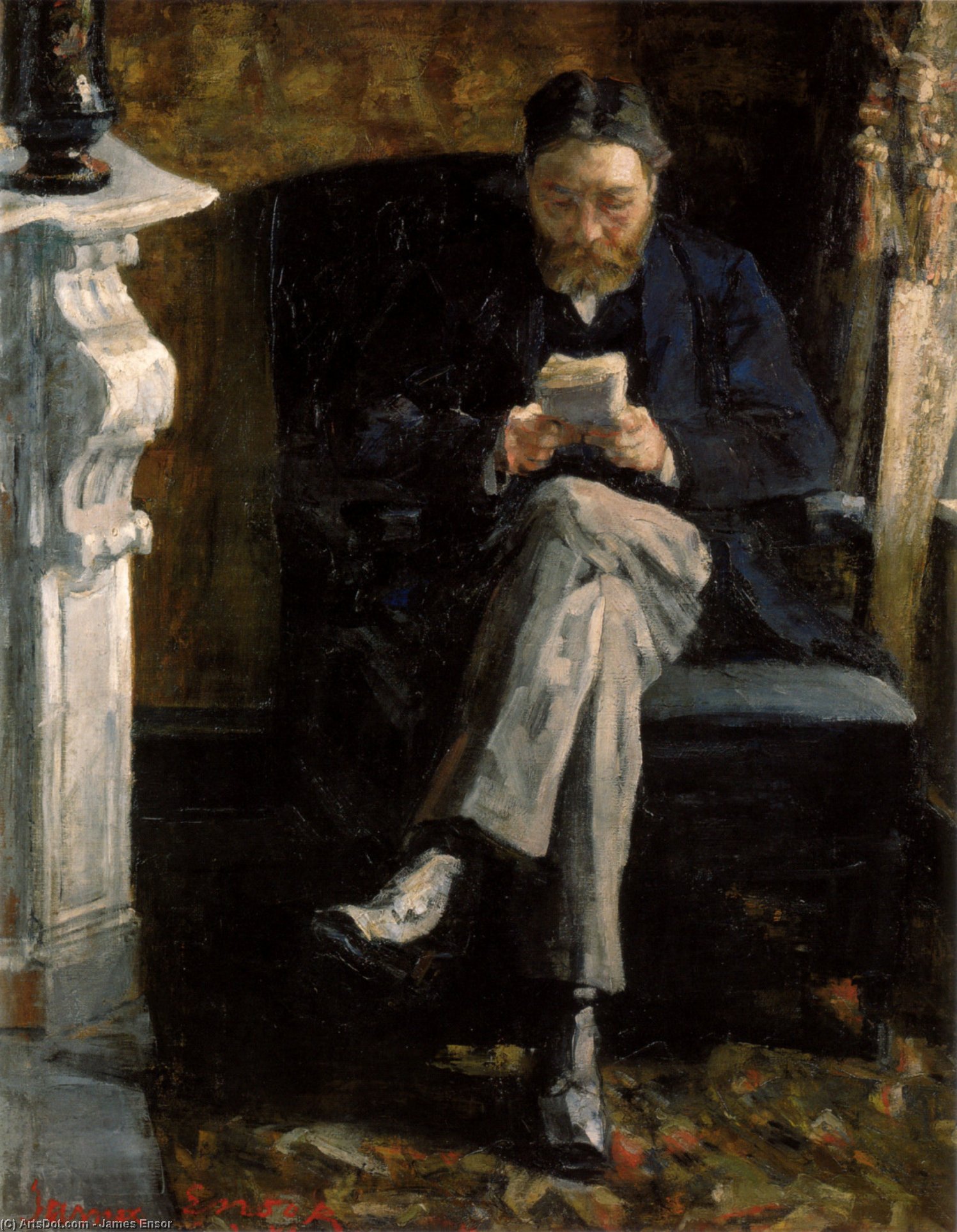
Portrait of the Artist's Father
 Oil On Canvas
- WallArt
- Realism
 1881
1881 100.0 x 80.0 cm
 詳細を見る
詳細を見る
オンラインプレビューをはるかに凌ぐ、高解像度で鮮明なデジタル画像をご購入いただけます。
各ファイルは、社内の専門家が高度なツールと熟練した手作業によるレタッチを用いて、細心の注意を払って準備されています。すべての画像において、卓越した鮮明度、正確な色彩再現性、そして繊細なディテールを保証いたします。
最終ファイルは、プロフェッショナルな編集・印刷環境ですぐにご利用いただけるよう最適化された状態で、72時間以内にメールにてお届けいたします。これは、一流のデザインスタジオ、出版社、ギャラリーから信頼されているものと同等の品質です。
デジタル画像のご注文に付随する特典
高品質なデジタル画像配信を、確かな品質で。
ArtsDot.com を選ぶことは、単に画像を手に入れることではありません。それは、プロの手によって精密に仕上げられ、満足保証が付いた高品質なデジタルアートワークを受け取ることを意味します。ご注文いただいた際に自動的に付随する内容は、以下の通りです:

メールですぐにお届け
ご注文から72時間以内に、高解像度のデジタル画像ファイルがメールでお手元に届きます。すぐにそのままご利用いただけます。

AI技術で最適化されたデジタルファイル
お客様の作品は、高度なAIツールと専門家による手作業の編集を組み合わせてプロフェッショナルに最適化されており、細部のディテール、鮮明さ、そして正確な色再現性を最大限に引き出しています。

一生涯無料の再送サービス
ファイルを誤って削除したり、紛失してしまったりしましたか?ご安心ください。いつでも無料で再送いたします。

輸入手数料は一切かかりません
関税や手数料、配送料を気にすることなく、お気に入りのアートワークをすぐにお楽しみいただけます。デジタルダウンロードは常に免税です。

色彩再現の保証
プロ仕様のツールとカラーマネジメント技術を用いることで、デジタル画像が元の色を最大限に忠実に再現することを保証いたします。

60日間満足保証
ご購入いただいたデジタル画像にご満足いただけない場合は、60日以内であれば、修正または100%の返金(理由を問う必要はありません)をさせていただきます。

100% 返金保証
ご満足いただけない場合は、デジタルファイルを受け取ってから60日以内であれば、理由を問わず全額返金いたします。

まとめ買い割引
3枚購入で10%OFF - 5枚購入で15%OFF - 10枚以上購入で20%OFF。クリエイティブなプロジェクト、ギャラリー、エージェンシーに最適です。
作品の詳細
A Study in Quietude and Shadow: Unpacking James Ensor’s ‘Portrait of the Artist’s Father’
James Ensor’s “Portrait of the Artist’s Father,” painted in 1881, is not merely a likeness rendered in oil; it's a profound meditation on memory, communication, and the weight of experience. This intimate scene, depicting an elderly man absorbed in a letter within the confines of his study, immediately draws the viewer into a world of subdued tones and contemplative stillness. The painting’s power lies not in grand gestures or dramatic narrative, but rather in its quiet observation of a solitary moment – a testament to Ensor's masterful ability to distill complex emotions onto canvas.
The color palette is deliberately restrained, dominated by muted earth browns, grays, and the subtle ochre of the fireplace. These colors evoke a sense of age, perhaps reflecting both the subject’s years and the somber atmosphere of the room. The directional lighting, carefully sculpted to highlight the man's face and the letter he holds, creates a dramatic interplay of light and shadow, adding depth and emphasizing his internal focus. Notice how the rough texture of the paint, particularly evident in the fabric and the walls, lends a tactile quality to the scene – as if one could almost reach out and feel the worn surface beneath their fingertips.
The Language of Realism Infused with Symbolism
Ensor’s approach firmly aligns with Realism, yet it transcends simple representation. He meticulously renders the details of the man's face—the wrinkles etched by time, the thoughtful gaze—with a remarkable level of accuracy. However, this realism is subtly interwoven with symbolic elements. The letter itself becomes a potent symbol, representing not just written communication but also the flow of memory, the echoes of past experiences, and perhaps even unspoken regrets. The architectural setting – the armchair, the fireplace, the books (implied) – speaks to a life lived within walls, a life rooted in tradition and contemplation.
Considering Ensor’s biography is crucial to understanding this work. Born in Ostend, Belgium, to an English father and a Belgian mother, he carried within him a unique perspective shaped by cultural duality. This inherent tension likely fueled his lifelong exploration of masks and disguise, themes that permeate much of his oeuvre. His early years spent amidst the vibrant chaos of a seaside resort town undoubtedly contributed to his keen observation of human behavior and his fascination with the theatricality of everyday life. His brief but impactful time at the Académie Royale des Beaux-Arts in Brussels proved ultimately restrictive; he sought a path that allowed him to express his distinctive vision, free from academic constraints.
Technique and the Artist’s Hand
The painting's surface is alive with the artist’s hand. Visible brushstrokes are not concealed but embraced, contributing significantly to the work’s textural richness and sense of immediacy. Ensor employed a layering technique – *impasto* – particularly noticeable in the folds of the clothing and the walls, creating a tangible depth that invites close inspection. This deliberate roughness contrasts with the smoother rendering of the man's face, further emphasizing the focus on his internal state. The composition itself is carefully constructed, utilizing a shallow perspective to draw the viewer into the intimate space of the study, while subtly employing geometric forms – the fireplace’s structure – against the organic curves of the chair and the human form.
A Portrait of Reflection: Emotional Resonance and Timeless Appeal
“Portrait of the Artist’s Father” is more than just a depiction of an elderly man; it's a poignant exploration of time, memory, and the quiet dignity of aging. The painting evokes a sense of melancholy and introspection, inviting us to contemplate our own pasts and the enduring power of human connection. It’s a work that speaks volumes through its silence, offering a glimpse into the soul of an individual lost in thought. ArtsDot offers meticulously crafted hand-painted reproductions of this captivating masterpiece, allowing you to bring this evocative image into your home or office – a timeless testament to James Ensor's artistic genius.
関連作品
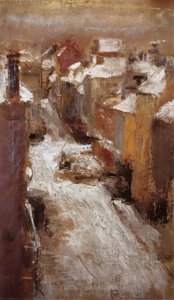
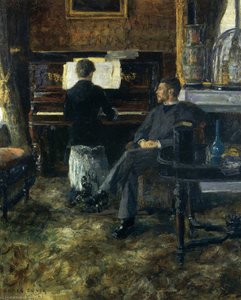
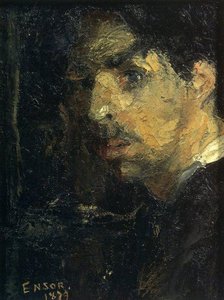
作家の略歴
James Ensor とは
ジェームズ・エンソは、ベルギーの画家であり彫刻家で、表現主義とシュルレアリスムに大きな影響を与えた人物です。彼は芸術グループ「レズヴィンジュ」の一員でした。彼の父親はイギリス人で母親はベルギー人でした。彼は幼少期に特にカルニバル文化に魅せられ、その時期には家族の店の周辺で販売されていたカルニバル用品が豊富な環境に育ちました。彼は美術アカデミーで学びましたが、伝統的な芸術形式に縛られることを嫌い、独自の道を歩む必要性を痛感しました。
初期の作品と表現主義への転換
エンソの初期の絵画はより伝統的なスタイルで描かれ、日常生活を陰鬱な色調で描写していました。例えば、『ロシア音楽』(1881)や『酔い酒場の人々』(1883)などです。これらの作品にもすでに現れる不安感のあるイメージが隠されておりました。彼は絵画における幻視主義や一点透視といった従来の技法を放棄し、独自の芸術的なビジョンを実現するために取り組む必要性を認識しました。彼の初期の作品は、特に表現主義に影響を与えた画家たちからの影響を受けました。
重要な作品とテーマ
エンソは生涯を通じて多くの作品を生み出し、今日まで人々を驚かせ、魅了し続けています。『ロシア音楽』や『酔い酒場の人々』など初期の作品は、当時の社会規範に対する批判的な視点を持つ表現主義への転換を象徴しています。彼の最も有名な作品である『イエス・キリストのブルジュンの入場』は特に衝撃的で、宗教的な偽善と社会的な無関心に対する風刺です。この絵画は当初は厳しい批判を受けましたが、現在では傑作として高く評価されています。彼はまた、人間の本質を掘り下げようとする試みであり、社会規範に挑戦する勇気を求める芸術家たちへの道を切り開いた人物として歴史に名を残しました。
表現主義とシュルレアリスムへの影響
エンソは特にピエール・ブーデルのエルドャーやフランシスコ・ゴヤ、ウィリアム・ホイストルの芸術から影響を受けました。彼はこれらの影響を独自の芸術的な言語に融合させ、表現主義とシュルレアリスムという新しい芸術運動へと導きました。彼の作品は特にその大胆な筆使いと鮮やかな色彩で特徴づけられ、劇場的な質を備えていました。
まとめ
ジェームズ・エンソは、ベルギーの画家であり彫刻家として、表現主義とシュルレアリスムに大きな影響を与えた人物です。彼は芸術グループ「レズヴィンジュ」の一員でした。彼の父親はイギリス人で母親はベルギー人でした。彼は美術アカデミーで学びましたが、伝統的な芸術形式に縛られることを嫌い、独自の道を歩む必要性を痛感しました。
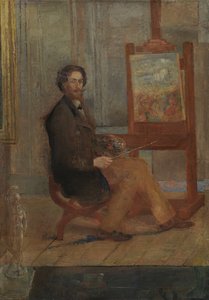
ジェイムズ・エンソウ
1860 - 1949 , ベルギー
プロフィール概要
- Artistic Movement Or Style: Expressionism, Surrealism
- Artists Who Influenced This Artist:
- Pieter Bruegel the Elder
- Francisco Goya
- Whistler
- Date Of Birth: April 13, 1860
- Date Of Death: November 19, 1949
- Full Name: James Sidney Edouard Ensor
- Nationality: Belgian
- Notable Artworks:
- The Scandalized Masks
- Skeletons Fighting...
- Christ's Entry into Brussels
- Place Of Birth: Ostend, Belgium

