 プレビュー
プレビュー
 プリントを購入
 シェアする
シェアする シェアする
シェアする
 詳細を見る
詳細を見る

 ダウンロード
 似ている作品
 X線調査
X線調査 スライドショー
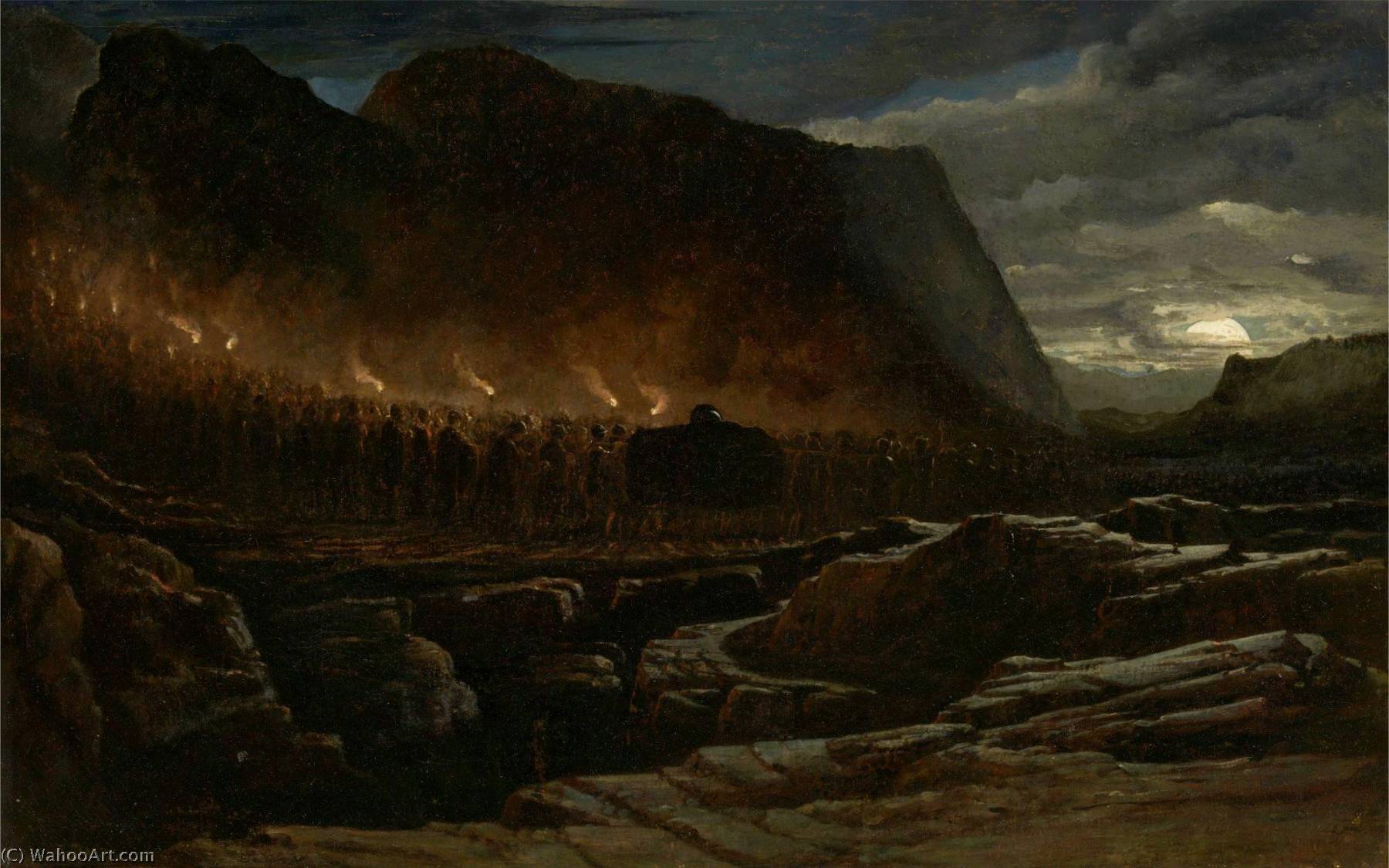
Funeral Procession (also known as The Burial of Alaric)


 詳細を見る
詳細を見る




P118B $10

P118H $10

P118W $10

P438Z $10

P508JH $12

P508YH $12

P805H $10

P805Z $10

P919BZ $10

P919G $10

P919XJ $10

P959ZH $10

P968JZ $12

W106C $8

W218G $10

W218JH $8

W218Y $10

W307PJ $10

W316G $10

W316PJ $8

W316Y $10

W398PJ $8

W4111J $10

W500HY $15

W500JH $15

W692G $12

W849H $8

W940BG $15

W953PJ $8




作品のオリジナル比率に合わせた、当店の規定サイズからお選びください。

特定のフレームやスペースに合わせて、ご希望のサイズをご入力いただけます。選択されたサイズが元の画像の比率と異なる場合、アートワークをトリミングするか、手描きで要素を追加して絵画を拡張いたします。デジタルモックアップ を制作し、制作開始前にご確認(承認)をいただきます。
画面上のプレビューは、実際のトリミングや拡張を正確に反映しているものではありません。最終的な構図は、モックアップによってのみ正確にご確認いただけます。
カスタムサイズもご利用いただけますが、元の比率を維持するためには、あらかじめ用意されたリストからサイズを選択することをお勧めいたします。
ご注文後、ArtsDot.com チームより詳細な指示をお送りするとともに、仕上がりイメージ(モックアップ)をご提供いたします。


 ガラスオプションは、110cm未満のサイズでのみご利用いただけます。

Funeral Procession (also known as The Burial of Alaric)
複製技法
複製画のサイズ
-


合計金額
$ 263
作品解説
A Mountain’s Lament: Unveiling the Drama of Danby's “Funeral Procession”
James Francis Danby’s “Funeral Procession,” painted in 1848, isn’t merely a depiction of a funeral; it’s a visceral plunge into the heart of Romanticism – a landscape saturated with grief, spirituality, and the sublime. Born amidst the turbulent backdrop of Ireland's political unrest, Danby channeled his own emotional intensity onto canvas, creating an image that resonates far beyond its immediate subject matter. The painting immediately commands attention with its scale; it’s a monumental work, designed to envelop the viewer in its dramatic atmosphere, mirroring the overwhelming nature of loss and remembrance.
The scene unfolds within a rugged, almost violently sculpted mountain range – a landscape rendered not as picturesque beauty but as a formidable, unforgiving force. Two moons dominate the sky, their presence lending an otherworldly quality to the event below, suggesting a realm beyond earthly comprehension. The procession itself is a study in muted tones of grey and brown, punctuated by the stark white garments of the mourners, emphasizing their vulnerability against the imposing backdrop. Notice how Danby masterfully employs atmospheric perspective – distant elements fade into a hazy blue, creating an illusion of immense depth and drawing the eye relentlessly towards the central figures.
The Weight of Ritual: Symbolism in a Scene of Mourning
Beyond its technical brilliance, “Funeral Procession” is rich with symbolic weight. The burial itself isn’t simply a farewell; it's an enactment of a profound spiritual journey. The figures are not presented as individuals but as representatives of humanity confronting mortality. The horse leading the procession can be interpreted as a symbol of fate or perhaps even the soul making its way to the afterlife. The sheer scale of the mountain, with its jagged peaks and shadowed valleys, represents the challenges and uncertainties inherent in life’s journey. The two moons, often associated with cycles of death and rebirth, further amplify this sense of transition.
Danby's choice of subject matter – a funeral procession in a remote mountain setting – was deeply influenced by the Romantic movement’s fascination with nature as a source of both awe and terror. He sought to capture not just the outward appearance of the scene but also the emotional experience it evoked, imbuing the landscape with a palpable sense of melancholy and reverence. The painting speaks to universal themes of loss, remembrance, and the enduring power of human connection in the face of mortality.
A Masterpiece of Romantic Technique
Technically, “Funeral Procession” is a testament to Danby’s skill as a landscape painter. He employed a loose, expressive brushstroke – characteristic of the Romantic style – to create a sense of movement and dynamism. The paint itself appears thick and textured, adding to the painting's tactile quality and conveying a feeling of immediacy. Danby was particularly adept at capturing light and shadow, using them to sculpt the forms of the mountains and figures, creating a dramatic interplay of illumination and darkness. His use of color is restrained but effective, contributing significantly to the overall mood of solemnity and contemplation.
Echoes of Verona: Historical Context and Artistic Legacy
Interestingly, research suggests that Danby’s artistic sensibilities were profoundly shaped by his time spent in Verona, Italy. The city's rich history – a tapestry woven with Roman grandeur, medieval struggles, and Renaissance artistry – undoubtedly influenced his vision. The echoes of this historical context can be seen in the painting’s dramatic composition and its exploration of themes such as power, loss, and remembrance. Danby’s work stands alongside that of other Romantic masters like John Martin and J.M.W. Turner, yet possesses a uniquely Irish perspective and an intense emotional depth. “Funeral Procession” remains a powerful testament to the enduring legacy of James Francis Danby – a painter who dared to confront the darkest corners of the human experience and transform them into works of breathtaking beauty and profound meaning.
関連作品

アーティストの略歴
ロマン主義の先見者:ジェームズ・フランシス・ダンビーの生涯と芸術
1793年、アイルランドのウェックスフォードで産声を上げたジェームズ・フランシス・ダンビーは、劇的な強烈さと感情的な響きを湛えた風景画を描き出し、イギリス・ロマン主義運動における重要な人物としてその名を刻みました。しばしば壮大なスケールを誇り、大気の揺らぎを繊細に捉えた彼のキャンバスは、ジョン・マーティンやJ.M.W.ターナーといった同時代の巨匠たちと肩を並べる一方で、自身のアイリッシュな出自と芸術的な旅路に根ざした独自の品格を放っています。ダンビーの若き日は、激動の時代でもありました。1807年の父の死により、彼はダブリンへの移住を余儀なくされますが、そこでロイヤル・ダブリン・ソサエティの学校に入り、ジェームズ・アーサー・オコナーやジョージ・ペトリーのもとで本格的な美術教育を受け始めました。この基礎形成期は、彼に技術的な習熟をもたらしただけでなく、風景を「深い感情を表現するための媒体」として捉える感性を養いました。それは、当時芽生えつつあったロマン主義的感性の真髄とも言えるものでした。転機が訪れたのは1813年、オコナーやペトリーと共に、芸術の機会を求めてロンドンへと足を踏み入れた時でした。当初の苦難は彼らをブリストルへと導き、そこで水彩画の販売を通じて成功を収めた経験が、その後の独自のスタイルを形作る決定的な要素となったのです。ブリストル派の隆盛
ブリストルは、ダンビーの芸術的成長にとって肥沃な大地となりました。彼は「ブリストル派」として知られる非公式な芸術集団の中で、瞬く間にその地位を確立していったのです。当初はエドワード・バードを中心としていたこのグループは、共にスケッチに出かけ、互いに影響を与え合う環境を育んでいました。ダンビーはやがてバードの後継者として、その中心的な存在となり、瑞々しい色彩と緻なる観察眼を特徴とする自然主義的なアプローチを継承しました。「小さな舟を漕ぐ少年たち」(1821年頃)といった作品には、光と大気の微妙なニュアンスを捉える彼の初期の才能が鮮やかに示されています。しかし、ダンビーの野心は単なる写実的な描写に留まりませんでした。エドワード・ヴィリアーズ・リッピングデイルやフランシス・ゴールド、そしてとりわけウィリアム・ブレイクの友人であったジョージ・カンバーランドといった人物に後押しされ、彼はより想像力豊かで詩的な主題へと踏み込んでいきます。特にカンバーデンの影響は絶大であり、画題の提案のみならず、ブレイクの芸術が持つ幻視的な力へとダンビーを導いた可能性もあります。この新たな刺激が、彼の成熟したスタイルを定義することとなる、より壮大で感情に満ちた構図への転換を引き起こしたのです。ブリストル派は単なる技術的な指針だけでなく、ダンビーが独自の芸術的道を切り拓くための、不可欠な支援と鼓舞のネットワークとなったのでした。劇的なヴィジョンと批評家たちの喝采 ダンビーの画業における決定的な突破口となったのは、『ジャワのウパスの樹』(1820年)でした。この作品は瞬く間に高い評価を受け、彼のアカデミー(王立芸術院)準会員への選出を確実なものにしました。インドネシアの伝承に登場する毒樹を描いたこの作品は、劇的な構図と大気効果の卓越した技量を見せつけ、1820年代に流行していたバイロン主義的な美意識と深く共鳴しました。その後も彼は、『失望した愛』(1821年)のような野心的なキャンバスを次々と発表し、サミュエル・テイラー・コールリッジの文学に影響を受けたと思われる、風景への詩的なアプローチを深化させていきました。『魔法の島』(1825年)は特に大きな影響力を持ち、ブリストル派の他の画家たちにインスピレーションを与え、レティシア・エリザベス・ランドンによる名高い短編集『トルバドゥール』でも称賛を浴びました。その野心はさらに高まり、『第六の封印の開放』(1828年)では、審美眼を持つコレクター、ウィリアム・ベックフォードによって購入されるほどの壮大な物語的場面を描き出しました。これらの作品を通じて、ダンビーはロマン主義風景画の旗手としての地位を確立し、見る者を想像力と畏怖の世界へと誘い、強烈な感情を呼び起こす画家としてその名を轟かせたのです。彼のスタイルは、壮大で陰鬱、かつ幻想的な主題を描く広大な錯視的キャンバスによって特徴づけられ、それはまさに1820年代のバイロン的嗜好と見事に一致していました。
晩年と不朽の遺産
スイスのレマン湖畔で過ごした時期やパリでの短い滞在を経て、ダン引きは1840年にイギリスへと戻り、『大洪水』という記念碑的な作品によってその名声を再燃させました。この作品は、彼の劇的な構図における不変の熟練度を証明するものでした。晩年の作品には、『木精の昇る太陽への賛歌』(1845年)のように、より穏やかな美学を示すものもありましたが、最終的には『難破』(1859年)に見られるような、初期の演劇的な様式へと回帰していきました。キャリアを通じて、ダンビーは経済的な困難や批評の浮沈に直面することもありましたが、自らの芸術的ヴィジョンに対しては決して揺らぐことはありませんでした。彼は定期的に展覧会を開催し続け、新作を披露すると同時に、かつての成功を収めた主題にも再び光を当てました。ジェームズ・フランシス・ダンビーは1861年に没しましたが、彼が遺した作品群は、今なお観る者を魅了し続けています。彼の遺産は、イギリス・ロマン主義芸術への多大な貢献の中に息づいています。ジョン・マーティンやJ.M.W.ターナーと並び、想像力豊かな風景画を通じて強烈な感情を呼び起こすその能力は、彼を19世紀の先見的な芸術家として確固たる地位へと押し上げたのです。ダンビーの芸術における主要な特徴
- 劇的な風景: 荒れ狂う空や海をしばしば伴う、広大でダイナミックな眺望。
- 感情の強烈さ: 畏怖、神秘、そして感情的な深みに満ちた絵画。
- ロマン主義的主題: 「崇高」の概念、自然の力、そして人間の脆弱性といったテーマの探求。
- 錯視的な技法: 写実性と壮大さを創出するための、光、影、遠近法の見事な駆使。
- 物語的要素: 神話、文学、あるいは聖書の物語から引き出された物語性を内包する多くの作品。
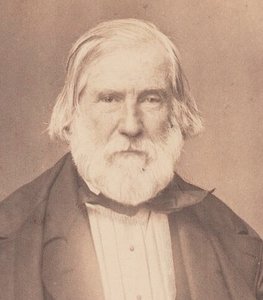
ジェームズ・フランシス・ダンビー
1793 - 1861 , アイルランド
基本情報
- Artistic Movement Or Style: ロマン主義
- Artists Or Movements Influenced By This Artist:
- ブリストル派
- J.M.W. ターナー
- Artists Who Influenced This Artist:
- ジョン・マーティン
- ウィリアム・ブレイク
- Date Of Birth: 1793年
- Date Of Death: 1861年
- Full Name: ジェームズ・フランシス・ダンビー
- Nationality: アイルランド人
- Notable Artworks:
- ジャワのウパスの木
- 失望した愛
- 魔法の島
- 第六の封印の開放
- 大洪水
- Place Of Birth: アイルランド、ウェックスフォード
関連記事
Sir Alfred Munnings' Masterpieces: 25 Paintings That Define Equine Art | ArtsDot
Explore 25 iconic Sir Alfred Munnings paintings! Discover the beauty of British Impressionism, equine art & rural England. Find museum-quality reproductions and elevate your home decor with ArtsDot. Explore the full collection online.

ジェームズ・マクニール・ホイストラー:至高の25選 - 美と調和を求めた芸術家の軌跡 | ArtsDot
ジェームズ・マクニール・ホイストラーの至高の25選。ノクターン、印象派、美しい色彩に満ちた作品群を紐解きます。ArtsDotで高品質なアートプリントとインテリアをお楽しみください。名画の世界へ – ArtsDot.com

ロマン派ランドスケープ:時代を彩る巨匠の10選|アートとインテリアの世界
ロマン派絵画の時代を彩る10選。巨匠たちの風景が織りなす感動の世界へ。ターナー、ルーベンスなど、名作の裏話と高精細複製でアートをお部屋に。ArtsDot.comで至福のアート体験を。

ジョン・コンスタブルの傑作25選:英国風景画の巨匠が描く自然と光の詩 | ArtsDot
ジョン・コンスタブルの傑作25選。英国風景画の巨匠が描く自然と光の詩の世界へ。ロマン主義を代表する絵画、デダム・ヴェールやヘイ・ウェインなど、ArtsDotで高品質なアートプリントをお楽しみください。インテリアに深みと感動を。コレクションはこちら。

Evocations of Place: A Historical Journey Through Landscape Art
Explore the rich history of landscape art with ArtsDot. Discover renowned artists, movements like Impressionism & Romanticism, and expert guidance for collecting timeless pieces. Find your perfect serene escape today!