

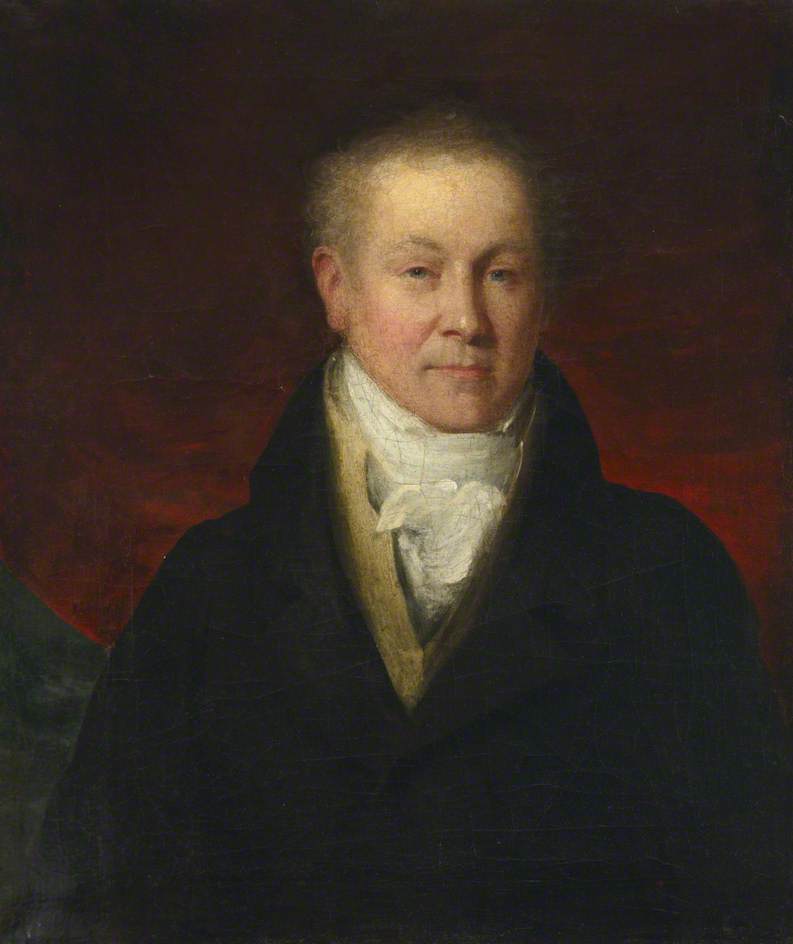
 プレビュー
プレビュー
 シェアする
シェアする シェアする
シェアする
 詳細を見る
詳細を見る

 ダウンロード
 似ている作品
 X線調査
X線調査 スライドショー
 統計情報
統計情報Augustus Charles Pugin (1769–1832)
 1810
1810 75.0 x 63.0 cm
 RIBA Library Drawings And Archives Collections
 詳細を見る
詳細を見る
手描き油彩複製画
当社のアーティストが、お客様のご希望のサイズと額縁に合わせて、キャンバスに手描きで制作する油彩画です。 ( プリント版に切り替え デジタル画像販売へ切り替え)




































作品のオリジナル比率に合わせた、当店の規定サイズからお選びください。

特定のフレームやスペースに合わせて、ご希望のサイズをご入力いただけます。選択されたサイズが元の画像の比率と異なる場合、アートワークをトリミングするか、手描きで要素を追加して絵画を拡張いたします。デジタルモックアップ を制作し、制作開始前にご確認(承認)をいただきます。
画面上のプレビューは、実際のトリミングや拡張を正確に反映しているものではありません。最終的な構図は、モックアップによってのみ正確にご確認いただけます。
カスタムサイズもご利用いただけますが、元の比率を維持するためには、あらかじめ用意されたリストからサイズを選択することをお勧めいたします。
ご注文後、ArtsDot.com チームより詳細な指示をお送りするとともに、仕上がりイメージ(モックアップ)をご提供いたします。


 ガラスオプションは、110cm未満のサイズでのみご利用いただけます。

Augustus Charles Pugin (1769–1832)
複製技法
複製画のサイズ
-


合計金額
$ 263
関連作品








アーティストの略歴
The Luminous Legacy of James Green
In the soft, translucent world of Regency-era watercolor, few names evoke the delicate elegance of the period quite like James Green. Born on March 13th, 1771, in the quiet enclave of Leytonstone, Essex, Green was the son of a builder—a humble beginning for a man who would eventually capture the very essence of British nobility and character. His artistic journey began not with grand canvases, but with the meticulous study of nature. Under the tutelage of Thomas Martyn, an expert in natural history painting, Green developed a profound sensitivity to the minute details of the organic world. This early apprenticeship, centered around the imitation of shells and insects, instilled in him a disciplined eye for texture and form that would later become the cornerstone of his celebrated portraiture.
The trajectory of Green’s life shifted dramatically when he entered the prestigious Royal Academy Schools. It was within these hallowed halls that he encountered the towering figure of Sir Joshua Reynolds. The relationship between the master and the protégé was transformative; Reynolds recognized a burgeoning talent in Green, and the younger artist spent much of his formative years copying the works of the great portraitist. Through this process, Green did more than merely mimic technique; he absorbed a philosophical approach to art that viewed the portrait as a vessel for moral instruction and classical beauty. This influence is palpable in Green’s later works, where a sense of proportion and dignity permeates every brushstroke, reflecting the high ideals of the era.
A Mastery of Light and Character
While his early exhibitions at the Royal Academy featured topographical views of Oxford Market and Chapel, Green’s true calling emerged in the intimate realm of portraiture. He possessed a rare ability to transition from the broad, atmospheric landscapes of his youth to the nuanced, psychological depth required for fine portraiture. His technique was nothing short of masterful, characterized by the delicate layering of translucent watercolor washes. This method allowed him to achieve a luminous quality, particularly in the rendering of skin tones and the heavy, luxurious folds of period drapery. To gaze upon a Green portrait is to witness a play of light that seems to emanate from within the paper itself.
Green’s reputation was built upon his ability to convey more than just a likeness; he captured the very soul of his subjects. Whether painting prominent figures such as Benjamin West or Sir Richard Birnie, or working on commissions for private patrons like Francis Chaplin, he infused his subjects with an unmistakable grace. His works were often translated into other media, with many of his portraits being engraved in mezzotint by skilled hands like William Say, ensuring that his vision reached a much wider audience beyond the London elite. This versatility—moving between the delicate precision of watercolor and the bold, dramatic potential of oil painting in works such as Zadig and Astarte—demonstrated an artist of immense range and technical command.
Final Years and Enduring Significance
As his career progressed, Green became a fixture of the British art scene, frequently exhibiting at the British Institution and maintaining membership in the Associated Society of Artists in Water-Colours. His life was one of steady professional ascent, marked by both critical acclaim and the prestigious award of a premium from the British Institution in 1808. Despite his successes, he remained deeply rooted in the traditions of his training, always striving for that perfect balance between naturalistic detail and classical elegance.
The twilight of Green’s life saw him residing in the fashionable South Crescent of Bedford Square, London, before his passing in Bath on March 27th, 1834. Though he lived through a period of immense social and industrial change, his art remained a sanctuary of refinement and poise. Today, his legacy survives through the cherished collections of the National Portrait Gallery in London and the Royal College of Surgeons of England. His portraits of figures such as Thomas Stothard and Sir John Ross serve as enduring windows into the Regency spirit—a period defined by an exquisite marriage of scientific observation and romantic sentiment. James Green remains a vital figure for any student of British art, representing a pinnacle of watercolor excellence that continues to captivate the modern eye.
james green
1771 - 1834
基本情報
- Artistic Movement Or Style: Portraiture
- Artists Who Influenced This Artist:
- Joshua Reynolds
- Thomas Martyn
- Date Of Birth: 1771
- Date Of Death: 1834
- Full Name: James Green
- Nationality: English
- Notable Artworks:
- Zadig
- Astarte
- Belinda
- The Loves Conducted by the Graces to the Temple of Hymen
- Place Of Birth: Essex, England