

 プレビュー
プレビュー
 シェアする
シェアする シェアする
シェアする
 詳細を見る
詳細を見る

 ダウンロード
 似ている作品
 X線調査
X線調査 スライドショー
 統計情報
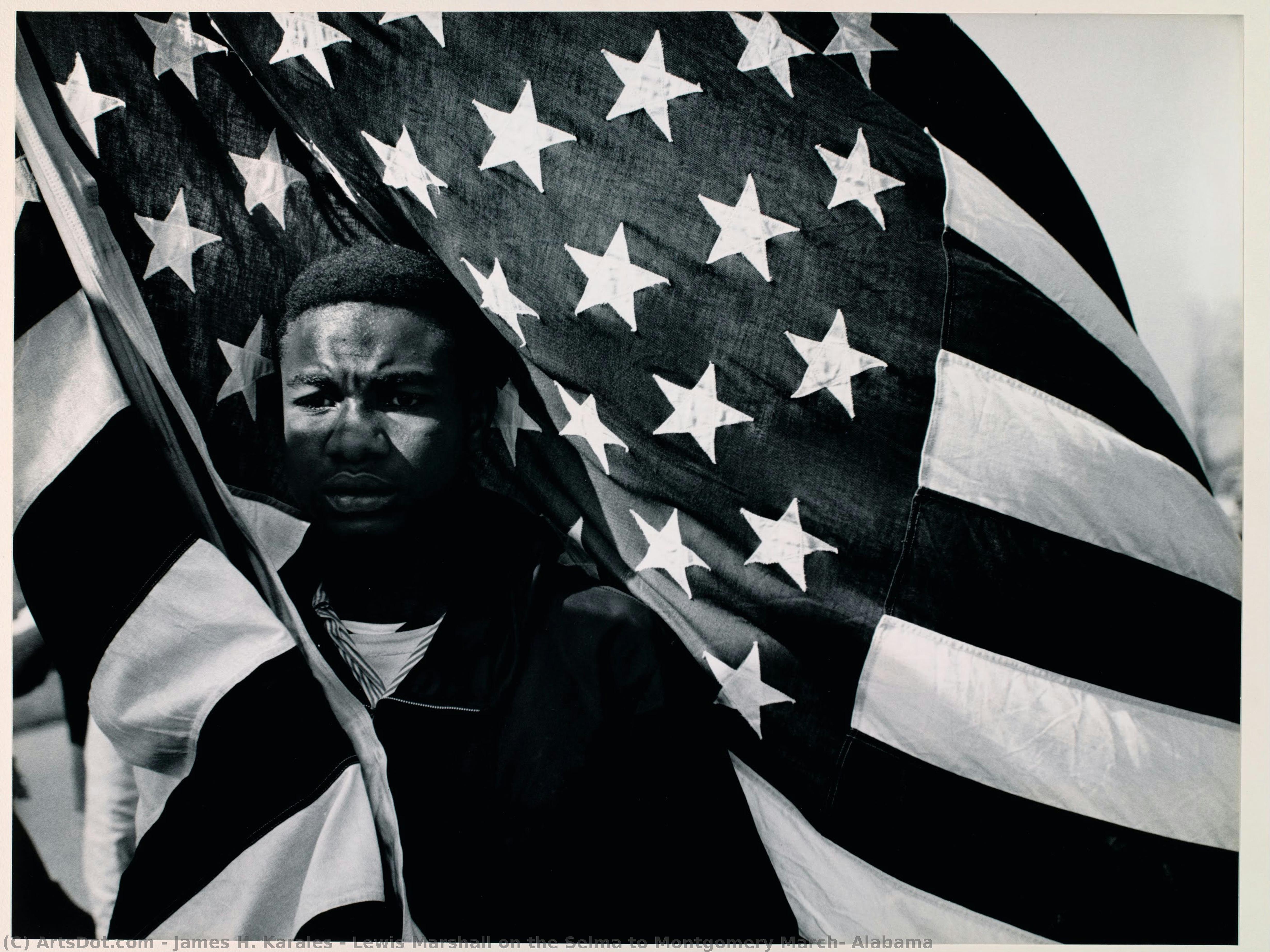
統計情報Lewis Marshall on the Selma to Montgomery March, Alabama

 詳細を見る
詳細を見る
手描き油彩複製画
当社のアーティストが、お客様のご希望のサイズと額縁に合わせて、キャンバスに手描きで制作する油彩画です。 ( プリント版に切り替え デジタル画像販売へ切り替え)




































作品のオリジナル比率に合わせた、当店の規定サイズからお選びください。

特定のフレームやスペースに合わせて、ご希望のサイズをご入力いただけます。選択されたサイズが元の画像の比率と異なる場合、アートワークをトリミングするか、手描きで要素を追加して絵画を拡張いたします。デジタルモックアップ を制作し、制作開始前にご確認(承認)をいただきます。
画面上のプレビューは、実際のトリミングや拡張を正確に反映しているものではありません。最終的な構図は、モックアップによってのみ正確にご確認いただけます。
カスタムサイズもご利用いただけますが、元の比率を維持するためには、あらかじめ用意されたリストからサイズを選択することをお勧めいたします。
ご注文後、ArtsDot.com チームより詳細な指示をお送りするとともに、仕上がりイメージ(モックアップ)をご提供いたします。


 ガラスオプションは、110cm未満のサイズでのみご利用いただけます。

Lewis Marshall on the Selma to Montgomery March, Alabama
複製技法
複製画のサイズ
-


合計金額
$ 263
関連作品






アーティストの略歴
James H. Karales: A Witness to the Soul of a Nation
James H. Karales (1930-2002) stands as a pivotal figure in American photography, indelibly linked to the tumultuous and transformative era of the Civil Rights Movement. Born in Canton, Ohio—a small town steeped in Greek immigrant heritage—Karales’s journey from electrical engineering student to celebrated photojournalist is a testament to his keen eye, unwavering commitment, and profound empathy for the struggles of marginalized communities. His work with *Look* magazine during the 1960s didn't merely document events; it captured the very essence of hope, resistance, and resilience in the face of systemic injustice. Karales’s legacy resides not just in his iconic photographs but also in their ability to transport viewers directly into the heart of a nation grappling with its conscience.Early Life and Photographic Beginnings
Karales's initial path led him toward a more technical field, enrolling at Ohio University with aspirations for an engineering career. However, a pivotal moment occurred during his freshman year – witnessing his roommate’s work in the darkroom ignited a passion that irrevocably altered his course. This early exposure to the magic of photography sparked a lifelong dedication, culminating in a Bachelor of Fine Arts degree from Ohio University in 1955. Following graduation, he moved to New York City, seeking opportunities within the burgeoning photographic landscape. His initial foray into the profession involved assisting W. Eugene Smith at the prestigious Magnum photo agency, an experience that proved invaluable, providing him with hands-on training and exposure to some of the most influential photographers of the time. Karales’s two years with Smith honed his skills in darkroom techniques and instilled a deep understanding of visual storytelling—a foundation upon which he would build his own distinctive style. Notably, he spent over 7,000 hours working in Smith's darkroom, developing prints and absorbing the master’s approach to image-making.Documenting the Civil Rights Movement
Karales’s career truly blossomed when he joined *Look* magazine in 1960, a period of intense social upheaval and burgeoning activism. He quickly became one of the publication's most trusted chroniclers of the Civil Rights Movement, traveling extensively throughout the South to document key events and figures. His photographs weren’t simply snapshots; they were carefully constructed narratives, imbued with a sense of immediacy and emotional resonance. He gained unprecedented access to Dr. Martin Luther King Jr.’s family, capturing intimate moments that revealed both the leader's humanity and the challenges he faced in his personal life—images like those depicting King explaining to his daughter Yolanda why they couldn’t visit an amusement park are particularly poignant. Karales also documented the formation of the Student Nonviolent Coordinating Committee (SNCC), a vital grassroots organization at the forefront of the movement, capturing the energy and determination of young activists training for passive resistance.Iconic Images and Lasting Impact
Perhaps Karales’s most enduring image is his photograph of the Selma to Montgomery march—a powerful depiction of hundreds of protesters marching along a highway under a turbulent sky. This single image became synonymous with the movement, capturing its spirit of defiance and determination. Beyond this iconic shot, Karales produced a wealth of compelling photographs, including portraits of Rosa Parks, Jackie Robinson, and other prominent figures involved in the struggle for equality. His work extended beyond the immediate events of the Civil Rights Movement, documenting life in Rendville, Ohio—a former stop on the Underground Railroad—and capturing the unique cultural heritage of Canton’s Greek-American community. The photograph of Lewis Marshall on the Selma to Montgomery March is considered a masterpiece, embodying the courage and hope of those fighting for voting rights.Legacy and Recognition
James H. Karales's photographs have been exhibited at prestigious museums across the United States, including the National Museum of African American History and Culture in Washington, D.C., and are featured in numerous books, most notably *Controversy and Hope: The Civil Rights Photographs of James Karales*. His work continues to resonate today, serving as a powerful reminder of the struggles faced by those fighting for justice and equality. Karales’s commitment to truth and his ability to capture the human spirit have cemented his place as one of America's most important photojournalists—a witness to a pivotal moment in American history. His estate is represented by the Howard Greenberg Gallery, ensuring that his legacy continues to be shared with future generations.
james h. karales
1930 - 2002 , United States of America
基本情報
- Artistic Movement Or Style: Photojournalism
- Artists Or Movements Influenced By This Artist: ['Look Magazine']
- Artists Who Influenced This Artist: ['W. Eugene Smith']
- Date Of Birth: July 15, 1930
- Date Of Death: April 1, 2002
- Full Name: James H. Karales
- Nationality: American
- Notable Artworks:
- Selma to Montgomery March
- King Family Photos (1962-63)
- SNCC Formation (1960)
- Place Of Birth: Canton, Ohio, USA