

 プレビュー
プレビュー
 シェアする
シェアする シェアする
シェアする
 詳細を見る
詳細を見る

 ダウンロード
 似ている作品
 X線調査
X線調査 スライドショー
 Stats
StatsFair Maid's House
 1893
1893 31.0 x 41.0 cm
 詳細を見る
詳細を見る
ジークレー/アートプリント
迅速な制作と多彩な仕上げオプションを備えた、ミュージアムクオリティのジークレーまたはキャンバスプリント。 ( 手描きの絵画を購入 Switch to Digital Image)




































作品のオリジナル比率に合わせた、当店の規定サイズからお選びください。

特定のフレームやスペースに合わせて、ご自身でサイズを指定することも可能です。選択されたサイズが元の画像の比率と一致しない場合、作品をトリミングするか、鏡面反射または単色での塗りつぶしによって画像を拡張いたします。制作を開始する前に、ご確認用のデジタルモックアップをお送りいたします。
画面上のプレビューには、実際のトリミングや拡張は反映されませんのでご注意ください。最終的な構図を正確に確認できるのは、モックアップのみとなります。
カスタムサイズも承っておりますが、元の比率を維持するためには、あらかじめ用意されたリストからサイズを選択することをお勧めいたします。


 ガラスオプションは、110cm未満のサイズでのみご利用いただけます。

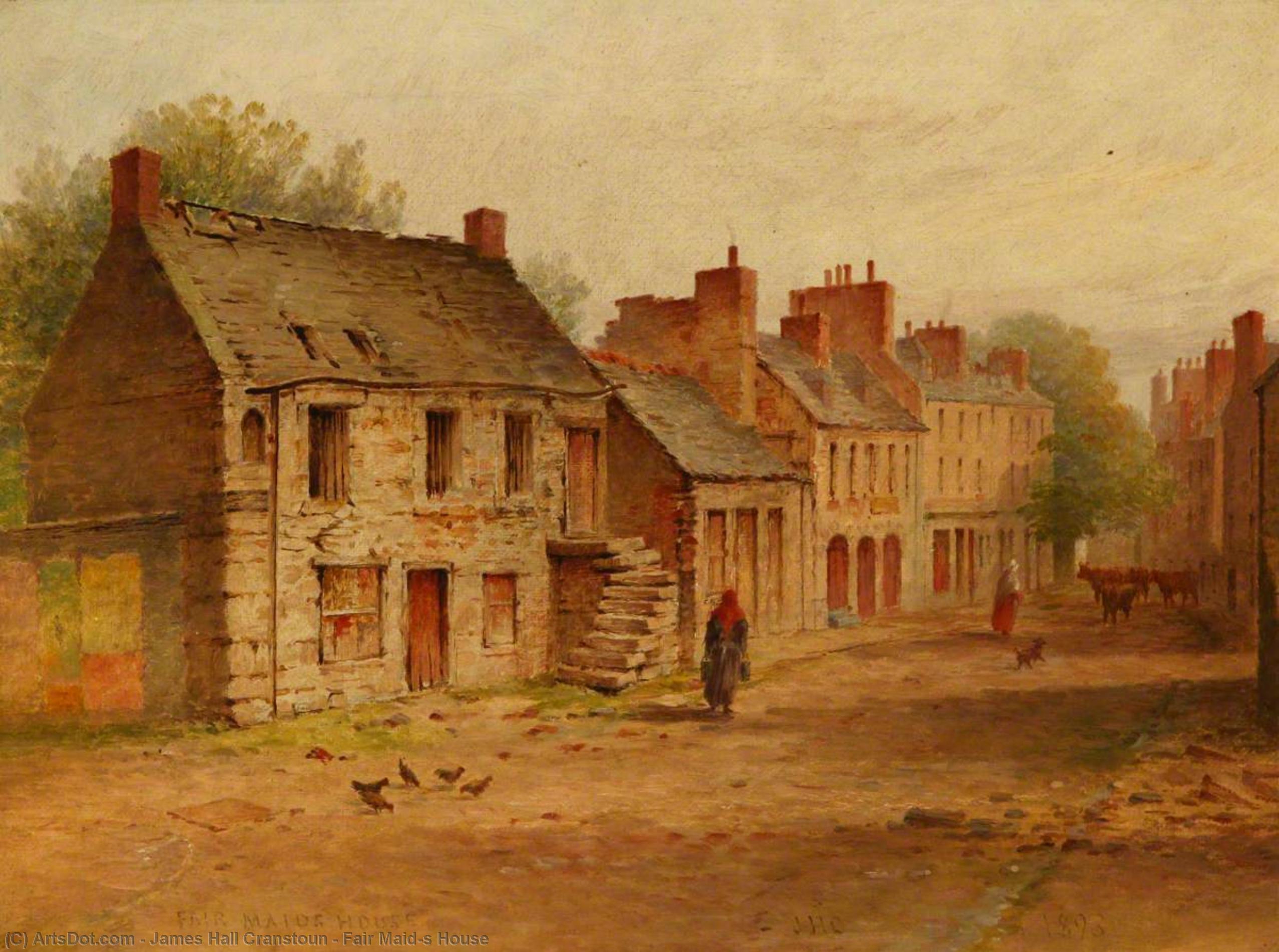
Fair Maid's House
ジークレー/アートプリント
複製画のサイズ
-


合計金額
$ 62
Artistic Style and Influences
James Hall Cranstoun's style is reminiscent of Post-Impressionism, a movement that emerged as a reaction against traditional impressionist techniques. The use of bold colors and thick brushstrokes in the Fair Maid's House is similar to the works of other notable artists, such as Henri De Toulouse Lautrec, who created the famous painting La Macarona in Riding Habit. You can find more information about this artwork on ArtsDot.com.Notable Features and Symbolism
The painting features several notable elements, including two horses, one located near the center and another towards the right side of the picture. The presence of these animals adds a sense of movement and energy to the scene. Additionally, the array of birds scattered throughout the painting creates a sense of life and tranquility. The overall atmosphere appears to be calm and peaceful, with the village's residents going about their daily activities.- The use of oil on canvas as the medium adds depth and texture to the painting.
- The depiction of everyday life in the village creates a sense of familiarity and connection with the viewer.
- The inclusion of animals, such as horses and birds, adds a sense of movement and energy to the scene.
The Fair Maid's House is a captivating piece that showcases the artistic skill and attention to detail of James Hall Cranstoun. Its beauty and charm make it a must-see for anyone interested in late 19th-century art.
関連作品

アーティストの略歴
James Hall Cranstoun: Painter of Perthshire’s Tranquility
James Hall Cranstoun (1821-1907) emerged as a prominent figure in Scottish landscape painting during the Victorian era, establishing himself as one of Perthshire's foremost artists and earning recognition from the Royal Scottish Academy. His canvases captured not merely picturesque vistas but imbued them with an atmosphere of contemplative beauty—a hallmark that continues to resonate with collectors and art historians alike. Born in Edinburgh, Cranstoun’s artistic inclination was nurtured by his father, a professor of anatomy at the University of Edinburgh, fostering a disciplined approach to observation and representation. This meticulous attention to detail would become central to his distinctive style.- Early Influences: Cranstoun's formative years were marked by exposure to Romantic ideals championed by artists like Turner and Constable. These masters emphasized capturing the sublime grandeur of nature, prioritizing emotional resonance over mere topographical accuracy—a principle that profoundly shaped Cranstoun’s artistic vision.
- Perthshire Landscapes: Cranstoun dedicated much of his career to depicting the landscapes of Perthshire, specifically focusing on areas surrounding Dunkeld and Pitlochry. He meticulously documented the changing seasons, capturing the golden hues of autumn foliage and the misty serenity of winter mornings. His paintings are characterized by a subtle tonal palette and masterful brushwork that convey an unparalleled sense of atmosphere.
Technique and Style: A Pursuit of Atmospheric Impressionism
Cranstoun’s artistic technique leaned heavily toward Impressionistic principles, albeit tempered with a Classical sensibility. He favored oil paints applied in thin glazes—a method that allowed him to achieve remarkable luminosity and depth. Unlike some Impressionists who prioritized fleeting moments of light, Cranstoun sought to convey the enduring character of his subjects through careful layering and blending. His brushstrokes were deliberate yet fluid, creating textured surfaces that subtly reflected the nuances of natural illumination. This approach resulted in landscapes that possess a palpable stillness—a testament to Cranstoun’s profound understanding of visual perception.- Notable Subjects: Among his most celebrated works are depictions of Conway Castle and Craigievar Castle, both situated in Aberdeenshire. These monumental structures were rendered with meticulous precision, capturing their architectural grandeur against dramatic skies—a masterful demonstration of Cranstoun’s compositional skill.
- Royal Recognition: Cranstoun's artistic achievements culminated in his election to the Royal Scottish Academy in 1860—a prestigious honor that solidified his position as a leading voice within Scotland’s artistic community. His paintings were exhibited repeatedly at the Academy, garnering critical acclaim and establishing him as an enduring symbol of Victorian landscape art.
Legacy and Historical Significance
James Hall Cranstoun's contribution to Scottish landscape painting extends beyond his individual artworks; he helped establish Perthshire as a celebrated artistic destination. His paintings continue to inspire admiration for their serene beauty and technical virtuosity—a legacy that underscores the enduring power of Romantic ideals adapted to Impressionistic practice. Cranstoun’s meticulous observation and masterful brushwork serve as an exemplar for aspiring artists, reminding us that true artistry lies in capturing not just what is seen but also what is felt—a timeless pursuit reflected in his unforgettable canvases.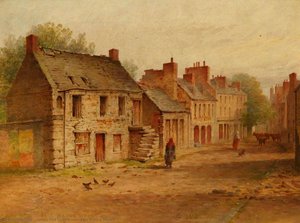
james hall cranstoun
1821 - 1907
基本情報
- Artistic Movement Or Style: Romanticism
- Artists Or Movements Influenced By This Artist: ['Hudson Lowe']
- Artists Who Influenced This Artist:
- George Washington Hay
- William Stanhope Gay
- Date Of Birth: 1821
- Date Of Death: 1907
- Full Name: James Hall Cranstoun
- Nationality: Scottish
- Notable Artworks:
- Fair Maid's House
- Conway Castle
- Place Of Birth: Perthshire, Scotland