

 プレビュー
プレビュー
 シェアする
シェアする シェアする
シェアする
 詳細を見る
詳細を見る

 ダウンロード
 似ている作品
 X線調査
X線調査 スライドショー
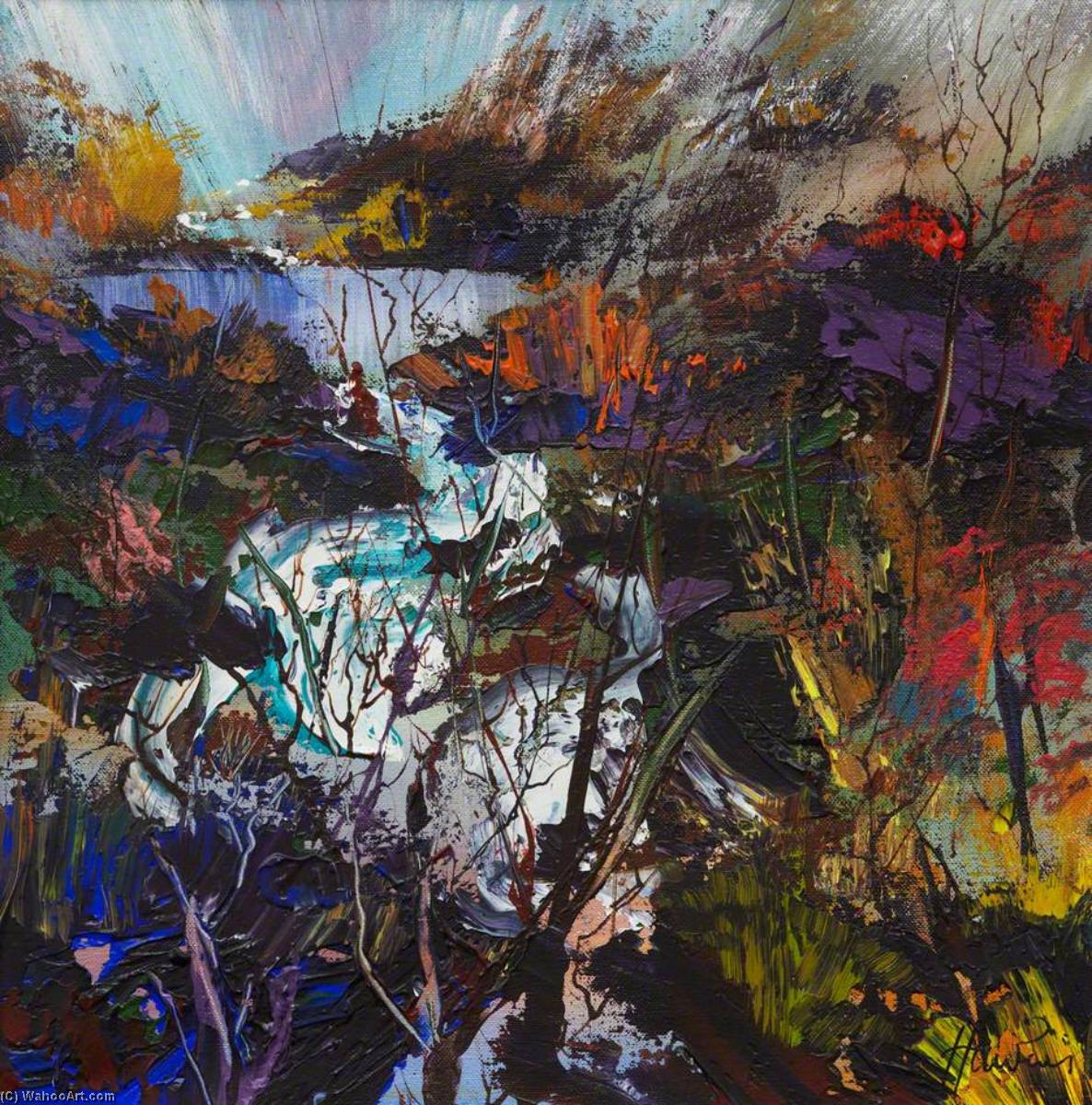
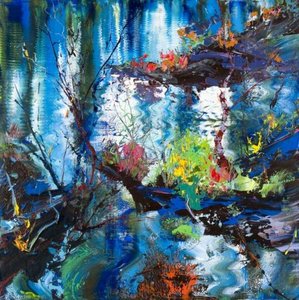
Pools beside the Rhue Burn
 Acrylic On Canvas
- WallArt
- Contemporary Realism
 1993
1993- 19th Century
 41.0 x 41.0 cm
 Scottish National Gallery of Modern Art
 詳細を見る
詳細を見る
ジークレー/アートプリント
迅速な制作と多彩な仕上げオプションを備えた、ミュージアムクオリティのジークレーまたはキャンバスプリント。 ( 手描きの絵画を購入 画像を購入)




P118B $10

P118H $10

P118W $10

P438Z $10

P508JH $12

P508YH $12

P805H $10

P805Z $10

P919BZ $10

P919G $10

P919XJ $10

P959ZH $10

P968JZ $12

W106C $8

W218G $10

W218JH $8

W218Y $10

W307PJ $10

W316G $10

W316PJ $8

W316Y $10

W398PJ $8

W4111J $10

W500HY $15

W500JH $15

W692G $12

W849H $8

W940BG $15

W953PJ $8




作品のオリジナル比率に合わせた、当店の規定サイズからお選びください。

特定のフレームやスペースに合わせて、ご自身でサイズを指定することも可能です。選択されたサイズが元の画像の比率と一致しない場合、作品をトリミングするか、鏡面反射または単色での塗りつぶしによって画像を拡張いたします。制作を開始する前に、ご確認用のデジタルモックアップをお送りいたします。
画面上のプレビューには、実際のトリミングや拡張は反映されませんのでご注意ください。最終的な構図を正確に確認できるのは、モックアップのみとなります。
カスタムサイズも承っておりますが、元の比率を維持するためには、あらかじめ用意されたリストからサイズを選択することをお勧めいたします。


 ガラスオプションは、110cm未満のサイズでのみご利用いただけます。

Pools beside the Rhue Burn
ジークレー/アートプリント
複製画のサイズ
-


合計金額
$ 62
A Serene Reflection: Pools beside the Rhue Burn by James Hawkins
James Hawkins’s “Pools beside the Rhue Burn,” painted in 1993, offers a captivating glimpse into the heart of British landscape painting, echoing the sensibilities of masters like Henri Matisse while forging its own quiet beauty. This evocative work depicts a tranquil river scene nestled within a rugged, mountainous terrain – a quintessential representation of the Scottish Highlands that speaks to a deep appreciation for nature’s power and serenity. The artist's skillful rendering captures not just the visual elements but also an atmosphere of profound peace, inviting the viewer into a moment of contemplative observation.
Style and Technique: A Harmonious Blend
- Impressionistic Influence: Hawkins’s approach is clearly informed by the Impressionist movement, particularly in his focus on capturing fleeting moments of light and atmosphere. The dappled sunlight filtering through the trees, reflected in the still waters of the Rhue Burn, demonstrates a sensitivity to color and texture that prioritizes sensory experience over precise representation.
- Detailed Observation: Despite the Impressionistic tendencies, Hawkins exhibits meticulous attention to detail, particularly in the rendering of the foliage and the subtle variations in the river’s surface. This careful observation lends a sense of realism to the scene while maintaining an overall painterly quality.
- Color Palette: The color palette is dominated by cool greens, blues, and browns – colors that evoke the natural tones of the Scottish landscape. Strategic use of warmer hues, such as ochre and gold, adds depth and highlights key elements within the composition.
Historical Context and Artistic Roots
Painted in 1993, “Pools beside the Rhue Burn” exists within a rich tradition of British landscape painting, building upon centuries of artistic exploration of the country’s diverse terrains. The work subtly nods to the legacy of artists like Matisse, who championed the expressive potential of color and form – principles that Hawkins skillfully incorporates into his own style. The late 20th-century context also reflects a renewed interest in regionalism and a desire to capture the unique character of specific landscapes.
Symbolic Resonance: Nature’s Quiet Power
Beyond its aesthetic qualities, the painting carries symbolic weight. The river itself is often associated with themes of flow, transformation, and connection – mirroring the passage of time and the interconnectedness of all things. The mountains represent strength, resilience, and a sense of timeless grandeur. The solitary figure adds an element of human contemplation within this vast natural setting, suggesting our place within the larger scheme of existence.
A Timeless Masterpiece – Perfect for Your Space
This hand-painted reproduction of “Pools beside the Rhue Burn” offers a unique opportunity to bring a touch of serene beauty into your home or office. Its calming composition and evocative color palette make it an ideal addition to any interior design scheme, particularly those seeking a connection with nature. Measuring 41 x 41 cm, this artwork is perfectly sized for a variety of spaces, from small apartments to larger living areas. Invest in a piece that celebrates the enduring power and beauty of the natural world – a timeless treasure created by James Hawkins.
関連作品


アーティストの略歴
Henri Matisse: A Life Painted in Color
Born Henri Émile Benoît Matisse on December 31, 1869, in Cateau-Cambrésis, Northern France, Matisse’s journey to becoming one of the most influential artists of the 20th century was marked by a relentless pursuit of color and form. His life spanned nearly nine decades, witnessing and profoundly shaping the evolution of modern art, from the vibrant energy of Fauvism to the refined elegance of his later years. He died on November 3, 1954, leaving behind an astonishing body of work that continues to captivate audiences worldwide.
Matisse’s early artistic development was shaped by a formal education in law and literature – pursuits he largely abandoned for the burgeoning world of art. He initially studied at the École des Beaux-Arts in Paris, but found the rigid academic style stifling. It was during this period that he encountered the Impressionists and Post-Impressionists, artists who prioritized subjective perception over strict representation. These encounters proved pivotal, igniting a passion for capturing light and emotion through color and brushstroke. His early works reflected a more traditional approach, but it wasn’t long before he began to experiment with bolder techniques and palettes.
The Fauvist Revolution
Matisse's artistic breakthrough arrived in the early 1900s with his embrace of Fauvism – a movement characterized by its unrestrained use of color, often applied in arbitrary and non-naturalistic ways. This radical departure from established conventions shocked the art world, earning him the moniker “wild beast.” Works like *Woman with a Hat* (1905) and *The Joy of Life* (1906) exemplify this period, showcasing vibrant reds, blues, yellows, and greens applied with thick, expressive brushstrokes. These paintings weren’t intended to depict reality faithfully; instead, they aimed to evoke mood and emotion through the sheer intensity of color.
Influenced by Paul Gauguin's use of color in Tahiti and Vincent van Gogh’s emotionally charged brushwork, Matisse sought to create a visual language that transcended mere representation. He believed that color itself could communicate feelings and ideas, independent of subject matter. This philosophy drove him to explore the expressive potential of his palette with an almost obsessive dedication.
Mature Style & Beyond
Following the initial shock of Fauvism, Matisse gradually refined his style, moving towards a more controlled and decorative approach. He developed a distinctive technique characterized by flattened forms, simplified shapes, and rhythmic patterns. This period saw him create iconic works such as *The Red Studio* (1911), a bold exploration of color and composition, and *Dance* (1910), which captured the dynamism of movement through vibrant hues and angular lines. He also experimented with printmaking, creating striking lithographs and woodcuts that showcased his mastery of line and color.
Despite facing health challenges in his later years, Matisse continued to paint prolifically, focusing on paper cutouts – intricate compositions created by arranging brightly colored pieces of paper. These works, produced between 1947 and 1954, represent a remarkable testament to his artistic vitality and ingenuity. They demonstrate a shift towards abstraction while retaining the fundamental principles of color and composition that defined his entire career.
Legacy & Historical Significance
Henri Matisse’s impact on the art world is undeniable. He was instrumental in breaking away from academic traditions and paving the way for future generations of artists to explore new possibilities in color, form, and expression. His influence can be seen in the works of numerous artists who followed, including Joan Miró, Paul Klee, and Wassily Kandinsky. Matisse’s emphasis on intuition, emotion, and the transformative power of color continues to resonate with audiences today, solidifying his place as one of the most important figures in modern art.
His work is held in major museums worldwide, including the MoMA in New York, the Tate Modern in London, and the Centre Pompidou in Paris. Matisse’s legacy extends beyond the canvas; he was also a celebrated designer, creating textiles, wallpaper, and furniture that further demonstrated his innovative approach to visual communication.
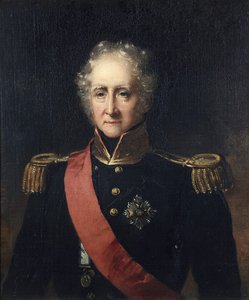
james hawkins
1954 - , United Kingdom
基本情報
- Artistic Movement Or Style: Feminist Art, Pictures Generation
- Artists Or Movements Influenced By This Artist:
- Barbara Kruger
- Sherrie Levine
- Artists Who Influenced This Artist:
- Cindy Sherman
- Andy Warhol
- Date Of Birth: January 19, 1954
- Full Name: Cynthia Morris Sherman
- Nationality: American
- Notable Artworks:
- Untitled Film Stills
- Centerfold
- Marilyn
- Place Of Birth: New York City, USA
関連記事
Sir Alfred Munnings' Masterpieces: 25 Paintings That Define Equine Art | ArtsDot
Explore 25 iconic Sir Alfred Munnings paintings! Discover the beauty of British Impressionism, equine art & rural England. Find museum-quality reproductions and elevate your home decor with ArtsDot. Explore the full collection online.
ジェームズ・マクニール・ホイストラー:至高の25選 - 美と調和を求めた芸術家の軌跡 | ArtsDot
ジェームズ・マクニール・ホイストラーの至高の25選。ノクターン、印象派、美しい色彩に満ちた作品群を紐解きます。ArtsDotで高品質なアートプリントとインテリアをお楽しみください。名画の世界へ – ArtsDot.com

The Enduring Legacy of Oil on Canvas: Technique, History & Aesthetic Impact
Explore the rich history & techniques of oil painting – from Renaissance masters to Impressionism. Discover pigments, layering methods, and why this timeless medium endures. Expert insights for artists & art enthusiasts.

Oil on Canvas: A Historical & Technical Exploration of a Timeless Artistic Medium
Explore the rich history & enduring techniques of oil painting on canvas. Discover the science behind its longevity, conservation practices, and contemporary relevance. Expert insights for art enthusiasts.
William James Müller: Navigating Victorian Sentiment & Realism in British Landscape Painting
Explore the captivating landscapes of William James Müller, the leading artist of the Bristol School. Discover his Victorian masterpieces, Egyptian travels & Lycian sketches – a journey through 19th-century art and technique.