

 プレビュー
プレビュー
 プリントを購入
 シェアする
シェアする シェアする
シェアする
 詳細を見る
詳細を見る

 ダウンロード
 似ている作品
 X線調査
X線調査 スライドショー
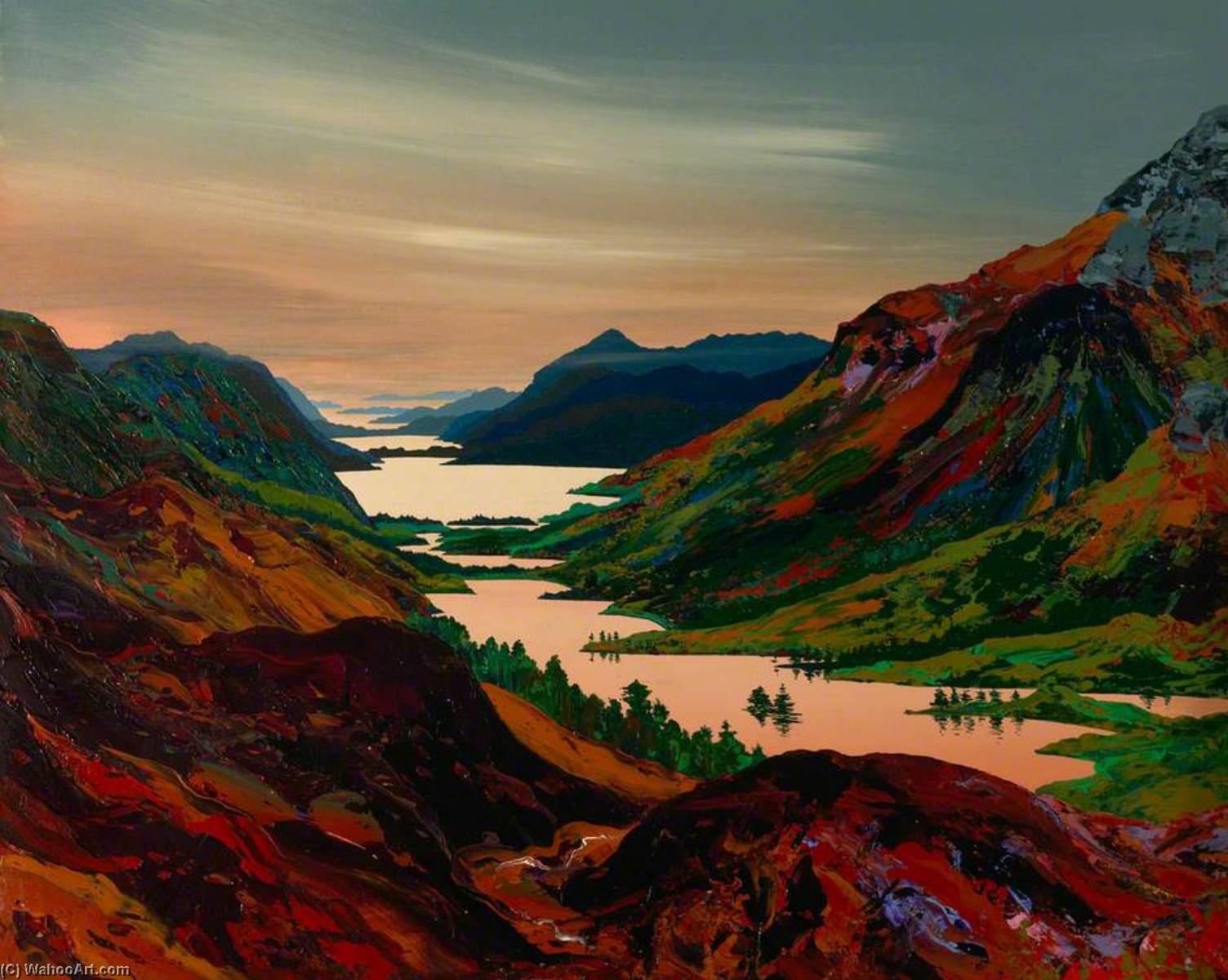
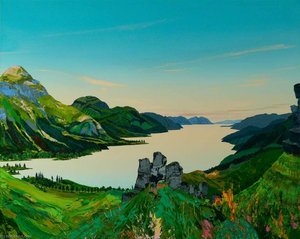
The Great Glen through Four Seasons (panel 1 of 4)
 Contemporary Realism
 2004
2004- Contemporary
 122.0 x 153.0 cm
 Inverness Airport
 詳細を見る
詳細を見る




P118B $10

P118H $10

P118W $10

P438Z $10

P508JH $12

P508YH $12

P805H $10

P805Z $10

P919BZ $10

P919G $10

P919XJ $10

P959ZH $10

P968JZ $12

W106C $8

W218G $10

W218JH $8

W218Y $10

W307PJ $10

W316G $10

W316PJ $8

W316Y $10

W398PJ $8

W4111J $10

W500HY $15

W500JH $15

W692G $12

W849H $8

W940BG $15

W953PJ $8




作品のオリジナル比率に合わせた、当店の規定サイズからお選びください。

特定のフレームやスペースに合わせて、ご希望のサイズをご入力いただけます。選択されたサイズが元の画像の比率と異なる場合、アートワークをトリミングするか、手描きで要素を追加して絵画を拡張いたします。デジタルモックアップ を制作し、制作開始前にご確認(承認)をいただきます。
画面上のプレビューは、実際のトリミングや拡張を正確に反映しているものではありません。最終的な構図は、モックアップによってのみ正確にご確認いただけます。
カスタムサイズもご利用いただけますが、元の比率を維持するためには、あらかじめ用意されたリストからサイズを選択することをお勧めいたします。
ご注文後、ArtsDot.com チームより詳細な指示をお送りするとともに、仕上がりイメージ(モックアップ)をご提供いたします。


 ガラスオプションは、110cm未満のサイズでのみご利用いただけます。

The Great Glen through Four Seasons (panel 1 of 4)
複製技法
複製画のサイズ
-


合計金額
$ 263
A Symphony of Nature: The Great Glen through Four Seasons
In this breathtaking landscape, the first movement of a larger seasonal quartet, James Hawkins invites the viewer into a profound dialogue with the Scottish Highlands. The painting captures the majestic expanse of the Great Glen, where towering mountains stand as silent sentinels over a tranquil, mirror-like lake. There is an immediate sense of atmospheric depth achieved through the masterful layering of light and shadow; the distant peaks emerge from a soft, ethereal haze, while the foreground trees provide a grounded, textured contrast to the fluid expanse of the water. The composition is a masterclass in balance, guiding the eye from the rugged silhouettes of the mountains down into the heart of the valley, creating an immersive experience that feels both expansive and intimately connected to the earth.
The technique employed by Hawkins evokes a sense of timelessness, blending a contemporary sensibility with the atmospheric traditions of landscape painting. Through delicate brushwork, the artist captures the fleeting quality of light beneath a heavy, cloud-swept sky. This interplay between the weight of the clouds and the clarity of the water creates a palpable tension, suggesting the ever-changing temperament of the natural world. The palette is rich yet nuanced, utilizing subtle shifts in tone to suggest the moisture in the air and the ancient, weathered textures of the stone. For the discerning collector or interior designer, this piece offers more than mere decoration; it serves as a window into a serene, untouched wilderness, bringing a sense of organic tranquility and structural grandeur to any sophisticated space.
Beyond its visual splendor, the artwork carries a deep emotional resonance, acting as a meditation on the cyclical nature of time. As the first panel in a series exploring the four seasons, this specific iteration captures a moment of transition and quietude. The symbolism lies in the endurance of the mountains against the ephemeral movement of the clouds and water—a reminder of the permanence of nature amidst the passing moments of life. It is an evocative piece that inspires contemplation, making it an ideal centerpiece for those looking to infuse their environment with a sense of peace, history, and the sublime beauty of the natural landscape.
関連作品
アーティストの略歴
Henri Matisse: A Life Painted in Color
Born Henri Émile Benoît Matisse on December 31, 1869, in Cateau-Cambrésis, Northern France, Matisse’s journey to becoming one of the most influential artists of the 20th century was marked by a relentless pursuit of color and form. His life spanned nearly nine decades, witnessing and profoundly shaping the evolution of modern art, from the vibrant energy of Fauvism to the refined elegance of his later years. He died on November 3, 1954, leaving behind an astonishing body of work that continues to captivate audiences worldwide.
Matisse’s early artistic development was shaped by a formal education in law and literature – pursuits he largely abandoned for the burgeoning world of art. He initially studied at the École des Beaux-Arts in Paris, but found the rigid academic style stifling. It was during this period that he encountered the Impressionists and Post-Impressionists, artists who prioritized subjective perception over strict representation. These encounters proved pivotal, igniting a passion for capturing light and emotion through color and brushstroke. His early works reflected a more traditional approach, but it wasn’t long before he began to experiment with bolder techniques and palettes.
The Fauvist Revolution
Matisse's artistic breakthrough arrived in the early 1900s with his embrace of Fauvism – a movement characterized by its unrestrained use of color, often applied in arbitrary and non-naturalistic ways. This radical departure from established conventions shocked the art world, earning him the moniker “wild beast.” Works like *Woman with a Hat* (1905) and *The Joy of Life* (1906) exemplify this period, showcasing vibrant reds, blues, yellows, and greens applied with thick, expressive brushstrokes. These paintings weren’t intended to depict reality faithfully; instead, they aimed to evoke mood and emotion through the sheer intensity of color.
Influenced by Paul Gauguin's use of color in Tahiti and Vincent van Gogh’s emotionally charged brushwork, Matisse sought to create a visual language that transcended mere representation. He believed that color itself could communicate feelings and ideas, independent of subject matter. This philosophy drove him to explore the expressive potential of his palette with an almost obsessive dedication.
Mature Style & Beyond
Following the initial shock of Fauvism, Matisse gradually refined his style, moving towards a more controlled and decorative approach. He developed a distinctive technique characterized by flattened forms, simplified shapes, and rhythmic patterns. This period saw him create iconic works such as *The Red Studio* (1911), a bold exploration of color and composition, and *Dance* (1910), which captured the dynamism of movement through vibrant hues and angular lines. He also experimented with printmaking, creating striking lithographs and woodcuts that showcased his mastery of line and color.
Despite facing health challenges in his later years, Matisse continued to paint prolifically, focusing on paper cutouts – intricate compositions created by arranging brightly colored pieces of paper. These works, produced between 1947 and 1954, represent a remarkable testament to his artistic vitality and ingenuity. They demonstrate a shift towards abstraction while retaining the fundamental principles of color and composition that defined his entire career.
Legacy & Historical Significance
Henri Matisse’s impact on the art world is undeniable. He was instrumental in breaking away from academic traditions and paving the way for future generations of artists to explore new possibilities in color, form, and expression. His influence can be seen in the works of numerous artists who followed, including Joan Miró, Paul Klee, and Wassily Kandinsky. Matisse’s emphasis on intuition, emotion, and the transformative power of color continues to resonate with audiences today, solidifying his place as one of the most important figures in modern art.
His work is held in major museums worldwide, including the MoMA in New York, the Tate Modern in London, and the Centre Pompidou in Paris. Matisse’s legacy extends beyond the canvas; he was also a celebrated designer, creating textiles, wallpaper, and furniture that further demonstrated his innovative approach to visual communication.
james hawkins
1954 - , United Kingdom
基本情報
- Artistic Movement Or Style: Feminist Art, Pictures Generation
- Artists Or Movements Influenced By This Artist:
- Barbara Kruger
- Sherrie Levine
- Artists Who Influenced This Artist:
- Cindy Sherman
- Andy Warhol
- Date Of Birth: January 19, 1954
- Full Name: Cynthia Morris Sherman
- Nationality: American
- Notable Artworks:
- Untitled Film Stills
- Centerfold
- Marilyn
- Place Of Birth: New York City, USA
関連記事

ジョン・コンスタブルの傑作25選:英国風景画の巨匠が描く自然と光の詩 | ArtsDot
ジョン・コンスタブルの傑作25選。英国風景画の巨匠が描く自然と光の詩の世界へ。ロマン主義を代表する絵画、デダム・ヴェールやヘイ・ウェインなど、ArtsDotで高品質なアートプリントをお楽しみください。インテリアに深みと感動を。コレクションはこちら。
Serene Visions: Exploring Themes of Tranquility in Art History & Contemporary Practice
Explore the history of serene landscape art & discover artists who evoke tranquility. Find the perfect calming artwork for your home with expert guidance from ArtsDot.

ロマン派ランドスケープ:時代を彩る巨匠の10選|アートとインテリアの世界
ロマン派絵画の時代を彩る10選。巨匠たちの風景が織りなす感動の世界へ。ターナー、ルーベンスなど、名作の裏話と高精細複製でアートをお部屋に。ArtsDot.comで至福のアート体験を。

Evocations of Place: A Historical Journey Through Landscape Art
Explore the rich history of landscape art with ArtsDot. Discover renowned artists, movements like Impressionism & Romanticism, and expert guidance for collecting timeless pieces. Find your perfect serene escape today!

葛飾北斎:25の傑作が語る浮世絵の世界 - ArtsDot
葛飾北斎の25選:『神奈川沖浪裏』や『富嶽三十六景』など、浮世絵の世界を深く探求。木版画の技法と日本美術の美をArtsDotで。高品質なアートプリントで空間に感動を。コレクションはこちら。