

 プレビュー
プレビュー
 プリントを購入
 シェアする
シェアする シェアする
シェアする
 詳細を見る
詳細を見る

 ダウンロード
 似ている作品
 X線調査
X線調査 スライドショー
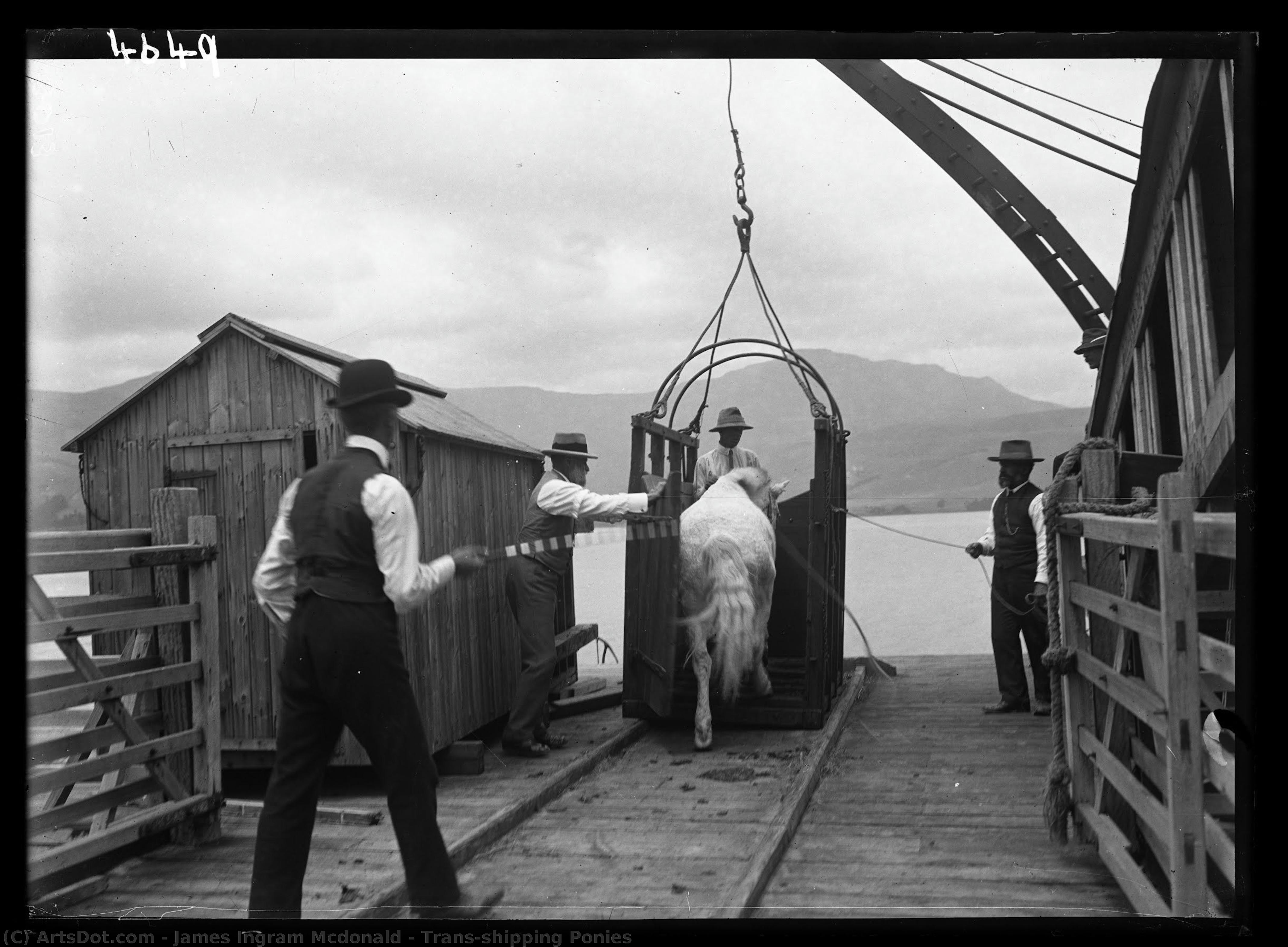
Trans-shipping Ponies


 詳細を見る
詳細を見る
オンラインプレビューをはるかに凌ぐ、高解像度で鮮明なデジタル画像をご購入いただけます。
各ファイルは、社内の専門家が高度なツールと熟練した手作業によるレタッチを用いて、細心の注意を払って準備されています。すべての画像において、卓越した鮮明度、正確な色彩再現性、そして繊細なディテールを保証いたします。
最終ファイルは、プロフェッショナルな編集・印刷環境ですぐにご利用いただけるよう最適化された状態で、72時間以内にメールにてお届けいたします。これは、一流のデザインスタジオ、出版社、ギャラリーから信頼されているものと同等の品質です。
デジタル画像のご注文に付随する特典
高品質なデジタル画像配信を、確かな品質で。
ArtsDot.com を選ぶことは、単に画像を手に入れることではありません。それは、プロの手によって精密に仕上げられ、満足保証が付いた高品質なデジタルアートワークを受け取ることを意味します。ご注文いただいた際に自動的に付随する内容は、以下の通りです:

メールですぐにお届け
ご注文から72時間以内に、高解像度のデジタル画像ファイルがメールでお手元に届きます。すぐにそのままご利用いただけます。

AI技術で最適化されたデジタルファイル
お客様の作品は、高度なAIツールと専門家による手作業の編集を組み合わせてプロフェッショナルに最適化されており、細部のディテール、鮮明さ、そして正確な色再現性を最大限に引き出しています。

一生涯無料の再送サービス
ファイルを誤って削除したり、紛失してしまったりしましたか?ご安心ください。いつでも無料で再送いたします。

輸入手数料は一切かかりません
関税や手数料、配送料を気にすることなく、お気に入りのアートワークをすぐにお楽しみいただけます。デジタルダウンロードは常に免税です。

色彩再現の保証
プロ仕様のツールとカラーマネジメント技術を用いることで、デジタル画像が元の色を最大限に忠実に再現することを保証いたします。

100日間満足保証
ご購入いただいたデジタル画像にご満足いただけない場合は、100日以内であれば、理由を問わず修正または100%の返金対応をさせていただきます。

100% 返金保証
ご満足いただけない場合は、デジタルファイルを受け取ってから100日以内であれば、理由を問わず全額返金いたします。

まとめ買い割引
3枚購入で10%OFF - 5枚購入で15%OFF - 10枚以上購入で20%OFF。クリエイティブなプロジェクト、ギャラリー、エージェンシーに最適です。
関連作品







作家の略歴
James Ingram McDonald: A Pioneer of Māori Culture in Film and Art
James Ingram McDonald (1865-1935) stands as a remarkably multifaceted figure in New Zealand’s artistic and cultural landscape – a painter, photographer, filmmaker, museum director, and, crucially, a passionate advocate for the preservation and promotion of Māori arts and crafts. Born in Christchurch in 1865, McDonald's life was defined by a deep respect for both European artistic traditions and the rich heritage of Aotearoa’s indigenous people. His career spanned decades, encompassing diverse roles that cemented his legacy as a pivotal bridge between two worlds, leaving behind a significant body of work that continues to fascinate and inform today.Early Life and Artistic Foundations
McDonald's early life in Christchurch laid the groundwork for his future artistic pursuits. He displayed an aptitude for art from a young age, receiving formal training in Dunedin during his formative years. Influenced by prominent local artists like James Nairn, Nugent Welch, and Girolamo Nerli, he honed his skills in painting, developing a keen eye for detail and composition. This early exposure to established artistic techniques provided him with a solid foundation as he embarked on his journey to explore new avenues of creative expression. Notably, his family background – his mother being of Scottish descent – likely contributed to an appreciation for diverse cultural influences, shaping his worldview and informing his later work.Ethnographic Filmmaking and the Dominion Museum
McDonald’s most enduring contribution lies in his pioneering ethnographic filmmaking. Appointed as a museum assistant and draughtsman at the Colonial (later Dominion) Museum in 1905, he quickly recognized the potential of film to document and share Māori culture with a wider audience. This role proved transformative, leading him to collaborate closely with Elsdon Best, a prominent ethnologist, on a series of groundbreaking films capturing traditional practices, ceremonies, and social customs. These weren’t simply observational recordings; McDonald actively sought to understand the significance behind each scene, demonstrating a genuine curiosity and respect for Māori traditions. His work at the Dominion Museum included creating a detailed model pa – a significant architectural representation of a Māori meeting house – which remained on display for over sixty years, reflecting his commitment to accurately portraying Māori heritage.Documenting Māori Rituals: The Hui Aroha Expedition
Perhaps the most celebrated aspect of McDonald’s filmmaking career was his involvement in the 1918 Hui Aroha expedition to Gisborne. This momentous event marked the welcome home of the New Zealand Māori (Pioneer) Battalion, returning from service during World War I. McDonald, alongside Elsdon Best and Johannes C. Andersen, meticulously documented the festivities, capturing pivotal moments such as poi dances, string games, fire-making demonstrations, and kumara digging rituals. These films – remarkably preserved and restored in recent decades – offer an invaluable glimpse into Māori culture at a critical juncture in New Zealand’s history. They stand as some of the earliest ethnographic films ever produced in Aotearoa, showcasing McDonald's dedication to preserving cultural memory through visual media.Photography, Promotion, and Legacy
Beyond his filmmaking endeavors, McDonald was also an accomplished photographer. His work for the Department of Tourist and Health Resorts during the early 1900s resulted in a series of evocative images depicting New Zealand’s landscapes and Māori communities. These photographs served not only as promotional material but also as artistic representations of the country's diverse cultural tapestry. Later, he played a role in promoting Māori arts and crafts, contributing to their recognition and appreciation both domestically and internationally. James Ingram McDonald’s legacy extends far beyond his individual achievements; he was instrumental in fostering cross-cultural understanding and advocating for the preservation of Māori traditions through his multifaceted artistic practice. His work continues to be studied and celebrated as a testament to his vision and dedication – a true pioneer in documenting and sharing the rich cultural heritage of New Zealand.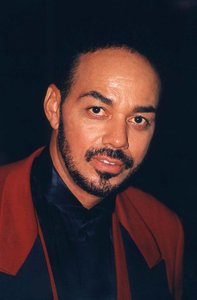
james ingram mcdonald
1865 - 1935 , New Zealand
プロフィール概要
- Artistic Movement Or Style: Ethnographic film
- Artists Or Movements Influenced By This Artist: ['Māori arts & crafts']
- Artists Who Influenced This Artist:
- James Nairn
- Nugent Welch
- Date Of Birth: 1865 Christchurch, NZ
- Date Of Death: 1935
- Full Name: James Ingram McDonald
- Nationality: New Zealander
- Notable Artworks:
- Eskimo Dogs Quarantine
- Tokaanu School Arts
- Place Of Birth: Christchurch, New Zealand