

 プレビュー
プレビュー
 シェアする
シェアする シェアする
シェアする
 詳細を見る
詳細を見る

 ダウンロード
 似ている作品
 X線調査
X線調査 スライドショー
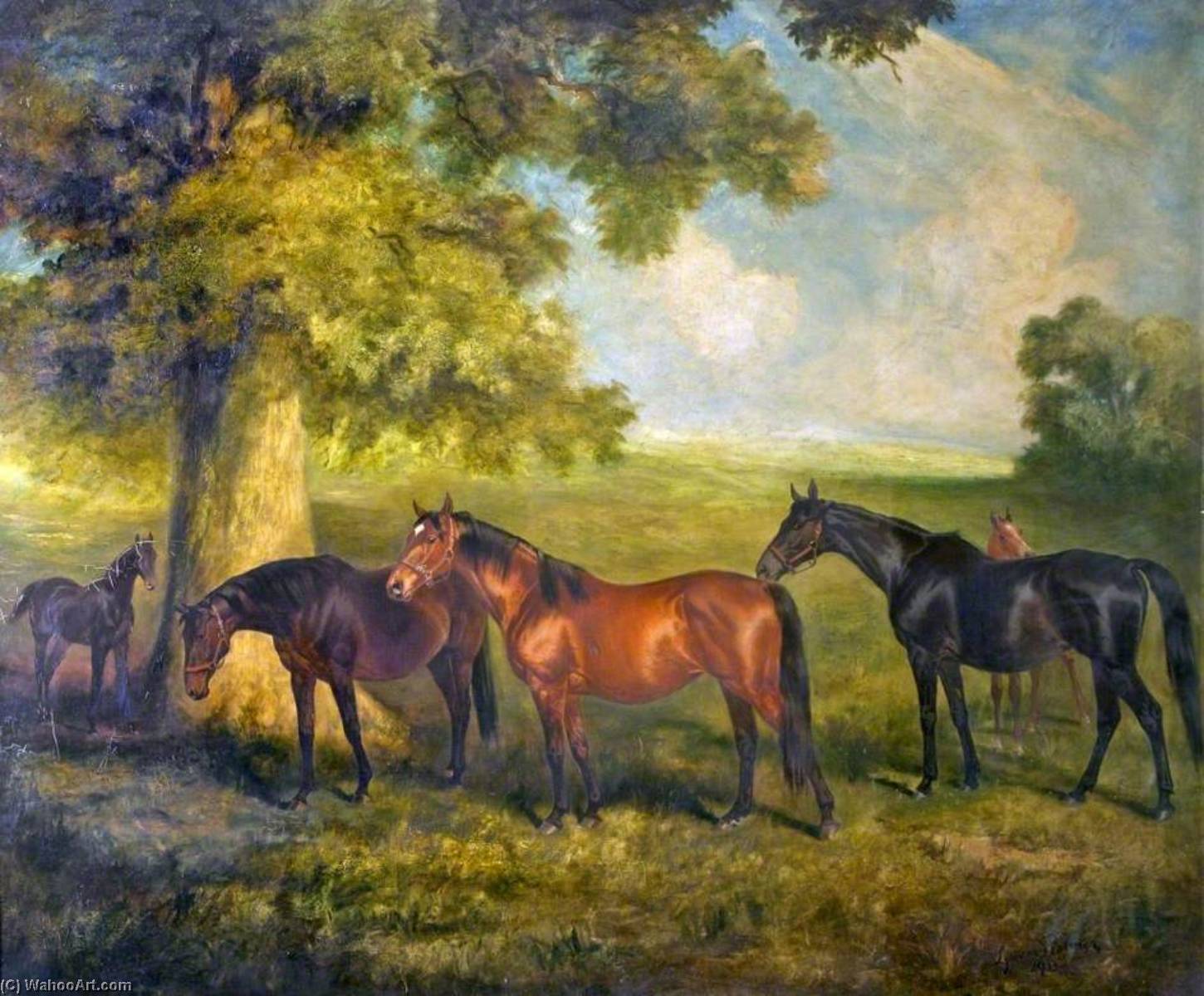
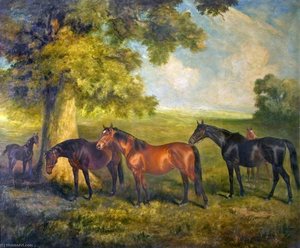
'Jean's Folly', 'Cherry Lass' and 'Black Cherry'
 Oil On Canvas
- WallArt
- Realism
 1913
1913- 19th Century
 103.0 x 128.0 cm
 ウォーカー・アート・ギャラリー
 詳細を見る
詳細を見る
ジークレー/アートプリント
迅速な制作と多彩な仕上げオプションを備えた、ミュージアムクオリティのジークレーまたはキャンバスプリント。 ( 手描きの絵画を購入 画像を購入)




P118B $10

P118H $10

P118W $10

P438Z $10

P508JH $12

P508YH $12

P805H $10

P805Z $10

P919BZ $10

P919G $10

P919XJ $10

P959ZH $10

P968JZ $12

W106C $8

W218G $10

W218JH $8

W218Y $10

W307PJ $10

W316G $10

W316PJ $8

W316Y $10

W398PJ $8

W4111J $10

W500HY $15

W500JH $15

W692G $12

W849H $8

W940BG $15

W953PJ $8




作品のオリジナル比率に合わせた、当店の規定サイズからお選びください。

特定のフレームやスペースに合わせて、ご自身でサイズを指定することも可能です。選択されたサイズが元の画像の比率と一致しない場合、作品をトリミングするか、鏡面反射または単色での塗りつぶしによって画像を拡張いたします。制作を開始する前に、ご確認用のデジタルモックアップをお送りいたします。
画面上のプレビューには、実際のトリミングや拡張は反映されませんのでご注意ください。最終的な構図を正確に確認できるのは、モックアップのみとなります。
カスタムサイズも承っておりますが、元の比率を維持するためには、あらかじめ用意されたリストからサイズを選択することをお勧めいたします。


 ガラスオプションは、110cm未満のサイズでのみご利用いただけます。

'Jean's Folly', 'Cherry Lass' and 'Black Cherry'
ジークレー/アートプリント
複製画のサイズ
-


合計金額
$ 62
A Pastoral Symphony of Equine Grace
In the quietude of a sun-dappled meadow, James Lynwood Palmer captures a moment of profound serenity in his 1913 masterpiece, 'Jean's Folly', 'Cherry Lass' and 'Black Cherry'. This exquisite oil painting invites the viewer into a tranquil world where the boundaries between animal and nature dissolve into a harmonious whole. The composition centers on four magnificent horses, their powerful forms resting amidst lush greenery beneath the protective canopy of a sprawling tree. There is an immediate sense of peace that washes over the observer, as if one has stumbled upon a private, sacred ritual of the natural world. The soft, diffused light—reminiscent of a misty early morning or the gentle glow of an overcast afternoon—bathes the scene in a dreamlike quality, making the landscape feel less like a specific place and more like a timeless memory.
The artistry of Palmer lies in his ability to balance rigorous realism with the delicate, emotive touches of impressionism. While the anatomy of the horses is rendered with meticulous care, showcasing the muscular strength and velvety textures of their coats, the surrounding foliage is treated with a more fluid, expressive brushwork. This technique creates a beautiful contrast between the solid, grounded presence of the animals and the ethereal, flickering light filtering through the leaves. The organic lines of the horses' bodies echo the winding branches of the tree, weaving a visual tapestry that feels both structured and spontaneous. For the discerning collector or interior designer, this interplay of texture and light offers a sophisticated focal point that brings a sense of movement and life to any space.
Symbolism and the Spirit of the Thoroughbred
Beyond its surface beauty, the painting serves as a poignant exploration of freedom and the primal connection to the earth. Palmer, an artist who spent his formative years working with horses in the rugged landscapes of Canada, possessed an unparalleled understanding of equine psychology. In this work, the horses are not merely subjects; they are symbols of untamed spirit and quiet dignity. The meadow acts as a sanctuary, a pastoral Eden where the stresses of the modern world are forgotten. The choice of subject matter—the legendary names of the horses themselves—hints at a deep reverence for the lineage and history of the breed, evoking themes of heritage and the enduring bond between humans, animals, and the land.
The use of atmospheric perspective further enhances this emotional depth. As the background recedes into pale, soft-focus greens and muted tones, the viewer is drawn deeper into the intimate foreground, creating a sense of immersive presence. This technique allows the painting to function as a window into another realm, making it an ideal selection for those seeking to introduce a sense of calm, prestige, and natural elegance into their homes or galleries. To possess a reproduction of this work is to hold a piece of equestrian history, a tribute to the "nervous majesty" that Palmer so famously sought to capture on canvas.
関連作品

アーティストの略歴
James Lynwood Palmer: The Nervous Majesty of the Racehorse
James Lynwood Palmer (1868-1941) wasn’t merely a painter; he was an interpreter of equine psychology, a chronicler of the fleeting emotions within the powerful bodies of racehorses. Born in Market Rasen, Lincolnshire, into a family steeped in the traditions of the Church, Palmer’s artistic path diverged dramatically from his father's clerical life, leading him to forge a unique and intensely personal style. His early years were spent amidst the rugged landscapes of Canada, working with horses – a formative experience that would profoundly shape his future work. This immersion in the animal world, coupled with an innate sensitivity to movement and expression, became the bedrock of his distinctive artistic vision.
Palmer’s career blossomed during the early 20th century, a period of significant change and excitement within British racing. He deliberately avoided public exhibitions, preferring instead to cater to a select clientele – wealthy sportsmen and breeders who commissioned portraits of their prized steeds. This private patronage afforded him considerable freedom and allowed him to develop his distinctive technique without the constraints of commercial pressures. His subjects weren’t idealized representations of athletic prowess; rather, Palmer captured the inherent tension, the barely contained energy, and often the palpable nervousness of these magnificent animals as they stood poised on the track.
The Palette of Anxiety
Palmer's artistic approach was remarkably unconventional for his time. He eschewed the traditional heroic poses favored by many equestrian painters, instead focusing on capturing a sense of vulnerability and immediacy. His compositions were often dynamic, utilizing dramatic lighting and atmospheric perspective to heighten the emotional impact. The backgrounds—typically evocative landscapes of rolling hills, stormy skies, or dense woodlands—were not merely decorative; they served as foils to the horses’ nervous energy, amplifying their anxiety and anticipation.
His color palette was equally deliberate. He favored rich, earthy tones – deep browns, ochres, and greens – punctuated by flashes of vibrant crimson and gold. These colors weren't used to create a sense of beauty or grandeur; instead, they contributed to the overall feeling of tension and drama. Palmer’s brushwork was loose and expressive, conveying movement and texture with remarkable skill. He employed short, broken strokes to capture the fleeting muscles beneath the horse’s skin, while broader sweeps suggested the vastness of the landscape surrounding them.
Notable Works and Influences
Several paintings stand out as particularly compelling examples of Palmer's unique style. “Great Sport” (1908), a portrait of a chestnut stallion named ‘Sport,’ exemplifies his ability to capture the horse’s inherent nervousness, its eyes wide with anticipation. "Minoru" (1912), depicting a similarly spirited chestnut, showcases his masterful use of light and shadow to create a sense of drama. The painting is particularly notable for its depiction of the horse's nostrils flared, conveying a feeling of heightened awareness. “Colonel William Hall Walker on Buttercup” (1913) offers a glimpse into the relationship between man and animal, portraying a gentleman and his horse within a richly detailed woodland setting.
While Palmer’s work is largely self-taught, it's clear that he was influenced by several key artistic movements. The Impressionists, with their emphasis on capturing fleeting moments of light and color, undoubtedly played a role in shaping his technique. Furthermore, the works of J.M.W. Turner, known for his dramatic landscapes and atmospheric effects, provided inspiration for Palmer’s use of light and shadow. The influence of Pre-Raphaelite painters, with their interest in romanticism and emotional intensity, is also evident in his portrayal of horses as complex and emotionally charged subjects.
Legacy and Historical Significance
James Lynwood Palmer's contribution to the history of equestrian art lies not in grand scale or monumental ambition, but in his intimate understanding of the horse’s psychology. He wasn’t simply painting horses; he was painting their emotions—their anxiety, their anticipation, their inherent wildness. His work offers a rare and compelling glimpse into the world of British racing during the early 20th century, capturing a time of both excitement and social change.
Palmer's distinctive style has largely been overlooked by mainstream art history, but his paintings continue to be appreciated by collectors and enthusiasts who recognize their unique beauty and emotional depth. His legacy endures as a testament to the power of observation, sensitivity, and artistic vision—a reminder that even the most powerful creatures can possess a profound vulnerability.
james lynwood palmer
1868 - 1941
基本情報
- Artistic Movement Or Style: Equine painting
- Artists Or Movements Influenced By This Artist: ['Equestrian portraiture']
- Artists Who Influenced This Artist: ['None specified']
- Date Of Birth: 1868
- Date Of Death: 1941
- Full Name: James Lynwood Palmer
- Nationality: British
- Notable Artworks:
- Great Sport
- Minoru
- Buttercup
- Place Of Birth: Rasen, Lincolnshire, UK
関連記事

Sir Alfred Munnings' Masterpieces: 25 Paintings That Define Equine Art | ArtsDot
Explore 25 iconic Sir Alfred Munnings paintings! Discover the beauty of British Impressionism, equine art & rural England. Find museum-quality reproductions and elevate your home decor with ArtsDot. Explore the full collection online.
ジェームズ・マクニール・ホイストラー:至高の25選 - 美と調和を求めた芸術家の軌跡 | ArtsDot
ジェームズ・マクニール・ホイストラーの至高の25選。ノクターン、印象派、美しい色彩に満ちた作品群を紐解きます。ArtsDotで高品質なアートプリントとインテリアをお楽しみください。名画の世界へ – ArtsDot.com
The Noble Steed on Canvas: A Historical & Artistic Exploration of Horse Painting Across Cultures
Explore the rich history of horse painting! Discover masterpieces from Stubbs to Munnings & learn about symbolism, techniques & artists. Find museum-quality reproductions at ArtsDot.
The Equine Muse: A Historical & Artistic Exploration of Horses in Painting
Explore the captivating history of horses in painting! Discover Renaissance masterpieces, Baroque grandeur & expert insights for collecting equestrian art. Learn about symbolism, techniques & lasting value with ArtsDot.

The Enduring Legacy of Oil on Canvas: Technique, History & Aesthetic Impact
Explore the rich history & techniques of oil painting – from Renaissance masters to Impressionism. Discover pigments, layering methods, and why this timeless medium endures. Expert insights for artists & art enthusiasts.

