

 プレビュー
プレビュー
 プリントを購入
 シェアする
シェアする シェアする
シェアする
 詳細を見る
詳細を見る

 ダウンロード
 似ている作品
 X線調査
X線調査 スライドショー
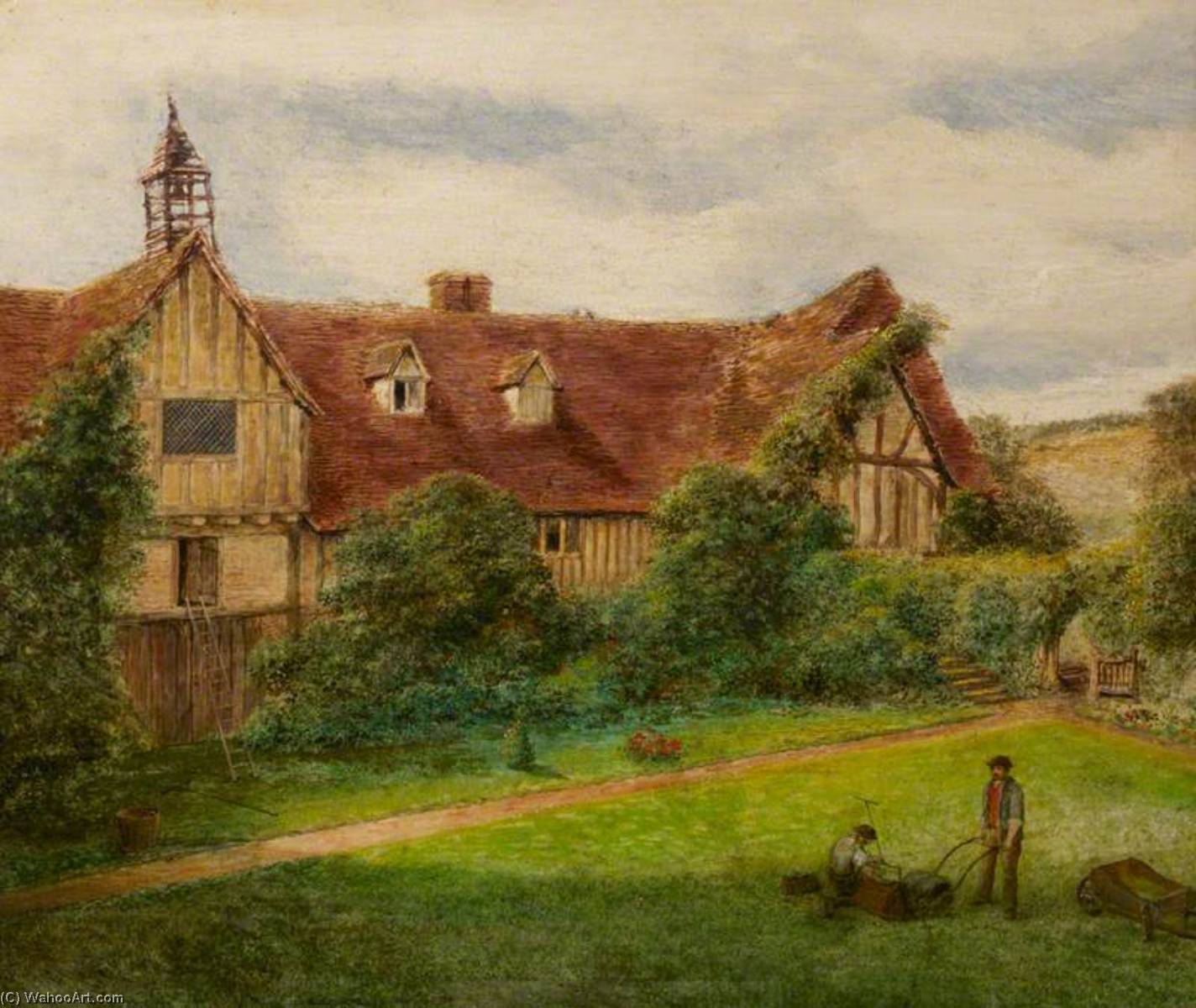
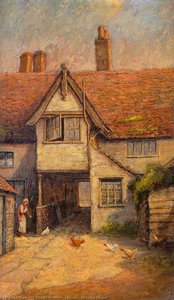
The Cottages, Ightham Mote
 Oil On Canvas
- WallArt
- Pastoral Painting
 1860
1860 43.0 x 49.0 cm
 ナショナル・トラスト
 詳細を見る
詳細を見る
オンラインプレビューをはるかに凌ぐ、高解像度で鮮明なデジタル画像をご購入いただけます。
各ファイルは、社内の専門家が高度なツールと熟練した手作業によるレタッチを用いて、細心の注意を払って準備されています。すべての画像において、卓越した鮮明度、正確な色彩再現性、そして繊細なディテールを保証いたします。
最終ファイルは、プロフェッショナルな編集・印刷環境ですぐにご利用いただけるよう最適化された状態で、72時間以内にメールにてお届けいたします。これは、一流のデザインスタジオ、出版社、ギャラリーから信頼されているものと同等の品質です。
デジタル画像のご注文に付随する特典
高品質なデジタル画像配信を、確かな品質で。
ArtsDot.com を選ぶことは、単に画像を手に入れることではありません。それは、プロの手によって精密に仕上げられ、満足保証が付いた高品質なデジタルアートワークを受け取ることを意味します。ご注文いただいた際に自動的に付随する内容は、以下の通りです:

メールですぐにお届け
ご注文から72時間以内に、高解像度のデジタル画像ファイルがメールでお手元に届きます。すぐにそのままご利用いただけます。

AI技術で最適化されたデジタルファイル
お客様の作品は、高度なAIツールと専門家による手作業の編集を組み合わせてプロフェッショナルに最適化されており、細部のディテール、鮮明さ、そして正確な色再現性を最大限に引き出しています。

一生涯無料の再送サービス
ファイルを誤って削除したり、紛失してしまったりしましたか?ご安心ください。いつでも無料で再送いたします。

輸入手数料は一切かかりません
関税や手数料、配送料を気にすることなく、お気に入りのアートワークをすぐにお楽しみいただけます。デジタルダウンロードは常に免税です。

色彩再現の保証
プロ仕様のツールとカラーマネジメント技術を用いることで、デジタル画像が元の色を最大限に忠実に再現することを保証いたします。

60日間満足保証
ご購入いただいたデジタル画像にご満足いただけない場合は、60日以内であれば、修正または100%の返金(理由を問う必要はありません)をさせていただきます。

100% 返金保証
ご満足いただけない場合は、デジタルファイルを受け取ってから60日以内であれば、理由を問わず全額返金いたします。

まとめ買い割引
3枚購入で10%OFF - 5枚購入で15%OFF - 10枚以上購入で20%OFF。クリエイティブなプロジェクト、ギャラリー、エージェンシーに最適です。
作品の詳細
James Nasmyth’s “The Cottages, Ightham Mote”: A Pastoral Vision of Victorian England
“The Cottages, Ightham Mote” by James Nasmyth (1860) stands as a quintessential example of Victorian pastoral art—a genre dedicated to celebrating the beauty and tranquility of rural landscapes. More than just a picturesque depiction, this oil painting embodies a profound appreciation for craftsmanship and an idealized vision of English countryside life during a period marked by rapid industrialization. Located within Ightham Mote National Trust Estate in Kent, England, it’s a testament to Nasmyth's ability to capture not merely what he saw but also the spirit of his time.Composition and Style: Constable Inspired Elegance
Nasmyth’s masterful composition echoes the influence of John Constable, another prominent landscape painter who championed naturalism alongside romantic sentimentality. The cottage itself—a modest dwelling constructed around 1475—dominates the central frame, positioned strategically against a backdrop of rolling hills and mature trees. This balanced arrangement prioritizes visual harmony, guiding the viewer’s eye across the canvas with ease. Lines are predominantly soft and flowing, characteristic of Nasmyth's brushstrokes which prioritize atmosphere over precise detail – a deliberate choice reflecting the broader artistic movement of Impressionism, albeit executed with a more restrained palette and technique. The overall style leans towards romantic idealism, conveying a sense of nostalgia for a simpler past while simultaneously celebrating the enduring charm of rural England.Technique: Oil Paintsmanship and Textured Surfaces
The artwork is executed in oil paint on canvas, utilizing a technique that emphasizes texture and luminosity. Nasmyth’s meticulous layering of pigments creates visible brushstrokes—a hallmark of Victorian painting—resulting in surfaces rich with tactile qualities. The artist skillfully renders the textures of grass, foliage, and particularly the weathered thatch roof of the cottage, conveying an impression of materiality and authenticity. Careful attention to light is evident throughout the piece; diffused illumination casts a gentle glow upon the scene, fostering a feeling of serenity and tranquility—a deliberate stylistic element intended to evoke emotions associated with pastoral idylls. The artist’s meticulous approach ensures that every detail contributes to the painting's immersive quality.Symbolism: Domestic Tranquility and Connection to Nature
Beyond its aesthetic beauty, “The Cottages, Ightham Mote” carries symbolic weight. The cottage represents home—a bastion of comfort and stability amidst the turbulent currents of Victorian society—while the surrounding garden symbolizes abundance and cultivation—reflecting a humanist belief in the importance of harmony between humanity and nature. Figures engaged in gardening subtly reinforce this connection to the land, suggesting an appreciation for rural traditions and values. Nasmyth’s depiction isn't merely observational; it’s infused with emotional resonance, conveying a yearning for unspoiled landscapes and a celebration of the virtues associated with pastoral life—themes that resonated deeply within Victorian culture.Historical Context: Industrial Revolution Meets Romantic Idealism
Painted during the height of the Industrial Revolution, “The Cottages, Ightham Mote” presents a counterpoint to the burgeoning factories and urban sprawl of the era. It embodies a reaction against the perceived dehumanizing effects of industrial progress—a desire to recapture a sense of connection to the natural world that was increasingly threatened by technological advancement. Nasmyth’s artistic vision reflects the broader cultural preoccupation with preserving traditional values and celebrating beauty in rural settings – an enduring legacy of Victorian Romanticism. The painting serves as a poignant reminder of a bygone era, capturing its spirit of contemplation and appreciation for the simple pleasures of life.関連作品
作家の略歴
Early Life and Education
- Born: August 19, 1808, Edinburgh, United Kingdom
- Died: May 7, 1890
- Parents: Alexander Nasmyth (painter) and Barbara Foulis
- Early exposure to mechanics through his father’s workshop.
- Attended the Royal High School in Edinburgh.
- Studied at the Edinburgh School of Arts (later Heriot-Watt University), demonstrating early mechanical aptitude.
- Constructed a working model of a high-pressure steam engine at age 17, showcasing his skills.
Career and Inventions
- Apprenticed to Henry Maudslay in London, gaining experience in machine manufacturing.
- Established his own machine shop in Manchester in 1834.
- Founded Nasmyth, Gaskell and Company (Bridgewater Foundry) in 1836, specializing in machine tools and steam engines.
- Major Invention: The Steam Hammer – revolutionized iron forging by significantly reducing processing time and improving quality. Patented in 1842.
- Manufactured over 100 steam locomotives and various other machines like pumps and hydraulic presses.
- Developed pile drivers for marine construction projects.
Artistic Pursuits and Later Life
- Retired at age 48 to Penshurst, Kent in 1856.
- Dedicated himself to hobbies including astronomy, photography, and painting.
- Authored "The Moon: Considered as a Planet, a World, and a Satellite" (1874), demonstrating his interest in astronomical observation.
- Created detailed drawings and illustrations of machinery throughout his career, showcasing artistic talent alongside engineering skills.
Influences and Historical Significance
- Influence: Henry Maudslay – Nasmyth’s apprenticeship under Maudslay provided crucial experience in precision machining.
- Impact: The steam hammer significantly advanced the Industrial Revolution, enabling larger-scale metalworking operations.
- Contribution to Engineering: Emphasized efficiency and control in machinery design.
- Legacy: Recognized as a key figure in British engineering and innovation during the Victorian era.
Philosophical Views and Opposition to Organized Labor
- Nasmyth held strong views on labor, opposing organized labor movements.
- He believed in individual effort and responsibility rather than collective bargaining.
- His philosophical stance reflected a broader perspective prevalent among industrialists of his time.
- These beliefs shaped his approach to managing his workforce and contributed to his overall legacy.
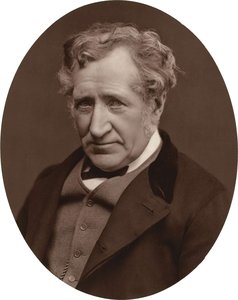
James Nasmyth
1808 - 1890 , United Kingdom
プロフィール概要
- Artistic Movement Or Style: Engineer and Inventor
- Artists Who Influenced This Artist: ['Henry Maudslay']
- Date Of Birth: August 19, 1808
- Date Of Death: May 7, 1890
- Full Name: James Hall Nasmyth
- Nationality: Scottish
- Place Of Birth: Edinburgh, United Kingdom

