

 プレビュー
プレビュー
 シェアする
シェアする シェアする
シェアする
 詳細を見る
詳細を見る

 ダウンロード
 似ている作品
 X線調査
X線調査 スライドショー
 Stats
StatsFlamingo Capsule
 Oil On Canvas
- WallArt
- Pop Art
 1970
1970- Modern
 701.0 x 290.0 cm
 グッゲンハイム美術館ビルバオ
 詳細を見る
詳細を見る
ジークレー/アートプリント
迅速な制作と多彩な仕上げオプションを備えた、ミュージアムクオリティのジークレーまたはキャンバスプリント。 ( 手描きの絵画を購入 Switch to Digital Image)




P118B $10

P118H $10

P118W $10

P438Z $10

P508JH $12

P508YH $12

P805H $10

P805Z $10

P919BZ $10

P919G $10

P919XJ $10

P959ZH $10

P968JZ $12

W106C $8

W218G $10

W218JH $8

W218Y $10

W307PJ $10

W316G $10

W316PJ $8

W316Y $10

W398PJ $8

W4111J $10

W500HY $15

W500JH $15

W692G $12

W849H $8

W940BG $15

W953PJ $8




作品のオリジナル比率に合わせた、当店の規定サイズからお選びください。

特定のフレームやスペースに合わせて、ご自身でサイズを指定することも可能です。選択されたサイズが元の画像の比率と一致しない場合、作品をトリミングするか、鏡面反射または単色での塗りつぶしによって画像を拡張いたします。制作を開始する前に、ご確認用のデジタルモックアップをお送りいたします。
画面上のプレビューには、実際のトリミングや拡張は反映されませんのでご注意ください。最終的な構図を正確に確認できるのは、モックアップのみとなります。
カスタムサイズも承っておりますが、元の比率を維持するためには、あらかじめ用意されたリストからサイズを選択することをお勧めいたします。


 ガラスオプションは、110cm未満のサイズでのみご利用いただけます。

Flamingo Capsule
ジークレー/アートプリント
複製画のサイズ
-


合計金額
$ 62
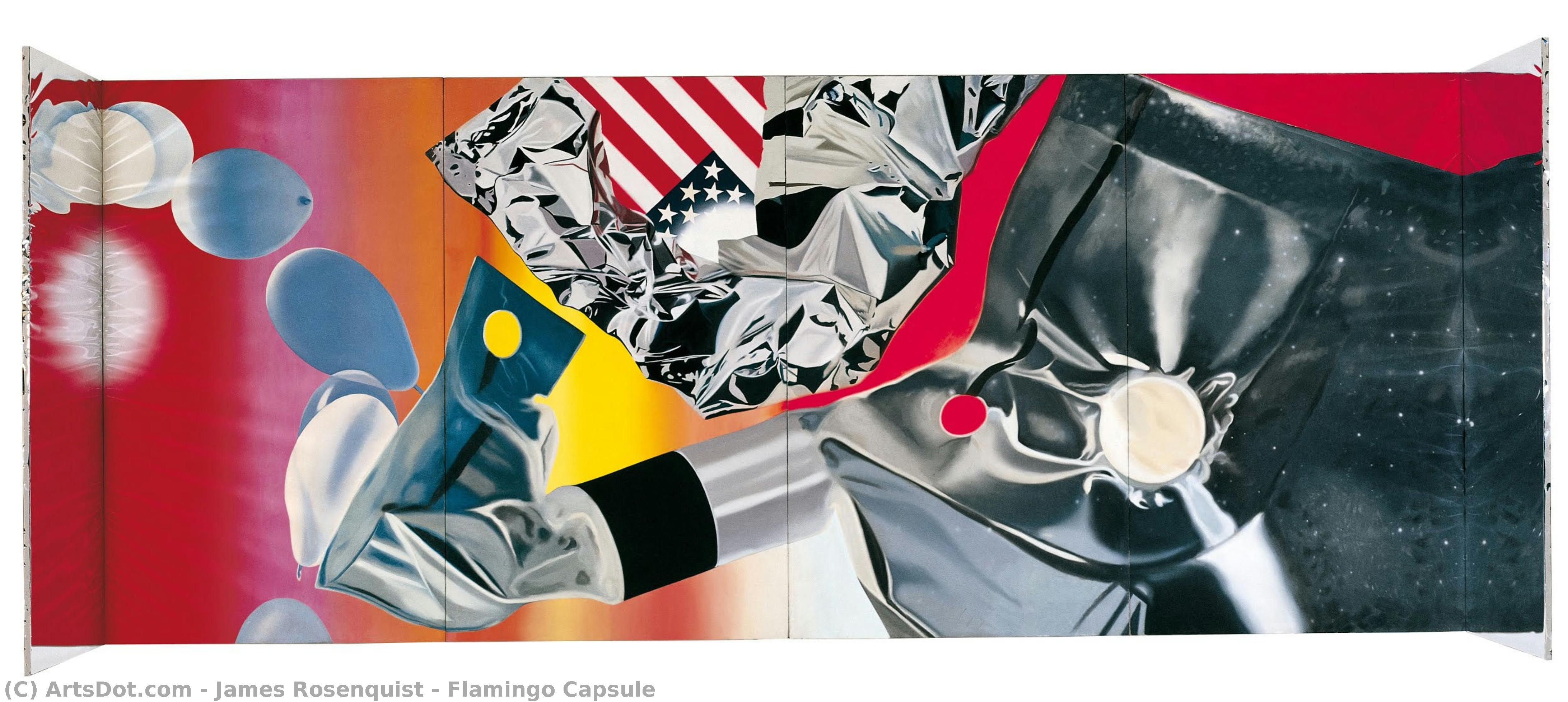
Flamingo Capsule: A Monumental Reflection on Tragedy and Technological Ambition
James Rosenquist’s *Flamingo Capsule*, completed in 1970, stands as a striking testament to the artist's fascination with both the mundane realities of American culture—specifically advertising—and the profound implications of space exploration. Measuring an impressive 290 x 701 x 98.5 cm, this monumental canvas commands attention and invites contemplation on themes of loss, resilience, and the relentless march of progress. Rosenquist’s approach to artmaking was deliberately antithetical to the prevailing Abstract Expressionist movement; he eschewed spontaneity for meticulous planning, employing techniques borrowed from sign painting—a craft rooted in precision and repetition—to create a visual language that simultaneously celebrates and critiques the dominant aesthetic sensibilities of his time.- Style: Rosenquist’s work embodies New Realism, rejecting illusionistic representation in favor of fragmented imagery and collage-like compositions. This stylistic choice aligns with his broader interest in blurring the boundaries between art and everyday life, mirroring the pervasive influence of commercial culture on the visual landscape.
- Technique: The painting utilizes oil paint on canvas combined with aluminized Mylar panels—a material commonly employed in aerospace applications—to achieve a remarkable textural effect. Rosenquist meticulously applied pigment to create layered surfaces that capture subtle variations in color and tone, while the aluminized Mylar adds reflectivity, extending the visual scope of the artwork beyond its physical dimensions.
- Historical Context: *Flamingo Capsule* emerged during a period marked by intense optimism regarding space exploration following Sputnik’s launch in 1957. Rosenquist deliberately referenced this pivotal moment in history—the tragic Apollo 1 fire—incorporating imagery associated with NASA and the American flag into his composition.
- Recommended Reproduction Size: For optimal visual impact, consider reproducing *Flamingo Capsule* in a large format—approximately 30 x 60 inches—to capture the painting’s monumental scale and textural richness.
- Interior Design Considerations: The artwork's bold color palette and dynamic composition lend themselves particularly well to contemporary interior spaces characterized by minimalist aesthetics and geometric forms.
関連作品
アーティストの略歴
幼少期とビジョンの種
1933年、ノースダコタ州グランドフォークスに生まれたジェームズ・ローゼンクイストは、アメリカ美術界において極めて重要な人物として登場しました。彼はしばしば、既存の枠組みによる安易な分類を拒み続けてきました。彼の幼少期は絶え間ない移動とともにありました。スウェンの血を引くアマチュアパイロットであった両親、ルイとルース・ローゼンクイストは、仕事の赴くままに各地を転々とし、最終的にミネソタ州ミネアポリスに定住しました。この放浪的な生活は、おそらく若きジェームズに独特の視点を与えたのでしょう。それは、後に彼の芸術の隅々にまで浸透することになる、イメージや経験の「儚さ」に対する鋭い意識でした。画家でもあった母親は、彼の初期の芸術的傾向を育み、その才能を見出して、後の画期的なキャリアへと開花させる手助けをしました。中学生の頃に得たミネアポリス・スクール・オブ・アートへの奨学金が最初の正式な訓練となり、その後1952年から1954年にかけてミネソタ大学で学びました。しかし、彼の芸術的軌道を真に動かしたのは、1955年のアート・ストゥデンツ・リーグの奨学金によるニューヨークへの移住でした。そこでエドウィン・ディキンソンやジョージ・グロスといった師の下、彼は当初抽象表現主義を探求しました。それは、彼が最終的に辿り着く全く異なる道への、技術的な基礎を築くプロセスでもありました。初期の苦難の中で、彼は運転手として働く時期もありましたが、その後「国際画家・関連職人組合」に加入したことは、一見すると現実的な選択に見えながらも、彼の芸術的発展において予想外に決定的な役割を果たすこととなったのです。ビルボードから記念碑的なヴィジョンへ
1957年から1960年にかけて、ローゼンクイストがタイムズスクエアのビルボード(広告看板)を描き続けた年月は、彼にとって変革の時期でした。アートクラフト・ストラウス社において彼は急速に昇進し、リードペインターとして、大規模な商業芸術の技法を習得しました。これらの技法は、後に彼がファインアートの領域において、見事に覆し、高みへと引き上げるものとなります。これは単なる仕事ではありませんでした。それは、大胆な色彩、断片化されたイメージ、そして説得力に満ちた、広告という視覚言語への没入体験だったのです。彼は人々の目を引くために、スケール、構図、色彩を操る術を学びました。これらのスキルは、後に彼の成熟したスタイルの代名詞となりました。しかし、足場での事故による友人の死という悲劇的な出来事が、ローゼンクイストに商業的な仕事から離れ、個人の芸術プロジェクトに全力を注ぐ決断を促しました。それでも、彼はビルボードの世界を捨て去ることはありませんでした。むしろ、その本質を自身の絵画へと持ち込み、その技法やイメージ、そして記念碑的なスケール感を維持し続けたのです。彼は、十代の頃にノースダコたやウィスコンシンでフィリップス66の看板を描いていたことを回想しており、商業芸術が持つ力との初期の結びつきを示しています。この背景こそが、広告に対して皮肉や批判的な態度で接することが多かった他のポップ・アーティストたちと、彼を分かつ特徴となりました。ローゼンクイストと広告との関係はより複雑なものでした。それは、親密な知識から生まれた「魅了」だったのです。ポップ・アートの先駆者:断片化と文化的批評
ローゼンクイストは、ポップ・アート運動の主要な人物として正当に認められていますが、自身が特定の型にはめられることには一貫して抵抗してきました。彼の作品は、大衆的なイメージを引用する点でアンディ・ウォーホルやロイ・リキテンスタインといったアーティストと親和性を持っていますが、そのアプローチは極めて独創的でした。彼は単にイメージを複製したのではなく、それらを断片化し、予期せぬ方法で並置し、さらに拡大させることで、超現実的で夢のような質感を持つ大規模なモンタージュを作り上げました。彼の絵画は、単なる消費文化の描写ではありませんでした。それは、消費文化が人間の精神に及ぼす蔓延した影響力、すなわち、人を圧倒し、方向感覚を失わせる力の探求だったのです。評価と不朽の遺産
ローゼンレクイストの芸術的な突破口は、1960年代初頭の一連の展覧会によってもたらされました。これには1962年と1963年のグリーン・ギャラリーでの個展が含まれます。しかし、彼を国際的な名声へと押し上げたのは、1965年のレオ・カステッリ・ギャラリーでの展示であり、そこでは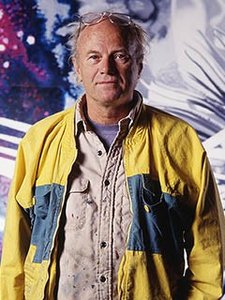
ジェームズ・ローゼンクイスト
1933 - 2017
基本情報
- Artistic Movement Or Style: ポップアート
- Artists Or Movements Influenced By This Artist: ['ポップアートのアーティスト']
- Artists Who Influenced This Artist:
- エドウィン・ディンキン
- ジョージ・グロス
- Date Of Birth: 1933年11月29日
- Date Of Death: 2017年3月31日
- Full Name: ジェームズ・ローゼンクイスト
- Nationality: アメリカ
- Notable Artworks:
- F-111
- Target II
- Paper clip
- Waves
- Place Of Birth: アメリカ合衆国、グランドフォークス
関連記事

Sir Alfred Munnings' Masterpieces: 25 Paintings That Define Equine Art | ArtsDot
Explore 25 iconic Sir Alfred Munnings paintings! Discover the beauty of British Impressionism, equine art & rural England. Find museum-quality reproductions and elevate your home decor with ArtsDot. Explore the full collection online.
Pop Surrealism: A Collision of Culture, Dreams & the Subconscious in Post-War Art
Explore the captivating world of Pop Surrealism with ArtsDot. Discover key artists like George Condo & Robert Williams, investment potential, and the movement's cultural impact. Expert insights for collectors.
ジェームズ・マクニール・ホイストラー:至高の25選 - 美と調和を求めた芸術家の軌跡 | ArtsDot
ジェームズ・マクニール・ホイストラーの至高の25選。ノクターン、印象派、美しい色彩に満ちた作品群を紐解きます。ArtsDotで高品質なアートプリントとインテリアをお楽しみください。名画の世界へ – ArtsDot.com
Challenging Conventions: Pop Art's Origins, Evolution & Enduring Legacy
Explore the fascinating history of Pop Art, from its rebellious origins to its enduring influence on contemporary artists. Discover key figures like Warhol & Lichtenstein and learn about collecting this iconic movement.
ロイ・リキテンスタイン傑作25選:ポップアートの革新と現代美術への影響 | ArtsDot
ロイ・リキテンスタインの傑作25選。ポップアートを代表する画家、その技法と時代背景を紐解きます。ベンデイ・ドット、コミック表現…ArtsDotで高品質な複製画やインテリアアートを見つけ、空間にモダンアートの息吹を吹き込みましょう。全作品はこちらから: ArtsDot.com