

 プレビュー
プレビュー
 シェアする
シェアする シェアする
シェアする
 詳細を見る
詳細を見る

 ダウンロード
 似ている作品
 X線調査
X線調査 スライドショー
 統計情報
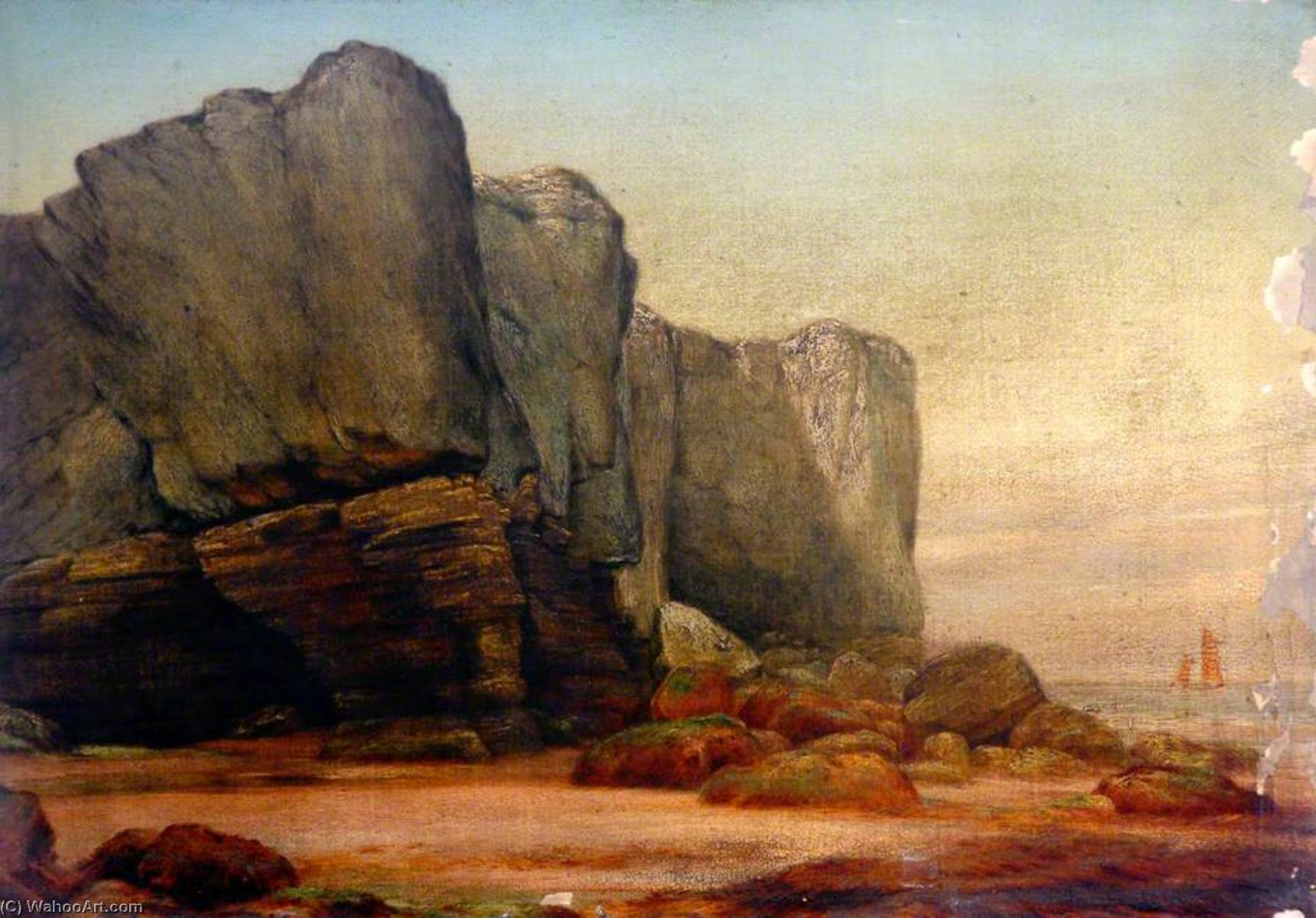
統計情報Cliffs of the Fairies' Kettle, Cumbria
 47.0 x 67.0 cm
 詳細を見る
詳細を見る
手描き油彩複製画
当社のアーティストが、お客様のご希望のサイズと額縁に合わせて、キャンバスに手描きで制作する油彩画です。 ( プリント版に切り替え デジタル画像販売へ切り替え)




































作品のオリジナル比率に合わせた、当店の規定サイズからお選びください。

特定のフレームやスペースに合わせて、ご希望のサイズをご入力いただけます。選択されたサイズが元の画像の比率と異なる場合、アートワークをトリミングするか、手描きで要素を追加して絵画を拡張いたします。デジタルモックアップ を制作し、制作開始前にご確認(承認)をいただきます。
画面上のプレビューは、実際のトリミングや拡張を正確に反映しているものではありません。最終的な構図は、モックアップによってのみ正確にご確認いただけます。
カスタムサイズもご利用いただけますが、元の比率を維持するためには、あらかじめ用意されたリストからサイズを選択することをお勧めいたします。
ご注文後、ArtsDot.com チームより詳細な指示をお送りするとともに、仕上がりイメージ(モックアップ)をご提供いたします。


 ガラスオプションは、110cm未満のサイズでのみご利用いただけます。

Cliffs of the Fairies' Kettle, Cumbria
複製技法
複製画のサイズ
-


合計金額
$ 263
関連作品










アーティストの略歴
James Shotton: A North Shields Visionary of the Victorian Landscape
James Shotton (1824-1896) wasn’t a name etched in the annals of grand artistic movements, yet his work possesses a quiet, enduring power. Born in the bustling port town of North Shields, Northumberland, he represents a fascinating confluence of regional identity, Dutch Masters' influence, and a deeply observant eye for the natural world. Shotton’s life was inextricably linked to his surroundings – the rugged coastline, the coal-rich landscapes, and the vibrant community of his hometown all served as constant sources of inspiration. His career, largely self-directed, reveals an artist who prioritized meticulous detail and atmospheric rendering over seeking fame or fortune, a dedication that ultimately shaped a remarkably consistent and compelling body of work.Early Life and Artistic Foundations
Shotton’s artistic journey began modestly, displaying a remarkable talent for drawing from his earliest years. Unlike many artists who pursued formal training at prestigious academies, Shotton honed his skills through self-study and observation. He apprenticed as a draughtsman in Newcastle, gaining practical experience in architectural design and technical illustration – disciplines that undoubtedly informed his later landscape work with their emphasis on perspective and spatial relationships. Crucially, he developed a deep appreciation for the Dutch Masters, particularly the meticulous detail and atmospheric effects of artists like Rembrandt and Jacob van Ruisdael. This influence is readily apparent in Shotton’s compositions, which often feature diffused light, subtle tonal shifts, and an almost photographic realism. His early exposure to the industrial landscape of North Shields – a region undergoing rapid transformation due to coal mining – likely fostered a sensitivity to both beauty and decay, themes that would later permeate his work.The Cullercoats Artists’ Colony and Regional Identity
In 1869, Shotton became associated with the Cullercoats Artists' Colony, a group of local artists who gathered along the coastline near Newcastle. This environment proved pivotal in shaping his artistic development. The colony fostered a spirit of experimentation and collaboration, encouraging artists to explore their regional identity through landscape painting. Shotton’s work during this period is characterized by an intimate understanding of the Northumberland coast – its dramatic cliffs, sheltered coves, and ever-changing light. He captured not just the visual appearance of these places but also the sense of place, conveying a deep connection to the land and sea. His paintings of North Shields itself—the bustling harbor, the industrial docks, and the everyday lives of its inhabitants—offer a valuable glimpse into the social and economic realities of the town during the Victorian era.Notable Works and Artistic Techniques
Shotton’s oeuvre is notable for its remarkable consistency in style and subject matter. He frequently depicted scenes from Northumberland, including dramatic coastal views, detailed studies of local flora and fauna, and portraits of prominent figures within his community. His most celebrated works include “A mound of even-sloping side wherein a hundred stately beeches grew,” a meticulously rendered depiction of a woodland scene that showcases his mastery of light and shadow; "Sandstone of the Coal Measures of Northumberland," which captures the rugged beauty of the region’s geological formations; and his evocative portraits, such as those of Thomas Haswell, a North Shields songwriter. Shotton's technique was characterized by painstaking detail, achieved through numerous layers of thin glazes applied to the canvas. He employed a limited palette—primarily browns, greens, blues, and grays—to create atmospheric effects and convey a sense of depth and realism. His work also demonstrates an impressive understanding of composition, using diagonal lines and carefully placed elements to draw the viewer’s eye into the scene.Legacy and Historical Significance
Despite his relative obscurity during his lifetime, James Shotton's legacy has been steadily recognized in recent decades. His paintings are now housed in significant collections, including those of North Tyneside Council and the Northumberland Archives. Shotton’s work offers a unique perspective on Victorian England—a testament to the beauty found within the industrial landscape and the enduring connection between people and their environment. He represents a vital link in the chain of British landscape painting, bridging the gap between the grand traditions of the Royal Academy and the more localized concerns of regional artists. His dedication to meticulous observation and atmospheric rendering ensures that his paintings continue to resonate with viewers today, offering a glimpse into a bygone era and a profound appreciation for the natural world.
james shotton
1824 - 1896
基本情報
- Artistic Movement Or Style: British Landscape Art
- Artists Or Movements Influenced By This Artist:
- Raphael
- Titian
- Artists Who Influenced This Artist: ['William Holman Hunt']
- Date Of Birth: 1824
- Date Of Death: 1896
- Full Name: James Shotton
- Nationality: British
- Notable Artworks:
- Sandstone of the Coal Measures
- A mound of even-sloping side
- Saint Catherine (after Raphael)
- Giuseppe Garibaldi
- Place Of Birth: North Shields, UK