

 プレビュー
プレビュー
 プリントを購入
 シェアする
シェアする シェアする
シェアする
 詳細を見る
詳細を見る

 ダウンロード
 似ている作品
 X線調査
X線調査 スライドショー
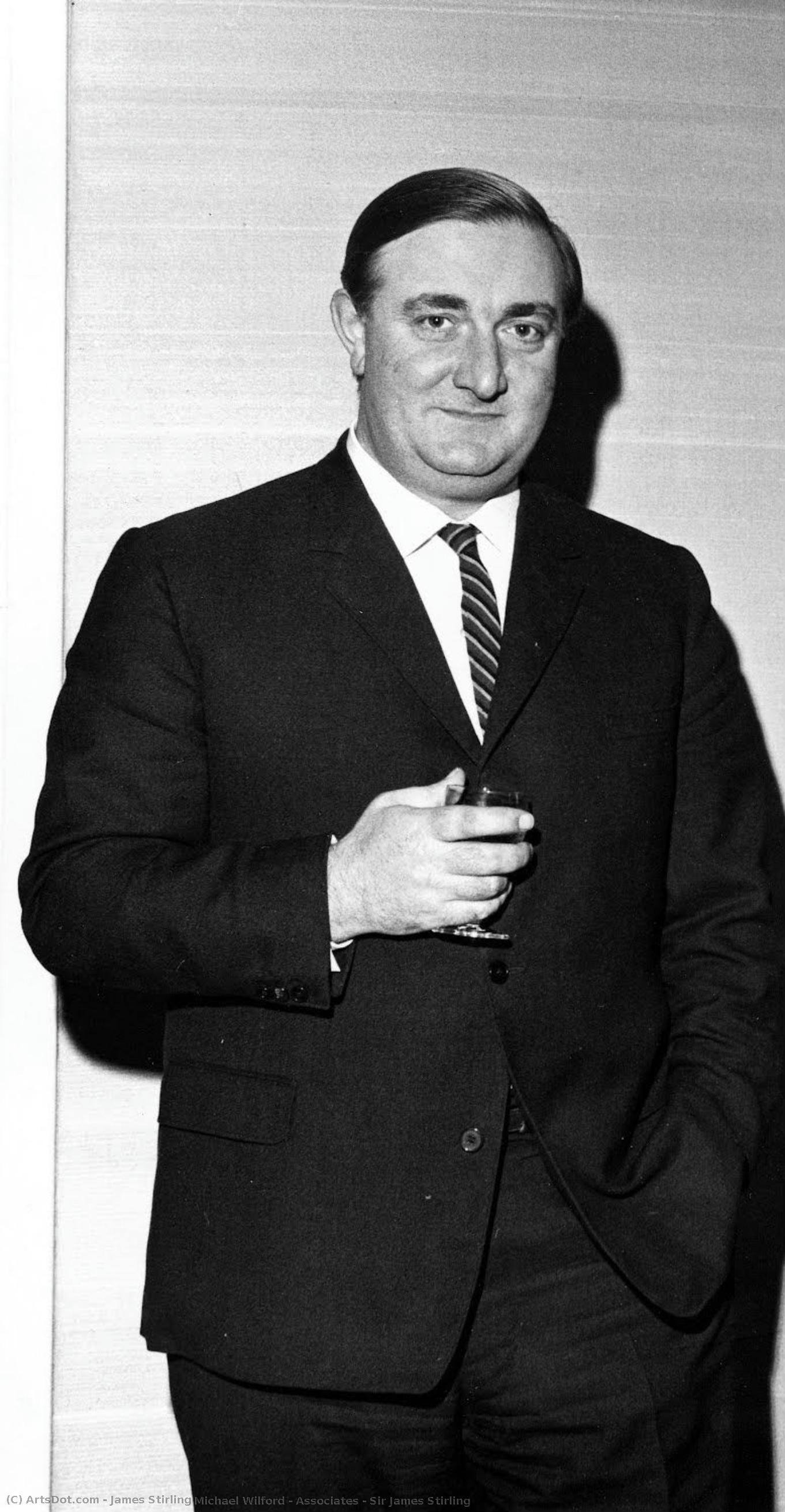
Sir James Stirling


 詳細を見る
詳細を見る
オンラインプレビューをはるかに凌ぐ、高解像度で鮮明なデジタル画像をご購入いただけます。
各ファイルは、社内の専門家が高度なツールと熟練した手作業によるレタッチを用いて、細心の注意を払って準備されています。すべての画像において、卓越した鮮明度、正確な色彩再現性、そして繊細なディテールを保証いたします。
最終ファイルは、プロフェッショナルな編集・印刷環境ですぐにご利用いただけるよう最適化された状態で、72時間以内にメールにてお届けいたします。これは、一流のデザインスタジオ、出版社、ギャラリーから信頼されているものと同等の品質です。
デジタル画像のご注文に付随する特典
高品質なデジタル画像配信を、確かな品質で。
ArtsDot.com を選ぶことは、単に画像を手に入れることではありません。それは、プロの手によって精密に仕上げられ、満足保証が付いた高品質なデジタルアートワークを受け取ることを意味します。ご注文いただいた際に自動的に付随する内容は、以下の通りです:

メールですぐにお届け
ご注文から72時間以内に、高解像度のデジタル画像ファイルがメールでお手元に届きます。すぐにそのままご利用いただけます。

AI技術で最適化されたデジタルファイル
お客様の作品は、高度なAIツールと専門家による手作業の編集を組み合わせてプロフェッショナルに最適化されており、細部のディテール、鮮明さ、そして正確な色再現性を最大限に引き出しています。

一生涯無料の再送サービス
ファイルを誤って削除したり、紛失してしまったりしましたか?ご安心ください。いつでも無料で再送いたします。

輸入手数料は一切かかりません
関税や手数料、配送料を気にすることなく、お気に入りのアートワークをすぐにお楽しみいただけます。デジタルダウンロードは常に免税です。

色彩再現の保証
プロ仕様のツールとカラーマネジメント技術を用いることで、デジタル画像が元の色を最大限に忠実に再現することを保証いたします。

60日間満足保証
ご購入いただいたデジタル画像にご満足いただけない場合は、60日以内であれば、修正または100%の返金(理由を問う必要はありません)をさせていただきます。

100% 返金保証
ご満足いただけない場合は、デジタルファイルを受け取ってから60日以内であれば、理由を問わず全額返金いたします。

まとめ買い割引
3枚購入で10%OFF - 5枚購入で15%OFF - 10枚以上購入で20%OFF。クリエイティブなプロジェクト、ギャラリー、エージェンシーに最適です。
The Enigmatic Figure: Sir James Stirling
The photograph of Sir James Stirling, a pivotal figure in 20th-century architecture, presents more than just a likeness; it’s a carefully constructed portrait of authority, intellect, and a quietly revolutionary spirit. Captured in the mid-1970s, likely by Michael Wilford & Associates, the image immediately draws the eye to Stirling's face – a study in composed confidence. His gaze is direct, almost challenging, suggesting a man accustomed to shaping ideas and influencing design. The formal attire—a dark suit, crisp white shirt, and subtly patterned tie—underscores his professional standing, hinting at a career dedicated to rigorous thought and meticulous execution. Yet, there’s an underlying tension in his posture, a subtle suggestion of intellectual engagement that transcends mere formality.
The photograph's technical elements contribute significantly to its impact. The black-and-white palette emphasizes tonal variations, creating a sense of depth and texture within the fabric of his suit and the nuances of his face. The lighting, soft and diffused, avoids harsh shadows, allowing for a detailed examination of his features while maintaining an overall air of dignified composure. The composition itself is restrained, focusing entirely on Stirling – a deliberate choice that amplifies his presence and invites contemplation.
Postmodernism’s Architect: James Stirling's Context
To fully appreciate this portrait, it’s crucial to understand the historical context in which James Stirling operated. Emerging from the shadow of rigid modernism, Stirling, alongside Michael Wilford, spearheaded a movement towards what became known as postmodern architecture. Rejecting the utopian ideals and stylistic austerity of earlier decades, they sought buildings that were deeply rooted in their specific locations, engaging with history, culture, and social context. This photograph embodies this ethos – it’s not simply a portrait; it's a representation of an architect actively engaged with his profession and the world around him.
Research reveals that Stirling was a complex figure, deeply influenced by architectural historians like Reyner Banham, who championed a critical approach to modernism. His work often incorporated elements of classical architecture alongside contemporary materials and techniques, creating buildings that were both familiar and strikingly original. The partnership with Michael Wilford proved instrumental in shaping his vision, allowing him to explore ambitious urban planning projects and design landmark structures across Europe and North America.
Decoding the Details: Symbolism and Technique
Beyond the surface appearance, the photograph is rich in symbolic detail. Stirling’s hand holding a glass – perhaps containing liquid, perhaps simply a gesture of contemplation – suggests an intellectual pursuit, a moment of quiet reflection amidst a demanding career. The slight tilt of his head adds to this sense of engagement, as if he's considering something profound. The photograph itself is a testament to the photographic techniques of the era, utilizing film and careful lighting to capture a nuanced portrayal of a complex personality.
The texture of the fabric—the subtle weave of his suit, the sheen of his tie—is rendered with remarkable detail, inviting the viewer to examine the craftsmanship involved. The plain background serves to isolate Stirling as the primary subject, emphasizing his presence and drawing attention to his expression. It’s a masterful example of portraiture – a carefully constructed image that reveals both the outward appearance and the inner character of its subject.
A Legacy in Form and Thought
Sir James Stirling's legacy extends far beyond the buildings he designed. He was a visionary architect, a critical thinker, and a powerful advocate for a more nuanced and responsive approach to architecture. This photograph serves as a poignant reminder of his intellectual rigor and his unwavering commitment to pushing the boundaries of design. Reproductions of this image offer a unique opportunity to connect with the spirit of a truly exceptional figure in architectural history – a man who dared to challenge convention and shape the built environment for generations to come.
関連作品

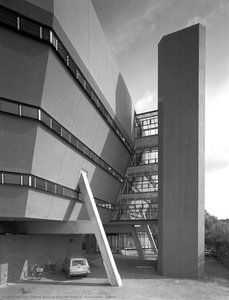
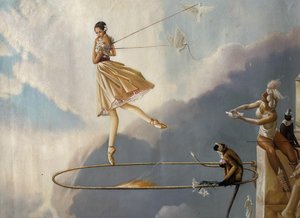
作家の略歴
James Stirling Michael Wilford & Associates: A Legacy of Postmodern Architecture
Early Life and Formation
- James Stirling was born in Glasgow, United Kingdom, in 1926. He studied architecture at the University of Liverpool and later at the Architectural Association School of Architecture in London.
- He initially worked for various architectural practices before forming a partnership with Michael Wilford in 1958. This collaboration proved pivotal to their future success.
- The firm, formally established as James Stirling Michael Wilford & Associates in 1971, quickly gained recognition for its innovative and often unconventional designs.
Artistic Development and Influences
- Stirling and Wilford’s early work demonstrated a rejection of the prevailing modernist orthodoxy. They sought to create buildings that were more responsive to their context, both historical and social.
- Influences included the writings of architectural historians like Reyner Banham, as well as a fascination with vernacular architecture and the playful use of form and color found in earlier periods.
- They were also inspired by the work of architects such as Robert Venturi and Denise Scott Brown, pioneers of postmodernism who challenged the dogmas of modernism.
Major Works and Achievements
- Neue Staatsgalerie (Stuttgart, Germany): Completed in 1984, this museum is considered one of their masterpieces. It boldly combines classical elements with modern materials and a playful arrangement of volumes.
- Sackler Gallery (Washington D.C., USA): This extension to the Smithsonian Institution showcases their ability to sensitively integrate new structures into existing historical contexts.
- Number 1 Poultry (London, UK): Awarded the RIBA Stirling Prize in 1996 (posthumously for Stirling), this building is a landmark example of postmodern urban design. Its colorful facade and distinctive form revitalized a neglected area of the City of London.
- Other notable projects include the Wissenschaftszentrum Berlin, the Arthur M. Sackler Museum at Harvard University, and various university buildings in Germany and the UK.
Historical Significance and Legacy
- James Stirling Michael Wilford & Associates played a crucial role in shaping the development of postmodern architecture. Their work challenged conventional notions of architectural form and function, embracing complexity, ambiguity, and historical reference.
- James Stirling was awarded the prestigious Pritzker Architecture Prize in 1981, recognizing his significant contribution to the field.
- The firm’s designs continue to inspire architects today, demonstrating the enduring power of their innovative and thought-provoking approach. Their buildings are celebrated for their intellectual rigor, visual dynamism, and ability to create engaging public spaces.
- Following Stirling's death in 1992, Michael Wilford continued to lead the firm until his retirement in 2005, ensuring the continuation of their distinctive architectural vision.
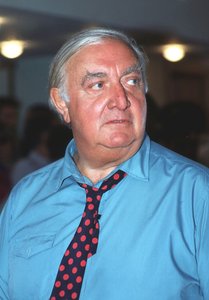
james stirling michael wilford & associates
1926 - 1992 , United Kingdom
プロフィール概要
- Birth Date: 1926
- Birth Place: Glasgow, United Kingdom
- Death Date: 1992
- Movement: Postmodern Architecture
- Name: James Stirling Michael Wilford & Associates
- Nationality: British
- Notable Works:
- Neue Staatsgalerie
- Sackler Gallery
- Number 1 Poultry

