 プレビュー
プレビュー
 プリントを購入
 シェアする
シェアする シェアする
シェアする
 詳細を見る
詳細を見る

 ダウンロード
 似ている作品
 X線調査
X線調査 スライドショー
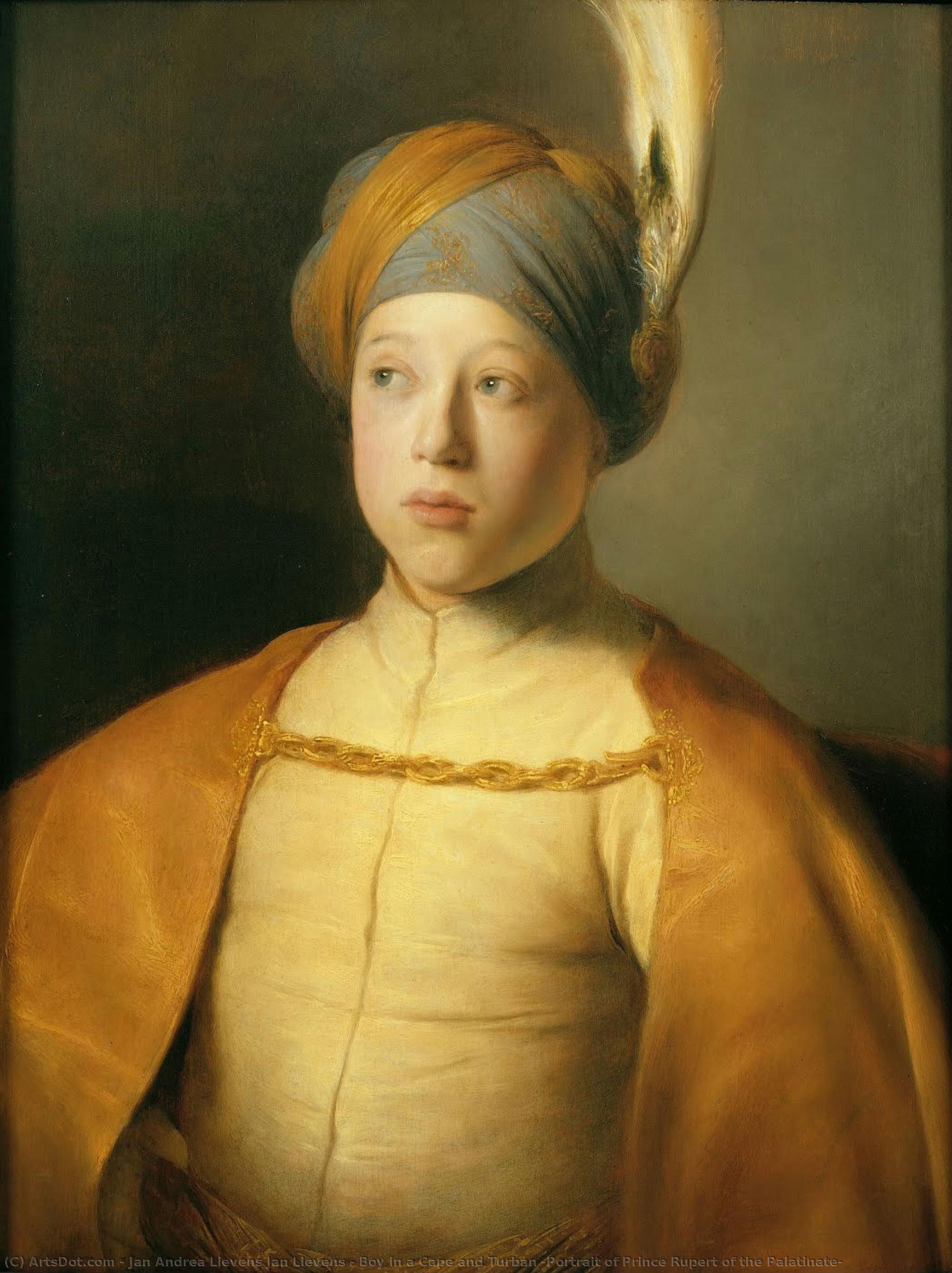
Boy in a Cape and Turban (Portrait of Prince Rupert of the Palatinate)
 Oil On Panel
- Baroque Portraiture
 1631
1631- Renaissance
 66.0 x 51.0 cm
 The Leiden Collection
 詳細を見る
詳細を見る




P118B $10

P118H $10

P118W $10

P438Z $10

P508JH $12

P508YH $12

P805H $10

P805Z $10

P919BZ $10

P919G $10

P919XJ $10

P959ZH $10

P968JZ $12

W106C $8

W218G $10

W218JH $8

W218Y $10

W307PJ $10

W316G $10

W316PJ $8

W316Y $10

W398PJ $8

W4111J $10

W500HY $15

W500JH $15

W692G $12

W849H $8

W940BG $15

W953PJ $8




作品のオリジナル比率に合わせた、当店の規定サイズからお選びください。

特定のフレームやスペースに合わせて、ご希望のサイズをご入力いただけます。選択されたサイズが元の画像の比率と異なる場合、アートワークをトリミングするか、手描きで要素を追加して絵画を拡張いたします。デジタルモックアップ を制作し、制作開始前にご確認(承認)をいただきます。
画面上のプレビューは、実際のトリミングや拡張を正確に反映しているものではありません。最終的な構図は、モックアップによってのみ正確にご確認いただけます。
カスタムサイズもご利用いただけますが、元の比率を維持するためには、あらかじめ用意されたリストからサイズを選択することをお勧めいたします。
ご注文後、ArtsDot.com チームより詳細な指示をお送りするとともに、仕上がりイメージ(モックアップ)をご提供いたします。


 ガラスオプションは、110cm未満のサイズでのみご利用いただけます。

Boy in a Cape and Turban (Portrait of Prince Rupert of the Palatinate)
複製技法
複製画のサイズ
-


合計金額
$ 263
A Portrait of Ambition: Jan Andrea Lievens’ ‘Boy in a Cape and Turban’
Jan Andrea Lievens' “Boy in a Cape and Turban (Portrait of Prince Rupert of the Palatinate)” is more than just a depiction of a young man; it’s a carefully constructed window into the ambitions and anxieties of 17th-century Europe. Painted in 1631, this intimate oil on panel – measuring a modest 66 x 51 cm – reveals the burgeoning talent of a young Dutch artist poised at the cusp of recognition. The subject, identified as Prince Rupert of the Palatinate, isn’t merely presented; he's imbued with an air of calculated seriousness, his gaze fixed directly on the viewer, demanding attention and subtly projecting power.
- The Artist: Jan Andrea Lievens (1607-1674) was a key figure in the Dutch Golden Age, operating within a milieu increasingly influenced by Rembrandt van Rijn. His early training under Joris Verschoten and Pieter Lastman provided him with a solid foundation, while his collaboration with Rembrandt itself – spanning from 1626 to 1631 – undoubtedly shaped his artistic sensibilities.
- A Royal Commission: The portrait’s subject, Prince Rupert, was a prominent military figure and advisor to Maurice of Nassau, the Stadtholder of Holland and Zeeland. Such commissions were highly prestigious, reflecting not only the sitter's status but also the patron’s wealth and influence.
Style and Technique: A Blend of Realism and Baroque Influence
Lievens employs a style that skillfully balances realism with the burgeoning stylistic trends of the Baroque period. The rendering of Prince Rupert’s features – his strong jawline, thoughtful brow, and direct gaze – demonstrates meticulous observation and a desire to capture not just likeness but also character. The use of light and shadow is particularly noteworthy, creating a sense of depth and volume that elevates the portrait beyond a simple representation. Notice the subtle modeling of the fabric of his robe, achieved through careful layering of brushstrokes, contributing to the painting’s tactile quality.
The composition itself adheres to the conventions of portraiture prevalent at the time – a three-quarter pose, allowing for detailed observation of the subject's face and upper body. However, Lievens subtly introduces elements that hint at the Baroque fascination with drama and emotion, particularly through the intensity of Prince Rupert’s expression.
Symbolism and Context: Power, Identity, and the Dutch Golden Age
The turban worn by Prince Rupert is a significant detail, laden with symbolic meaning. In the 17th century, turbans were associated with military prowess, exotic lands, and – crucially – with the Ottoman Empire, representing both admiration and potential threat. This deliberate inclusion underscores Prince Rupert’s role as a military leader and his engagement in international affairs. The yellow robe further emphasizes his status and wealth.
Painted during the Dutch Golden Age, this portrait reflects the era's fascination with portraiture as a means of asserting identity and social standing. It is a testament to the burgeoning merchant class’s desire for recognition and a reflection of the Netherlands’ position as a major European power – a nation engaged in trade, exploration, and military endeavors.
Emotional Impact and Legacy
"Boy in a Cape and Turban" transcends its historical context to offer a compelling study of human character. Prince Rupert's serious expression invites contemplation, prompting us to consider the burdens of leadership and the complexities of ambition. Lievens’ masterful technique ensures that this portrait remains a captivating work of art, offering a tangible connection to a pivotal moment in Dutch history and the artistic brilliance of its time. Its current location within The Leiden Collection underscores its enduring value as a significant example of 17th-century portraiture.
関連作品

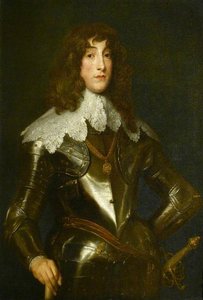
アーティストの略歴
黄金時代に輝いた画家、ヤン・リーヴェンスの生涯
1607年にオランダのライデンで生まれたヤン・アンドレア・リーヴェンス(Jan Andrea Lievens)は、その短い生涯を通して、オランダ絵画の黄金時代に重要な足跡を残した画家です。彼の作品はしばしば同時代の巨匠レンブラントと関連付けられますが、それは単なる比較ではありません。二人は互いに影響を与え合い、競い合いながら、独自の芸術的表現を追求しました。リーヴェンスの才能は幼少の頃から開花し、その卓越した技術とドラマティックな構成は、瞬く間に人々の注目を集めました。初期の教育と才能の開花
1607年10月24日、織物職人の息子として生まれたヤンは、父リーヴェン・ヘンドリクソン(Lieven Hendriksze)の影響を受けながらも、早くから絵画への情熱を育みました。初期の教育はヨリス・フェルショテン(Joris Verschoten)のもとで受け始めましたが、10歳という若さにしてアムステルダムのピーテル・ラストマン(Pieter Lastman)に弟子入りし、2年間の厳しい修行を積みました。ラストマンからの指導はリーヴェンスの基礎技術を高めるだけでなく、歴史画や物語性のある作品への関心を深めました。12歳にして独立した画家として活動を開始すると、コルネリス・ファン・ハーレム(Cornelis van Haarlem)の「デモクリトスとヘラクレイトス」を模写し、母マヒルト・ヤンス・ファン・ノールザント(Machtelt Jans van Noortzant)の肖像画を描き上げ、その才能が認められ、毛利ッツ・ファン・ナッサウ(Maurice of Nassau, Prince of Orange)公爵から絶賛を受けました。レンブラントとの協働と独自の表現の確立
1626年から1631年まで、リーヴェンスはレンブラント・ファン・レイン(Rembrandt van Rijn)と緊密な協力関係を築きました。二人は共同で20点以上の絵画、素描、版画を制作し、互いに刺激を与え合いながら、新たな表現の可能性を探求しました。しかし、この協働は競争的な側面も持ち合わせており、作品の帰属問題を引き起こすこともありました。リーヴェンスはカラヴァッジョ派の影響を受け、劇的な光と影の効果を巧みに用いた構成を得意としましたが、同時に等身大の人物を描写する才能にも長けていました。この時期に制作された作品群からは、レンブラントとの影響を受けつつも、リーヴェンス独自の表現が確立されつつあることがうかがえます。代表作と芸術的遺産
リーヴェンスの代表作としては、「老人の頭(Head of an Old Man)」(ニューオーリンズ美術館所蔵)、 「髭を生やしたベレー帽をかぶった男(Bearded man with a beret)」、そして「赤いターバンと外套を着た少年(Boy in a cape and turban (Portrait of Prince Rupert of the Palatinate))」(ライデン・コレクション、ニューヨーク所蔵)などが挙げられます。これらの作品は、リーヴェンスの卓越した描写力と光の表現力を示すとともに、当時の社会や文化を反映しています。彼の作品はマウリッツハイス美術館(Mauritshuis)やクレマー・コレクション(Kremer Collection)をはじめとする世界中の美術館に所蔵されており、オランダ絵画の黄金時代を代表する画家としての地位を確立しています。リーヴェンスは1674年にその生涯を閉じましたが、彼の芸術的遺産は今日でも多くの人々に感動を与え続けています。さらなる探求
- ヤン・アンドレア・リーヴェンス(Jan Andrea Lievens Jan Lievens)に関する情報はArtsDotでご覧いただけます。
- オランダのハーグにあるクレマー・コレクション(The Kremer Collection)では、リーヴェンスの作品を包括的に紹介しています。
- ヤン・リーヴェンス(Jan Lievens)に関する詳細な情報はWikipediaでも確認できます。
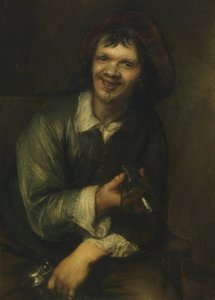
ヤン・リーヴェンス
1607 - 1674 , オランダ
基本情報
- Artistic Movement Or Style: オランダ黄金時代
- Artists Or Movements Influenced By This Artist: ['レンブラント']
- Artists Who Influenced This Artist:
- ピーター・ラーストマン
- ピーテル・パウル・ルーベンス
- Date Of Birth: 1607年10月24日
- Date Of Death: 1674年6月4日
- Full Name: ヤン・アンドレアス・リーフェンス
- Nationality: オランダ人
- Notable Artworks:
- 老人の頭部
- ひげのある男の肖像画
- ターバンの少年
- Place Of Birth (City And Country): オランダ、ライデン
関連記事

黄金世紀の巨匠たち:バロック絵画が彩る10選|ArtsDot
オランダ黄金時代の10大傑作を紐解く!レンブラント、フェルメール…バロック絵画の魅力と時代背景を深く探求。ArtsDotで、至高のアートコレクションと空間演出のヒントを見つけよう。高品質なアートプリントで、お部屋を華やかに。

Golden Age Reflections: Dutch Baroque Painting & Cultural Innovation
Explore the Dutch Golden Age of painting! Discover key artists like Vermeer & ter Borch, their innovative techniques, and the rich cultural context behind these Baroque masterpieces. Learn about collecting & appreciating this iconic art period.

Illuminating Innovation: Exploring the Dutch Golden Age of Painting
Explore the Dutch Golden Age of painting with ArtsDot. Discover Rembrandt, Vermeer & other Masters. Learn about key characteristics, iconic artworks, and lasting influence. Expert insights for collectors & enthusiasts.
Golden Light & Dutch Skies: Bringing the Magic of Dutch Golden Age Landscapes into Your Home
Transform your home with the breathtaking light of Dutch Golden Age landscapes. Discover how hand-painted oil reproductions of masterworks like Ruisdael and Vermeer bring timeless elegance, atmosphere, and soulful texture to modern interiors. Elevate your space with museum-quality art.
Illuminating Realism: Exploring the Dutch Golden Age of Painting (1600-1700)
Explore the Dutch Golden Age of painting (1600-1700) with ArtsDot. Discover Rembrandt, Vermeer & other masters. Learn about techniques, history & find museum-quality reproductions.