

 プレビュー
プレビュー
 プリントを購入
 シェアする
シェアする シェアする
シェアする
 詳細を見る
詳細を見る

 ダウンロード
 似ている作品
 X線調査
X線調査 スライドショー
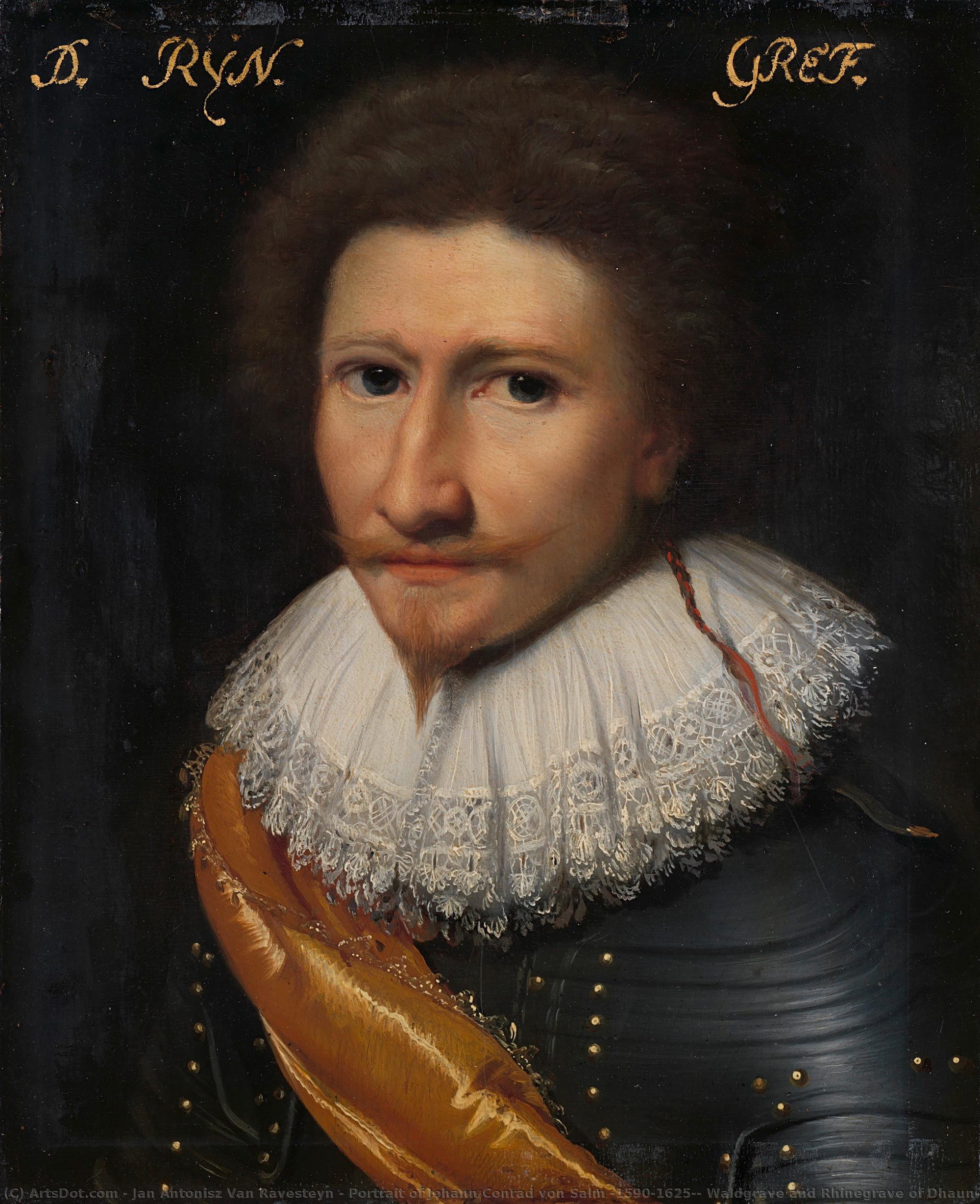
Portrait of Johann Conrad von Salm (1590-1625), Waldgrave and Rhinegrave of Dhaun, Jan Antonisz van Ravesteyn (workshop of), c. 1622 - c. 1625
 Dutch Golden Age
 1625
1625 30.0 x 24.0 cm
 詳細を見る
詳細を見る
オンラインプレビューをはるかに凌ぐ、高解像度で鮮明なデジタル画像をご購入いただけます。
各ファイルは、社内の専門家が高度なツールと熟練した手作業によるレタッチを用いて、細心の注意を払って準備されています。すべての画像において、卓越した鮮明度、正確な色彩再現性、そして繊細なディテールを保証いたします。
最終ファイルは、プロフェッショナルな編集・印刷環境ですぐにご利用いただけるよう最適化された状態で、72時間以内にメールにてお届けいたします。これは、一流のデザインスタジオ、出版社、ギャラリーから信頼されているものと同等の品質です。
デジタル画像のご注文に付随する特典
高品質なデジタル画像配信を、確かな品質で。
ArtsDot.com を選ぶことは、単に画像を手に入れることではありません。それは、プロの手によって精密に仕上げられ、満足保証が付いた高品質なデジタルアートワークを受け取ることを意味します。ご注文いただいた際に自動的に付随する内容は、以下の通りです:

メールですぐにお届け
ご注文から72時間以内に、高解像度のデジタル画像ファイルがメールでお手元に届きます。すぐにそのままご利用いただけます。

AI技術で最適化されたデジタルファイル
お客様の作品は、高度なAIツールと専門家による手作業の編集を組み合わせてプロフェッショナルに最適化されており、細部のディテール、鮮明さ、そして正確な色再現性を最大限に引き出しています。

一生涯無料の再送サービス
ファイルを誤って削除したり、紛失してしまったりしましたか?ご安心ください。いつでも無料で再送いたします。

輸入手数料は一切かかりません
関税や手数料、配送料を気にすることなく、お気に入りのアートワークをすぐにお楽しみいただけます。デジタルダウンロードは常に免税です。

色彩再現の保証
プロ仕様のツールとカラーマネジメント技術を用いることで、デジタル画像が元の色を最大限に忠実に再現することを保証いたします。

100日間満足保証
ご購入いただいたデジタル画像にご満足いただけない場合は、100日以内であれば、修正または100%の返金(理由を問う必要はありません)をさせていただきます。

100% 返金保証
ご満足いただけない場合は、デジタルファイルを受け取ってから100日以内であれば、理由を問わず全額返金いたします。

まとめ買い割引
3枚購入で10%OFF - 5枚購入で15%OFF - 10枚以上購入で20%OFF。クリエイティブなプロジェクト、ギャラリー、エージェンシーに最適です。
関連作品

作家の略歴
A Life Dedicated to Likeness: Jan Antonisz van Ravesteyn and the Dutch Portrait Tradition
Jan Antonisz van Ravesteyn, born in The Hague in 1572, emerged during a pivotal era in Dutch history – the Golden Age. This period witnessed not only burgeoning economic prosperity but also an unprecedented flourishing of artistic talent, particularly in portraiture. Van Ravesteyn dedicated his life to capturing the likenesses of those who shaped this dynamic society, becoming one of the most sought-after portraitists of his time. While details surrounding his early training remain somewhat elusive, it is widely acknowledged that he followed in the footsteps of Michiel Jansz van Mierevelt, a prominent Delft painter renowned for his insightful and dignified portraits. This influence is discernible in Van Ravesteyn’s work, which often exhibits a similar depth of character and meticulous attention to detail. He became a member of the Guild of St. Luke in The Hague in 1598, establishing himself within the artistic community and beginning a career that would span over six decades.The Courtly Portraitist: Commissions and Artistic Style
Van Ravesteyn quickly ascended to prominence as a portraitist favored by the Dutch nobility, particularly the House of Nassau. His workshop became remarkably productive, fulfilling numerous commissions for portraits intended to adorn the residences of royalty and high-ranking officials. This success wasn’t merely due to industriousness; Van Ravesteyn possessed a distinct artistic style that resonated with his patrons. He masterfully balanced realism with an element of idealization, presenting his subjects in a manner that conveyed both their individual characteristics and their social standing. His portraits are characterized by refined brushwork, subtle use of light and shadow, and a keen understanding of human anatomy. A notable example is the *Portrait of Gaspard de Coligny III*, Count of Châtillon sur Loing, part of the Leeuwarden series depicting foreigners in service to the States-General. This work exemplifies his ability to capture not only physical resemblance but also the inner life and personality of his sitter. He even garnered recognition from fellow artists; Sir Anthony van Dyck himself painted a portrait of Van Ravesteyn, a testament to the esteem he held within artistic circles. The competition with Miereveld for commissions underscores Van Ravesteyn’s established skill and reputation during this period.Beyond Likeness: Technique and Influences
Van Ravesteyn's technical prowess extended beyond mere replication of features. He skillfully employed techniques to enhance the perceived status and character of his subjects. The careful selection of fabrics, jewelry, and backgrounds served not only as decorative elements but also as symbols of wealth, power, and social position. His compositions were often carefully balanced, creating a sense of harmony and stability that reflected the order and prosperity of Dutch society. While deeply influenced by Van Mierevelt’s realism, he also demonstrated an awareness of broader artistic trends, incorporating elements of Mannerism in some of his earlier works, such as the stylized treatment of facial features or the use of dramatic lighting effects. The influence of Pieter Pietersz is also noted in his work. He wasn't afraid to experiment with different formats and approaches, as evidenced by the *tondo* format employed in certain portraits, a nod to Renaissance medal-making traditions.A Legacy Continued: Teaching and Artistic Lineage
Van Ravesteyn’s impact extended far beyond his own artistic output. He was a dedicated teacher who nurtured the talents of numerous pupils, ensuring the continuation of his artistic lineage. Among his students were Dirck Abrahamsz., Leendert Barthouts, Adriaen Hanneman, and Johannes Harmensz Borsman – all of whom went on to establish successful careers as portrait painters in their own right. His influence can be seen in the works of these artists, who carried forward his commitment to realism, technical skill, and insightful characterization. In 1656, alongside other dissatisfied painters, he left the Guild of St. Luke to become a founding member of the *Confrerie Pictura*, demonstrating a continued dedication to artistic innovation and collaboration throughout his long career. He died in The Hague in 1657, leaving behind a substantial body of work that continues to be admired for its technical brilliance and historical significance.Enduring Significance: Van Ravesteyn’s Place in Dutch Art History
Jan Antonisz van Ravesteyn occupies a significant position within the pantheon of Dutch Golden Age portraitists. His ability to capture not only the physical likeness but also the inner character and social standing of his subjects made him a favorite among the nobility and elite members of society. His works provide invaluable insights into the lives, values, and aspirations of this transformative period in Dutch history. Today, his paintings can be found in prestigious museums such as the Mauritshuis in The Hague, serving as enduring reminders of his artistic legacy. Through his own creations and the influence he exerted on subsequent generations of artists, Van Ravesteyn left an indelible mark on the landscape of Dutch art, solidifying his place as a master portraitist of the 17th century. His dedication to capturing the essence of his sitters continues to resonate with viewers centuries later.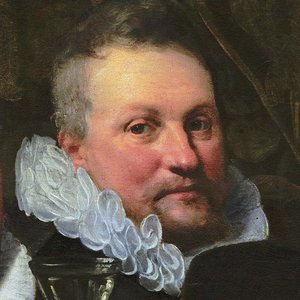
Jan Antonisz van Ravesteyn
1572 - 1657