

 プレビュー
プレビュー
 プリントを購入
 シェアする
シェアする シェアする
シェアする
 詳細を見る
詳細を見る

 ダウンロード
 似ている作品
 X線調査
X線調査 スライドショー
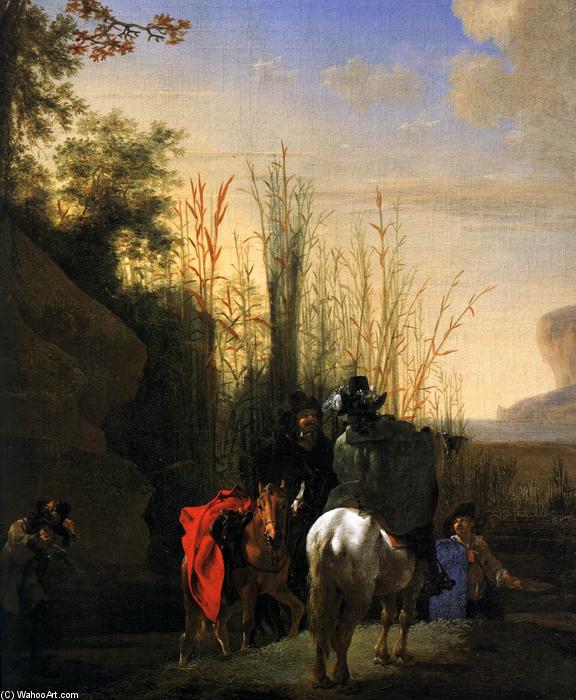
Coastal Scene with Resting Riders (detail)


 詳細を見る
詳細を見る
オンラインプレビューをはるかに凌ぐ、高解像度で鮮明なデジタル画像をご購入いただけます。
各ファイルは、社内の専門家が高度なツールと熟練した手作業によるレタッチを用いて、細心の注意を払って準備されています。すべての画像において、卓越した鮮明度、正確な色彩再現性、そして繊細なディテールを保証いたします。
最終ファイルは、プロフェッショナルな編集・印刷環境ですぐにご利用いただけるよう最適化された状態で、72時間以内にメールにてお届けいたします。これは、一流のデザインスタジオ、出版社、ギャラリーから信頼されているものと同等の品質です。
デジタル画像のご注文に付随する特典
高品質なデジタル画像配信を、確かな品質で。
ArtsDot.com を選ぶことは、単に画像を手に入れることではありません。それは、プロの手によって精密に仕上げられ、満足保証が付いた高品質なデジタルアートワークを受け取ることを意味します。ご注文いただいた際に自動的に付随する内容は、以下の通りです:

メールですぐにお届け
ご注文から72時間以内に、高解像度のデジタル画像ファイルがメールでお手元に届きます。すぐにそのままご利用いただけます。

AI技術で最適化されたデジタルファイル
お客様の作品は、高度なAIツールと専門家による手作業の編集を組み合わせてプロフェッショナルに最適化されており、細部のディテール、鮮明さ、そして正確な色再現性を最大限に引き出しています。

一生涯無料の再送サービス
ファイルを誤って削除したり、紛失してしまったりしましたか?ご安心ください。いつでも無料で再送いたします。

輸入手数料は一切かかりません
関税や手数料、配送料を気にすることなく、お気に入りのアートワークをすぐにお楽しみいただけます。デジタルダウンロードは常に免税です。

色彩再現の保証
プロ仕様のツールとカラーマネジメント技術を用いることで、デジタル画像が元の色を最大限に忠実に再現することを保証いたします。

60日間満足保証
ご購入いただいたデジタル画像にご満足いただけない場合は、60日以内であれば、修正または100%の返金(理由を問う必要はありません)をさせていただきます。

100% 返金保証
ご満足いただけない場合は、デジタルファイルを受け取ってから60日以内であれば、理由を問わず全額返金いたします。

まとめ買い割引
3枚購入で10%OFF - 5枚購入で15%OFF - 10枚以上購入で20%OFF。クリエイティブなプロジェクト、ギャラリー、エージェンシーに最適です。
作品の詳細
A Moment Frozen in Dawn Light: Exploring Jan Asselijn’s “Coastal Scene with Resting Riders”
The Academy of Fine Arts Vienna holds a treasure – Jan Asselijn’s “Coastal Scene with Resting Riders,” painted in 1652. More than just a depiction of horses and grass, this artwork embodies the spirit of its time, reflecting the burgeoning fascination with landscape painting during the Dutch Golden Age and hinting at deeper philosophical considerations concerning humanity's relationship with nature. Examining its stylistic choices, technical prowess, and symbolic resonance offers a window into the artistic sensibilities of seventeenth-century Europe.The Style & Technique: Atmospheric Impressionism Before Its Time
Asselijn’s approach to landscape painting distinguishes itself from earlier conventions. Rather than striving for precise topographical accuracy – a hallmark of Flemish masters – he prioritizes capturing the mood and atmosphere of the coastal environment. This is achieved through masterful use of chiaroscuro, employing subtle gradations of light and shadow to sculpt the forms of the horses and riders against the backdrop of dawn or dusk. The artist’s brushstrokes are loose and expressive, conveying movement and texture without resorting to meticulous detail. Unlike Impressionists who would emerge decades later, Asselijn anticipates a shift toward prioritizing feeling over representation, foreshadowing the Romantic movement's emphasis on emotion and imagination. The canvas itself is treated with considerable care; oil paint was favored for its ability to blend seamlessly and create luminous effects – a technique that lends an ethereal quality to the scene.Historical Context: Huguenot Influence & The Pursuit of Ideal Beauty
“Coastal Scene with Resting Riders” originates from a period marked by significant religious upheaval in Europe. Jean Asselin, born into a Huguenot family fleeing persecution, arrived in Amsterdam during a time when Dutch artists were actively engaging with Italian Renaissance ideals. This exposure profoundly impacted artistic practice, fostering a desire for beauty rooted in classical principles – specifically the concept of ‘Venus’s Garden,’ popularized by Pietro Testa and Giorgio Vasari. The painting reflects this influence through its idealized portrayal of horses and riders, representing not merely animals but also noble virtues like courage and serenity. Furthermore, it speaks to the broader humanist preoccupation with observing and appreciating the natural world as a source of moral inspiration.Symbolism: Horses as Embodiments of Virtue & Tranquility
The choice of horses is deliberate, imbued with symbolic significance beyond their mere appearance. Traditionally associated with nobility, strength, and divine grace, they represent virtues considered essential for achieving spiritual enlightenment. The three riders – each draped in distinctive colors – further amplify this symbolism. Red signifies courage and passion, blue embodies piety and contemplation, while black symbolizes humility and introspection. Their postures convey a sense of repose and camaraderie, suggesting that true nobility lies not only in physical prowess but also in inner harmony. The gentle swaying of the grass underscores the painting’s overarching theme: the restorative power of nature and its capacity to inspire tranquility amidst turbulent times.Emotional Impact: A Vision of Harmonious Existence
“Coastal Scene with Resting Riders” transcends mere visual representation; it aspires to evoke an emotional response in the viewer. The soft dawn light casts a serene glow upon the landscape, fostering a feeling of peace and contemplation. Asselijn’s masterful use of color contributes to this effect, creating a harmonious palette that balances warmth and coolness. More importantly, the painting invites us to consider humanity's place within the grand scheme of existence – reminding us that beauty can be found in simplicity and that true fulfillment resides in aligning oneself with the rhythms of the natural world. It remains a testament to Asselijn’s artistic vision and a captivating glimpse into the intellectual and aesthetic landscape of seventeenth-century Holland.関連作品



作家の略歴
光と影の叙情:ヤン・アッセリンの世界
1610年頃、フランスの港町ディエップでジャン・アセランとして生まれたヤン・アッセリンは、宗教的迫害と芸術探求に彩られた波乱万丈な人生を歩みました。ユグノーであった彼の家族は、1621年に商業と新たな芸術的才能が芽生え始めたオランダの首都アムステルダムに移住します。この移転は画期的な出来事となり、若いジャンを伝統的な表現を超えた、より情緒豊かで大気感あふれる風景画の世界へと誘いました。彼は当初、ヤン・マールツェン младшийに師事し、戦闘場面の技術を磨きましたが、やがて自然の美しさや動物たちの躍動を描くことに真の天職を見出します。アッセリンは幼少期からオランダの光と広大な空に触れ、それが彼の作品の特徴となる要素となりました。しかし、芸術的ビジョンを確立したのは、イタリアへの旅でした。イタリア様式との出会いと「鳥仲間」たち
当時の北ヨーロッパの多くの野心的な画家と同様に、アッセリンもまたイタリアで研鑽を積むことを求めました。おそらく1635年以降のことでしょう。そこで彼は*イタリア様式*—太陽光が降り注ぐ風景、古典遺跡、牧歌的な情景が特徴のジャンル—を完全に受け入れます。そしてローマで活動していたオランダやフランドルの芸術家たちのカラフルな集団、「鳥仲間」(Bentvueghels)の一員となりました。彼らは型破りな行動、風刺的なニックネーム、そしてスタジオでの制作にとらわれず、直接自然から描くことに献身することで知られていました。この賑やかなコミュニティの中で、アッセリンは手の不自由さから「Krabbetje」(小さなカニ)という愛称を与えられますが、創造的には大いに開花しました。彼はピーテル・ファン・ラール(バンボッチョ)のような芸術家の影響を受けました。バンボッチョのローマの農民たちの生活や風景を描いた作品は、アッセリン自身のスタイルに深く共鳴し、彼の作風を形成する上で重要な役割を果たします。この時期は、彼が構成の中に雰囲気、光、そして物語性を表現する能力を高める上で極めて重要でした。光と象徴性の探求:主要な作品
アッセリンは洗練された技術と独自の表現力を持ってアムステルダムに戻りました。彼の絵画は、明瞭な描写と光の巧みな扱いが特徴であり、それがすぐに認められました。彼は歴史や戦闘場面も制作しましたが、風景画や動物画こそが彼を真に際立たせました。1640年代に描かれた「脅かされた白鳥」は、今もなお彼の最も有名な作品です。この絵画は単なる鳥の防衛を描いたものではなく、オランダ国民の抵抗の象徴として力強いメッセージを発信しました。巣を守ろうと積極的に侵入者を撃退する白鳥の姿は、当時の不安を反映し、有力なオランダ政治家ヨハン・デ・ウィットの寓意としても解釈されました。興味深いことに、後世の所有者たちはキャンバスに象徴的な銘文を追加しました—卵の一つには「オランダ」、そして敵対者を意味する犬の隣には「国家の敵」と記され、その政治的背景をさらに強調しています。騎兵隊の夕焼けへの突撃は、彼の初期の戦闘場面での訓練を示しており、ドラマチックな表現が際立っています。また、ローマのコロッセオのアーチの下で家畜を追う人々のような田園生活を描いた作品は、イタリア様式の風景と動物画を美しく融合させています。アムステルダム近郊の聖アントニウス堤防の決壊は、水害という常に存在する脅威と、オランダの土地開拓に必要な創意工夫を捉える彼の能力を示しています。影響と遺産:永続的な印象
ヤン・アッセリンの影響力は、彼自身の多作な作品制作を超えて広がりました。彼は同時代の人々から高く評価され、レンブラントもまた、彼が仕事をしている様子をエッチングで描いています—ただし、注目すべきことに、これらのエッチングではアッセリンの手がぼかされており、彼の身体的な困難に対する配慮があったのかもしれません。彼はまた、フレデリック・ド・ムシェロンという別の著名なオランダの風景画家を指導し、イタリア様式をさらに普及させました。アッセリンは光と大気への革新的なアプローチを通じて、次世代の芸術家に影響を与え、風景画におけるより自然主義的で感情的な深みを追求する道を切り開きました。彼の作品は現在、アムステルダムのライクスミュージアムなどの名高いコレクションに収蔵されており、オランダ黄金時代の重要な人物としての彼の遺産を確固たるものとしています。彼は若くして1652年に亡くなりましたが、その美しさ、ドラマチックな表現、そして微妙な意味合いを持つ作品群は、今もなお観客を魅了し続けています。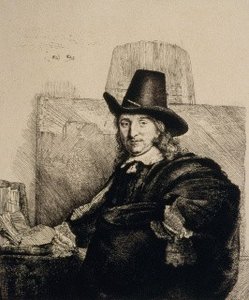
ヤン・アッセリン
1610 - 1652 , フランス
プロフィール概要
- Artistic Movement Or Style: イタリア派風景画
- Artists Or Movements Influenced By This Artist: ['フレデリック・ムーロン']
- Artists Who Influenced This Artist:
- エサヤス・ファン・デル・フェルデ
- バンボッチョ
- レンブラント
- Date Of Birth: 1610年頃
- Date Of Death: 1652年
- Full Name: ヤン・アセリン
- Nationality: オランダ
- Notable Artworks (List Of Titles):
- 脅かされた白鳥
- イタリアの風景
- 日没の騎兵突撃
- Place Of Birth (City And Country): フランス、ディエップ

