

 プレビュー
プレビュー
 プリントを購入
 シェアする
シェアする シェアする
シェアする
 詳細を見る
詳細を見る

 ダウンロード
 似ている作品
 X線調査
X線調査 スライドショー
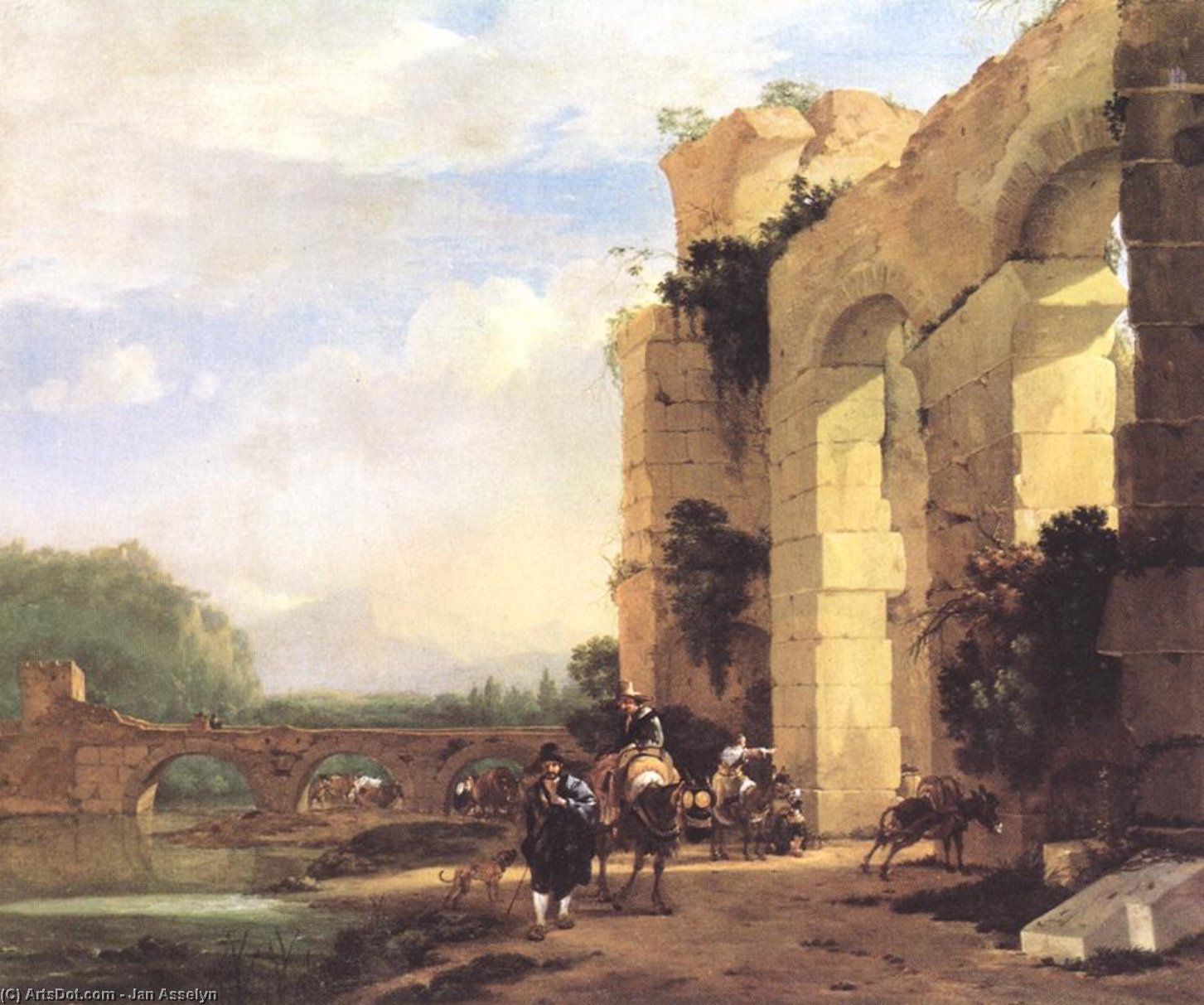
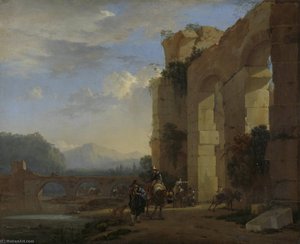
Italian Landscape with the Ruins of a Roman Bridge and Aqueduct
 Oil On Canvas
- WallArt
- Dutch Baroque Landscape
 Early Modern
 67.0 x 82.0 cm
 国立美術館 (Rijksmuseum)
 詳細を見る
詳細を見る




P118B $10

P118H $10

P118W $10

P438Z $10

P508JH $12

P508YH $12

P805H $10

P805Z $10

P919BZ $10

P919G $10

P919XJ $10

P959ZH $10

P968JZ $12

W106C $8

W218G $10

W218JH $8

W218Y $10

W307PJ $10

W316G $10

W316PJ $8

W316Y $10

W398PJ $8

W4111J $10

W500HY $15

W500JH $15

W692G $12

W849H $8

W940BG $15

W953PJ $8




作品のオリジナル比率に合わせた、当店の規定サイズからお選びください。

特定のフレームやスペースに合わせて、ご希望のサイズをご入力いただけます。選択されたサイズが元の画像の比率と異なる場合、アートワークをトリミングするか、手描きで要素を追加して絵画を拡張いたします。デジタルモックアップ を制作し、制作開始前にご確認(承認)をいただきます。
画面上のプレビューは、実際のトリミングや拡張を正確に反映しているものではありません。最終的な構図は、モックアップによってのみ正確にご確認いただけます。
カスタムサイズもご利用いただけますが、元の比率を維持するためには、あらかじめ用意されたリストからサイズを選択することをお勧めいたします。
ご注文後、ArtsDot.com チームより詳細な指示をお送りするとともに、仕上がりイメージ(モックアップ)をご提供いたします。


 ガラスオプションは、110cm未満のサイズでのみご利用いただけます。

Italian Landscape with the Ruins of a Roman Bridge and Aqueduct
複製技法
複製画のサイズ
-


合計金額
$ 263
Italian Landscape with the Ruins of a Roman Bridge and Aqueduct
Jan Asselijn’s “Italian Landscape with the Ruins of a Roman Bridge and Aqueduct” stands as a testament to the burgeoning Dutch Baroque landscape movement, skillfully blending influences from Claude Lorrain’s idealized visions of Arcadia with the expressive dynamism characteristic of Salvator Rosa’s dramatic compositions. Painted around 1645 during Asselijn's formative years in Rome—a city brimming with artistic innovation and papal patronage—the canvas captures a serene yet subtly unsettling vista overlooking a crumbling Roman bridge spanning a tranquil river valley.- Subject Matter: The scene depicts a picturesque Italian landscape dominated by ancient ruins – specifically the Pont du Gard aqueduct bridge – alongside rolling hills dotted with cypress trees and scattered villas. This deliberate juxtaposition of grandeur and decay reflects the Baroque preoccupation with mortality and the ephemeral nature of earthly beauty.
- Style & Technique: Asselijn’s approach aligns closely with Lorrain's aesthetic, prioritizing atmospheric perspective—the gradual blurring of distant objects due to haze—to create a sense of depth and luminosity. However, unlike Lorrain’s polished surfaces, Asselijn employs looser brushstrokes and textured impasto, injecting palpable energy into the composition.
- Historical Context: The painting emerged during a period of intense religious fervor following the Thirty Years' War, mirroring the broader cultural anxieties surrounding divine providence and human vulnerability. It embodies the Dutch humanist impulse to engage with classical ideals while simultaneously grappling with contemporary concerns about faith and morality.
- Symbolism: The crumbling bridge serves as a potent symbol of impermanence—a visual reminder that even the most magnificent structures eventually succumb to time’s relentless march. Similarly, the cypress trees—often associated with mourning and remembrance—underscore the melancholic tone pervading the scene.
- Emotional Impact: “Italian Landscape” evokes a profound sense of contemplative beauty mingled with poignant sadness. The artist invites viewers to contemplate the grandeur of nature alongside the inevitability of decay, prompting reflection on themes of loss, resilience, and the sublime—concepts central to Baroque art’s expressive power.
- Provenance: Originally acquired by Sir Charles Bagot at Christie & Manson in London in 1645, the painting subsequently passed through several aristocratic collections before finding its home in Amsterdam, where it was bequeathed to the city by Adriaan van der Hoop in 1854.
- Restoration: A comprehensive restoration undertaken in 1965 revealed that the original monogram—Asselijn’s signature—had been obscured by later additions, highlighting the importance of preserving artistic heritage and uncovering hidden layers of history.
関連作品
アーティストの略歴
光と影の叙情:ヤン・アッセリンの世界
1610年頃、フランスの港町ディエップでジャン・アセランとして生まれたヤン・アッセリンは、宗教的迫害と芸術探求に彩られた波乱万丈な人生を歩みました。ユグノーであった彼の家族は、1621年に商業と新たな芸術的才能が芽生え始めたオランダの首都アムステルダムに移住します。この移転は画期的な出来事となり、若いジャンを伝統的な表現を超えた、より情緒豊かで大気感あふれる風景画の世界へと誘いました。彼は当初、ヤン・マールツェン младшийに師事し、戦闘場面の技術を磨きましたが、やがて自然の美しさや動物たちの躍動を描くことに真の天職を見出します。アッセリンは幼少期からオランダの光と広大な空に触れ、それが彼の作品の特徴となる要素となりました。しかし、芸術的ビジョンを確立したのは、イタリアへの旅でした。イタリア様式との出会いと「鳥仲間」たち
当時の北ヨーロッパの多くの野心的な画家と同様に、アッセリンもまたイタリアで研鑽を積むことを求めました。おそらく1635年以降のことでしょう。そこで彼は*イタリア様式*—太陽光が降り注ぐ風景、古典遺跡、牧歌的な情景が特徴のジャンル—を完全に受け入れます。そしてローマで活動していたオランダやフランドルの芸術家たちのカラフルな集団、「鳥仲間」(Bentvueghels)の一員となりました。彼らは型破りな行動、風刺的なニックネーム、そしてスタジオでの制作にとらわれず、直接自然から描くことに献身することで知られていました。この賑やかなコミュニティの中で、アッセリンは手の不自由さから「Krabbetje」(小さなカニ)という愛称を与えられますが、創造的には大いに開花しました。彼はピーテル・ファン・ラール(バンボッチョ)のような芸術家の影響を受けました。バンボッチョのローマの農民たちの生活や風景を描いた作品は、アッセリン自身のスタイルに深く共鳴し、彼の作風を形成する上で重要な役割を果たします。この時期は、彼が構成の中に雰囲気、光、そして物語性を表現する能力を高める上で極めて重要でした。光と象徴性の探求:主要な作品
アッセリンは洗練された技術と独自の表現力を持ってアムステルダムに戻りました。彼の絵画は、明瞭な描写と光の巧みな扱いが特徴であり、それがすぐに認められました。彼は歴史や戦闘場面も制作しましたが、風景画や動物画こそが彼を真に際立たせました。1640年代に描かれた「脅かされた白鳥」は、今もなお彼の最も有名な作品です。この絵画は単なる鳥の防衛を描いたものではなく、オランダ国民の抵抗の象徴として力強いメッセージを発信しました。巣を守ろうと積極的に侵入者を撃退する白鳥の姿は、当時の不安を反映し、有力なオランダ政治家ヨハン・デ・ウィットの寓意としても解釈されました。興味深いことに、後世の所有者たちはキャンバスに象徴的な銘文を追加しました—卵の一つには「オランダ」、そして敵対者を意味する犬の隣には「国家の敵」と記され、その政治的背景をさらに強調しています。騎兵隊の夕焼けへの突撃は、彼の初期の戦闘場面での訓練を示しており、ドラマチックな表現が際立っています。また、ローマのコロッセオのアーチの下で家畜を追う人々のような田園生活を描いた作品は、イタリア様式の風景と動物画を美しく融合させています。アムステルダム近郊の聖アントニウス堤防の決壊は、水害という常に存在する脅威と、オランダの土地開拓に必要な創意工夫を捉える彼の能力を示しています。影響と遺産:永続的な印象
ヤン・アッセリンの影響力は、彼自身の多作な作品制作を超えて広がりました。彼は同時代の人々から高く評価され、レンブラントもまた、彼が仕事をしている様子をエッチングで描いています—ただし、注目すべきことに、これらのエッチングではアッセリンの手がぼかされており、彼の身体的な困難に対する配慮があったのかもしれません。彼はまた、フレデリック・ド・ムシェロンという別の著名なオランダの風景画家を指導し、イタリア様式をさらに普及させました。アッセリンは光と大気への革新的なアプローチを通じて、次世代の芸術家に影響を与え、風景画におけるより自然主義的で感情的な深みを追求する道を切り開きました。彼の作品は現在、アムステルダムのライクスミュージアムなどの名高いコレクションに収蔵されており、オランダ黄金時代の重要な人物としての彼の遺産を確固たるものとしています。彼は若くして1652年に亡くなりましたが、その美しさ、ドラマチックな表現、そして微妙な意味合いを持つ作品群は、今もなお観客を魅了し続けています。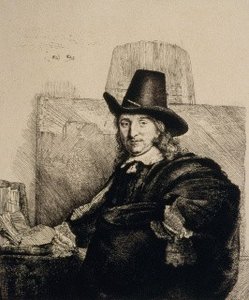
ヤン・アッセリン
1610 - 1652 , フランス
基本情報
- Artistic Movement Or Style: イタリア派風景画
- Artists Or Movements Influenced By This Artist: ['フレデリック・ムーロン']
- Artists Who Influenced This Artist:
- エサヤス・ファン・デル・フェルデ
- バンボッチョ
- レンブラント
- Date Of Birth: 1610年頃
- Date Of Death: 1652年
- Full Name: ヤン・アセリン
- Nationality: オランダ
- Notable Artworks (List Of Titles):
- 脅かされた白鳥
- イタリアの風景
- 日没の騎兵突撃
- Place Of Birth (City And Country): フランス、ディエップ
関連記事

Dutch Baroque Masters: 10 Paintings That Shaped an Era | ArtsDot
Journey through the Golden Age with our guide to the Top 10 Dutch Baroque masterpieces! Explore iconic paintings by Rembrandt, Vermeer & Frans Hals. Find museum-quality art reproductions and elevate your home decor at ArtsDot.com.
Cornelis van Poelenburch: Bridging Mannerism & the Dutch Baroque Landscape
Discover Cornelis van Poelenburch, a pivotal Dutch Baroque landscape painter bridging Mannerism & Italianate styles. Explore his life, key works, and lasting influence on 17th-century art with ArtsDot.
Nicolaes Berchem: Dutch Golden Age Pastoralism & the Evolution of Landscape Painting
Explore the captivating world of Nicolaes Berchem, a leading Dutch Golden Age painter. Discover his idyllic landscapes, masterful technique & lasting influence on art history. Learn more at ArtsDot.
Golden Light & Dutch Skies: Bringing the Magic of Dutch Golden Age Landscapes into Your Home
Transform your home with the breathtaking light of Dutch Golden Age landscapes. Discover how hand-painted oil reproductions of masterworks like Ruisdael and Vermeer bring timeless elegance, atmosphere, and soulful texture to modern interiors. Elevate your space with museum-quality art.

Golden Age Reflections: Dutch Baroque Painting & Cultural Innovation
Explore the Dutch Golden Age of painting! Discover key artists like Vermeer & ter Borch, their innovative techniques, and the rich cultural context behind these Baroque masterpieces. Learn about collecting & appreciating this iconic art period.

