

 プレビュー
プレビュー
 プリントを購入
 シェアする
シェアする シェアする
シェアする
 詳細を見る
詳細を見る

 ダウンロード
 似ている作品
 X線調査
X線調査 スライドショー
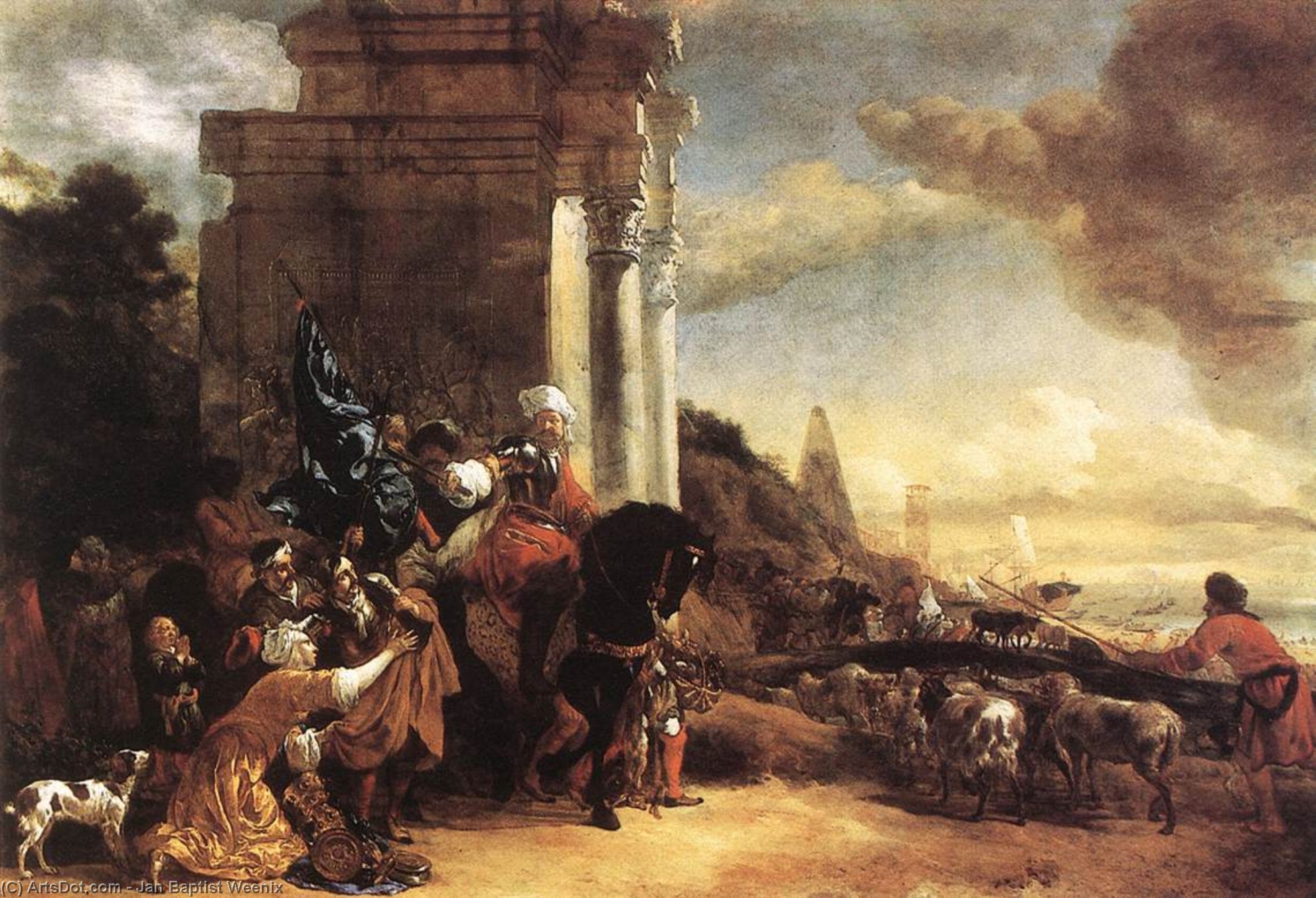
Departure of an Oriental Entourage
 Oil On Canvas
- WallArt
- Italianate Landscapes
 1647
1647- Early Modern
 123.0 x 175.0 cm
 ルーブル美術館
 詳細を見る
詳細を見る
オンラインプレビューをはるかに凌ぐ、高解像度で鮮明なデジタル画像をご購入いただけます。
各ファイルは、社内の専門家が高度なツールと熟練した手作業によるレタッチを用いて、細心の注意を払って準備されています。すべての画像において、卓越した鮮明度、正確な色彩再現性、そして繊細なディテールを保証いたします。
最終ファイルは、プロフェッショナルな編集・印刷環境ですぐにご利用いただけるよう最適化された状態で、72時間以内にメールにてお届けいたします。これは、一流のデザインスタジオ、出版社、ギャラリーから信頼されているものと同等の品質です。
デジタル画像のご注文に付随する特典
高品質なデジタル画像配信を、確かな品質で。
ArtsDot.com を選ぶことは、単に画像を手に入れることではありません。それは、プロの手によって精密に仕上げられ、満足保証が付いた高品質なデジタルアートワークを受け取ることを意味します。ご注文いただいた際に自動的に付随する内容は、以下の通りです:

メールですぐにお届け
ご注文から72時間以内に、高解像度のデジタル画像ファイルがメールでお手元に届きます。すぐにそのままご利用いただけます。

AI技術で最適化されたデジタルファイル
お客様の作品は、高度なAIツールと専門家による手作業の編集を組み合わせてプロフェッショナルに最適化されており、細部のディテール、鮮明さ、そして正確な色再現性を最大限に引き出しています。

一生涯無料の再送サービス
ファイルを誤って削除したり、紛失してしまったりしましたか?ご安心ください。いつでも無料で再送いたします。

輸入手数料は一切かかりません
関税や手数料、配送料を気にすることなく、お気に入りのアートワークをすぐにお楽しみいただけます。デジタルダウンロードは常に免税です。

色彩再現の保証
プロ仕様のツールとカラーマネジメント技術を用いることで、デジタル画像が元の色を最大限に忠実に再現することを保証いたします。

60日間満足保証
ご購入いただいたデジタル画像にご満足いただけない場合は、60日以内であれば、修正または100%の返金(理由を問う必要はありません)をさせていただきます。

100% 返金保証
ご満足いただけない場合は、デジタルファイルを受け取ってから60日以内であれば、理由を問わず全額返金いたします。

まとめ買い割引
3枚購入で10%OFF - 5枚購入で15%OFF - 10枚以上購入で20%OFF。クリエイティブなプロジェクト、ギャラリー、エージェンシーに最適です。
作品の詳細
Departure of an Oriental Entourage by Jan Baptist Weenix
Jan Baptist Weenix’s “Departure of an Oriental Entourage,” painted in 1647-50, stands as a remarkable testament to the burgeoning fascination with Italianate landscapes during the Dutch Golden Age and represents a pivotal moment in artistic innovation. More than just a depiction of a journey—though it undeniably captures the movement of people traversing a hillside—the painting delves into themes of grandeur, contemplation, and the interplay between humanity and nature, cementing Weenix’s legacy as one of the foremost landscape painters of his time. ### Subject Matter & Composition: The scene unfolds with meticulous detail against a backdrop of rolling hills bathed in soft sunlight. At its center is a procession of figures—men, women, and children—dressed in opulent costumes reflecting the fashions of the 17th century. Notably prominent are horses carrying individuals, symbolizing status and power, alongside foot travelers who appear to be engaged in solemn contemplation. Scattered amongst them are dogs, serving as companions and adding to the overall sense of realism. The artist’s masterful composition guides the viewer's eye across the canvas, creating a dynamic yet harmonious visual experience that prioritizes conveying atmosphere over mere representation. ### Style & Technique: Weenix distinguishes himself from his contemporaries through his pioneering embrace of Italian landscape aesthetics—a stylistic trend championed by artists like Pietro Testa and Andrea Pozzo—infused with human figures. Unlike traditional Dutch landscapes which often focused on serene pastoral scenes, Weenix’s work deliberately incorporates architectural ruins into the panorama, mirroring the influence of Roman antiquities and reflecting a broader intellectual interest in classical ideals. His technique is characterized by meticulous observation and painstaking rendering, utilizing oil paints to achieve luminous tonal gradations and capturing subtle nuances of light and shadow with exceptional accuracy. The artist's brushstrokes are deliberate yet blended seamlessly, creating textures that convincingly simulate the materiality of stone and foliage alike. ### Historical Context & Symbolism: Painted during the reign of Cardinal Maurizio Fabrizi Grimani, Venice’s ambassador to Amsterdam, “Departure of an Oriental Entourage” embodies the spirit of its era—a period marked by diplomatic exchanges between Europe and the East, fueled by burgeoning trade routes and intellectual curiosity. The inclusion of classical ruins serves as a symbolic reminder of antiquity's enduring influence on artistic thought and reinforces the painting’s overarching message about the passage of time and the contemplation of history. Furthermore, the figures themselves embody notions of nobility, piety, and familial devotion—values central to Dutch society during the Baroque period. ### Emotional Impact & Legacy: “Departure of an Oriental Entourage” transcends mere visual representation; it evokes a profound sense of serenity and grandeur. The artist’s skillful use of color and light contributes to this emotional resonance, transporting viewers into a timeless landscape imbued with contemplative beauty. Weenix's innovative approach to landscape painting established a precedent that would inspire subsequent generations of artists—particularly those exploring the relationship between human presence and natural grandeur—solidifying his place as a cornerstone of Dutch Baroque art history and ensuring that “Departure of an Oriental Entourage” continues to captivate audiences today.関連作品



作家の略歴
The Visionary of the Dutch Golden Age
Jan Baptist Weenix stands as a singular figure within the Dutch Golden Age, celebrated for his distinctive blend of meticulous observation and imaginative vision. Though his artistic output was relatively modest compared to contemporaries like Rembrandt or Vermeer, Weenix’s contribution to Dutch art history is undeniable—particularly his groundbreaking exploration of Italian landscapes infused with human figures, establishing a stylistic precedent that would resonate throughout subsequent generations. Born in Amsterdam near the bustling harbor in 1621, Weenix descended from a family of architects, a lineage that likely shaped his formative years amidst the intellectual and structural ferment of the era.
Despite facing personal challenges—accounts suggest he struggled with speech due to a medical condition—Weenix possessed an ardent passion for literature and art, fostered by a mother who proactively arranged for him to apprentice under Jan Micker, Rembrandt’s brother-in-law. This early training instilled in him a disciplined approach to drawing and observation that would become the hallmarks of his oeuvre. He further honed his skills at Utrecht under the guidance of Abraham Bloemaert and returned to Amsterdam to study with Claes Corneliszoon Moeyaert, cementing his grounding in the prevailing artistic currents of the Netherlands.
A Journey Through Light and Landscape
The trajectory of Weenix’s career was profoundly altered by his travels, most notably his journey to Rome in 1643 alongside Nicolaes Pieterszoon Berchem. This excursion allowed him to encounter the vibrant intellectual and artistic milieu of the Bentvueghels guild, an experience that propelled him towards a more expansive stylistic range. In Rome, he embraced the Italianate style, characterized by warm, golden light and classical landscapes that contrasted beautifully with the cooler, more somber tones of traditional Dutch painting. This period of Roman influence allowed him to master the art of the "Italianate landscape," where the rugged beauty of southern Europe was reimagined through a Northern European lens.
His work during this era often blended the grandeur of classical settings with intimate, human elements. Whether depicting harbor scenes that whispered of maritime commerce or expansive vistas that evoked a sense of timelessness, Weenix possessed a unique ability to capture the atmosphere of a place. His mastery was not limited to vast horizons; he was equally adept at capturing the quiet, often visceral reality of life through his still lifes. His depictions of dead game and animals were marked by a startling realism, where every texture—from the coarse fur of a hunting dog to the delicate sheen of feathers—was rendered with breathtaking precision.
Legacy of Realism and Artistry
The significance of Jan Baptist Weenix lies in his ability to bridge the gap between the gritty realism of Dutch tradition and the idealized beauty of the Italianate movement. His versatility allowed him to navigate diverse subject matters, from the dramatic tension found in works like After the Hunt to the quiet, almost somber intensity of his animal studies. Through his brush, the viewer is invited into a world where the boundaries between the observed natural world and the imagined classical past are beautifully blurred.
As we reflect on his life and work, several key elements define his enduring importance:
- Stylistic Innovation: He was a pioneer in integrating Italianate landscape elements into the Dutch tradition, creating a new visual language for his contemporaries.
- Technical Mastery: His disciplined training allowed for an extraordinary level of detail in both large-scale landscapes and intimate still lifes.
- Versatility: His ability to move seamlessly between harbor scenes, hunting motifs, and animal portraits demonstrates a rare breadth of talent.
- Historical Impact: As a member of the Bentvueghels, he helped foster the international exchange of artistic ideas that defined the 17th-century art world.
Though his life was relatively short, ending in 1661, the imprint left by Jan Baptist Weenix remains visible in the evolution of landscape painting. He taught future generations how to look at the horizon not just as a boundary, but as a canvas for light, history, and human emotion.
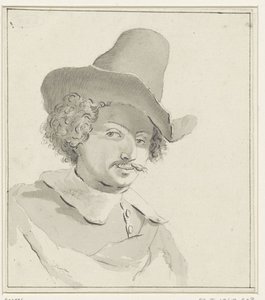
Jan Baptist Weenix
1621 - 1661 , Netherlands
プロフィール概要
- Artistic Movement Or Style: Dutch Golden Age
- Artists Or Movements Influenced By This Artist: ['Italianate painting']
- Artists Who Influenced This Artist:
- Abraham Bloemaert
- Claes Corneliszoon Moeyaert
- Date Of Birth: Amsterdam, Netherlands (1621)
- Date Of Death: 1661
- Full Name: Jan Baptist Weenix
- Nationality: Dutch
- Notable Artworks:
- After the Hunt
- The Tinker and His Dog
- A Dog and a Cat near a partially disembowelled Deer
- Place Of Birth: Amsterdam

