 プレビュー
プレビュー
 プリントを購入
 シェアする
シェアする シェアする
シェアする
 詳細を見る
詳細を見る

 ダウンロード
 似ている作品
 X線調査
X線調査 スライドショー
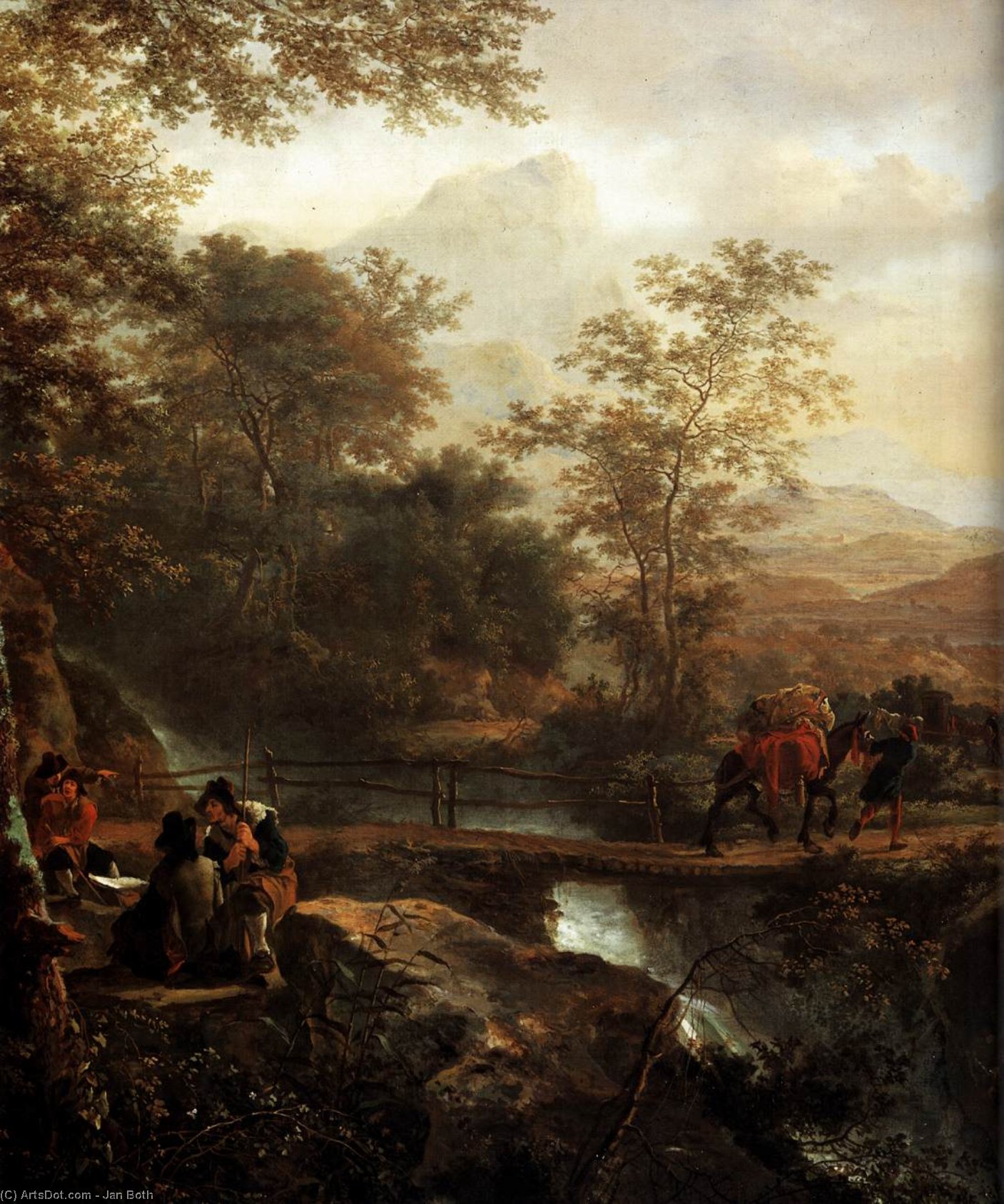
Italian Landscape with Draughtsman (detail)


 詳細を見る
詳細を見る




P118B $10

P118H $10

P118W $10

P438Z $10

P508JH $12

P508YH $12

P805H $10

P805Z $10

P919BZ $10

P919G $10

P919XJ $10

P959ZH $10

P968JZ $12

W106C $8

W218G $10

W218JH $8

W218Y $10

W307PJ $10

W316G $10

W316PJ $8

W316Y $10

W398PJ $8

W4111J $10

W500HY $15

W500JH $15

W692G $12

W849H $8

W940BG $15

W953PJ $8




作品のオリジナル比率に合わせた、当店の規定サイズからお選びください。

特定のフレームやスペースに合わせて、ご希望のサイズをご入力いただけます。選択されたサイズが元の画像の比率と異なる場合、アートワークをトリミングするか、手描きで要素を追加して絵画を拡張いたします。デジタルモックアップ を制作し、制作開始前にご確認(承認)をいただきます。
画面上のプレビューは、実際のトリミングや拡張を正確に反映しているものではありません。最終的な構図は、モックアップによってのみ正確にご確認いただけます。
カスタムサイズもご利用いただけますが、元の比率を維持するためには、あらかじめ用意されたリストからサイズを選択することをお勧めいたします。
ご注文後、ArtsDot.com チームより詳細な指示をお送りするとともに、仕上がりイメージ(モックアップ)をご提供いたします。


 ガラスオプションは、110cm未満のサイズでのみご利用いただけます。

Italian Landscape with Draughtsman (detail)
複製技法
複製画のサイズ
-


合計金額
$ 263
作品解説
Jan Both: Illuminating Tranquility – A Romanate Vision of Pastoral Beauty
Jan Dirksz Both (1610-1652) stands as one of the most celebrated figures in the Dutch Golden Age landscape movement, a period characterized by an unprecedented flourishing of artistic creativity and intellectual curiosity. Born around 1615/1618 in Utrecht, he was the younger brother of Andries Both, whose father, Dirck Both, practiced glass painting – a craft deeply rooted in Flemish traditions – providing both brothers with formative exposure to meticulous craftsmanship.
Both’s artistic journey began in Utrecht, where he honed his skills alongside his sibling, absorbing techniques from their father's glazing practice. However, it was the pivotal decision to embark on a transformative voyage to Rome around 1638 that truly cemented Both’s reputation as an innovator and propelled him into the orbit of influential artists like Abraham Bloemaert and Gerrit van Honthorst. This Roman sojourn profoundly impacted his artistic sensibilities, fostering a fascination with Italianate style – a movement that sought to emulate the grandeur and luminosity of Renaissance landscapes.
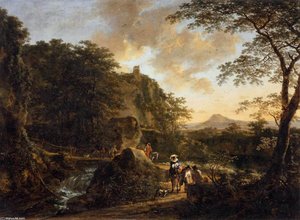
“Italian Landscape with Draughtsman,” housed in the Rijksmuseum’s collection, exemplifies this distinctive aesthetic perfectly. The painting depicts a serene mountainous vista bathed in golden Mediterranean light—a hallmark of Both's oeuvre. A meandering river winds its way through the landscape, punctuated by picturesque cottages and figures engaged in everyday activities. Notably, a draughtsman diligently sketching near a waterfall underscores Both’s deliberate intention to capture the immediacy of observation, mirroring the artistic ideals prevalent during his time.
The Rijksmuseum's description eloquently captures this essence: “Our eye meanders happily through this large painting. If we follow the road and cross the bridge, we see in the distance a well-to-do traveller in a sedan chair. Mules carry his baggage. By placing a draughtsman near the bridge over the waterfall, Both would have us believe that he painted this scene from life, but in reality it was painted at home in his Dutch studio.” This astute observation highlights Both’s masterful ability to synthesize artistic inspiration with meticulous technical execution.
Both's technique is characterized by a remarkable blend of realism and idealized beauty. He employed oil paints on canvas with painstaking detail, meticulously layering glazes to achieve subtle tonal variations and conveying the atmospheric effects of sunlight—a skill honed during his formative years alongside Andries Both.
Furthermore, “Italian Landscape with Draughtsman” resonates deeply with viewers due to its symbolic representation of pastoral tranquility. The idyllic setting evokes notions of harmony between humanity and nature – a theme frequently explored by Baroque artists seeking to inspire contemplation and elevate the spirit. It’s a testament to Both's artistic vision: capturing not merely what he saw, but conveying an emotional response that transcends mere visual depiction.
For those interested in exploring similar artistic expressions, consider examining Mathys Schoevaerdts’s landscapes – influenced by Brueghel the Elder – which similarly celebrate the beauty of rural life and the grandeur of natural vistas. Alternatively, immerse yourself in Jan Both's captivating style at Mauritshuis!
You can find more information about Jan Both on WGA and Mauritshuis.
関連作品



アーティストの略歴
ヤン・ボト (1610-1652):地中海の光を操る巨匠
ヤン・ディルクス・ボトは、オランダ黄金時代に興隆した「イタリア派」風景画運動において、最も重要な人物の一人としてその名を刻んだ画家、素描家、そしてエッチング師です。1615年から1618年頃、ユトレヒトにて生まれた彼は、兄アンドリース・ボトの弟であり、ステンドグラス画家であった父ディルク・ボトから、芸術的な職人技への深い敬意を幼い頃から受け継いでいました。彼の生涯に関する詳細な記録は決して多くはありませんが、学術的な研究によれば、アブラハム・ブローマールトやヘリット・ファン・ホントホルストといった巨匠たちから指導を受けたことが示唆されており、当時の芸術界において極めて影響力のある存在であったことが伺えます。- 幼少期と修行:ボトの形成期はユトレヒトで過ごされました。そこで彼は兄アンドリースと共に技を磨き、フランドルの伝統に深く根ざした父のガラス工芸の技術を吸収していきました。
- ローマの影響:1638年頃、ヤンとアンドリースの兄弟はフランスを経由してローマへと向かう、人生を変える旅に出ます。教皇庁の芸術的な熱狂に身を投じ、ブローマールトやファン・ホントホルストといった輝かしい巨匠たちと出会ったこの経験が、彼らの様式的な感性を決定づけることとなりました。
ロマネスク様式とクロード・ロランとの共鳴
ローマは、ボトの芸術的発展における試練の場であり、同時に錬金術的な変容をもたらす場所となりました。兄アンドリースがピーテル・ファン・ラールの手法を用いた風俗画に注力した一方で、ヤンは主に風景画の道へと突き進みます。それはクロード・ロランのスタイルに強く影響を受けたものであり、比類なき光と色彩の習熟によって、地中海地域の空想的な美しさを見事に捉えたものでした。特筆すべきは、マドリードのエスパニョーラ、ブエンプレトロ宮殿のための壮大なプロジェクトにおいてヘルマン・ファン・スワネヴェルトと密接に協力したことです。この活動は、ヨーロッパの最高峰のパトロン層の中で、彼の野心と芸術的才能を証明するものとなりました。このパートナーシップこそが、風景画の革新者としてのボトの名声を不動のものにしたのです。代表作に見る芸術的特質
ボトの作品群を特徴づけるのは、輝かしい黄金の光に包まれた、広大で想像力豊かな風景です。これはロラン様式の真骨頂であり、当時のヨーロッパ全土に流れていた芸術的な潮流を象徴しています。彼の傑作である『囚人を連れ去る強盗たちの風景』(ボストン美術館蔵)には、その審美的な輝きが凝縮されています。画面を斜めに横切る道は見る者の視線を奥へと誘い、写実的な人物像と、細部まで緻密に描かれた植生が広がる牧歌的な景色とを見事に調和させています。また、『パリスの審判』(ロンドン、ナショナル・ギャラリー蔵)に見られるように、宗教的あるいは神話的な主題が繰り返し登場します。これらはコルネリス・ファン・ポーレンブルフのようなユトレヒトの同時代の画家たちによって描かれることもあり、ボトが人文主義的な理想や芸術的伝統といかに深く関わっていたかを物語っています。遺産と後世への影響
ローマからの帰路、ヴェネツィアにてヤンの兄アンドリースは悲劇的な病死を遂げました。短い生涯であったものの、アンドリースは当時の社会の現実を反映した農民画の分野で尊敬される画家としての地位を確立しました。一方、ヤン・ボトの芸術的遺産は単なる絵画作品に留まりません。彼はバレント・ビスピンクやヴィレム・デ・ホイスといった才能ある弟子たちの師となり、彼自身の様式的な革新が次世代の芸術家たちにインスピレーションを与え続ける礎を築きました。その作品は、今なお情緒豊かな雰囲気と卓越した技法、そしてオランダ風景画の発展への多大な貢献によって称賛され続けており、ヨーロッパ美術史におけるボトの不朽の影響力を証明しています。主な収蔵施設
- ケンブリッジ大学 フィッツウィリアム美術館
- エルミタージュ美術館(サンクトペテルブルク)
- ウィーン 美術史博物館
- ルーヴル美術館(パリ)
- マウリッツハイス王立絵画館
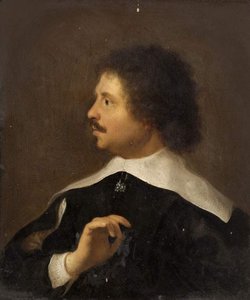
ヤン・ボト
1610 - 1652 , オランダ
関連記事
Nicolaes Berchem: Dutch Golden Age Pastoralism & the Evolution of Landscape Painting
Explore the captivating world of Nicolaes Berchem, a leading Dutch Golden Age painter. Discover his idyllic landscapes, masterful technique & lasting influence on art history. Learn more at ArtsDot.

黄金世紀の巨匠たち:バロック絵画が彩る10選|ArtsDot
オランダ黄金時代の10大傑作を紐解く!レンブラント、フェルメール…バロック絵画の魅力と時代背景を深く探求。ArtsDotで、至高のアートコレクションと空間演出のヒントを見つけよう。高品質なアートプリントで、お部屋を華やかに。
Golden Light & Dutch Skies: Bringing the Magic of Dutch Golden Age Landscapes into Your Home
Transform your home with the breathtaking light of Dutch Golden Age landscapes. Discover how hand-painted oil reproductions of masterworks like Ruisdael and Vermeer bring timeless elegance, atmosphere, and soulful texture to modern interiors. Elevate your space with museum-quality art.
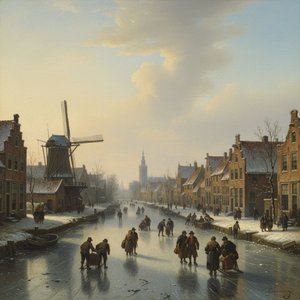
Charles Leickert: Capturing the Dutch Golden Age Light – A Comprehensive Study of Technique, Context, and Legacy
Explore the captivating winter landscapes of Charles Leickert, a master of Dutch Golden Age light & atmosphere. Discover his techniques, symbolism, and lasting legacy – a comprehensive study for art enthusiasts and collectors.
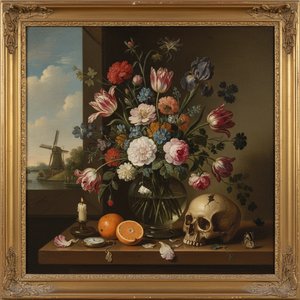
Jan Jansz Wijnants: A Study in Dutch Golden Age Still Life & Floral Transience
Explore the captivating world of Jan Wijnants and Dutch Golden Age still life painting. Discover symbolism, masterful techniques & lasting influence on floral art history. Learn more!