 プレビュー
プレビュー
 シェアする
シェアする シェアする
シェアする
 詳細を見る
詳細を見る

 ダウンロード
 似ている作品
 X線調査
X線調査 スライドショー
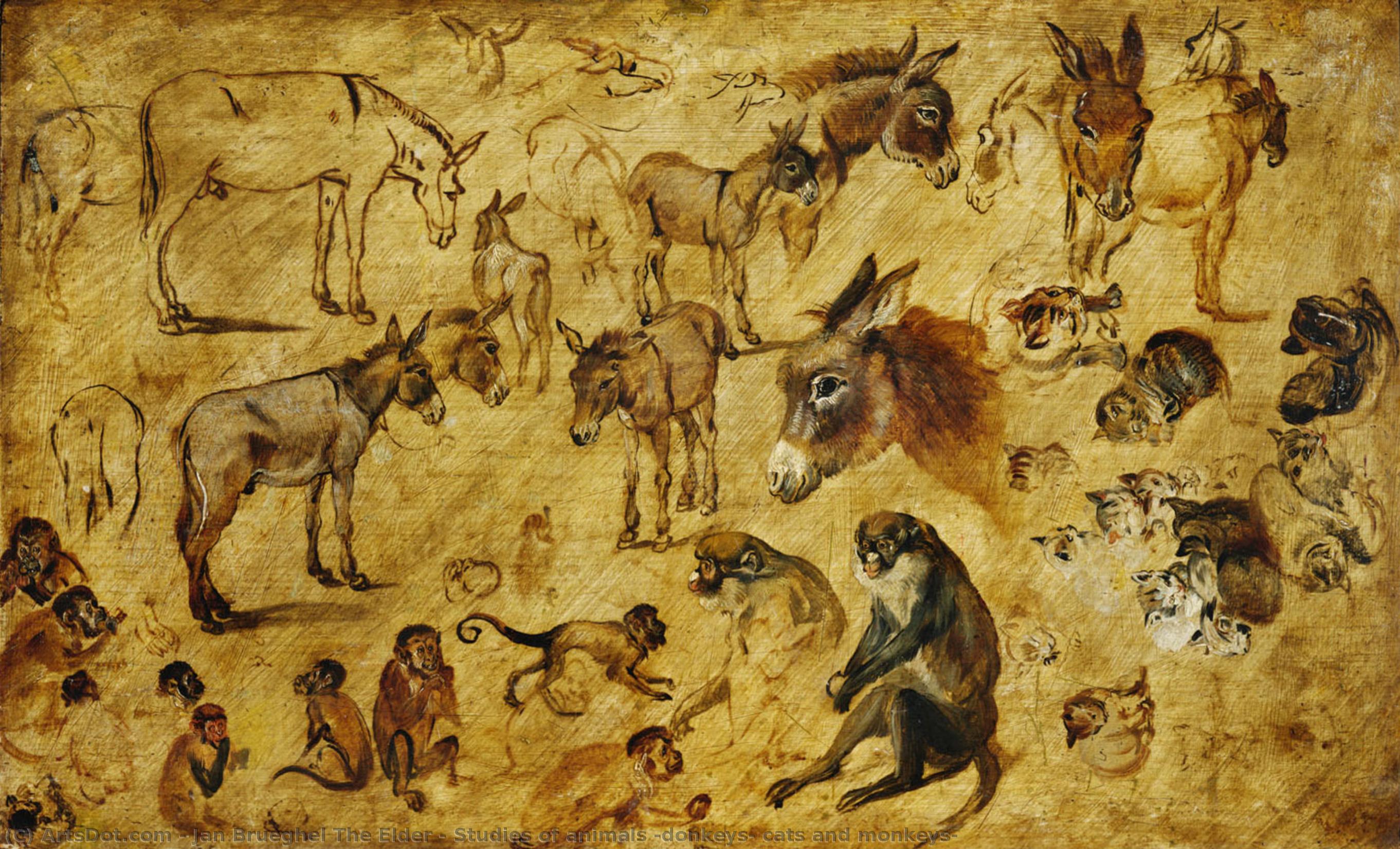
Studies of animals (donkeys, cats and monkeys)


 詳細を見る
詳細を見る
ジークレー/アートプリント
迅速な制作と多彩な仕上げオプションを備えた、ミュージアムクオリティのジークレーまたはキャンバスプリント。 ( 手描きの絵画を購入 画像を購入)




P118B $10

P118H $10

P118W $10

P438Z $10

P508JH $12

P508YH $12

P805H $10

P805Z $10

P919BZ $10

P919G $10

P919XJ $10

P959ZH $10

P968JZ $12

W106C $8

W218G $10

W218JH $8

W218Y $10

W307PJ $10

W316G $10

W316PJ $8

W316Y $10

W398PJ $8

W4111J $10

W500HY $15

W500JH $15

W692G $12

W849H $8

W940BG $15

W953PJ $8




作品のオリジナル比率に合わせた、当店の規定サイズからお選びください。

特定のフレームやスペースに合わせて、ご自身でサイズを指定することも可能です。選択されたサイズが元の画像の比率と一致しない場合、作品をトリミングするか、鏡面反射または単色での塗りつぶしによって画像を拡張いたします。制作を開始する前に、ご確認用のデジタルモックアップをお送りいたします。
画面上のプレビューには、実際のトリミングや拡張は反映されませんのでご注意ください。最終的な構図を正確に確認できるのは、モックアップのみとなります。
カスタムサイズも承っておりますが、元の比率を維持するためには、あらかじめ用意されたリストからサイズを選択することをお勧めいたします。


 ガラスオプションは、110cm未満のサイズでのみご利用いただけます。

Studies of animals (donkeys, cats and monkeys)
ジークレー/アートプリント
複製画のサイズ
-


合計金額
$ 62
A Window into Flemish Life: The Enduring Charm of Brueghel’s Animal Studies
Jan Brueghel the Elder's “Studies of Animals (Donkeys, Cats and Monkeys)” isn’t merely a collection of charming sketches; it’s a vibrant snapshot of 17th-century Flemish society, rendered with an unparalleled eye for detail and imbued with a quiet, observant humor. Painted in 1616, during the height of his career, this work offers a glimpse into the everyday lives of peasants and animals – a world both familiar and subtly transformed by Brueghel’s masterful hand. The painting isn't grand in scale, yet it possesses an astonishing density of observation; each creature, from the weary donkey to the sly monkey, is rendered with meticulous attention to anatomy, texture, and expression. It’s a testament to Brueghel’s dedication to capturing not just what he saw, but *how* it felt to be present in that moment.
The composition itself is deceptively simple. A loose arrangement of animals – donkeys patiently waiting, cats playfully stalking, monkeys mischievously observing – creates a dynamic yet harmonious scene. Brueghel’s technique is characterized by his use of layered glazes and subtle color variations, creating an incredible sense of depth and realism. Notice how the light catches on the fur of the animals, or the rough texture of the donkey's hide. He employs a characteristic ‘lost-and-found’ approach to detail – elements are visible in close-up, then fade into the background, inviting the viewer to linger and discover new nuances with each viewing.
The Legacy of Pieter Bruegel the Elder: A Foundation of Observation
To truly appreciate “Studies of Animals,” it’s crucial to understand its lineage. Jan Brueghel the Elder was the son of Pieter Bruegel the Elder, a painter whose depictions of peasant life and rural landscapes had already established a unique visual language. Pieter's work focused on the realities of ordinary people – their labors, their joys, and their struggles – often with a dry wit and unflinching honesty. Jan inherited this legacy, but he subtly shifted the focus towards a more intimate portrayal of animals, reflecting a growing interest in natural history during the Renaissance. The influence of his father is evident in Brueghel’s meticulous observation and his ability to capture the essence of each subject, but Jan developed his own distinct style, characterized by an almost photographic realism combined with a gentle, humanist sensibility.
The painting's creation coincided with a period of significant artistic innovation. The rise of scientific inquiry and the burgeoning interest in botany and zoology fueled a desire to accurately document the natural world. Brueghel’s work exemplifies this trend, serving as both a personal study and a reflection of broader cultural currents. He wasn’t simply painting animals; he was engaging with their behavior, their relationships, and their place within the larger ecosystem.
Symbolism and the Everyday: A Reflection of Flemish Values
Beyond its technical brilliance, “Studies of Animals” offers a subtle commentary on Flemish society. The presence of donkeys, cats, monkeys, dogs, horses, and deer speaks to the interconnectedness of rural life – the reliance on animals for labor, sustenance, and companionship. The animals themselves can be interpreted as symbols: the donkey represents hard work and perseverance, the cat embodies cunning and independence, while the monkey symbolizes mischief and playfulness. These aren’t allegorical figures in a grand narrative; they are simply animals existing within their environment, engaging in their daily routines.
Furthermore, the painting's focus on the mundane – the simple act of observing animals – reflects a broader Flemish value system that emphasized practicality, diligence, and a deep connection to the land. It’s a reminder that beauty can be found not only in grand landscapes or heroic narratives but also in the quiet details of everyday life.
Bringing Brueghel's World Home: Reproductions and Artistic Inspiration
Reproductions of “Studies of Animals” offer a remarkable opportunity to bring this captivating work into your home. Whether you choose a high-quality print, canvas reproduction, or even an oil painting recreation, you’ll be able to appreciate the artist's incredible attention to detail and his masterful use of color and light. Consider framing the artwork in a style that complements its rustic charm – perhaps a simple wooden frame or a more contemporary metal design. The painting’s evocative imagery can serve as a source of inspiration for interior designers, creating a warm and inviting atmosphere that celebrates the beauty of nature and the richness of Flemish heritage.
関連作品
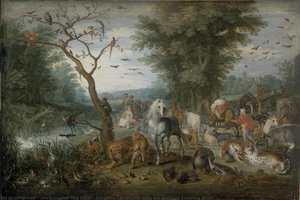
アーティストの略歴
フランドルの土壌に根ざした遺産
ヤン・ブリューゲル長男は、鮮やかな風景画と精巧な静物画で知られ、芸術的伝統が深く息づく家系から生まれた画家です。1628年にブリュッセルで生まれ、ネーデルランド・ルネサンス絵画の巨匠であり、農民生活や広大な景色を描いて美術史に名を刻んだピーテル・ブリューゲル長男の末っ子でした。父のような偉大な存在の影は重くのしかかったかもしれませんが、ヤンは単なる後継者ではなく、勃興するフランドル・バロック運動の中で革新者としての道を歩みました。彼の幼少期は喪失に満ちており、ピーテル・ブリューゲル長男が彼がまだ1歳になる前に亡くなり、母親も10年後に世を去りました。当初は尊敬された芸術家であった祖母、メイケン・フェルフルストによって育てられ、ヤンは絵画と水彩画の基礎訓練を受けました。これは生涯にわたる細部への観察力と技術的習熟への献身へとつながる良いスタートとなりました。幼少期のこの経験の影響と、アントワープの芸術的な熱狂の中で研究を続けたことが、受け継がれた才能と個人的なビジョンによって特徴づけられたキャリアの基礎を築きました。
バロック様式の開花
ブリューゲルの芸術的発展は、1590年代にイタリアへの旅行によって大きく形作られました。ナポリとローマは彼に、壮大さ、ドラマ性、そして色の感覚が強調された異なる美的感性を体験する機会を与えました。彼はこれらの影響を取り入れましたが、単に模倣することはありませんでした。むしろ、父から受け継いだ北部ヨーロッパの写実主義の伝統と融合させました。この融合の結果、イタリア・バロックの壮大さとフランドル絵画の精密さを祝うユニークな様式が生まれました。彼は特に花を描いた作品で「ベルベット・ブリューゲル」として知られるようになりました。これらの作品は単なる植物の研究ではありませんでした。それは、象徴的な意味合いを込めて、人生の儚い美しさを祝福するものでした。花の絵画以外にも、ブリューゲルは風景画に優れ、日常生活や神話的物語が展開される牧歌的なシーンを描きました。彼の構図はパノラマのような広がりと、葉一枚、昆虫一つ、水面の波紋一つに至るまで、細部に至る徹底した注意を特徴としています。
コラボレーションと革新
ヤン・ブリューゲルのキャリアは個人の業績だけによって定義されたものではありませんでした。彼はまた、熟練した共同制作者でもありました。彼の最も重要なパートナーシップは、おそらくフランドル・バロックの最も影響力のある芸術家であったピーテル・パウル・ルーベンスとのものでした。2人は親密な友情を育み、大規模なプロジェクトで頻繁に協力しました。通常、ルーベンスが人物を描き、ブリューゲルは風景画や静物画に焦点を当てました。このコラボレーションの結果、*アダムとイブの楽園*のような時代を代表する傑作が生み出されました。ルーベンスのダイナミックな人物像が、ブリューゲルの緑豊かで詳細な庭の背景にシームレスに統合されています。ルーベンスとのパートナーシップ以外にも、ブリューゲルは多才な革新者であり、花輪絵画や楽園風景画といった新しいジャンルを開拓しました。花輪絵画は宗教的または神話的なシーンを囲む精巧な花の配置で、17世紀に高まっていた美術品収集の関心を反映したギャラリー絵画も開発しました。
永続する影響
ヤン・ブリューゲル長男は1625年にアントワープで亡くなり、彼の生涯を超えて広がる遺産を残しました。彼の細部へのこだわり、鮮やかな色彩、革新的な構図は、後世のフランドル絵画に大きな影響を与えました。彼はディテールとリアリズムの新たな基準を確立し、芸術家たちに彼らの技術の限界に挑戦するよう促しました。彼の息子であるヤン・ブリューゲル2世は父の足跡をたどり、しばしば父の作品と区別がつかないような作品を生み出しました。しかし、家族の名声を確立し、美術史における重要な人物としての地位を確固たるものにしたのは、ヤン・ブリューゲル長男でした。彼の作品は、当時の芸術的潮流だけでなく、17世紀のより広範な知的および文化的変化も反映しています。これには、科学的観察の高まり、反宗教改革中に高まった宗教的な熱意、そして自然界の美しさや複雑さに対する評価が含まれます。ブリューゲルの絵画は、その精巧なディテール、鮮やかな色彩、そして永続する驚異の感覚によって、今日でも観客を魅了し続けています。
- テクスチャを巧みに表現したことから「ベルベット・ブリューゲル」として知られる。
- 花輪絵画と楽園風景画を開拓した。
- ピーテル・パウル・ルーベンスと親密に協力した。
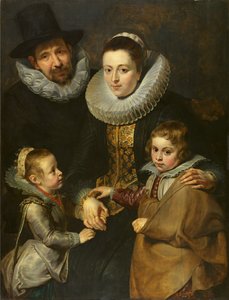
ヤン・ブリューゲル長男 (Yan Burūgeru Chōnan)
1568 - 1625 , ベルギー
基本情報
- Artistic Movement Or Style: バロック様式
- Artists Or Movements Influenced By This Artist: ['フランドル絵画']
- Artists Who Influenced This Artist:
- ピーテル・ブリューゲル長男
- ルーベンス
- Date Of Birth: 1568年
- Date Of Death: 1625年
- Full Name: ヤン・ブリューゲル長男
- Nationality: フランドル人
- Notable Artworks (List Of Titles):
- ネプトゥヌスの勝利
- 花静物
- 滝のある風景
- Place Of Birth (City And Country): ブリュッセル、ベルギー
関連記事
Jan Brueghel the Elder: A Master of Flemish Landscape & Allegory – Exploring Innovation & Influence
Explore the captivating world of Jan Brueghel the Elder, a Flemish Baroque master renowned for his stunning landscapes & allegorical paintings. Discover his collaborations with Rubens and lasting artistic legacy.
生命空間に息吹を吹き込む:芸術における動物表現の永続性と内装デザインへの応用
ArtsDotで、生命空間に息吹を吹き込む芸術作品を見つけませんか?高品質な油絵複製、カスタム制作、無料アートコンサルテーション。美術史に基づいた確かな品質と、お客様だけの特別な空間演出をお手伝いします。
Beastly Brushstrokes: A Historical Journey Through Animal Painting & Aesthetic Movements
Explore the rich history of animal painting across cultures & movements. Discover iconic artists, symbolism, collecting trends & expert art consultation at ArtsDot.com.
Jan van Kessel the Elder: A Baroque Master of Floral Still Life & Miniature Portraiture
Discover the exquisite detail of Jan van Kessel the Elder's Baroque floral still lifes & captivating miniatures. Explore his artistic legacy, scientific precision, and lasting influence on 17th-century Flemish painting.

バロックのドラマ:現代のインテリアに壮麗さと情感を取り込む
バロック様式の歴史、絵画、家具の魅力をご紹介。ArtsDotでは、高品質な油絵複製やカスタムポートレートをご提供し、現代のインテリアに壮麗さと情感を取り入れます。アートコンサルテーションも承ります。