

 プレビュー
プレビュー
 プリントを購入
 シェアする
シェアする シェアする
シェアする
 詳細を見る
詳細を見る

 ダウンロード
 似ている作品
 X線調査
X線調査 スライドショー
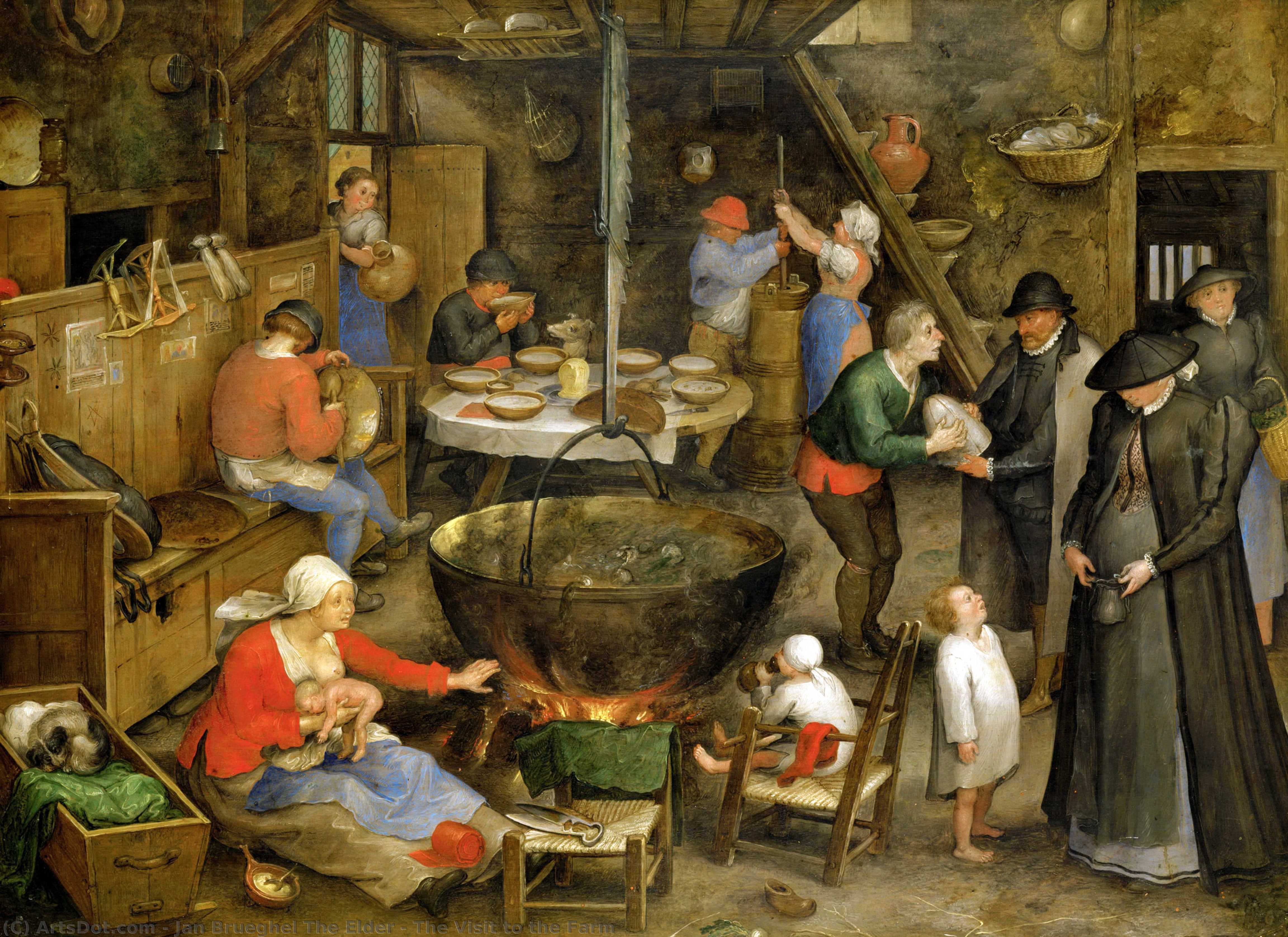
The Visit to the Farm


 詳細を見る
詳細を見る
オンラインプレビューをはるかに凌ぐ、高解像度で鮮明なデジタル画像をご購入いただけます。
各ファイルは、社内の専門家が高度なツールと熟練した手作業によるレタッチを用いて、細心の注意を払って準備されています。すべての画像において、卓越した鮮明度、正確な色彩再現性、そして繊細なディテールを保証いたします。
最終ファイルは、プロフェッショナルな編集・印刷環境ですぐにご利用いただけるよう最適化された状態で、72時間以内にメールにてお届けいたします。これは、一流のデザインスタジオ、出版社、ギャラリーから信頼されているものと同等の品質です。
デジタル画像のご注文に付随する特典
高品質なデジタル画像配信を、確かな品質で。
ArtsDot.com を選ぶことは、単に画像を手に入れることではありません。それは、プロの手によって精密に仕上げられ、満足保証が付いた高品質なデジタルアートワークを受け取ることを意味します。ご注文いただいた際に自動的に付随する内容は、以下の通りです:

メールですぐにお届け
ご注文から72時間以内に、高解像度のデジタル画像ファイルがメールでお手元に届きます。すぐにそのままご利用いただけます。

AI技術で最適化されたデジタルファイル
お客様の作品は、高度なAIツールと専門家による手作業の編集を組み合わせてプロフェッショナルに最適化されており、細部のディテール、鮮明さ、そして正確な色再現性を最大限に引き出しています。

一生涯無料の再送サービス
ファイルを誤って削除したり、紛失してしまったりしましたか?ご安心ください。いつでも無料で再送いたします。

輸入手数料は一切かかりません
関税や手数料、配送料を気にすることなく、お気に入りのアートワークをすぐにお楽しみいただけます。デジタルダウンロードは常に免税です。

色彩再現の保証
プロ仕様のツールとカラーマネジメント技術を用いることで、デジタル画像が元の色を最大限に忠実に再現することを保証いたします。

60日間満足保証
ご購入いただいたデジタル画像にご満足いただけない場合は、60日以内であれば、修正または100%の返金(理由を問う必要はありません)をさせていただきます。

100% 返金保証
ご満足いただけない場合は、デジタルファイルを受け取ってから60日以内であれば、理由を問わず全額返金いたします。

まとめ買い割引
3枚購入で10%OFF - 5枚購入で15%OFF - 10枚以上購入で20%OFF。クリエイティブなプロジェクト、ギャラリー、エージェンシーに最適です。
作品の詳細
A Snapshot of Rural Life: The Narrative Power of Brueghel’s “The Visit to the Tenant Farmer”
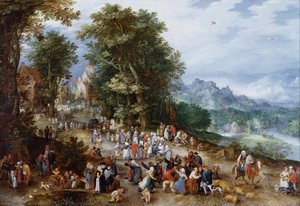
Jan Brueghel the Elder's "The Visit to the Tenant Farmer," painted around 1568, isn’t merely a depiction of a farm scene; it’s a vibrant tableau brimming with social commentary and a profound understanding of human nature. This oil painting, now housed in numerous collections worldwide, offers a glimpse into the everyday lives of Flemish peasants during the late 16th century – a period marked by both burgeoning prosperity and persistent hardship. Brueghel masterfully captures not just the outward appearance of rural life but also its inherent complexities, weaving together elements of celebration, labor, and quiet observation.
The composition is immediately arresting. A large group of figures occupies the central space, clustered around a long wooden table laden with food – bowls overflowing with stew, jugs of ale, and platters piled high with bread and meat. Children playfully chase each other amidst the bustle, while adults engage in conversation and partake in the feast. Brueghel’s skill lies not just in rendering these individual figures but in creating a dynamic sense of movement and interaction. The diagonals formed by the table, the people, and even the scattered tools contribute to this feeling of energetic life.
A Masterclass in Flemish Baroque Technique
Brueghel’s style firmly anchors this painting within the flourishing Flemish Baroque tradition. He employs a meticulous realism, evident in the detailed depiction of clothing, furniture, and even the individual faces of the peasants. However, he transcends mere imitation by imbuing his subjects with a remarkable sense of humanity. Notice how Brueghel uses light and shadow to sculpt forms, creating depth and volume within the scene. The warm glow emanating from the hearth contrasts sharply with the darker recesses of the room, drawing the viewer’s eye across the composition.
The artist's technique is particularly noteworthy for its use of color. He employs a rich palette of earthy tones – browns, greens, and ochres – to evoke the atmosphere of the countryside. Subtle variations in hue and saturation create visual interest and contribute to the overall sense of realism. Brueghel’s mastery of glazing—applying thin layers of translucent paint—allows him to achieve remarkable luminosity and depth, particularly in the rendering of fabrics and reflections on surfaces.
Symbolism and Social Commentary
Beyond its immediate visual appeal, “The Visit to the Tenant Farmer” is laden with symbolic meaning. The scene represents a typical day for Flemish peasants, who constituted the vast majority of the population at the time. Brueghel subtly critiques the social hierarchy inherent in rural society by depicting a shared meal amongst different social classes – farmers, laborers, and perhaps even a landowner observing from afar. The children’s playful antics suggest a hope for the future, while the adults' interactions hint at the challenges of daily life.
The inclusion of various tools—axes, scythes, and farming implements—underscores the importance of labor in this society. Brueghel doesn’t romanticize peasant life; he presents it with a frankness that reflects his own observations of rural Flemish communities. The painting serves as a poignant reminder of the lives lived by those who toiled tirelessly to sustain the region.
Emotional Resonance and Lasting Legacy
“The Visit to the Tenant Farmer” resonates deeply because it captures a universal human experience: the joy of communal gathering, the simple pleasures of food and fellowship, and the enduring spirit of community. Brueghel’s ability to convey these emotions through his masterful technique and astute observation is what elevates this painting beyond a mere depiction of rural life. It's a window into a bygone era, offering insights into the values, customs, and challenges faced by the people who shaped the landscape of Flanders.
Reproductions of this iconic work offer an exceptional opportunity to bring Brueghel’s vision into your home or office, allowing you to appreciate the artistry and social commentary embedded within its rich details. Consider framing it in a style that complements its historical context – perhaps a rustic wooden frame to evoke the farmhouse setting itself.
関連作品
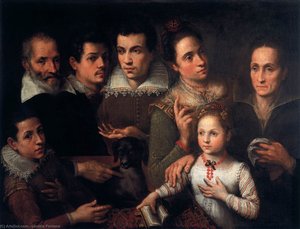
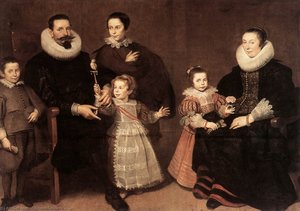
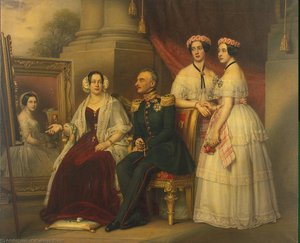
作家の略歴
フランドルの土壌に根ざした遺産
ヤン・ブリューゲル長男は、鮮やかな風景画と精巧な静物画で知られ、芸術的伝統が深く息づく家系から生まれた画家です。1628年にブリュッセルで生まれ、ネーデルランド・ルネサンス絵画の巨匠であり、農民生活や広大な景色を描いて美術史に名を刻んだピーテル・ブリューゲル長男の末っ子でした。父のような偉大な存在の影は重くのしかかったかもしれませんが、ヤンは単なる後継者ではなく、勃興するフランドル・バロック運動の中で革新者としての道を歩みました。彼の幼少期は喪失に満ちており、ピーテル・ブリューゲル長男が彼がまだ1歳になる前に亡くなり、母親も10年後に世を去りました。当初は尊敬された芸術家であった祖母、メイケン・フェルフルストによって育てられ、ヤンは絵画と水彩画の基礎訓練を受けました。これは生涯にわたる細部への観察力と技術的習熟への献身へとつながる良いスタートとなりました。幼少期のこの経験の影響と、アントワープの芸術的な熱狂の中で研究を続けたことが、受け継がれた才能と個人的なビジョンによって特徴づけられたキャリアの基礎を築きました。
バロック様式の開花
ブリューゲルの芸術的発展は、1590年代にイタリアへの旅行によって大きく形作られました。ナポリとローマは彼に、壮大さ、ドラマ性、そして色の感覚が強調された異なる美的感性を体験する機会を与えました。彼はこれらの影響を取り入れましたが、単に模倣することはありませんでした。むしろ、父から受け継いだ北部ヨーロッパの写実主義の伝統と融合させました。この融合の結果、イタリア・バロックの壮大さとフランドル絵画の精密さを祝うユニークな様式が生まれました。彼は特に花を描いた作品で「ベルベット・ブリューゲル」として知られるようになりました。これらの作品は単なる植物の研究ではありませんでした。それは、象徴的な意味合いを込めて、人生の儚い美しさを祝福するものでした。花の絵画以外にも、ブリューゲルは風景画に優れ、日常生活や神話的物語が展開される牧歌的なシーンを描きました。彼の構図はパノラマのような広がりと、葉一枚、昆虫一つ、水面の波紋一つに至るまで、細部に至る徹底した注意を特徴としています。
コラボレーションと革新
ヤン・ブリューゲルのキャリアは個人の業績だけによって定義されたものではありませんでした。彼はまた、熟練した共同制作者でもありました。彼の最も重要なパートナーシップは、おそらくフランドル・バロックの最も影響力のある芸術家であったピーテル・パウル・ルーベンスとのものでした。2人は親密な友情を育み、大規模なプロジェクトで頻繁に協力しました。通常、ルーベンスが人物を描き、ブリューゲルは風景画や静物画に焦点を当てました。このコラボレーションの結果、*アダムとイブの楽園*のような時代を代表する傑作が生み出されました。ルーベンスのダイナミックな人物像が、ブリューゲルの緑豊かで詳細な庭の背景にシームレスに統合されています。ルーベンスとのパートナーシップ以外にも、ブリューゲルは多才な革新者であり、花輪絵画や楽園風景画といった新しいジャンルを開拓しました。花輪絵画は宗教的または神話的なシーンを囲む精巧な花の配置で、17世紀に高まっていた美術品収集の関心を反映したギャラリー絵画も開発しました。
永続する影響
ヤン・ブリューゲル長男は1625年にアントワープで亡くなり、彼の生涯を超えて広がる遺産を残しました。彼の細部へのこだわり、鮮やかな色彩、革新的な構図は、後世のフランドル絵画に大きな影響を与えました。彼はディテールとリアリズムの新たな基準を確立し、芸術家たちに彼らの技術の限界に挑戦するよう促しました。彼の息子であるヤン・ブリューゲル2世は父の足跡をたどり、しばしば父の作品と区別がつかないような作品を生み出しました。しかし、家族の名声を確立し、美術史における重要な人物としての地位を確固たるものにしたのは、ヤン・ブリューゲル長男でした。彼の作品は、当時の芸術的潮流だけでなく、17世紀のより広範な知的および文化的変化も反映しています。これには、科学的観察の高まり、反宗教改革中に高まった宗教的な熱意、そして自然界の美しさや複雑さに対する評価が含まれます。ブリューゲルの絵画は、その精巧なディテール、鮮やかな色彩、そして永続する驚異の感覚によって、今日でも観客を魅了し続けています。
- テクスチャを巧みに表現したことから「ベルベット・ブリューゲル」として知られる。
- 花輪絵画と楽園風景画を開拓した。
- ピーテル・パウル・ルーベンスと親密に協力した。
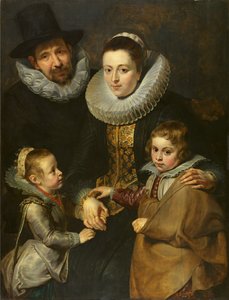
ヤン・ブリューゲル長男 (Yan Burūgeru Chōnan)
1568 - 1625 , ベルギー
プロフィール概要
- Artistic Movement Or Style: バロック様式
- Artists Or Movements Influenced By This Artist: ['フランドル絵画']
- Artists Who Influenced This Artist:
- ピーテル・ブリューゲル長男
- ルーベンス
- Date Of Birth: 1568年
- Date Of Death: 1625年
- Full Name: ヤン・ブリューゲル長男
- Nationality: フランドル人
- Notable Artworks (List Of Titles):
- ネプトゥヌスの勝利
- 花静物
- 滝のある風景
- Place Of Birth (City And Country): ブリュッセル、ベルギー

