

 プレビュー
プレビュー
 プリントを購入
 シェアする
シェアする シェアする
シェアする
 詳細を見る
詳細を見る

 ダウンロード
 似ている作品
 X線調査
X線調査 スライドショー
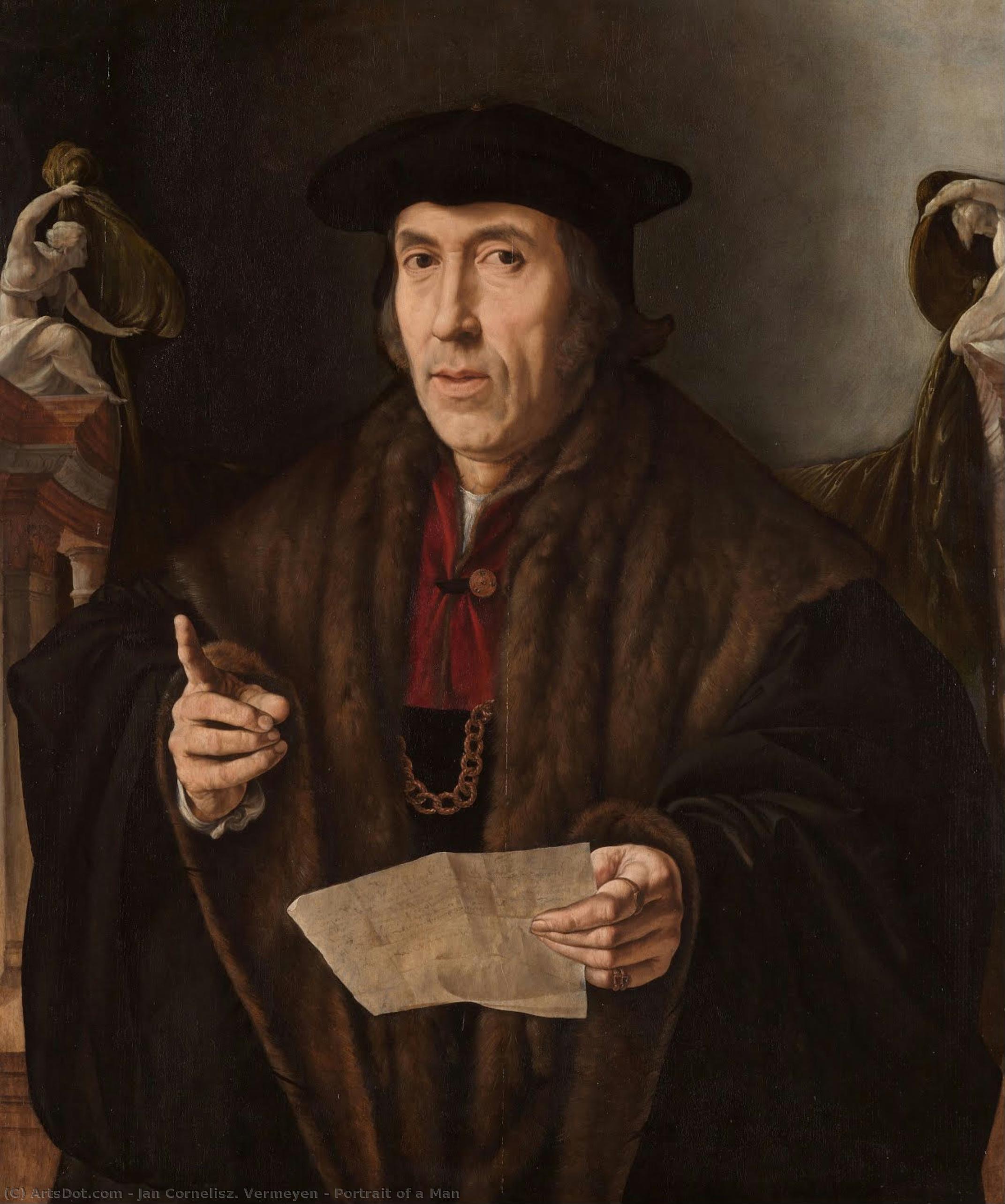
Portrait of a Man


 詳細を見る
詳細を見る




P118B $10

P118H $10

P118W $10

P438Z $10

P508JH $12

P508YH $12

P805H $10

P805Z $10

P919BZ $10

P919G $10

P919XJ $10

P959ZH $10

P968JZ $12

W106C $8

W218G $10

W218JH $8

W218Y $10

W307PJ $10

W316G $10

W316PJ $8

W316Y $10

W398PJ $8

W4111J $10

W500HY $15

W500JH $15

W692G $12

W849H $8

W940BG $15

W953PJ $8




作品のオリジナル比率に合わせた、当店の規定サイズからお選びください。

特定のフレームやスペースに合わせて、ご希望のサイズをご入力いただけます。選択されたサイズが元の画像の比率と異なる場合、アートワークをトリミングするか、手描きで要素を追加して絵画を拡張いたします。デジタルモックアップ を制作し、制作開始前にご確認(承認)をいただきます。
画面上のプレビューは、実際のトリミングや拡張を正確に反映しているものではありません。最終的な構図は、モックアップによってのみ正確にご確認いただけます。
カスタムサイズもご利用いただけますが、元の比率を維持するためには、あらかじめ用意されたリストからサイズを選択することをお勧めいたします。
ご注文後、ArtsDot.com チームより詳細な指示をお送りするとともに、仕上がりイメージ(モックアップ)をご提供いたします。


 ガラスオプションは、110cm未満のサイズでのみご利用いただけます。

Portrait of a Man
複製技法
複製画のサイズ
-


合計金額
$ 263
A Glimpse into the Renaissance Soul
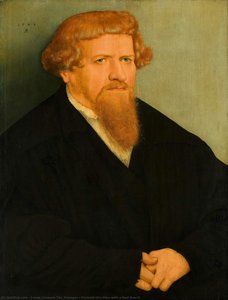
In the quiet intensity of Jan Cornelisz Vermeyen’s Portrait of a Man, painted around 1540, we are invited to step across the threshold of time and meet a figure from the heart of the Northern Renaissance. This evocative portrait captures more than just a likeness; it captures a moment of profound human presence. The subject, draped in a heavy black robe accented by a striking red collar, commands the viewer's attention with a gaze that feels both piercing and contemplative. As he holds a delicate piece of paper—perhaps a letter, a legal decree, or a poetic fragment—he bridges the gap between the private thoughts of an individual and the public persona of a man of significance. The interplay of light and shadow across his bearded features lends a sculptural quality to the work, reminding us of Vermeyen’s ability to blend the meticulous detail of the Dutch tradition with the burgeoning elegance of Italian influence.
The composition is masterfully orchestrated to create a sense of depth and intellectual weight. Beyond the central figure, the background reveals a carefully curated space that speaks to the subject's status and the era's fascination with classical antiquity. Two statues flank the man, acting as silent sentinels that ground the portrait in a world of humanist study and architectural grandeur. The presence of another figure standing subtly in the shadows behind him adds a layer of narrative mystery, suggesting a courtly environment filled with whispers, politics, and unseen observers. This layering of figures and objects creates a rich, atmospheric stage where every element serves to elevate the subject's importance.
Mastery of Technique and Historical Resonance
Vermeyen’s technique in this piece is a testament to his training under the lineage of Jan Gossaert, showcasing a profound command over texture and light. The way the artist renders the tactile contrast between the soft skin of the face, the coarse hair of the beard, and the heavy, light-absorbing fabric of the black robe demonstrates a virtuosity that was highly prized in the sixteenth century. For the discerning collector or interior designer, this painting offers a profound sense of historical gravity. The deep, saturated tones and the dramatic use of chiaroscuro provide a focal point that is both sophisticated and commanding, making it an ideal centerpiece for a room designed to inspire thought and conversation.
To possess a reproduction of such a work is to bring a piece of the Northern Renaissance into the modern home. The emotional impact of the Portrait of a Man lies in its ability to evoke nostalgia for an age of discovery and intellectual awakening. It is a work that does not merely decorate a wall but enriches the very atmosphere of a space, offering a window into a period where art, science, and humanism were inextricably linked. Whether placed in a library, a study, or a grand living area, this portrait serves as a timeless reminder of the enduring power of the human spirit and the lasting legacy of Jan Cornelisz Vermeyen.
関連作品
アーティストの略歴
Jan Cornelisz Vermeyen: Bridging Northern Renaissance Brilliance and Italian Elegance
Jan Cornelisz Vermeyen, known to history by the evocative monikers Jan Mayo or Barbalonga, stands as a luminous figure of the Dutch Northern Renaissance. Born around 1503 in Beverwijk, a quiet village north of Haarlem, his life was far from provincial. Instead, it was a grand odyssey through the most powerful courts of sixteenth-century Europe. Vermeyen was not merely a painter; he was a visual chronicler of empire, a master tapestry designer, and a printmaker whose work synthesized the meticulous realism of the Low Countries with the burgeoning classical grace of the Italian Renaissance. His career flourished during the reign of Charles V, an era where art served as both a profound spiritual expression and a potent instrument of imperial propaganda.
The artistic soul of Vermeyen was forged in the crucible of the Romanism movement. While the specific details of his early apprenticeship remain shrouded in the mists of time, his stylistic DNA reveals a deep connection to the masters of the era. One can discern the heavy, sculptural influence of Jan Gossaert and the sophisticated, humanist approach of Jan van Scorel within his compositions. These pioneers had traveled to Rome, bringing back the light and anatomical precision of the Italian masters to the North. Vermeyen absorbed this fusion, developing a technique that allowed him to marry the tactile, descriptive textures characteristic of Netherlandish art with a new, rhythmic elegance derived from Mediterranean ideals.
A Courtly Life of Grandeur and Conquest
Vermeyen’s professional ascent was inextricably linked to the Habsburg dynasty. His talent earned him prestigious positions within the inner circles of power, serving as a portraitist for the governors of the Habsburg Netherlands, including the formidable Archduchess Margaret of Austria and Mary of Hungary. This proximity to royalty provided him with unparalleled subject matter and the resources to execute works of immense scale. His life was one of movement and spectacle; he was not a cloistered studio artist but a traveler who witnessed history unfolding.
Perhaps his most legendary achievement was his role as an eyewitness and artist during the Emperor Charles V's military campaign to Tunis in 1535. Accompanied by the imperial entourage, Vermeyen captured the drama of conflict and the exoticism of distant lands. This period of his life bore fruit in his monumental tapestry designs, which were intended to immortalize the Emperor’s triumphs. These tapestries were more than mere decorations; they were woven narratives of power, designed to project the glory of the Habsburgs across the continent. Through these grand textiles, Vermeyen transformed fleeting military victories into enduring legacies of cloth and thread.
Legacy of the Master Printmaker and Portraitist
Beyond the sweeping vistas of his tapestries, Vermeyen’s mastery extended to the intimate scale of portraiture and printmaking. He possessed a rare ability to capture the psychological depth of his sitters, imbuing them with a sense of dignity and presence that transcended the medium. His portraits of high-ranking officials and even foreign monarchs—such as the striking depiction of Moulay Hassan, the Hafsid king of Tunis—demonstrate a profound command over light, shadow, and human expression. It is a testament to his lasting impact that his compositions continued to inspire later masters, including the legendary Peter Paul Rubens.
As his career progressed, Vermeyen’s work contributed to a broader cultural shift in Northern Europe, helping to establish a visual language that was both local and universal. His ability to navigate between the roles of a meticulous genre painter and a grand historical storyteller allowed him to leave an indelible mark on the sixteenth century. Though he passed away in 1559, leaving behind a legacy etched in oil, print, and weave, the spirit of his innovation remains a vital chapter in the story of European art—a bridge between the medieval traditions of the North and the classical rebirth of the South.
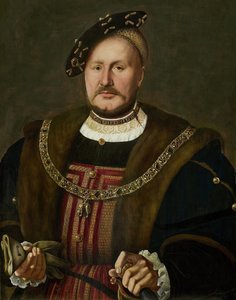
jan cornelisz. vermeyen
1504 - 1559 , Netherlands
基本情報
- Artistic Movement Or Style: Northern Renaissance
- Artists Or Movements Influenced By This Artist:
- Willem Vester
- Johan Mari Henri Ten Kate
- Artists Who Influenced This Artist:
- Jan Gossaert
- Jan van Scorel
- Date Of Birth: 1504
- Date Of Death: 1559
- Full Name: Jan Cornelisz Vermeyen
- Nationality: Dutch
- Notable Artworks:
- Judith With The Head Of Holofernes
- The Marriage at Cana
- Portrait of Charles V
- Place Of Birth: Beaverwijk, Netherlands
関連記事

Dark Masterpieces: 10 Iconic Paintings Dominated by Black Tones |
Explore 10 iconic paintings dominated by black tones, from Rembrandt’s chiaroscuro to Goya's dark expressions. Discover the stories behind these masterpieces & find museum-quality art reproductions for your home at .

Crimson Threads of Narrative: Exploring Symbolism & Representation in Artworks Featuring the Red Dress
Explore the rich symbolism of the red dress in art history! From ancient power displays to iconic portraits like Cézanne’s 'Madame Cezanne', discover the cultural and artistic significance behind this captivating color. Expert analysis & insights.

マーク・ロスコ傑作25選:色彩が織りなす深遠な世界|ArtsDot
マーク・ロスコの傑作25選。抽象表現主義を代表する巨匠、色彩が織りなす深遠な世界を探求します。絵画の背景や技法、感動的なストーリーを紐解き、ArtsDotで高品質なアートプリントをお楽しみください。リビングやオフィスにモダンアートを飾るなら!
Mars Black Masterpieces: 10 Iconic Paintings & Timeless Art Decor Ideas
Delve into the power of 'Mars Black' with 10 iconic paintings by masters like Rembrandt & Caravaggio. Explore dramatic chiaroscuro, gothic art, and timeless beauty. Find museum-quality reproductions & elevate your home decor on .
Ivory Black Masters: 10 Paintings That Define Dramatic Art |
Delve into the power of 'Ivory Black' with 10 iconic paintings by masters like Rembrandt & Caravaggio. Explore dramatic chiaroscuro, gothic moods & timeless art history. Find museum-quality reproductions and elevate your home decor at

