

 プレビュー
プレビュー
 プリントを購入
 シェアする
シェアする シェアする
シェアする
 詳細を見る
詳細を見る

 ダウンロード
 似ている作品
 X線調査
X線調査 スライドショー
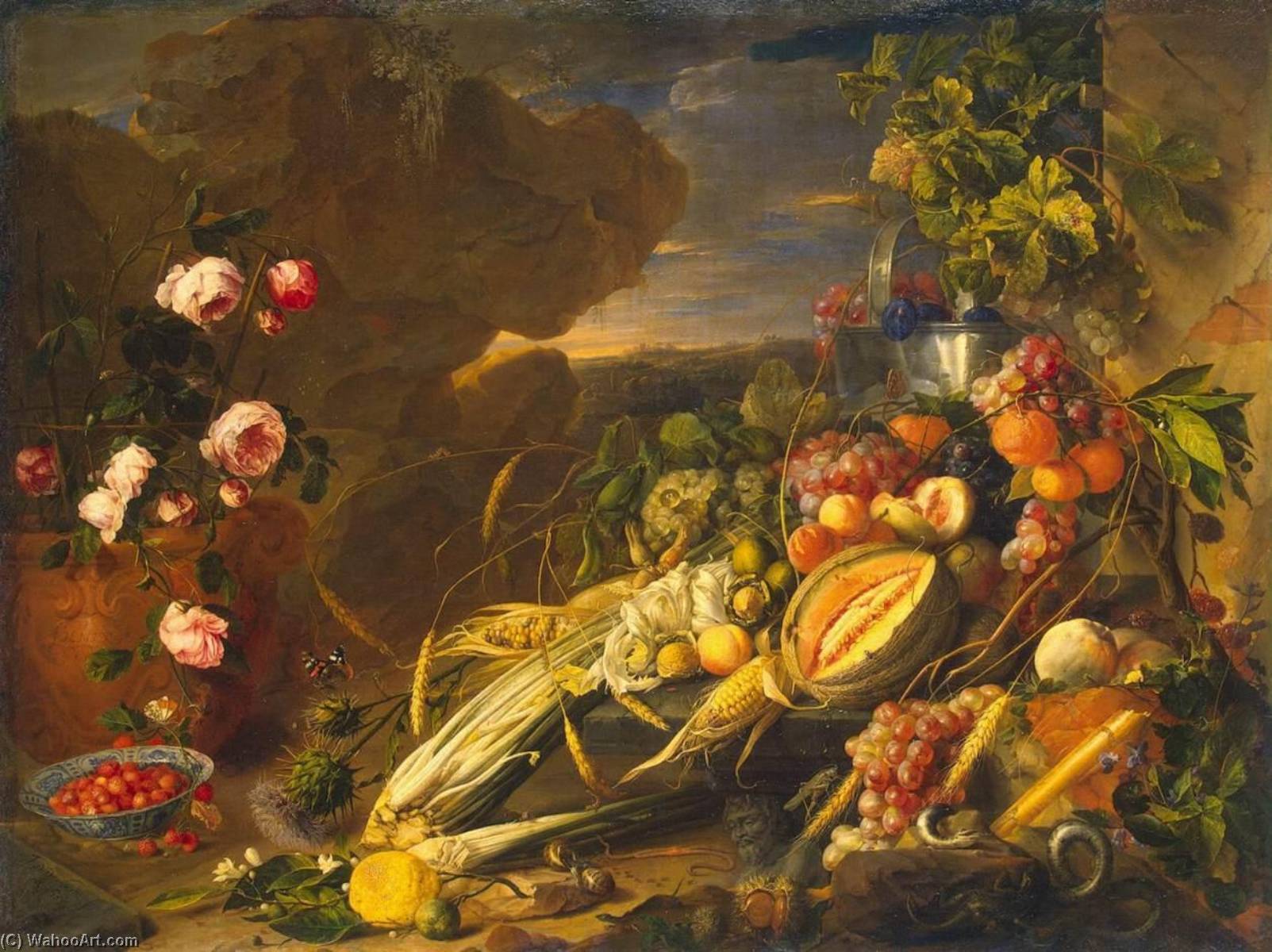
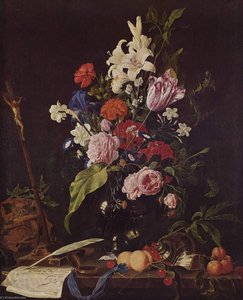
Fruit and a Vase of Flowers


 詳細を見る
詳細を見る




































作品のオリジナル比率に合わせた、当店の規定サイズからお選びください。

特定のフレームやスペースに合わせて、ご希望のサイズをご入力いただけます。選択されたサイズが元の画像の比率と異なる場合、アートワークをトリミングするか、手描きで要素を追加して絵画を拡張いたします。デジタルモックアップ を制作し、制作開始前にご確認(承認)をいただきます。
画面上のプレビューは、実際のトリミングや拡張を正確に反映しているものではありません。最終的な構図は、モックアップによってのみ正確にご確認いただけます。
カスタムサイズもご利用いただけますが、元の比率を維持するためには、あらかじめ用意されたリストからサイズを選択することをお勧めいたします。
ご注文後、ArtsDot.com チームより詳細な指示をお送りするとともに、仕上がりイメージ(モックアップ)をご提供いたします。


 ガラスオプションは、110cm未満のサイズでのみご利用いただけます。

Fruit and a Vase of Flowers
複製技法
複製画のサイズ
-


合計金額
$ 263
作品解説
Artistic Style and Technique
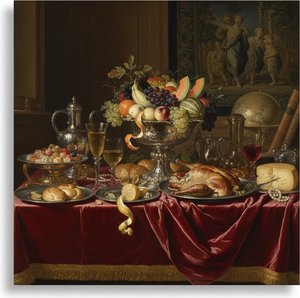
De Heem's work is characterized by his use of vibrant colors, intricate details, and a deep understanding of light and shadow. In Fruit and a Vase of Flowers, he employs a range of techniques to create a sense of depth and texture, drawing the viewer's eye into the composition. The arrangement of fruits, including grapes, apples, and oranges, is carefully balanced with the delicate flowers in the vase, creating a harmonious and visually appealing scene. Still life paintings like Fruit and a Vase of Flowers were highly prized during the Dutch Golden Age, and De Heem was one of the most sought-after artists of his time. His work can be found in many prominent museums, including the Mauritshuis in The Hague, which features an impressive collection of still life paintings.- Visit https://ArtsDot.com to explore a wide range of handmade oil painting reproductions, including works by Jan Davidszoon De Heem and other famous artists.
- Discover more about the life and work of Jan Davidszoon De Heem on Wikipedia: https://en.wikipedia.org/wiki/Jan_Davidsz._de_Heem
Conclusion
Fruit and a Vase of Flowers is a testament to the artistic genius of Jan Davidszoon De Heem. This beautiful painting continues to inspire art lovers around the world, and its intricate details and masterful use of color make it a true masterpiece. Whether you're an art enthusiast or simply appreciate the beauty of still life paintings, Fruit and a Vase of Flowers is a must-see work that will leave you in awe of De Heem's skill and creativity.Explore the world of handmade oil painting reproductions at https://ArtsDot.com and discover the beauty of Jan Davidszoon De Heem's artwork for yourself.
関連作品

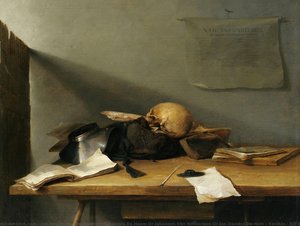
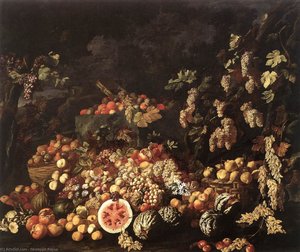
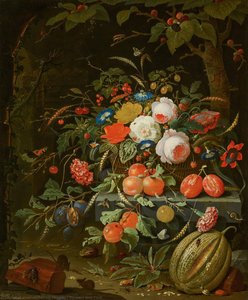
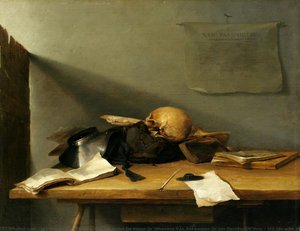
アーティストの略歴
The Master of Opulence: The Life and Legacy of Jan Davidszoon de Heem
In the golden age of the seventeenth century, few artists possessed the ability to transform a simple arrangement of objects into a profound sensory experience quite like Jan Davidszoon de Heem. Born Johannes van Antwerpen in Utrecht around 1606, de Heem emerged as a titan of the Dutch Baroque, a painter whose brushwork could breathe life into the most delicate petal and lend a succulent weight to a ripening peach. His journey began under the watchful eye of his father, David de Heem the Elder, a respected painter who provided the foundational lessons in perspective and meticulous observation that would become the hallmarks of Jan's mature style. This early training was further enriched by his time in Leiden, where he studied the dramatic interplay of light and shadow—the chiaroscuro—under David Bailly, an influence that would later allow him to imbue his still lifes with a theatrical, almost breathing, vitality.
As de Heem’s reputation blossomed, so too did his geographical horizons. His move to Antwerp around 1635 or 1636 marked a pivotal transition from the Dutch tradition toward the more exuberant Flemish Baroque style. Joining the prestigious Guild of Saint Luke, he became a central figure in the bustling artistic community of the Southern Netherlands. It was here that his work began to achieve its most celebrated form: the "orchestration of visual feasts." De Heem did not merely paint objects; he composed them. His canvases became grand stages where silver chalices, exotic shells, and overflowing clusters of grapes were arranged with a calculated, breathtaking complexity that spoke to the wealth and global reach of the era.
A Symphony of Texture and Symbolism
To gaze upon a de Heem masterpiece is to enter a world of tactile wonder. His technique was characterized by an almost obsessive attention to detail, a quality that elevated the still life genre from mere decoration to high art. He possessed a singular ability to manipulate oil paint to mimic the diverse textures of the natural world—the velvety fuzz of a peach, the cold glint of polished silver, the translucent fragility of a dragonfly's wing, and the heavy, dew-drenched petals of a tulip. This mastery of naturalism ensured that his works were not only visually stunning but also deeply immersive.
Beyond the surface beauty, however, lay a deeper, more contemplative layer of meaning. De Heem was a master of the Vanitas theme, a popular motif in Baroque art that served as a poignant reminder of the transience of life and the inevability of death. Within his lush arrangements, one might find subtle symbols of decay: a bruised fruit, a wilting flower, or an overturned goblet. These elements acted as a spiritual counterpoint to the material opulence on display, inviting the viewer to reflect on the fleeting nature of earthly pleasures. This duality—the celebration of life's abundance paired with a somber meditation on mortality—is what gives his work such enduring emotional resonance.
Historical Significance and Artistic Influence
The impact of Jan Davidszoon de Heem extends far beyond his own lifetime. He was the progenitor of a lineage of still-life specialists, influencing not only his sons, such as Cornelis and Jan Janszoon de Heem, but also an entire generation of European painters. His ability to blend the meticulous precision of the Dutch tradition with the dramatic, emotive energy of the Flemish style created a new standard for the genre. His works became highly sought after by the most prestigious collectors in Europe, finding homes in royal galleries and grand estates, where they served as symbols of both taste and intellectual depth.
Today, de Heem’s legacy is preserved in the world's most esteemed institutions, from the State Hermitage Museum to the Mauritshuis. His paintings remain vital touchstones for understanding the cultural complexities of the seventeenth century—a period defined by scientific discovery, global trade, and profound religious shifts. Through his unparalleled ability to capture the ephemeral beauty of the natural world, Jan Davidszoon de Heem ensured that the fleeting moments of a summer harvest would remain eternally vibrant, frozen in a state of magnificent, everlasting bloom.
jan davidszoon de heem
1606 - 1684
基本情報
- Artistic Movement Or Style: Dutch Baroque
- Artists Or Movements Influenced By This Artist: ['Jacob Marrel']
- Artists Who Influenced This Artist:
- David de Heem (father)
- Balthasar van der Ast
- Date Of Birth: 1606
- Date Of Death: 1684
- Full Name: Jan Davidszoon de Heem
- Nationality: Dutch
- Notable Artworks:
- Still Life: A Banqueting Scene
- Festoon of Fruit and Flowers
- Garland with fruits
- Place Of Birth: Utrecht, Netherlands
関連記事

黄金世紀の巨匠たち:バロック絵画が彩る10選|ArtsDot
オランダ黄金時代の10大傑作を紐解く!レンブラント、フェルメール…バロック絵画の魅力と時代背景を深く探求。ArtsDotで、至高のアートコレクションと空間演出のヒントを見つけよう。高品質なアートプリントで、お部屋を華やかに。
Jan Jansz Wijnants: A Study in Dutch Golden Age Still Life & Floral Transience
Explore the captivating world of Jan Wijnants and Dutch Golden Age still life painting. Discover symbolism, masterful techniques & lasting influence on floral art history. Learn more!

Golden Age Reflections: Dutch Baroque Painting & Cultural Innovation
Explore the Dutch Golden Age of painting! Discover key artists like Vermeer & ter Borch, their innovative techniques, and the rich cultural context behind these Baroque masterpieces. Learn about collecting & appreciating this iconic art period.
Abraham Hendricksz van Beyeren: Pioneering Dutch Still Life & the Banquet Tradition
Explore the captivating world of Dutch Golden Age still life with Abraham van Beyeren. Discover his innovative techniques, symbolic banquet scenes & lasting influence on art history. Learn about collecting these masterpieces.

Illuminating Innovation: Exploring the Dutch Golden Age of Painting
Explore the Dutch Golden Age of painting with ArtsDot. Discover Rembrandt, Vermeer & other Masters. Learn about key characteristics, iconic artworks, and lasting influence. Expert insights for collectors & enthusiasts.

