

 プレビュー
プレビュー
 プリントを購入
 シェアする
シェアする シェアする
シェアする
 詳細を見る
詳細を見る

 ダウンロード
 似ている作品
 X線調査
X線調査 スライドショー
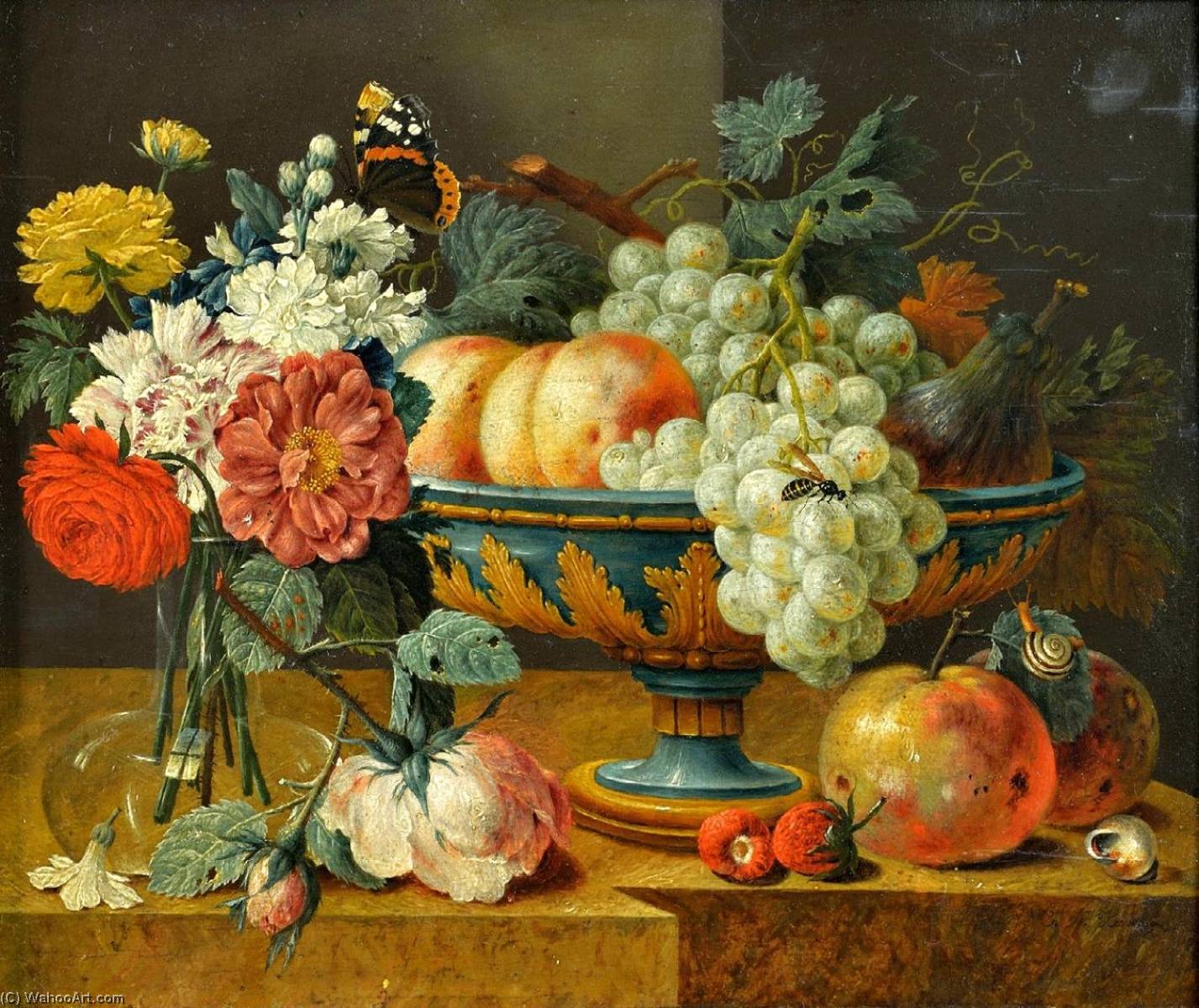
Fruit Bowl with Flowers


 詳細を見る
詳細を見る




































作品のオリジナル比率に合わせた、当店の規定サイズからお選びください。

特定のフレームやスペースに合わせて、ご希望のサイズをご入力いただけます。選択されたサイズが元の画像の比率と異なる場合、アートワークをトリミングするか、手描きで要素を追加して絵画を拡張いたします。デジタルモックアップ を制作し、制作開始前にご確認(承認)をいただきます。
画面上のプレビューは、実際のトリミングや拡張を正確に反映しているものではありません。最終的な構図は、モックアップによってのみ正確にご確認いただけます。
カスタムサイズもご利用いただけますが、元の比率を維持するためには、あらかじめ用意されたリストからサイズを選択することをお勧めいたします。
ご注文後、ArtsDot.com チームより詳細な指示をお送りするとともに、仕上がりイメージ(モックアップ)をご提供いたします。


 ガラスオプションは、110cm未満のサイズでのみご利用いただけます。

Fruit Bowl with Flowers
複製技法
複製画のサイズ
-


合計金額
$ 263
関連作品

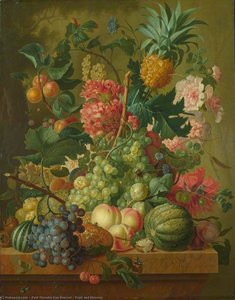
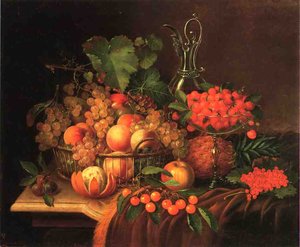
アーティストの略歴
Jan Davidszoon de Heem: The Quintessential Dutch Still Life Master
Jan Davidszoon de Heem (c. 1606 – before April 26, 1684) stands as one of the most celebrated figures in Dutch Baroque painting, achieving renown primarily for his breathtakingly realistic depictions of still lifes—a genre he elevated to unparalleled heights of artistic sophistication. Born Johannes van Antwerpen in Utrecht, de Heem’s early life remains somewhat shrouded in mystery, though he apprenticed under his father, David de Heem the Elder, a respected artist himself who instilled in him a foundational understanding of perspective and meticulous observation. This formative influence extended beyond familial ties; he honed his skills further under the tutelage of Balthasar van der Ast, arguably Utrecht’s most prominent painter during that era, absorbing the stylistic precepts of Antwerp Mannerism alongside classical principles. His artistic journey took him to Leiden around 1625 where he studied diligently with David Bailly, a fellow artist known for his innovative use of chiaroscuro—the dramatic interplay of light and shadow—a technique de Heem would master with exceptional precision. Leiden provided fertile ground for experimentation and intellectual discourse, shaping the young de Heem’s artistic sensibilities. Recognizing his burgeoning talent, he swiftly moved to Antwerp in 1635 or 1636, joining the Guild of Saint Luke and securing a berth as a citizen—a significant step toward establishing himself as a professional artist within the bustling Flemish art world. Despite frequent absences due to guild obligations and administrative duties, de Heem’s reputation grew exponentially, attracting commissions from wealthy patrons eager to adorn their homes with his masterful creations. De Heem's artistic style is characterized by an obsessive attention to detail—a hallmark of Dutch Baroque painting—and a profound understanding of naturalism. Unlike many contemporaries who favored idealized landscapes or mythological subjects, de Heem focused exclusively on inanimate objects arranged in elaborate compositions. His still lifes are renowned for their luminous colors achieved through glazing techniques and masterful rendering of textures – from velvety petals to glistening fruit skins. Recurring motifs include exotic fruits—particularly peaches and pears—flowers (roses, lilies, tulips), insects (bees, butterflies), and occasionally skulls or vanitas symbols representing mortality—a deliberate reminder of the transience of earthly existence. These elements are interwoven with meticulous geometric precision, reflecting the influence of Renaissance perspective and demonstrating de Heem’s mastery of artistic conventions. His sons played an integral role in his workshop, assisting him in preparing for commissions and ensuring the quality control of finished paintings. Notably, Jan Davidszoon de Heem collaborated closely with his eldest son Cornelis, who continued to practice as a still life painter, upholding the family’s legacy of artistic excellence. The artist's success was undeniable; he commanded considerable fees and achieved fame beyond Utrecht and Antwerp. A portrait of William III surrounded by flowers fetched an astounding 2000 guilders—the highest price ever paid for a painting during the Dutch Golden Age—a testament to his artistic prestige and the admiration of his patrons. Throughout his career, de Heem produced an astonishing output of approximately 350 paintings, cementing his place as one of the foremost artists of his time. His work is housed in museums across Europe, including the Mauritshuis in The Hague and the Rijksmuseum in Amsterdam, where visitors can marvel at the enduring beauty and technical brilliance of his masterpieces. Jan Davidszoon de Heem’s legacy extends beyond mere artistic achievement; he embodies the spirit of Dutch Baroque—a celebration of observation, meticulous craftsmanship, and a contemplative engagement with themes of life and death—leaving an indelible mark on art history as a true visionary of his era.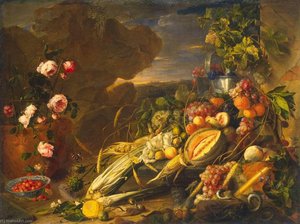
jan davidszoon de heem
1606 - 1684
基本情報
- Artistic Movement Or Style: Dutch Baroque
- Artists Or Movements Influenced By This Artist: ['Jacob Marrel']
- Artists Who Influenced This Artist:
- David de Heem (father)
- Balthasar van der Ast
- Date Of Birth: 1606
- Date Of Death: 1684
- Full Name: Jan Davidszoon de Heem
- Nationality: Dutch
- Notable Artworks:
- Still Life: A Banqueting Scene
- Festoon of Fruit and Flowers
- Garland with fruits
- Place Of Birth: Utrecht, Netherlands
関連記事

黄金世紀の巨匠たち:バロック絵画が彩る10選|ArtsDot
オランダ黄金時代の10大傑作を紐解く!レンブラント、フェルメール…バロック絵画の魅力と時代背景を深く探求。ArtsDotで、至高のアートコレクションと空間演出のヒントを見つけよう。高品質なアートプリントで、お部屋を華やかに。
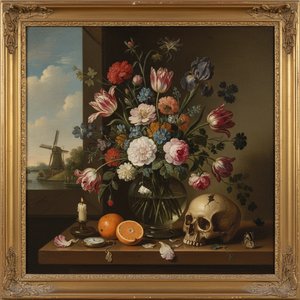
Jan Jansz Wijnants: A Study in Dutch Golden Age Still Life & Floral Transience
Explore the captivating world of Jan Wijnants and Dutch Golden Age still life painting. Discover symbolism, masterful techniques & lasting influence on floral art history. Learn more!
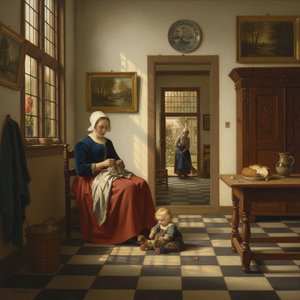
Pieter de Hooch: Illuminating Dutch Domestic Life & Golden Age Charm
Explore the captivating world of Pieter de Hooch, a master of Dutch Golden Age painting. Discover his innovative use of light, intimate domestic scenes, and lasting influence on art history. Learn more at ArtsDot.

Golden Age Reflections: Dutch Baroque Painting & Cultural Innovation
Explore the Dutch Golden Age of painting! Discover key artists like Vermeer & ter Borch, their innovative techniques, and the rich cultural context behind these Baroque masterpieces. Learn about collecting & appreciating this iconic art period.

Illuminating Innovation: Exploring the Dutch Golden Age of Painting
Explore the Dutch Golden Age of painting with ArtsDot. Discover Rembrandt, Vermeer & other Masters. Learn about key characteristics, iconic artworks, and lasting influence. Expert insights for collectors & enthusiasts.

