

 プレビュー
プレビュー
 プリントを購入
 シェアする
シェアする シェアする
シェアする
 詳細を見る
詳細を見る

 ダウンロード
 似ている作品
 X線調査
X線調査 スライドショー
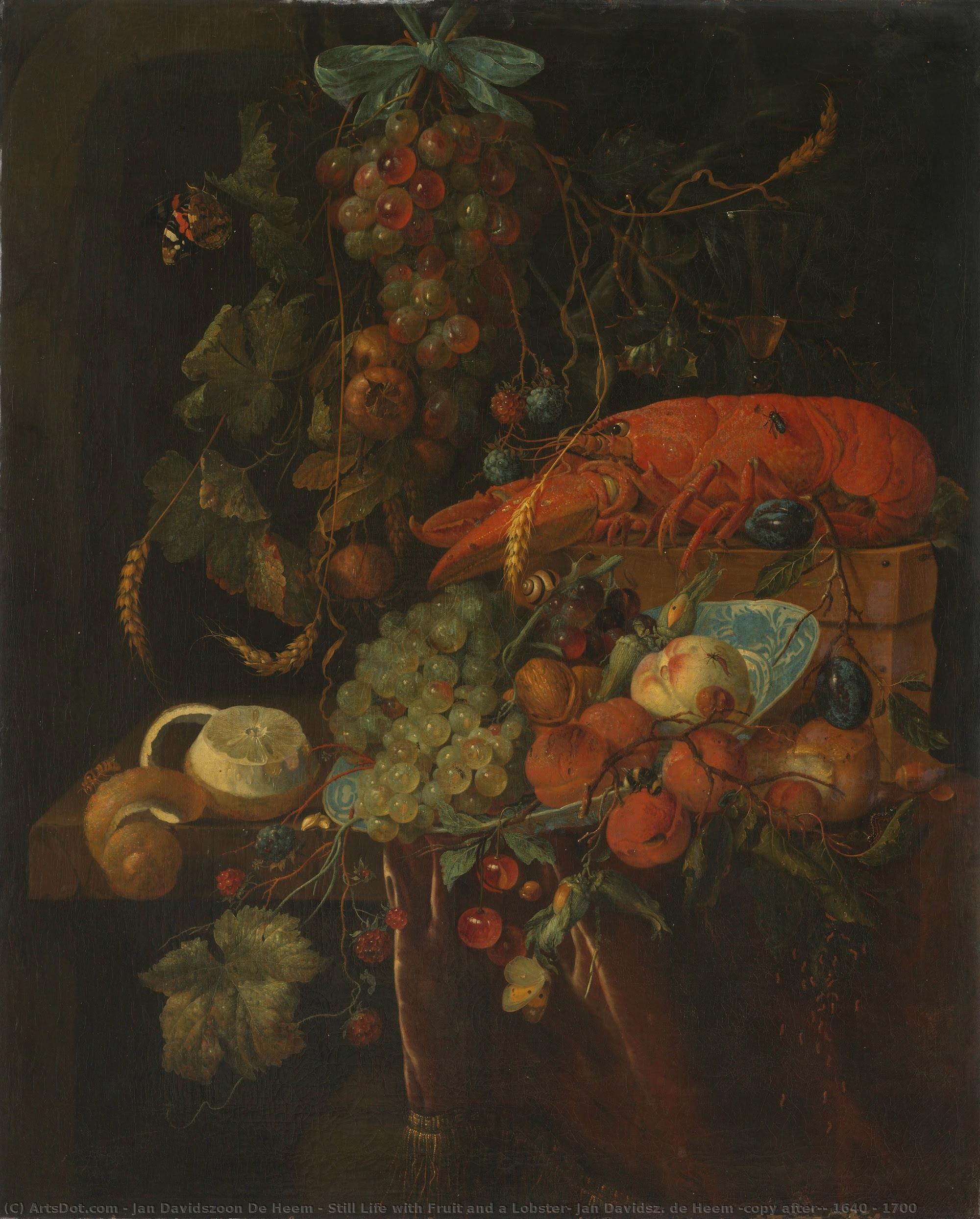
Still Life with Fruit and a Lobster, Jan Davidsz. de Heem (copy after), 1640 - 1700
 1700
1700 70.0 x 59.0 cm
 詳細を見る
詳細を見る
オンラインプレビューをはるかに凌ぐ、高解像度で鮮明なデジタル画像をご購入いただけます。
各ファイルは、社内の専門家が高度なツールと熟練した手作業によるレタッチを用いて、細心の注意を払って準備されています。すべての画像において、卓越した鮮明度、正確な色彩再現性、そして繊細なディテールを保証いたします。
最終ファイルは、プロフェッショナルな編集・印刷環境ですぐにご利用いただけるよう最適化された状態で、72時間以内にメールにてお届けいたします。これは、一流のデザインスタジオ、出版社、ギャラリーから信頼されているものと同等の品質です。
デジタル画像のご注文に付随する特典
高品質なデジタル画像配信を、確かな品質で。
ArtsDot.com を選ぶことは、単に画像を手に入れることではありません。それは、プロの手によって精密に仕上げられ、満足保証が付いた高品質なデジタルアートワークを受け取ることを意味します。ご注文いただいた際に自動的に付随する内容は、以下の通りです:

メールですぐにお届け
ご注文から72時間以内に、高解像度のデジタル画像ファイルがメールでお手元に届きます。すぐにそのままご利用いただけます。

AI技術で最適化されたデジタルファイル
お客様の作品は、高度なAIツールと専門家による手作業の編集を組み合わせてプロフェッショナルに最適化されており、細部のディテール、鮮明さ、そして正確な色再現性を最大限に引き出しています。

一生涯無料の再送サービス
ファイルを誤って削除したり、紛失してしまったりしましたか?ご安心ください。いつでも無料で再送いたします。

輸入手数料は一切かかりません
関税や手数料、配送料を気にすることなく、お気に入りのアートワークをすぐにお楽しみいただけます。デジタルダウンロードは常に免税です。

色彩再現の保証
プロ仕様のツールとカラーマネジメント技術を用いることで、デジタル画像が元の色を最大限に忠実に再現することを保証いたします。

60日間満足保証
ご購入いただいたデジタル画像にご満足いただけない場合は、60日以内であれば、修正または100%の返金(理由を問う必要はありません)をさせていただきます。

100% 返金保証
ご満足いただけない場合は、デジタルファイルを受け取ってから60日以内であれば、理由を問わず全額返金いたします。

まとめ買い割引
3枚購入で10%OFF - 5枚購入で15%OFF - 10枚以上購入で20%OFF。クリエイティブなプロジェクト、ギャラリー、エージェンシーに最適です。
作品の詳細
関連作品




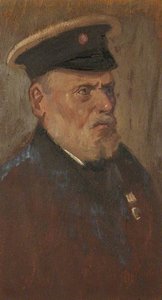


作家の略歴
The Master of Opulence: The Life and Legacy of Jan Davidszoon de Heem
In the golden age of the seventeenth century, few artists possessed the ability to transform a simple arrangement of objects into a profound sensory experience quite like Jan Davidszoon de Heem. Born Johannes van Antwerpen in Utrecht around 1606, de Heem emerged as a titan of the Dutch Baroque, a painter whose brushwork could breathe life into the most delicate petal and lend a succulent weight to a ripening peach. His journey began under the watchful eye of his father, David de Heem the Elder, a respected painter who provided the foundational lessons in perspective and meticulous observation that would become the hallmarks of Jan's mature style. This early training was further enriched by his time in Leiden, where he studied the dramatic interplay of light and shadow—the chiaroscuro—under David Bailly, an influence that would later allow him to imbue his still lifes with a theatrical, almost breathing, vitality.
As de Heem’s reputation blossomed, so too did his geographical horizons. His move to Antwerp around 1635 or 1636 marked a pivotal transition from the Dutch tradition toward the more exuberant Flemish Baroque style. Joining the prestigious Guild of Saint Luke, he became a central figure in the bustling artistic community of the Southern Netherlands. It was here that his work began to achieve its most celebrated form: the "orchestration of visual feasts." De Heem did not merely paint objects; he composed them. His canvases became grand stages where silver chalices, exotic shells, and overflowing clusters of grapes were arranged with a calculated, breathtaking complexity that spoke to the wealth and global reach of the era.
A Symphony of Texture and Symbolism
To gaze upon a de Heem masterpiece is to enter a world of tactile wonder. His technique was characterized by an almost obsessive attention to detail, a quality that elevated the still life genre from mere decoration to high art. He possessed a singular ability to manipulate oil paint to mimic the diverse textures of the natural world—the velvety fuzz of a peach, the cold glint of polished silver, the translucent fragility of a dragonfly's wing, and the heavy, dew-drenched petals of a tulip. This mastery of naturalism ensured that his works were not only visually stunning but also deeply immersive.
Beyond the surface beauty, however, lay a deeper, more contemplative layer of meaning. De Heem was a master of the Vanitas theme, a popular motif in Baroque art that served as a poignant reminder of the transience of life and the inevability of death. Within his lush arrangements, one might find subtle symbols of decay: a bruised fruit, a wilting flower, or an overturned goblet. These elements acted as a spiritual counterpoint to the material opulence on display, inviting the viewer to reflect on the fleeting nature of earthly pleasures. This duality—the celebration of life's abundance paired with a somber meditation on mortality—is what gives his work such enduring emotional resonance.
Historical Significance and Artistic Influence
The impact of Jan Davidszoon de Heem extends far beyond his own lifetime. He was the progenitor of a lineage of still-life specialists, influencing not only his sons, such as Cornelis and Jan Janszoon de Heem, but also an entire generation of European painters. His ability to blend the meticulous precision of the Dutch tradition with the dramatic, emotive energy of the Flemish style created a new standard for the genre. His works became highly sought after by the most prestigious collectors in Europe, finding homes in royal galleries and grand estates, where they served as symbols of both taste and intellectual depth.
Today, de Heem’s legacy is preserved in the world's most esteemed institutions, from the State Hermitage Museum to the Mauritshuis. His paintings remain vital touchstones for understanding the cultural complexities of the seventeenth century—a period defined by scientific discovery, global trade, and profound religious shifts. Through his unparalleled ability to capture the ephemeral beauty of the natural world, Jan Davidszoon de Heem ensured that the fleeting moments of a summer harvest would remain eternally vibrant, frozen in a state of magnificent, everlasting bloom.
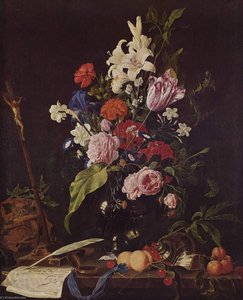
jan davidszoon de heem
1606 - 1684
プロフィール概要
- Artistic Movement Or Style: Dutch Baroque
- Artists Or Movements Influenced By This Artist: ['Jacob Marrel']
- Artists Who Influenced This Artist:
- David de Heem (father)
- Balthasar van der Ast
- Date Of Birth: 1606
- Date Of Death: 1684
- Full Name: Jan Davidszoon de Heem
- Nationality: Dutch
- Notable Artworks:
- Still Life: A Banqueting Scene
- Festoon of Fruit and Flowers
- Garland with fruits
- Place Of Birth: Utrecht, Netherlands

