

 プレビュー
プレビュー
 プリントを購入
 シェアする
シェアする シェアする
シェアする
 詳細を見る
詳細を見る

 ダウンロード
 似ている作品
 X線調査
X線調査 スライドショー
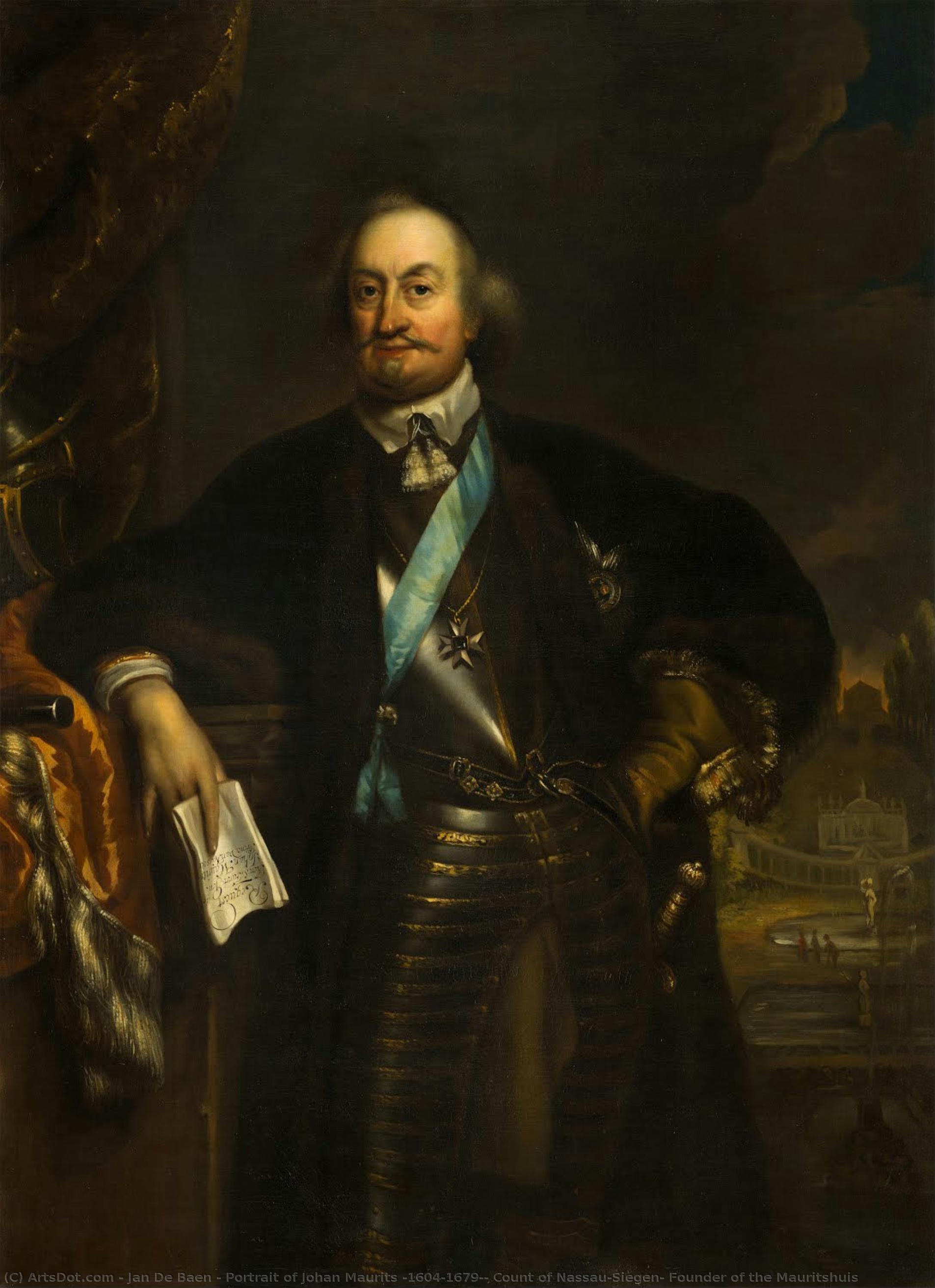
Portrait of Johan Maurits (1604-1679), Count of Nassau-Siegen, Founder of the Mauritshuis
 Acrylic On Canvas
- WallArt
- Dutch Baroque
 1670
1670 151.0 x 114.0 cm
 モウリツハウイス
 詳細を見る
詳細を見る
オンラインプレビューをはるかに凌ぐ、高解像度で鮮明なデジタル画像をご購入いただけます。
各ファイルは、社内の専門家が高度なツールと熟練した手作業によるレタッチを用いて、細心の注意を払って準備されています。すべての画像において、卓越した鮮明度、正確な色彩再現性、そして繊細なディテールを保証いたします。
最終ファイルは、プロフェッショナルな編集・印刷環境ですぐにご利用いただけるよう最適化された状態で、72時間以内にメールにてお届けいたします。これは、一流のデザインスタジオ、出版社、ギャラリーから信頼されているものと同等の品質です。
デジタル画像のご注文に付随する特典
高品質なデジタル画像配信を、確かな品質で。
ArtsDot.com を選ぶことは、単に画像を手に入れることではありません。それは、プロの手によって精密に仕上げられ、満足保証が付いた高品質なデジタルアートワークを受け取ることを意味します。ご注文いただいた際に自動的に付随する内容は、以下の通りです:

メールですぐにお届け
ご注文から72時間以内に、高解像度のデジタル画像ファイルがメールでお手元に届きます。すぐにそのままご利用いただけます。

AI技術で最適化されたデジタルファイル
お客様の作品は、高度なAIツールと専門家による手作業の編集を組み合わせてプロフェッショナルに最適化されており、細部のディテール、鮮明さ、そして正確な色再現性を最大限に引き出しています。

一生涯無料の再送サービス
ファイルを誤って削除したり、紛失してしまったりしましたか?ご安心ください。いつでも無料で再送いたします。

輸入手数料は一切かかりません
関税や手数料、配送料を気にすることなく、お気に入りのアートワークをすぐにお楽しみいただけます。デジタルダウンロードは常に免税です。

色彩再現の保証
プロ仕様のツールとカラーマネジメント技術を用いることで、デジタル画像が元の色を最大限に忠実に再現することを保証いたします。

60日間満足保証
ご購入いただいたデジタル画像にご満足いただけない場合は、60日以内であれば、修正または100%の返金(理由を問う必要はありません)をさせていただきます。

100% 返金保証
ご満足いただけない場合は、デジタルファイルを受け取ってから60日以内であれば、理由を問わず全額返金いたします。

まとめ買い割引
3枚購入で10%OFF - 5枚購入で15%OFF - 10枚以上購入で20%OFF。クリエイティブなプロジェクト、ギャラリー、エージェンシーに最適です。
A Portrait Steeped in Ambivalence: Jan de Baen’s Representation of Johan Maurits Nassau
The Mauritshuis’s collection boasts an impressive array of Dutch Golden Age masterpieces, yet Jan de Baen’s portrait of Johan Maurits Nassau-Siegen holds a particular fascination – not merely for its aesthetic beauty but also for the complex tapestry of contradictions woven into its depiction. Painted in 1670, this canvas transcends a simple likeness; it embodies the anxieties and aspirations of a man grappling with the legacy of his actions, offering a poignant glimpse into the moral dilemmas inherent within European ambition during the seventeenth century.- Subject Matter: The portrait portrays Johan Maurits Nassau-Siegen, Count of Nassau-Siegen, a figure whose reputation was irrevocably tarnished by his involvement in the transatlantic slave trade. Despite his accomplishments as governor of Brazil – fostering colonial prosperity and attracting scholars – Nassau’s legacy is inextricably linked to the exploitation of African labor, a stark reminder of the era's ethical compromises.
- Style: De Baen’s style exemplifies the prevailing artistic sensibilities of Haarlem during this period. Characterized by meticulous detail and luminous coloration, it adheres closely to the conventions established by Rubens and Rembrandt, prioritizing realism while simultaneously elevating the subject matter with a subtle grandeur. The artist skillfully employs chiaroscuro – dramatic contrasts between light and shadow – to sculpt Nassau’s form and imbue the portrait with an atmosphere of dignified solemnity.
- Technique: De Baen executed this piece using oil paint on canvas, utilizing layering techniques that allowed for nuanced tonal gradations and a remarkable level of textural richness. The artist meticulously blended pigments to achieve subtle hues and shades, capturing the nuances of skin tone and fabric texture with exceptional precision. Furthermore, he employed glazing – applying thin translucent layers of pigment over dried underlayers – to enhance luminosity and create an ethereal quality that contributes significantly to the painting’s emotive impact.
Historical Context: The Shadow of Slavery and Colonial Expansion
The portrait emerges from a pivotal moment in European history—the burgeoning expansion of colonial empires fueled by mercantilist ideals and underpinned by brutal exploitation. Nassau's governorship of Brazil coincided with the intensification of the slave trade, driven by the demand for sugar plantations and exacerbating existing inequalities. De Baen’s depiction reflects this broader societal preoccupation with power, prestige, and moral responsibility—questions that continue to resonate today. The inclusion of a chair symbolizes authority and contemplation, mirroring Nassau's role as Stadholder of Kleef and highlighting the pressures faced by leaders navigating complex ethical considerations amidst political ambition.Symbolism: Dignity Amidst Discord
Despite the troubling implications of Nassau’s involvement in slavery, De Baen presents him with an aura of composure and nobility. The pose—seated upright, hand resting on his hip—suggests confidence and self-assuredness, yet simultaneously conveys a sense of introspection. The book held by Nassau serves as a visual emblem of erudition and intellectual pursuits – representing the pursuit of knowledge alongside the burdens of leadership. These elements underscore the artist’s intention to portray Nassau not merely as a ruler but as a man wrestling with moral dilemmas—a figure striving for distinction while confronting uncomfortable truths about his era.Emotional Impact: A Reflection of Moral Complexity
Ultimately, De Baen's portrait transcends mere visual representation; it compels viewers to confront the ethical ambiguities inherent within historical narratives. The subdued palette – dominated by earthy tones accented with splashes of blue—contributes to an atmosphere of melancholy and contemplation. The artist’s masterful manipulation of light and shadow evokes a sense of solemn dignity, mirroring Nassau’s internal struggles. More than just capturing a likeness, De Baen succeeded in conveying the profound psychological depth of his subject – prompting reflection on the legacy of colonialism and the enduring challenge of reconciling ambition with moral conscience. This artwork remains a powerful testament to the complexities of human experience within the gilded cage of European grandeur.関連作品


作家の略歴
The Elegance of Portraiture in the Dutch Golden Age
Jan de Baen stands as a prominent figure within the illustrious Dutch Golden Age, celebrated for his exquisitely crafted portraits that captured the spirit and dignity of aristocratic subjects. Born in Haarlem on February 20th, 1633, his early life was marked by profound tragedy; the untimely deaths of his parents left him an orphan at just three years old. Taken into the care of his uncle, Hinderk Pyman—a magistrate and painter residing in Emden—de Baen received his first brushstrokes of inspiration from a man who would instill in him an initial appreciation for artistic endeavor. This formative experience propelled de Baentoward formal training, commencing his apprenticeship with the renowned Jacob Adriaensz Backer in Amsterdam in 1645, where he honed his skills alongside one of the era’s most formidable masters.
Backer's influence proved pivotal, shaping de Baen’s stylistic sensibilities and establishing a foundation for his future artistic pursuits. As he matured, de Baen developed a unique ability to navigate the complex social hierarchies of the seventeenth century through his art. He became a painter who understood the subtle language of status, bringing a specific kind of elegance and flattery to his work that was highly preferred by his wealthy patrons. This knack for making his subjects appear both real and remarkably distinguished allowed him to rise quickly in prominence, eventually leading him to serve the exiled Charles II of England during the monarch's time in Holland.
A Legacy of Royal and Political Grandeur
The trajectory of de Baen’s career was intimately tied to the shifting political tides of Europe. Following the Restoration of 1660, while he had opportunities to accompany the English court back to London, he opted instead for a settled life in The Hague. It was here that his reputation reached its zenith. His artistic output spanned diverse genres, yet portraits remained his dominating oeuvre, reflecting the multifaceted interests of the period. He gained renown for his depictions of influential figures such as Cornelis de Witt and Johan de Witt, brothers who held positions of considerable power within Dutch governance. In these works, he captured their likenesses with remarkable accuracy, conveying a sense of solemn grandeur that immortalized their political weight.
Beyond the Dutch political elite, de Baen’s brush touched the very pinnacle of European royalty. He famously captured the likeness of King William III of England, cementing his reputation as a portraitist capable of elevating subjects to iconic status. His ability to blend meticulous realism with a flattering aesthetic made him one of the most popular portrait painters between 1665 and 1700. While history often remembers the heavy shadows of Rembrandt or the bravado of Frans Hals, de Baen offered a different, more polished vision—one of light, refinement, and the sophisticated grace of the Hague's upper echelons.
Technique, Personal Life, and Final Years
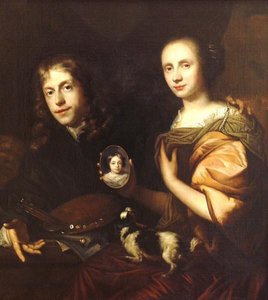
Beyond meticulous realism, de Baen’s technique distinguished him through its ability to satisfy the era's craving for prestige. He mastered the art of presenting textures—the sheen of silk, the weight of velvet, and the intricate details of lace—in a way that spoke directly to the wealth of his sitters. His work was not merely about documentation but about the creation of an idealized persona. This skill is perhaps most intimately seen in his 1674 Self-portrait with his wife, Maria de Kinderen, where he displays both his painterly attributes and a tender connection to his family, reminding us that behind the grand portraits of kings lay a man deeply rooted in his own domestic reality.
De Baen’s life was one of both professional triumph and personal continuity. He married Maria de Kinderen in 1665, and together they raised a large family, including at least eight children, one of whom, Jacobus, followed in his father's footsteps to become a painter himself. This cycle of artistic lineage is a testament to the enduring nature of the Dutch tradition. Jan de Baen passed away in The Hague on March 8, 1702, leaving behind a body of work that remains a vital window into the splendor, the politics, and the refined elegance of the Dutch Golden Age.
Jan de Baen
1633 - 1702 , Netherlands
プロフィール概要
- Artistic Movement Or Style: Dutch Golden Age painting
- Artists Who Influenced This Artist: Jacob Adriaensz Backer
- Date Of Birth: February 20, 1633
- Date Of Death: 1702
- Full Name: Jan de Baen
- Nationality: Dutch
- Notable Artworks:
- The Corpses Of The De Witt Brothers
- Portrait Of Johan De Witt
- Place Of Birth: Haarlem, Netherlands

