

 プレビュー
プレビュー
 プリントを購入
 シェアする
シェアする シェアする
シェアする
 詳細を見る
詳細を見る

 ダウンロード
 似ている作品
 X線調査
X線調査 スライドショー
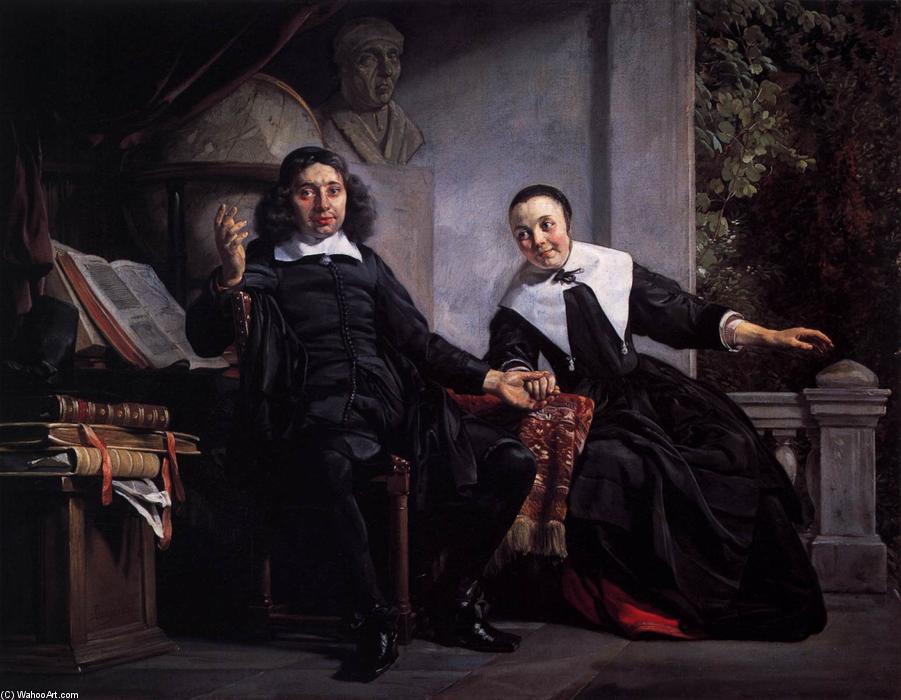
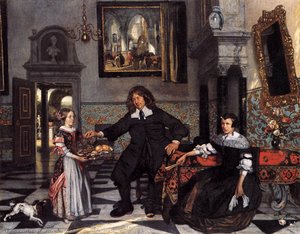
Haarlem Printer Abraham Casteleyn and His Wife Margarieta van Bancken
 Oil On Canvas
- WallArt
- 17th-century Dutch Portraiture
 1663
1663 84.0 x 108.0 cm
 国立美術館 (Rijksmuseum)
 詳細を見る
詳細を見る
オンラインプレビューをはるかに凌ぐ、高解像度で鮮明なデジタル画像をご購入いただけます。
各ファイルは、社内の専門家が高度なツールと熟練した手作業によるレタッチを用いて、細心の注意を払って準備されています。すべての画像において、卓越した鮮明度、正確な色彩再現性、そして繊細なディテールを保証いたします。
最終ファイルは、プロフェッショナルな編集・印刷環境ですぐにご利用いただけるよう最適化された状態で、72時間以内にメールにてお届けいたします。これは、一流のデザインスタジオ、出版社、ギャラリーから信頼されているものと同等の品質です。
デジタル画像のご注文に付随する特典
高品質なデジタル画像配信を、確かな品質で。
ArtsDot.com を選ぶことは、単に画像を手に入れることではありません。それは、プロの手によって精密に仕上げられ、満足保証が付いた高品質なデジタルアートワークを受け取ることを意味します。ご注文いただいた際に自動的に付随する内容は、以下の通りです:

メールですぐにお届け
ご注文から72時間以内に、高解像度のデジタル画像ファイルがメールでお手元に届きます。すぐにそのままご利用いただけます。

AI技術で最適化されたデジタルファイル
お客様の作品は、高度なAIツールと専門家による手作業の編集を組み合わせてプロフェッショナルに最適化されており、細部のディテール、鮮明さ、そして正確な色再現性を最大限に引き出しています。

一生涯無料の再送サービス
ファイルを誤って削除したり、紛失してしまったりしましたか?ご安心ください。いつでも無料で再送いたします。

輸入手数料は一切かかりません
関税や手数料、配送料を気にすることなく、お気に入りのアートワークをすぐにお楽しみいただけます。デジタルダウンロードは常に免税です。

色彩再現の保証
プロ仕様のツールとカラーマネジメント技術を用いることで、デジタル画像が元の色を最大限に忠実に再現することを保証いたします。

60日間満足保証
ご購入いただいたデジタル画像にご満足いただけない場合は、60日以内であれば、修正または100%の返金(理由を問う必要はありません)をさせていただきます。

100% 返金保証
ご満足いただけない場合は、デジタルファイルを受け取ってから60日以内であれば、理由を問わず全額返金いたします。

まとめ買い割引
3枚購入で10%OFF - 5枚購入で15%OFF - 10枚以上購入で20%OFF。クリエイティブなプロジェクト、ギャラリー、エージェンシーに最適です。
作品の詳細
A Window into 17th-Century Haarlem: Jan de Bray’s Portrait of a Printing Family
Jan de Bray's “Haarlem Printer Abraham Casteleyn and His Wife Margarieta van Bancken,” painted in 1663, is more than just a formal portrait; it’s a meticulously crafted glimpse into the intellectual and social life of early modern Haarlem. The painting captures a moment of quiet contemplation within a richly appointed interior, revealing the status and profession of its subjects while simultaneously hinting at their shared passions – learning and family. De Bray, a master of his craft, skillfully blends Flemish portraiture traditions with an English sensibility, creating a work that is both deeply rooted in its historical context and remarkably timeless in its appeal.
The scene unfolds within a modestly grand room, dominated by dark, enveloping tones – deep blacks, grays, and the subtle crimson of upholstery. This somber palette immediately establishes an atmosphere of dignified seriousness, reflecting the importance placed on knowledge and trade during this period. The composition is carefully balanced; Abraham Casteleyn, a prominent printer, sits on the left, gesturing slightly as if explaining or engaging in conversation, while his wife, Margarieta van Bancken, gracefully occupies the right side, her hand resting gently on his arm – a gesture of affection and mutual respect. The placement of the open books and stacks of volumes is not merely decorative; it’s a deliberate statement about Casteleyn's profession and perhaps even their shared intellectual pursuits.
Technical Mastery: Oil on Canvas, Layered Detail
De Bray’s technical skill is immediately apparent in the painting’s remarkable detail. Executed in oil paint on canvas, the work showcases a masterful understanding of texture and light. The clothing – rich velvets, brocades, and fine linens – are rendered with astonishing realism, each thread and fold meticulously depicted. The artist employs a technique of layering, building up color gradually to create depth and volume, particularly evident in the rendering of the subjects’ faces and hands. Note the subtle variations in tone that suggest the sheen of polished wood, the texture of stone columns, and the worn leather of the books. The use of linear perspective creates a convincing sense of space, drawing the viewer into the room and inviting them to contemplate the scene.
Symbolism and Context: Printing, Family, and Dutch Identity
Beyond its aesthetic qualities, the painting is laden with symbolic meaning. The open books are undeniably central, representing not only Casteleyn’s profession as a printer but also the broader values of learning and literacy that were highly prized in 17th-century Haarlem – a city renowned for its printing industry. The gesture of Abraham's hand suggests an exchange of ideas, a dialogue between husband and wife, reinforcing the importance of family and partnership within this intellectual milieu. The bust on the wall, likely depicting a classical figure, adds another layer of meaning, referencing the humanist ideals that informed much of European art and thought during this era. The painting’s creation coincided with a period of significant political and religious upheaval in Europe, and it's fascinating to consider how De Bray’s work reflects the anxieties and aspirations of his time.
A Window into Jan de Bray’s Life: A Master Bridging Cultures
Jan de Bray’s biography is as compelling as his art. Born in Antwerp around 1627, he arrived in England during a period of intense religious and political tension. He quickly established himself as a respected portraitist, adapting his style to suit the tastes of English aristocratic patrons while retaining elements of his Flemish heritage. His work often featured historical subjects presented alongside contemporary figures, creating a dynamic interplay between past and present. The “Haarlem Printer” exemplifies this approach, seamlessly blending formal portraiture with subtle hints of narrative. His later move to Amsterdam, prompted by financial difficulties, marked the end of an era but left behind a legacy of exquisite paintings that continue to captivate viewers today. This particular piece offers a rare and intimate glimpse into the life of a skilled craftsman and a man deeply connected to his time.
関連作品

作家の略歴
ヤン・シベレッツ:フランドルとイングランドを繋ぐ架け橋
1627年頃にアントワープで生まれ、1700年頃にイングランドでその生涯を閉じたヤン・シベレッツは、芸術的影響が交差する魅惑的な結節点を象徴する画家です。彼の存在は、17世紀後半におけるネーデルラントとブリテンの間で行われたダイナミックな交流の証でもあります。シベレプリッツの物語は、単なる独創的な革新の記録ではありません。それは、フランドルの伝統的な風景画の技法と、進化を続けるイングランド貴族層の審美眼が見事に融合した、巧みな合成のプロセスなのです。彼のキャリアは、政治的・宗教的な激動の時代の中で展開されました。プロテスタントとカトリックの緊張が高まっていた時期に、カトリック信者としてイングランドへ渡ったという事実は、彼の芸術的な旅路にさらなる深みを与えています。- 幼少期と修行: シベレッツの父は彫刻家であり、彼が幼い頃から視覚芸術に触れる環境を整えていました。アントワープの聖ルカ・ギルドで受けた正式な訓練は、プロの画家としての地位を確立するための決定的な一歩となりました。この強固な基礎があったからこそ、彼は古典的な構図と芸術的技法に対する深い理解を身につけることができたのです。
- イタリアの影響: 初期作品には、当時のヨーロッパ全土で流行していたイタリア風の風景画への明確な傾倒が見て取れます。ティツィアーノやカナレットといった巨匠たちが好んだ理想化された風景の研究成果が、細部への緻なこだわりと空気遠近法を通じて表現されています。
- イングランドにおけるフランドルのルーツ: イングランドでの生活を通じて、シベレッツのスタイルは徐々に進化を遂げました。現地の風景から新たな影響を吸収し、イングランドのクライアント特有の要望に適応させていったのです。彼は、フランドルの構図技法と、イギリスの田園地帯――特にピーク・ディストリクトの描写――を融合させた、独自の画風を確立しました。
パトロンの眼差し:邸宅のための風景画
シベレッツの最も重要な功績は、イングランドの富裕な地主たちのために風景画家としての役割を果たしたことにあります。彼はロングリート、チェヴェリー、チャッツワース、ウォラトンといった名高いカントリー・ハウスの景観を描くよう依頼されました。それぞれの作品は、当時のエリート層の壮麗な暮らしを垣間見せてくれる貴重な窓となっています。これらの依頼は、単に地形を正確に写し取るためのものではありませんでした。それは、パトロンたちの威信と地位を高めるために、細部まで入念に作り上げられた象徴的な表現だったのです。シベレッツは空気遠近法を巧みに操り、広大な領地のスケール感と美しさを際立たせるような、奥行きと距離感を生み出しました。- ピーク・ディストリクト: 彼は特に、ピーク・ディストリクトの荒々しい風景を描くことで名を馳せました。劇的な断崖、うねるような丘陵、そして蛇行する川の流れを、驚くべき精密さで捉えています。
- 王室との繋がり: シベレッツの作品は、かつてアントワープで彼の絵画を愛でたジョージ・ヴィリアーズ(第2代バッキンガム公爵)の宮廷において、高い評価を得ました。この縁が、有力な人物たちからのさらなる依頼へと道を開いたのです。
- 地位の反映: 彼が描いた風景は、単なる自然の描写に留まりませんでした。それは富と権力、そして自然への愛着を表明するための、緻密に構築されたステートメントでもありました。これらはすべて、17世紀イングランドの社会構造における不可欠な要素だったのです。
風景の向こう側:シベレッツの芸術的技法
風景画家という枠組みに分類されることが多いものの、シベレンッツの作品は、単なる写実を超えた高度な芸術原則への深い理解を示しています。彼は光と影を捉えることに極めて長けており、他の画家とは一線を画すリアリズムと情緒的な空気感を作り出しました。葉、岩、そして水の描写に見られる細部への執拗なまでのこだわりは、自然界に対する彼の深い敬愛の念を物語っています。- 構図の習熟: シベレッツの構図は、空間、色彩、形態のバランスの取れた使用が特徴であり、そこにはフランドルの風景画伝統における修行の成果が反映されています。
- 色彩の用法: 彼はアースカラーを中心とした落ち着いたパレットを巧みに使い分け、写実性と大気の奥行きを生み出しました。
- 遠近法の技法: 遠景を描く際に見られる遠近法の極致は、大気の霞を利用して深みと距離感を暗示させる手法に顕著に表れています。
遺産と歴史的文脈
ヤン・シベレッツの作品は、イギリス風景画の歴史において唯一無二の地位を占めています。彼はイングランドにおける地形図的な景観描写の先駆的な例の一つであり、後にイギリスの多様な風景を探求することになる次世代の画家たちの礎を築きました。彼の絵画は、17世紀イングランドの社会的・文化的生活に対する貴重な洞察を与えてくれるとともに、富裕な地主たちの嗜好や志向を映し出しています。アントワープからイングランドへと至るシベレッツの旅路は、大きな変革期におけるヨーロッパの芸術ネットワークの相互接続性を象徴しており、画家がいかにして自らの伝統を守りつつ、新たな環境に適応していけるかを示しています。細部まで精緻に描き込まれた彼の風景画は、その美しさと歴史的な重みをもって、今なお見る者の心を捉えて離しません。
ヤン・デ・ブレイ
1627 - 1697 , オランダ
プロフィール概要
- Artistic Movement Or Style: オランダでの修行
- Artists Or Movements Influenced By This Artist: ['イギリスの風景画']
- Artists Who Influenced This Artist: ['レンブラント・ファン・レイン']
- Date Of Birth: 1627年
- Date Of Death: 1700年頃
- Full Name: ヤン・シベレッツ
- Nationality: オランダ
- Notable Artworks:
- リッチモンド・ヒルからの眺め
- 後期のスチュアート朝の風景画
- Place Of Birth: ベルギー、アントワープ

