

 プレビュー
プレビュー
 プリントを購入
 シェアする
シェアする シェアする
シェアする
 詳細を見る
詳細を見る

 ダウンロード
 似ている作品
 X線調査
X線調査 スライドショー
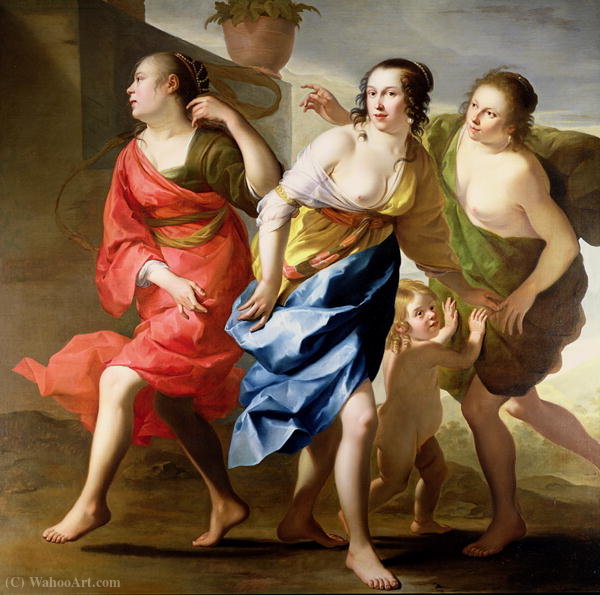
The three graces
 詳細を見る
詳細を見る
オンラインプレビューをはるかに凌ぐ、高解像度で鮮明なデジタル画像をご購入いただけます。
各ファイルは、社内の専門家が高度なツールと熟練した手作業によるレタッチを用いて、細心の注意を払って準備されています。すべての画像において、卓越した鮮明度、正確な色彩再現性、そして繊細なディテールを保証いたします。
最終ファイルは、プロフェッショナルな編集・印刷環境ですぐにご利用いただけるよう最適化された状態で、72時間以内にメールにてお届けいたします。これは、一流のデザインスタジオ、出版社、ギャラリーから信頼されているものと同等の品質です。
デジタル画像のご注文に付随する特典
高品質なデジタル画像配信を、確かな品質で。
ArtsDot.com を選ぶことは、単に画像を手に入れることではありません。それは、プロの手によって精密に仕上げられ、満足保証が付いた高品質なデジタルアートワークを受け取ることを意味します。ご注文いただいた際に自動的に付随する内容は、以下の通りです:

メールですぐにお届け
ご注文から72時間以内に、高解像度のデジタル画像ファイルがメールでお手元に届きます。すぐにそのままご利用いただけます。

AI技術で最適化されたデジタルファイル
お客様の作品は、高度なAIツールと専門家による手作業の編集を組み合わせてプロフェッショナルに最適化されており、細部のディテール、鮮明さ、そして正確な色再現性を最大限に引き出しています。

一生涯無料の再送サービス
ファイルを誤って削除したり、紛失してしまったりしましたか?ご安心ください。いつでも無料で再送いたします。

輸入手数料は一切かかりません
関税や手数料、配送料を気にすることなく、お気に入りのアートワークをすぐにお楽しみいただけます。デジタルダウンロードは常に免税です。

色彩再現の保証
プロ仕様のツールとカラーマネジメント技術を用いることで、デジタル画像が元の色を最大限に忠実に再現することを保証いたします。

100日間満足保証
ご購入いただいたデジタル画像にご満足いただけない場合は、100日以内であれば、修正または100%の返金(理由を問う必要はありません)をさせていただきます。

100% 返金保証
ご満足いただけない場合は、デジタルファイルを受け取ってから100日以内であれば、理由を問わず全額返金いたします。

まとめ買い割引
3枚購入で10%OFF - 5枚購入で15%OFF - 10枚以上購入で20%OFF。クリエイティブなプロジェクト、ギャラリー、エージェンシーに最適です。
関連作品







作家の略歴
Santi di Tito: A Counterpoint to Mannerism
Santi di Tito (1603 – 1661) emerged from the vibrant, tumultuous artistic landscape of late Renaissance and early Baroque Rome, a period defined by intense stylistic debate. His life and career represent a fascinating case study in navigating evolving artistic conventions, ultimately forging a distinctive style that stands as a crucial bridge between Mannerism and the burgeoning naturalism of the Baroque. Born in Sansepolcro, a small town in Umbria, Santi’s early training remains somewhat shrouded in mystery, with accounts suggesting influences from figures like Bronzino and Baccio Bandinelli, though definitive proof is elusive. This lack of clear lineage contributed to his unique artistic trajectory – one that deliberately distanced itself from the established norms of the time.Early Career and Roman Apprenticeship
Santi’s journey to Rome in 1558 marked a pivotal moment, placing him within the heart of the city's artistic ferment. He spent nearly a decade working alongside Giovanni de’ Vecchi and Niccolò Circignani on monumental frescoes within the Palazzo Salviati and the Sala Grande of the Belvedere at the Vatican – projects that showcased the grandeur and complexity of Mannerist painting. These early commissions exposed Santi to the prevailing stylistic trends, characterized by elongated figures, complex spatial arrangements, and a deliberate emphasis on elegance and refinement. However, rather than simply absorbing these influences, Santi began to subtly reshape them, introducing a greater sense of naturalism and a more restrained palette. The frescoes in the Belvedere, particularly *Homage of the People*, reveal his growing interest in classical forms and a desire for clarity and balance – qualities that would become hallmarks of his later work.The Studiolo of Francesco I: A Defining Period
Santi’s most significant contribution to the Roman art scene occurred during his tenure at the Palazzo Vecchio, where he was commissioned to decorate the *Studiolo* (a private study) of Francesco I de' Medici, Grand Duke of Tuscany. This project proved transformative, solidifying Santi’s distinctive style and establishing him as a leading figure in the Counter-Mannerist movement. The two paintings created for this space – *Sisters of Phaeton* and *Hercules and Iole* – exemplify his innovative approach. Unlike the crowded, theatrical compositions typical of Mannerism, Santi's works are characterized by a remarkable clarity of form, a carefully considered use of light and shadow, and a focus on idealized beauty. He deliberately avoided the excessive ornamentation and artificiality that had become associated with Mannerist painting, opting instead for a more restrained and harmonious aesthetic. This shift was consciously intended as a reaction against the prevailing *maniera* of artists like Bronzino and Federico Zuccari, whom he viewed as overly elaborate and lacking in genuine naturalism.A Reformist Style: Embracing Classical Ideals
Santi’s artistic philosophy can be understood within the broader context of the Counter-Reformation. The Catholic Church was actively seeking to reform its image and promote a more accessible form of religious art, one that emphasized clarity, piety, and emotional engagement. Santi's work reflects this desire for renewal, moving away from the complex intellectualism of Mannerism towards a more direct and emotionally resonant style. He drew inspiration from classical antiquity, particularly the works of Raphael, seeking to emulate his sense of grace, harmony, and balance. This commitment to classical ideals is evident in his careful attention to proportion, his use of idealized figures, and his avoidance of excessive detail. As S. J. Freedberg noted, Santi’s style was “Raphaelesque,” a deliberate attempt to recapture the perceived purity and elegance of Raphael's art.Later Works and Legacy
Following his return to Florence in 1564, Santi continued to produce significant works throughout his career, including altarpieces for Santa Croce and frescoes for Volterra Cathedral. His *Resurrection of Lazarus* and *Supper at Emmaus*, particularly the latter, demonstrate his ability to convey profound emotion through subtle gestures and carefully rendered details. Despite his artistic achievements, Santi faced considerable financial difficulties, ultimately declaring bankruptcy in 1662. He died in poverty in 1661, largely unrecognized during his lifetime. However, his work gradually gained recognition in the 19th century, and today he is considered one of the most important figures in the Counter-Mannerist movement – a pivotal artist who helped to shape the course of European painting. His legacy lies not only in his individual masterpieces but also in his courageous challenge to established artistic conventions and his unwavering commitment to classical ideals.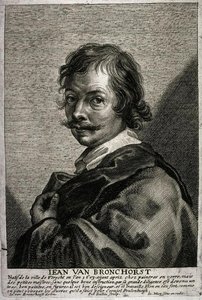
jan gerritsz van bronchorst
1603 - 1661 , Netherlands
プロフィール概要
- Artistic Movement Or Style: Landscape painting
- Artists Or Movements Influenced By This Artist:
- Terborch
- Metsu
- Artists Who Influenced This Artist: ['Rafel and Jochem Camphuysen']
- Date Of Birth: 1603/1604
- Date Of Death: 1677
- Full Name: Aert van der Neer
- Nationality: Dutch
- Notable Artworks:
- Moonlit Landscape
- Winter in Holland
- Place Of Birth: Amsterdam, Netherlands