

 プレビュー
プレビュー
 シェアする
シェアする シェアする
シェアする
 詳細を見る
詳細を見る

 ダウンロード
 似ている作品
 X線調査
X線調査 スライドショー
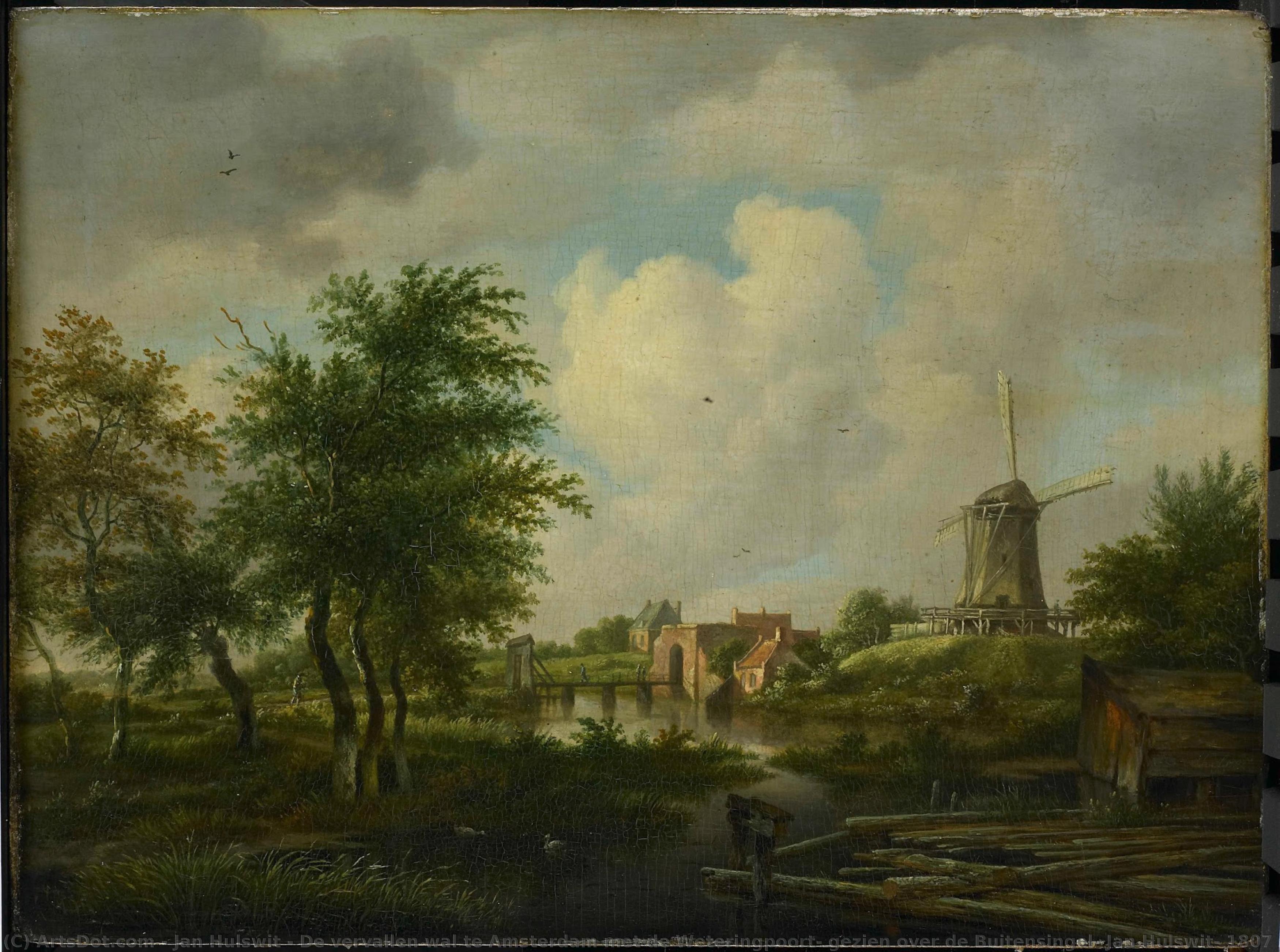
De vervallen wal te Amsterdam met de Weteringpoort, gezien over de Buitensingel, Jan Hulswit, 1807
 1807
1807 28.0 x 37.0 cm
 詳細を見る
詳細を見る
ジークレー/アートプリント
迅速な制作と多彩な仕上げオプションを備えた、ミュージアムクオリティのジークレーまたはキャンバスプリント。 ( 手描きの絵画を購入 画像を購入)




































標準サイズ
オーダーメイド
CM
INCH
作品のオリジナル比率に合わせた、当店の規定サイズからお選びください。
Loading sizes...

幅
高さ
特定のフレームやスペースに合わせて、ご自身でサイズを指定することも可能です。選択されたサイズが元の画像の比率と一致しない場合、作品をトリミングするか、鏡面反射または単色での塗りつぶしによって画像を拡張いたします。制作を開始する前に、ご確認用のデジタルモックアップをお送りいたします。
画面上のプレビューには、実際のトリミングや拡張は反映されませんのでご注意ください。最終的な構図を正確に確認できるのは、モックアップのみとなります。
カスタムサイズも承っておりますが、元の比率を維持するためには、あらかじめ用意されたリストからサイズを選択することをお勧めいたします。


 ガラスオプションは、110cm未満のサイズでのみご利用いただけます。

De vervallen wal te Amsterdam met de Weteringpoort, gezien over de Buitensingel, Jan Hulswit, 1807
ジークレー/アートプリント
複製画のサイズ
-


合計金額
$ 62
作品詳細説明
Landscape by the ramparts of a city. In the distance a city gate with a bridge. There's also a mill on shore. In the foreground, tree trunks float in the water.
関連作品








アーティストの略歴
A Life Immersed in Dutch Landscapes: The World of Jan Hulswit
Jan Hulswit, a name perhaps less celebrated than some of his contemporaries, nevertheless occupies a significant niche within the pantheon of 18th and early 19th-century Dutch landscape painting. Born in Amsterdam in 1766 and passing away in Nieuwer-Amstel in 1822, Hulswit’s life mirrored the shifting artistic currents of his time—a period transitioning from the formality of the Golden Age to a more Romantic sensibility. He wasn't merely a painter; he was a draughtsman, etcher, copyist, art dealer, and even a wallpaper painter, demonstrating a versatile talent that allowed him to navigate the complexities of the Dutch art market. His dedication to capturing the subtle nuances of his native countryside established him as a keen observer and skilled interpreter of the natural world.Early Training and Artistic Development
Hulswit’s artistic journey began with formal training, notably under Pieter Barbiers I, a respected landscapist who instilled in him a foundation of meticulous technique and an appreciation for realistic depiction. He also studied under Pieter Barbiers, further refining his skills. This early education proved crucial, shaping his approach to landscape painting which emphasized detailed observation and atmospheric rendering. While the specifics of his initial works remain somewhat elusive, it’s clear that Hulswit quickly developed a talent for capturing the light and shadow play across Dutch fields, waterways, and forests. He wasn't interested in grand historical narratives or dramatic allegories; instead, he focused on the quiet beauty of everyday scenes—a farmhouse nestled beside a canal, cattle grazing in a meadow, figures engaged in simple rural activities. This focus reflects a broader trend within Dutch art towards genre painting and landscape as subjects worthy of artistic attention in their own right.A Versatile Practitioner: Painting, Copying, and Commerce
The breadth of Hulswit’s professional life is striking. Beyond his original paintings and drawings, he was a proficient copyist, skillfully reproducing works by established masters—a common practice at the time that allowed artists to earn income while honing their technical abilities. His involvement in the art trade as an art dealer further demonstrates his deep understanding of artistic value and market dynamics. This multifaceted career wasn’t simply about financial necessity; it suggests a genuine passion for art in all its forms, from creation to appreciation and commerce. The fact that he also worked as a wallpaper painter indicates a willingness to embrace diverse artistic challenges and cater to a broad clientele. His work as an etcher allowed him to disseminate his images more widely, contributing to the growing popularity of Dutch landscape prints.Themes and Techniques: Capturing the Essence of Holland
Hulswit’s paintings are characterized by their serene atmosphere and meticulous attention to detail. He favored a palette of muted earth tones—greens, browns, grays—that perfectly evoke the subtle colors of the Dutch countryside. His compositions often feature horizontal lines—the horizon, canals, fields—creating a sense of calm and stability. While he wasn’t known for dramatic brushwork or bold experimentation, his skill lay in capturing the *feeling* of a place—the dampness of the air, the warmth of the sun, the gentle breeze rustling through the trees. Recurring motifs include rural dwellings, livestock, figures engaged in everyday tasks, and waterways that define the Dutch landscape. He often depicted scenes with a sense of quiet intimacy, inviting viewers to immerse themselves in the tranquility of the countryside. His drawings, executed in black chalk and wash, are particularly notable for their delicate lines and subtle shading, revealing his mastery of draughtsmanship.Legacy and Historical Significance
Although Hulswit may not be a household name, his work provides valuable insight into the artistic landscape of late 18th and early 19th-century Holland. His paintings offer a glimpse into the daily life and rural beauty of the Dutch countryside during a period of significant social and political change. He represents a continuation of the Dutch landscape tradition, albeit with a more subdued and intimate sensibility than some of his predecessors. While he didn’t revolutionize artistic technique or challenge established conventions, his dedication to capturing the essence of Holland—its light, its atmosphere, its quiet beauty—ensures his place as a noteworthy figure in the history of Dutch art. His works continue to be appreciated for their skillful execution, serene atmosphere, and evocative depiction of a bygone era.
基本情報
- Artistic Movement Or Style: Water polo player
- Date Of Birth: April 9, 1885
- Date Of Death: May 2, 1932
- Full Name: Jan Hulswit
- Nationality: Dutch
- Place Of Birth: Apeldoorn, Netherlands

