

 プレビュー
プレビュー
 プリントを購入
 シェアする
シェアする シェアする
シェアする
 詳細を見る
詳細を見る

 ダウンロード
 似ている作品
 X線調査
X線調査 スライドショー
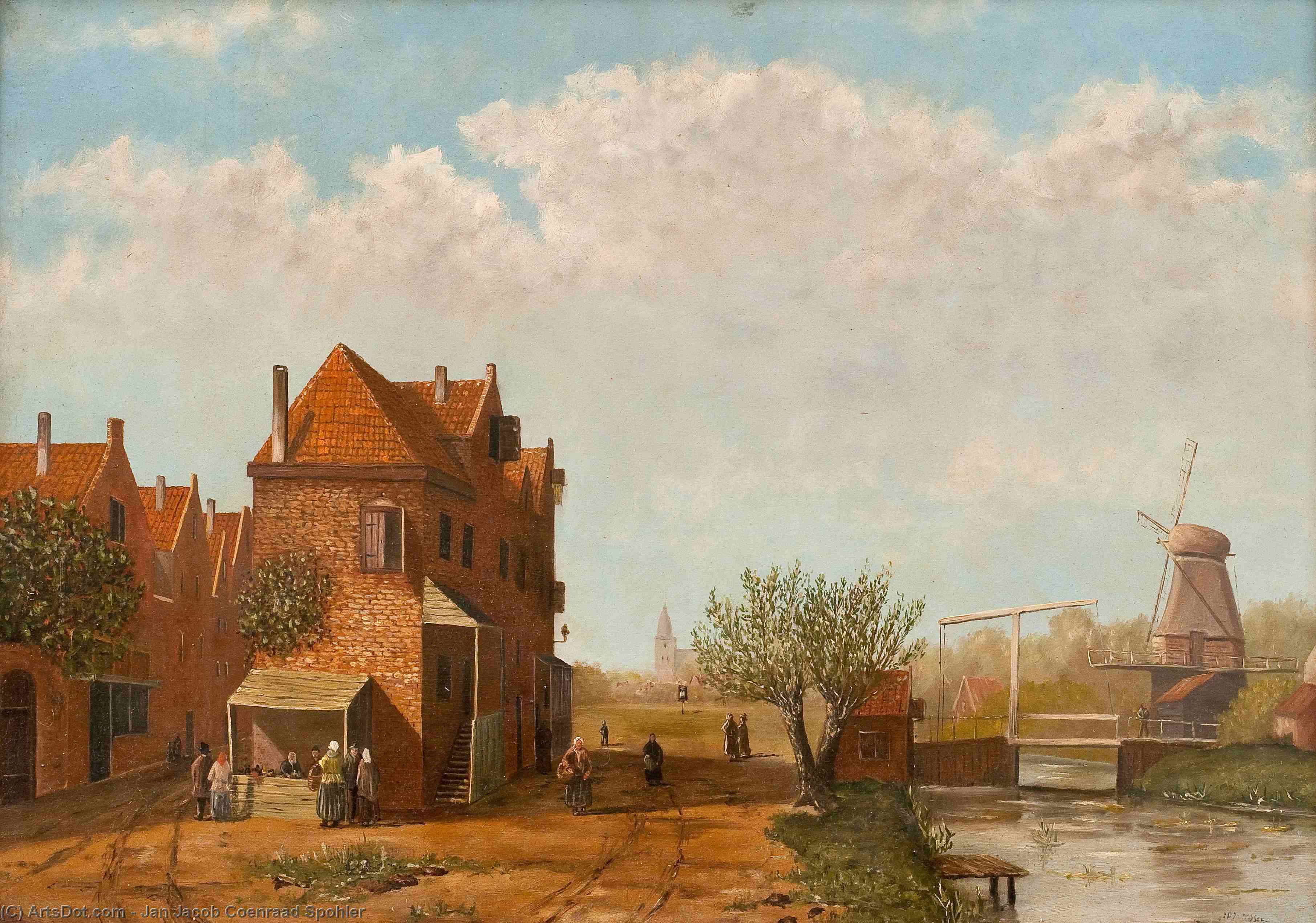
A VILLAGE MERCHANT
 詳細を見る
詳細を見る




































作品のオリジナル比率に合わせた、当店の規定サイズからお選びください。

特定のフレームやスペースに合わせて、ご希望のサイズをご入力いただけます。選択されたサイズが元の画像の比率と異なる場合、アートワークをトリミングするか、手描きで要素を追加して絵画を拡張いたします。デジタルモックアップ を制作し、制作開始前にご確認(承認)をいただきます。
画面上のプレビューは、実際のトリミングや拡張を正確に反映しているものではありません。最終的な構図は、モックアップによってのみ正確にご確認いただけます。
カスタムサイズもご利用いただけますが、元の比率を維持するためには、あらかじめ用意されたリストからサイズを選択することをお勧めいたします。
ご注文後、ArtsDot.com チームより詳細な指示をお送りするとともに、仕上がりイメージ(モックアップ)をご提供いたします。


 ガラスオプションは、110cm未満のサイズでのみご利用いただけます。

A VILLAGE MERCHANT
複製技法
複製画のサイズ
-


合計金額
$ 363
関連作品
アーティストの略歴
A Quiet Observer of Dutch Serenity: The Life and Art of Jan Jacob Coenraad Spohler
Jan Jacob Coenraad Spohler, born in Amsterdam in 1837, remains a somewhat elusive figure within the pantheon of 19th-century Dutch landscape painters. While not achieving the widespread renown of artists like the Barbizon school masters or his more celebrated contemporaries, Spohler cultivated a dedicated following through his exquisitely rendered scenes of the Dutch countryside – particularly those depicting the tranquil waterways and winter landscapes that define the nation’s artistic heritage. His life, though relatively undocumented, appears to have been one devoted entirely to his craft, a quiet pursuit of capturing the subtle nuances of light and atmosphere in his native land. He eschewed grand historical narratives or dramatic compositions, instead focusing on the intimate beauty of everyday scenes, offering viewers a glimpse into a peaceful, idyllic world.Early Influences and Artistic Development
Spohler’s artistic journey began within the established traditions of Dutch landscape painting. The 19th century witnessed a resurgence of interest in the Golden Age masters – artists like Jan van Goyen, Pieter de Molyn, and Aert van der Neer – whose meticulous depictions of light, water, and sky served as foundational influences for generations of painters. Spohler clearly absorbed these lessons, demonstrating an early aptitude for capturing the atmospheric effects that characterize Dutch weather. While formal training details are scarce, it’s reasonable to assume he benefited from the vibrant artistic milieu of Amsterdam, a city steeped in painting tradition. His initial works show a clear debt to the Hague School, particularly in their realistic portrayal of rural life and muted color palettes. However, Spohler gradually developed his own distinct voice, moving away from the often-somber tones of the Hague School towards a more luminous and optimistic aesthetic.The Poetic Landscapes: Themes and Techniques
Spohler’s oeuvre is dominated by scenes of riverscapes, canals, and winter landscapes. He possessed an exceptional ability to convey the stillness and serenity of water – whether it be the gentle flow of a summer river or the frozen expanse of a winter waterway. His paintings are characterized by their meticulous attention to detail; every tree branch, every ripple in the water, every snowdrift is rendered with painstaking accuracy. Yet, this precision never feels overly academic or contrived. Instead, it serves to enhance the overall sense of realism and immersion. He masterfully employed subtle gradations of color and light to create a convincing illusion of depth and atmosphere. His winter scenes are particularly noteworthy for their delicate rendering of snow and ice, capturing the ethereal quality of light reflecting off these surfaces. He often included small figures in his compositions, not as focal points but rather as elements that add scale and a sense of human presence to the landscape. These figures – typically farmers, boatmen, or skaters – are depicted engaged in everyday activities, further emphasizing the peacefulness and tranquility of the scenes.Legacy and Historical Significance
Although Spohler did not achieve widespread fame during his lifetime, his work has continued to resonate with collectors and art enthusiasts who appreciate his quiet mastery of Dutch landscape painting. He represents a continuation of the long tradition of Dutch realism, offering a poignant glimpse into a bygone era. His paintings provide valuable insights into the rural life and landscapes of 19th-century Netherlands.- His work is often seen as a bridge between the Hague School and later Impressionistic tendencies.
- Spohler’s dedication to capturing the subtle nuances of light and atmosphere foreshadowed the concerns of many later landscape painters.
- He remains an important figure in understanding the evolution of Dutch landscape painting during the 19th century.
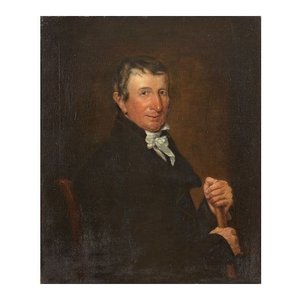
jan jacob coenraad spohler
1837 - 1923 , Netherlands

