

 プレビュー
プレビュー
 プリントを購入
 シェアする
シェアする シェアする
シェアする
 詳細を見る
詳細を見る

 ダウンロード
 似ている作品
 X線調査
X線調査 スライドショー
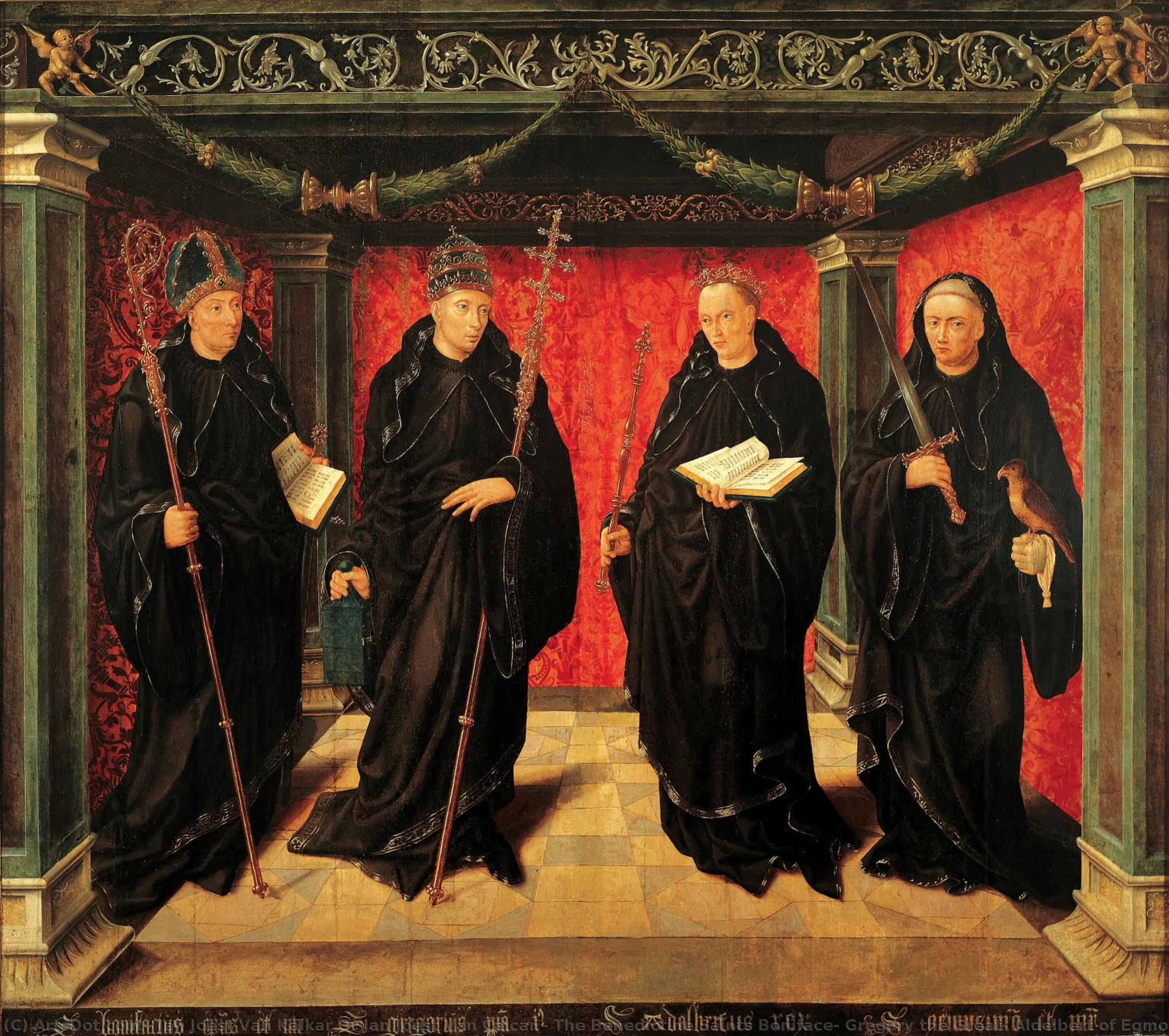
The Benedictine Saints Boniface, Gregory the Great, Aldelbert of Egmond and Jerome of Noordwijk
 Acrylic
- WallArt
- Northern Renaissance
 1534
1534 124.0 x 138.0 cm
 フランツ・ハルス美術館
 詳細を見る
詳細を見る




P118B $10

P118H $10

P118W $10

P438Z $10

P508JH $12

P508YH $12

P805H $10

P805Z $10

P919BZ $10

P919G $10

P919XJ $10

P959ZH $10

P968JZ $12

W106C $8

W218G $10

W218JH $8

W218Y $10

W307PJ $10

W316G $10

W316PJ $8

W316Y $10

W398PJ $8

W4111J $10

W500HY $15

W500JH $15

W692G $12

W849H $8

W940BG $15

W953PJ $8




作品のオリジナル比率に合わせた、当店の規定サイズからお選びください。

特定のフレームやスペースに合わせて、ご希望のサイズをご入力いただけます。選択されたサイズが元の画像の比率と異なる場合、アートワークをトリミングするか、手描きで要素を追加して絵画を拡張いたします。デジタルモックアップ を制作し、制作開始前にご確認(承認)をいただきます。
画面上のプレビューは、実際のトリミングや拡張を正確に反映しているものではありません。最終的な構図は、モックアップによってのみ正確にご確認いただけます。
カスタムサイズもご利用いただけますが、元の比率を維持するためには、あらかじめ用意されたリストからサイズを選択することをお勧めいたします。
ご注文後、ArtsDot.com チームより詳細な指示をお送りするとともに、仕上がりイメージ(モックアップ)をご提供いたします。


 ガラスオプションは、110cm未満のサイズでのみご利用いただけます。

The Benedictine Saints Boniface, Gregory the Great, Aldelbert of Egmond and Jerome of Noordwijk
複製技法
複製画のサイズ
-


合計金額
$ 263
A Testament to Faith: Jan Joest van Kalkar’s Benedictine Saints
The painting “The Benedictine Saints Boniface, Gregory the Great, Aldelbert of Egmond and Jerome of Noordwijk,” executed in 1534 by Jan Joest van Kalkar (or Calcar), stands as a remarkable example of Netherlandish Renaissance religious art. More than just a depiction of four revered saints—Boniface, Gregory the Great, Aldelbert, and Jerome—it embodies the spiritual fervor of its time and reflects the enduring influence of Benedictine monasticism on European culture. Originally conceived as outer panels of an altar screen destined for the Benedictine Abbey in Egmond Aan Zee, this monumental artwork speaks volumes about piety and artistic patronage within the burgeoning Reformation era.- Subject Matter & Composition: The painting portrays four saints—Boniface, Gregory the Great, Aldelbert, and Jerome—dressed in monastic robes, presenting a solemn tableau against a rich crimson background. This deliberate choice of color underscores the sanctity of the figures and evokes associations with liturgical rituals and royal splendor. Each saint is meticulously rendered, conveying dignity and piety through posture and gesture.
- Style & Technique: Kalkar’s masterful technique—characterized by smooth glazing and subtle tonal gradations—demonstrates a commitment to realism tempered by idealized beauty. The artist skillfully captures the textures of fabric and skin, creating an illusionistic depth that draws the viewer into the scene. Evidence suggests Kalkar's workshop employed oil paint on panel, a favored medium for devotional art during this period.
Historical Context: Benedictine Monasticism and Artistic Patronage
The Abbey of Egmond Aan Zee served as a focal point for Benedictine monastic life in Holland during the sixteenth century. The commission for this altarpiece reflects the abbey’s commitment to preserving tradition amidst the turbulent religious landscape of the Reformation. Saint Boniface, Gregory the Great, Aldelbert and Jerome were prominent figures in Christian history, representing papal authority, theological scholarship, pastoral care, and missionary zeal—values deeply cherished by Benedictine monks. The painting serves as a visual reminder of these saints’ contributions to the spiritual heritage of Christendom.- Symbolism: Each saint is imbued with symbolic significance. Boniface holds a book symbolizing gospel preaching and martyrdom, Gregory the Great carries a papal mitre and crosier representing ecclesiastical leadership and divine grace. Aldelbert’s gesture signifies his role as a preacher and evangelist, while Jerome clutches a sword signifying defense of faith against heresy. The crimson background symbolizes royal dignity and spiritual fervor.
- Provenance & Significance: Originally part of an altar screen, the painting's subsequent relocation to the Frans Hals Museum in Haarlem ensures its preservation for future generations. Its inclusion within the Wallraf-Richartz Museum’s collection further cements its place as a cornerstone of Netherlandish Renaissance art.
Emotional Impact & Artistic Legacy
“The Benedictine Saints Boniface, Gregory the Great, Aldelbert of Egmond and Jerome of Noordwijk” transcends mere visual representation; it communicates profound spiritual emotion. The serene expressions of the saints convey humility and devotion, inviting contemplation on themes of faith, piety, and divine providence. Kalkar’s work stands as a testament to the enduring power of religious art to inspire awe and reverence—a legacy that continues to resonate with audiences today. Its meticulous detail and harmonious composition exemplify the artistic ideals of the Renaissance, securing its place among the masterpieces of Netherlandish painting.関連作品
アーティストの略歴
early life and unearthed identity
jan joest van kalkar or jan joest van calcar, a dutch painter from either kalkar or wesel (now in germany), remained shrouded in mystery until 1874. the veil of obscurity was lifted by jacob anton wolff and oskar eisenmann, who established his identity, revealing a master of religious art.artistic contributions
notable for his devotional paintings, jan joest van calcar's works are characterized by their serene yet profound depiction of biblical scenes. two of his most celebrated pieces include:- fragment with the transfiguration of christ (resurrection), a poignant oil on panel work, showcasing christ in a state of benediction, dated between 1515 and 1520.
- the benedictine saints boniface, gregory the great, aldelbert of egmond and jerome of noordwijk, an oil on panel masterpiece featuring four saints in monks' habits, housed at the frans hals museum in haarlem, netherlands.
museological significance
the wallraf-richartz museum in cologne, germany, and stedelijk museum amsterdam in the netherlands are among the notable museums featuring works from this period. while jan joest's life remains largely unknown, his art continues to be a subject of fascination for art enthusiasts and scholars alike.legacy and influence
jan joest van kalkar or jan joest van calcar's influence on the development of devotional art is undeniable. his works, though limited in number, have left an indelible mark on the world of art, inspiring generations to come.- view more of jan joest van kalkar or jan joest van calcar's works at [https://ArtsDot.com/@/jan-joest-van-kalkar-or-jan-joest-van-calcar](https://ArtsDot.com/@/jan-joest-van-kalkar-or-jan-joest-van-calcar)
- explore the stedelijk museum amsterdam's collection at /en/art/list/
- discover more about the wallraf-richartz museum at [https://ArtsDot.com/@@/a@d3c8bt-the-wallraf-richartz-museum-cologne-germany](https://ArtsDot.com/@@/a@d3c8bt-the-wallraf-richartz-museum-cologne-germany)
conclusion
jan joest van kalkar or jan joost van calcar's enigmatic life has given way to a profound legacy in the world of art. his devotional masterpieces continue to captivate audiences, ensuring his place among the most revered dutch painters of his time.- references: [https://ArtsDot.com/@@/d37c28-jan-joest-van-calcar-fragment-with-the-transfiguration-of-christ-(resurrect..](https://ArtsDot.com/@@/d37c28-jan-joest-van-calcar-fragment-with-the-transfiguration-of-christ-(resurrect..)
- artist's profile: [https://ArtsDot.com/@/jan-joest-van-kalkar-or-jan-joest-van-calcar](https://ArtsDot.com/@/jan-joest-van-kalkar-or-jan-joest-van-calcar)
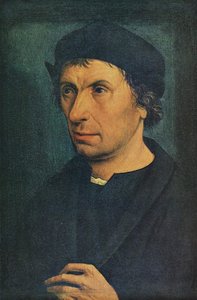
jan joest van kalkar or jan joest van calcar
1519 , Germany
基本情報
- Artistic Movement Or Style: World Goes Pop
- Date Of Death: 1519
- Notable Artworks:
- Evelyne Axell
- Joav BarEl
- Thomas Bayrle
関連記事
Oil on Panel Masters: 10 Paintings That Revolutionized Art |
Journey through 10 legendary 'Oil on Panel' masterpieces by Van Eyck, Bosch & Bruegel. Explore the stories behind these iconic Renaissance & Baroque paintings and find museum-quality art reproductions to elevate your home decor. Discover all masterpieces on !
Oil on Panel: A Historical Survey of Technique, Support & Aesthetic Evolution
Explore the rich history of oil on panel painting! Discover Renaissance techniques, support structures & aesthetic evolution. Expert insights for art collectors and enthusiasts.
Oil on Panel: A Historical Survey of Technique, Support, and Aesthetic Impact
Explore the rich history of oil on panel painting! Discover Renaissance techniques, support construction, & the enduring legacy of this masterful art form. Expert insights for collectors and enthusiasts.

Oil on Canvas: A Historical & Technical Exploration of a Timeless Artistic Medium
Explore the rich history & enduring techniques of oil painting on canvas. Discover the science behind its longevity, conservation practices, and contemporary relevance. Expert insights for art enthusiasts.
Oil on Board: A Historical Survey of Technique, Aesthetic Qualities & Enduring Appeal
Explore the rich history of oil on board painting! Discover techniques, aesthetic qualities & enduring appeal from early masters to modern practice. Expert insights for collectors and art enthusiasts.

