

 プレビュー
プレビュー
 プリントを購入
 シェアする
シェアする シェアする
シェアする
 詳細を見る
詳細を見る

 ダウンロード
 似ている作品
 X線調査
X線調査 スライドショー
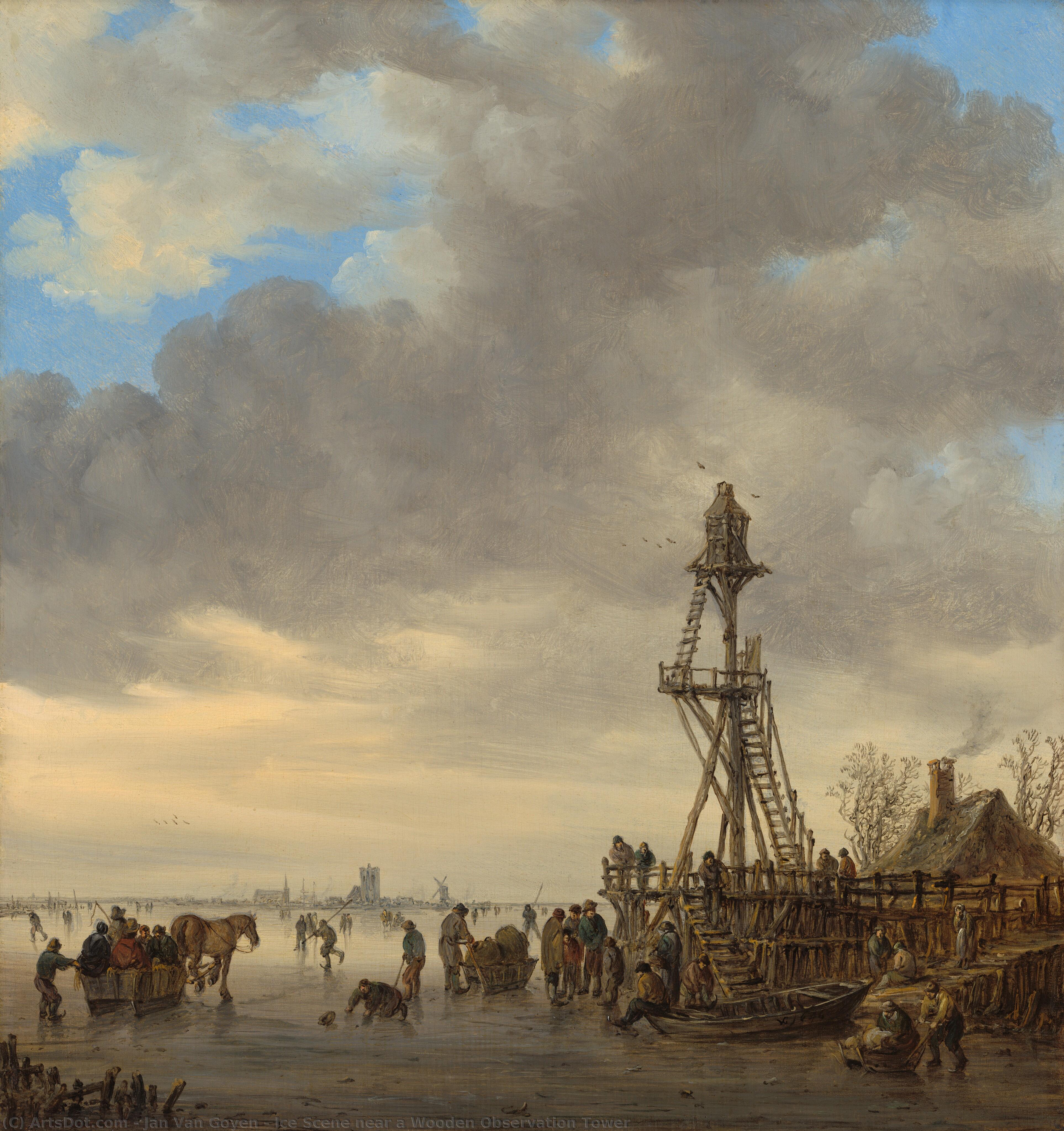
Ice Scene near a Wooden Observation Tower
 Oil
Oil- WallArt
- Dutch Golden Age
 1646
1646- Early Modern
 37.0 x 34.0 cm
 詳細を見る
詳細を見る




































作品のオリジナル比率に合わせた、当店の規定サイズからお選びください。

特定のフレームやスペースに合わせて、ご希望のサイズをご入力いただけます。選択されたサイズが元の画像の比率と異なる場合、アートワークをトリミングするか、手描きで要素を追加して絵画を拡張いたします。デジタルモックアップ を制作し、制作開始前にご確認(承認)をいただきます。
画面上のプレビューは、実際のトリミングや拡張を正確に反映しているものではありません。最終的な構図は、モックアップによってのみ正確にご確認いただけます。
カスタムサイズもご利用いただけますが、元の比率を維持するためには、あらかじめ用意されたリストからサイズを選択することをお勧めいたします。
ご注文後、ArtsDot.com チームより詳細な指示をお送りするとともに、仕上がりイメージ(モックアップ)をご提供いたします。


 ガラスオプションは、110cm未満のサイズでのみご利用いただけます。

Ice Scene near a Wooden Observation Tower
複製技法
複製画のサイズ
-


合計金額
$ 263
A Frozen Moment in the Dutch Golden Age
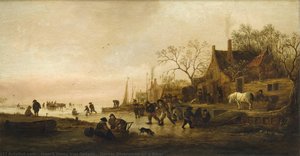
In the quiet, biting chill of a seventeenth-century winter, Jan Josephszoon van Goyen captures a world suspended in ice. Ice Scene near a Wooden Observation Tower is not merely a landscape; it is a living, breathing chronicle of communal life during the Little Ice Age. As we gaze upon this vertical masterpiece, we are transported to a frozen expanse where the boundaries between earth and sky seem to blur under a heavy, dramatic canopy of clouds. The composition draws the eye across a vast, silvery plain of ice, populated by a rhythmic dance of figures—skaters gliding with effortless grace, sledges pulled by sturdy horses, and clusters of townsfolk gathered near a spindable wooden tower. There is a profound sense of movement held within stillness, a delicate balance between the frantic energy of winter recreation and the somber, enduring presence of the Dutch landscape.
The artist’s mastery lies in his ability to evoke atmosphere through a remarkably restrained palette. Eschewing the garish colors that some of his contemporaries favored, Van Goyen utilizes a tonalist approach, weaving together subtle gradations of slate blue, muted gray, and earthy browns. This monochromatic elegance serves to heighten the sensory experience of the viewer; one can almost feel the crispness of the air and the slick texture of the frozen water. The light, filtering through breaks in the towering cloud bank, casts a pale, yellowish glow that illuminates the horizon, hinting at a sun struggling to pierce through the winter gloom. This technique creates a sense of immense depth, pulling the observer from the detailed foreground—where a man scrambles for a fallen hat and a horse pulls a heavy sledge—toward the distant, ghostly silhouettes of windmills, church spires, and ship masts that line the far horizon.
The Artistry of Atmosphere and Detail
For the discerning collector or interior designer, this work offers a sophisticated study in texture and light. Van Goyen’s brushwork is deceptively simple, yet it achieves a profound realism. The way the ice transitions from a dark, opaque gray in the foreground to a luminous, translucent pale as it recedes into the distance demonstrates an expert understanding of atmospheric perspective. Every element, from the rickety wooden pier and the smoking chimney of a distant house to the tiny birds circling the observation tower, is placed with intentionality. These minute details provide much more than mere decoration; they ground the painting in a specific historical reality, offering a window into the social fabric of the Netherlands in 1646.
Beyond its technical brilliance, the painting carries an emotional resonance that transcends time. There is a poignant nostalgia in the sight of these small, brave figures navigating the frozen elements, reminding us of the resilience of the human spirit. The composition invites contemplation, making it an ideal centerpiece for a space designed for reflection or quiet elegance. Whether displayed in a contemporary gallery setting or a classic study, this reproduction brings with it the prestige of the Dutch Golden Age and the serene, melancholic beauty of a winter afternoon long since passed. It is an invitation to step out of the modern rush and into a moment of frozen, timeless grace.
関連作品

アーティストの略歴
ヤン・ヨセフスゾーン・ファン・ゴーイエン:風景に刻まれた生涯
生い立ちと修行時代
- 1596年1月13日、オランダのライデンに生まれたヤン・ヨセフスゾーン・ファン・ゴーイエンは、後にオランダ黄金時代の絵画における極めて重要な人物としてその名を馳せることになります。
- 彼はまず故郷ライデンで修行を積み、その後ハーレムにてエサイアス・ファン・デ・フェルデのもとで研鑽を積みました。この基礎となる修行期間が、彼の芸術的発展において決定的な役割を果たしたのです。
芸術的様式とその進化
- ファン・ゴーイなる様式は、その簡潔さ、繊細な色調の変化、そしてグレー、ブラウン、グリーンを主とした限られたパレットの使用によって、一目でそれと見分けることができます。
- 彼は当時流行していた色彩豊かで細密な風景画から脱却し、より写実的で空気感に満ちたアプローチの先駆者となりました。
- 初期の作品にはファン・デ・フェルデの影響が見て取れますが、彼はやがてオランダの風景の本質を捉えることに焦点を当てた、独自の際立ったスタイルを確立していきました。
多作な活動と代表作
- ファン・ゴーイは驚くほど多作な芸術家であり、その生涯を通じて推定1,200点の絵画と1,000点を超える素描を残しました。
- 代表的な作品には、彼のトナリズム(色調主義)風景画の真髄を示す風車のある川の風景や、穏やかな水辺の情景を描き出した湖畔の漁師たちなどがあります。
- 彼は河川、湖、砂丘、そして広大な空の情景を頻繁に描き、オランダの田園地帯が持つ独特の情緒を見事に捉えました。
影響と遺産
- ファン・デ・フェルデから影響を受けた一方で、ファン・ゴーイ自身の作品もまた、後世に多大な影響を与えるものとなりました。
- 彼の教え子の一人であるヤン・ステーンのような芸術家たちに対し、彼は直接的な影響を及ぼしています。
- 写実主義と空気感の効果を重視した彼の姿勢は、後の風景画家たちが歩む道を切り拓いたのです。
経済的苦境と晩年
- 芸術的な成功を収めた一方で、ファン・ゴーイは生涯を通じて深刻な経済的困難に直面していました。
- 彼は「チューリップ・バブル」における投機や不動産投資など、さまざまな事業に手を出しましたが、しばしば深い負債を抱えることとなりました。
- 1656年4月27日にハーグで亡くなった際、彼の負債は1万8,000ギルダーにものぼったと伝えられています。
歴史的意義
- ファン・ゴーイの作品は、オランダ黄金時代絵画の礎石であり、風景画の発展における重要な貢献であると考えられています。
- 彼は17世紀のオランダの精神を捉え、当時の繁栄と土地との結びつきを反映させました。
- その革新的な技法と写実的な描写は、時代を超えて今なお芸術家たちにインスピレーションを与え、観る者を魅了し続けています。
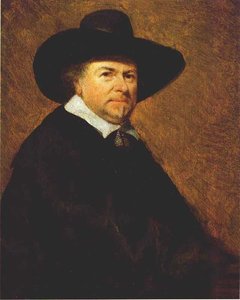
ヤン・ファン・ゴーイェン
1596 - 1656 , オランダ
基本情報
- Birth Date: 1596年1月13日
- Birth Place: オランダ、ライデン
- Death Date: 1656年4月27日
- Influenced: ヤン・ステーン
- Influenced By: エサイアス・ファン・デ・フェルデ
- Movement: オランダ黄金時代絵画
- Name: ヤン・ヨセフスゾーン・ファン・ホーイエン
- Nationality: オランダ
- Notable Works:
- 風車のある川の風景
- 湖畔の漁師
関連記事

レンブラント傑作25選:光と影の巨匠、魂を揺さぶる名画の世界 | ArtsDot
レンブラントの傑作25選。光と影の魔術師が描いた魂を揺さぶる名画の世界へ。美術史に残る自画像、夜警、宗教画…ArtsDotで高品質なアートプリントやインテリアアートをお楽しみください。コレクションはこちら→

黄金世紀の巨匠たち:バロック絵画が彩る10選|ArtsDot
オランダ黄金時代の10大傑作を紐解く!レンブラント、フェルメール…バロック絵画の魅力と時代背景を深く探求。ArtsDotで、至高のアートコレクションと空間演出のヒントを見つけよう。高品質なアートプリントで、お部屋を華やかに。
Charles Leickert: Capturing the Dutch Golden Age Light – A Comprehensive Study of Technique, Context, and Legacy
Explore the captivating winter landscapes of Charles Leickert, a master of Dutch Golden Age light & atmosphere. Discover his techniques, symbolism, and lasting legacy – a comprehensive study for art enthusiasts and collectors.

Golden Age Reflections: Dutch Baroque Painting & Cultural Innovation
Explore the Dutch Golden Age of painting! Discover key artists like Vermeer & ter Borch, their innovative techniques, and the rich cultural context behind these Baroque masterpieces. Learn about collecting & appreciating this iconic art period.
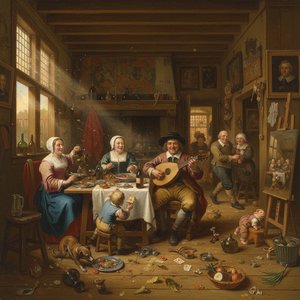
Jan Steen: A Master of Dutch Genre Painting & the Golden Age
Explore the life & art of Jan Steen, a leading Dutch Golden Age painter renowned for his humorous genre scenes & insightful social commentary. Discover his techniques, legacy, and collecting tips.

