

 プレビュー
プレビュー
 プリントを購入
 シェアする
シェアする シェアする
シェアする
 詳細を見る
詳細を見る

 ダウンロード
 似ている作品
 X線調査
X線調査 スライドショー
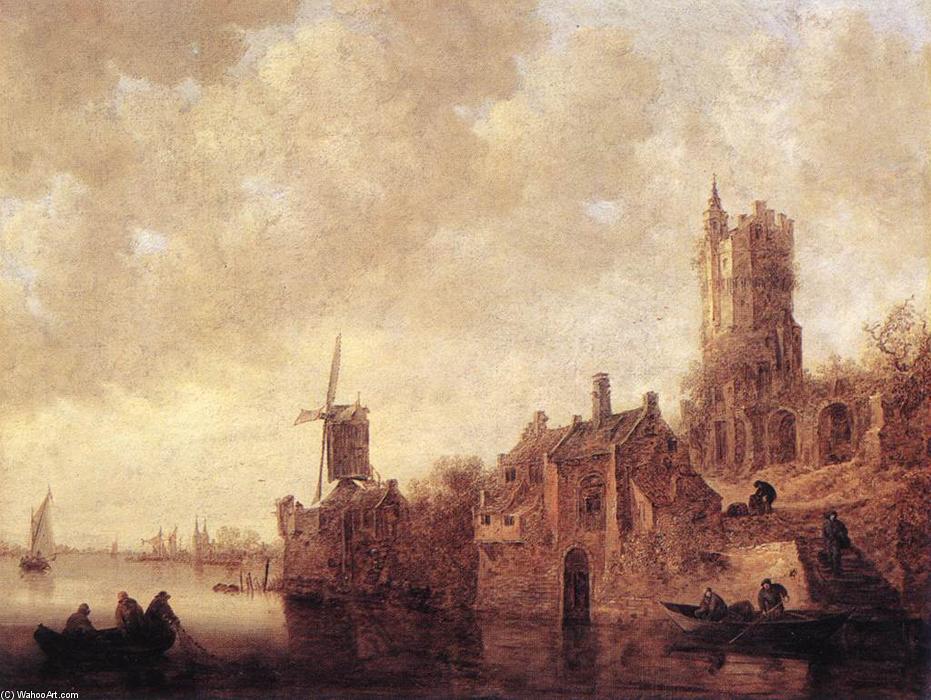
River Landscape with a Windmill and a Ruined Castle
 Oil On Canvas
- WallArt
- Baroque Landscape
 1644
1644 97.0 x 133.0 cm
 ルーブル美術館
 詳細を見る
詳細を見る




P118B $10

P118H $10

P118W $10

P438Z $10

P508JH $12

P508YH $12

P805H $10

P805Z $10

P919BZ $10

P919G $10

P919XJ $10

P959ZH $10

P968JZ $12

W106C $8

W218G $10

W218JH $8

W218Y $10

W307PJ $10

W316G $10

W316PJ $8

W316Y $10

W398PJ $8

W4111J $10

W500HY $15

W500JH $15

W692G $12

W849H $8

W940BG $15

W953PJ $8




作品のオリジナル比率に合わせた、当店の規定サイズからお選びください。

特定のフレームやスペースに合わせて、ご希望のサイズをご入力いただけます。選択されたサイズが元の画像の比率と異なる場合、アートワークをトリミングするか、手描きで要素を追加して絵画を拡張いたします。デジタルモックアップ を制作し、制作開始前にご確認(承認)をいただきます。
画面上のプレビューは、実際のトリミングや拡張を正確に反映しているものではありません。最終的な構図は、モックアップによってのみ正確にご確認いただけます。
カスタムサイズもご利用いただけますが、元の比率を維持するためには、あらかじめ用意されたリストからサイズを選択することをお勧めいたします。
ご注文後、ArtsDot.com チームより詳細な指示をお送りするとともに、仕上がりイメージ(モックアップ)をご提供いたします。


 ガラスオプションは、110cm未満のサイズでのみご利用いただけます。

River Landscape with a Windmill and a Ruined Castle
複製技法
複製画のサイズ
-


合計金額
$ 263
作品解説
A Serene Vision of the Dutch Delta: Unveiling Van Goyen’s River Landscape
Jan Josephszoon van Goyen's “River Landscape with a Windmill and a Ruined Castle,” painted in 1644, isn’t merely a depiction of a Dutch waterway; it’s a carefully constructed meditation on light, atmosphere, and the enduring beauty of the natural world. This remarkable work, measuring 97 x 133 cm, transports us to a tranquil corner of the Netherlands, where the subtle shifts in color and texture evoke a profound sense of peace and contemplation. Van Goyen, a pivotal figure in Dutch Golden Age painting, masterfully eschewed the flamboyant detail favored by some contemporaries, instead prioritizing a restrained palette and an almost ethereal quality that defines his signature style.
The scene unfolds along a gently flowing river, its surface reflecting the soft light of the sky. A solitary windmill, its sails frozen in a perpetual rotation, stands sentinel against the backdrop of a distant, crumbling castle ruin – a poignant reminder of bygone eras and the passage of time. A scattering of boats, small and unassuming, suggests a lively but understated activity along the water’s edge. The artist's keen eye for detail is evident not in dramatic flourishes, but in the precise rendering of ripples on the water, the weathered stones of the castle, and the subtle variations in the grass lining the riverbank.
The Language of Light and Shadow: Van Goyen’s Unique Technique
Van Goyen's technique is characterized by its remarkable subtlety. He employed a limited palette – primarily grays, browns, and greens – to create an atmosphere that is both luminous and deeply atmospheric. This wasn’t achieved through bold brushstrokes or vibrant colors; rather, it was the result of meticulously layering thin washes of paint, allowing the light to penetrate and reflect off the surfaces. He utilized a technique known as “glazing,” applying translucent layers of color over previous ones, building up depth and richness gradually. The use of white lead as a ground and for highlights is particularly noteworthy, contributing significantly to the painting’s luminous quality.
The artist's preference for working *en plein air* (outdoors) allowed him to capture the fleeting effects of light with remarkable accuracy. He would sketch directly onto the panel using walnut ink, creating a roadmap for his subsequent brushwork. This direct observation is evident in the way he renders the reflections on the water and the subtle gradations of color that define the landscape. The painting’s overall impression isn't one of sharp detail but rather of a hazy, dreamlike quality – a testament to Van Goyen’s mastery of atmospheric perspective.
Historical Context: A Reflection of Dutch Identity
Painted in 1644, during the height of the Dutch Golden Age, “River Landscape with a Windmill and a Ruined Castle” offers a glimpse into the values and sensibilities of the time. The Netherlands was experiencing an unprecedented period of prosperity and artistic innovation, fueled by its burgeoning trade networks and tolerant social climate. Landscapes like this one were not simply decorative; they served as a means of celebrating the beauty of the Dutch countryside – a source of national pride and identity. The inclusion of the windmill, a symbol of Dutch ingenuity and industry, reinforces this theme.
Furthermore, the ruined castle evokes a sense of history and memory, subtly reminding viewers of the Netherlands’ complex past—a past marked by conflict and resilience. The juxtaposition of the natural world with remnants of human construction creates a poignant dialogue between nature and civilization, reflecting a broader philosophical concern with the relationship between humanity and its environment. The painting's quiet dignity speaks to a deep appreciation for the enduring power of the land.
Bringing Van Goyen’s Vision Home: A High-Quality Reproduction
ArtsDot offers meticulously crafted, hand-painted reproductions of “River Landscape with a Windmill and a Ruined Castle,” allowing you to experience the beauty and tranquility of this iconic artwork in your own home. Our skilled artists faithfully recreate Van Goyen’s delicate brushwork and subtle color palette, ensuring that every detail is rendered with exceptional accuracy. Choose from a range of sizes and framing options to perfectly complement your décor. Invest in a reproduction that captures not only the visual splendor of the original but also the profound emotional resonance of this timeless masterpiece.
関連作品
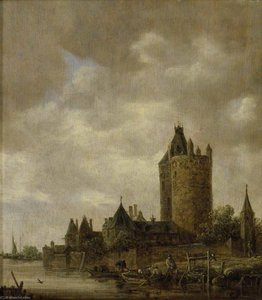
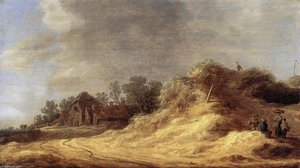
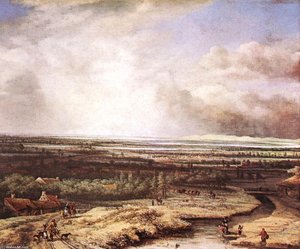
アーティストの略歴
ヤン・ヨセフスゾーン・ファン・ゴーイエン:風景に刻まれた生涯
生い立ちと修行時代
- 1596年1月13日、オランダのライデンに生まれたヤン・ヨセフスゾーン・ファン・ゴーイエンは、後にオランダ黄金時代の絵画における極めて重要な人物としてその名を馳せることになります。
- 彼はまず故郷ライデンで修行を積み、その後ハーレムにてエサイアス・ファン・デ・フェルデのもとで研鑽を積みました。この基礎となる修行期間が、彼の芸術的発展において決定的な役割を果たしたのです。
芸術的様式とその進化
- ファン・ゴーイなる様式は、その簡潔さ、繊細な色調の変化、そしてグレー、ブラウン、グリーンを主とした限られたパレットの使用によって、一目でそれと見分けることができます。
- 彼は当時流行していた色彩豊かで細密な風景画から脱却し、より写実的で空気感に満ちたアプローチの先駆者となりました。
- 初期の作品にはファン・デ・フェルデの影響が見て取れますが、彼はやがてオランダの風景の本質を捉えることに焦点を当てた、独自の際立ったスタイルを確立していきました。
多作な活動と代表作
- ファン・ゴーイは驚くほど多作な芸術家であり、その生涯を通じて推定1,200点の絵画と1,000点を超える素描を残しました。
- 代表的な作品には、彼のトナリズム(色調主義)風景画の真髄を示す風車のある川の風景や、穏やかな水辺の情景を描き出した湖畔の漁師たちなどがあります。
- 彼は河川、湖、砂丘、そして広大な空の情景を頻繁に描き、オランダの田園地帯が持つ独特の情緒を見事に捉えました。
影響と遺産
- ファン・デ・フェルデから影響を受けた一方で、ファン・ゴーイ自身の作品もまた、後世に多大な影響を与えるものとなりました。
- 彼の教え子の一人であるヤン・ステーンのような芸術家たちに対し、彼は直接的な影響を及ぼしています。
- 写実主義と空気感の効果を重視した彼の姿勢は、後の風景画家たちが歩む道を切り拓いたのです。
経済的苦境と晩年
- 芸術的な成功を収めた一方で、ファン・ゴーイは生涯を通じて深刻な経済的困難に直面していました。
- 彼は「チューリップ・バブル」における投機や不動産投資など、さまざまな事業に手を出しましたが、しばしば深い負債を抱えることとなりました。
- 1656年4月27日にハーグで亡くなった際、彼の負債は1万8,000ギルダーにものぼったと伝えられています。
歴史的意義
- ファン・ゴーイの作品は、オランダ黄金時代絵画の礎石であり、風景画の発展における重要な貢献であると考えられています。
- 彼は17世紀のオランダの精神を捉え、当時の繁栄と土地との結びつきを反映させました。
- その革新的な技法と写実的な描写は、時代を超えて今なお芸術家たちにインスピレーションを与え、観る者を魅了し続けています。
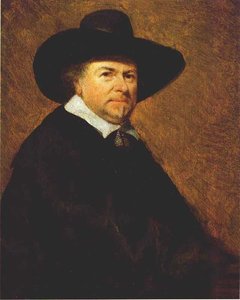
ヤン・ファン・ゴーイェン
1596 - 1656 , オランダ
基本情報
- Birth Date: 1596年1月13日
- Birth Place: オランダ、ライデン
- Death Date: 1656年4月27日
- Influenced: ヤン・ステーン
- Influenced By: エサイアス・ファン・デ・フェルデ
- Movement: オランダ黄金時代絵画
- Name: ヤン・ヨセフスゾーン・ファン・ホーイエン
- Nationality: オランダ
- Notable Works:
- 風車のある川の風景
- 湖畔の漁師
関連記事
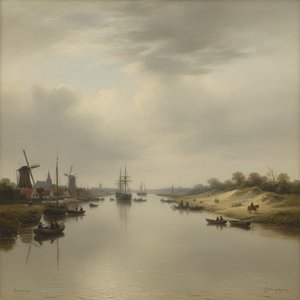
Jan van Goyen: Master of Dutch Landscape & Atmospheric Perspective
Discover Jan van Goyen, the master of Dutch landscape painting. Explore his subtle technique, atmospheric realism & lasting influence on art history. Learn about this 17th-century pioneer at ArtsDot.

レンブラント傑作25選:光と影の巨匠、魂を揺さぶる名画の世界 | ArtsDot
レンブラントの傑作25選。光と影の魔術師が描いた魂を揺さぶる名画の世界へ。美術史に残る自画像、夜警、宗教画…ArtsDotで高品質なアートプリントやインテリアアートをお楽しみください。コレクションはこちら→
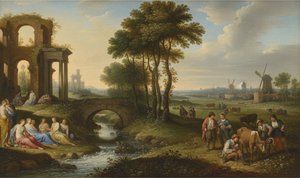
Cornelis van Poelenburch: Bridging Mannerism & the Dutch Baroque Landscape
Discover Cornelis van Poelenburch, a pivotal Dutch Baroque landscape painter bridging Mannerism & Italianate styles. Explore his life, key works, and lasting influence on 17th-century art with ArtsDot.
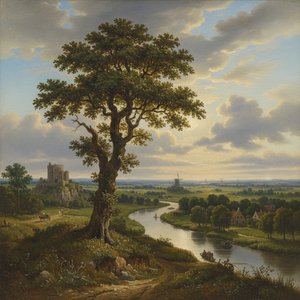
Jacob van Ruisdael: Master of Dutch Landscape & the Evocation of National Identity
Explore the life & work of Jacob van Ruisdael, the preeminent Dutch landscape painter. Discover his technical brilliance, symbolic depth, and lasting influence on art history. Learn about collecting Ruisdael's masterpieces.
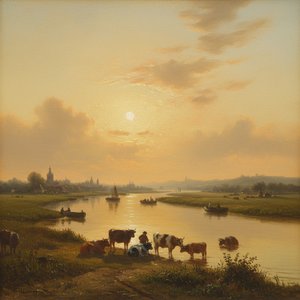
Aelbert Cuyp: Illuminating the Dutch Golden Age with Light & Landscape
Explore the luminous landscapes of Aelbert Cuyp, a master of the Dutch Golden Age. Discover his unique light, serene riverside scenes & lasting influence on art history. Learn more at ArtsDot.

