

 プレビュー
プレビュー
 プリントを購入
 シェアする
シェアする シェアする
シェアする
 詳細を見る
詳細を見る

 ダウンロード
 似ている作品
 X線調査
X線調査 スライドショー
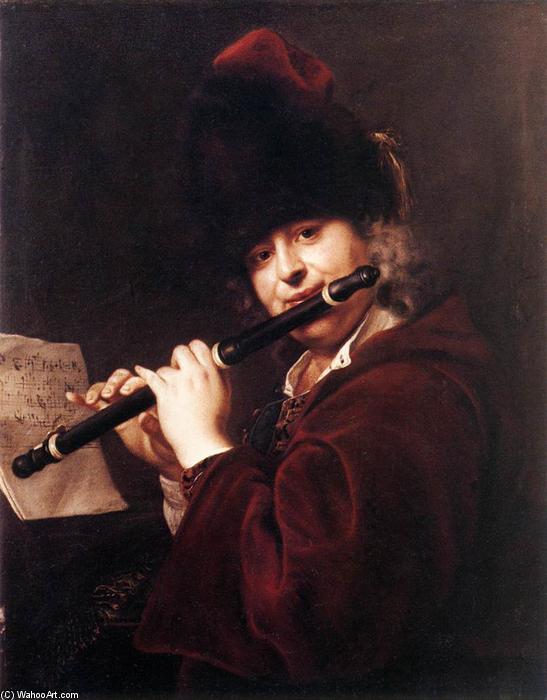
Portrait of the Court Musician Josef Lemberger


 詳細を見る
詳細を見る
オンラインプレビューをはるかに凌ぐ、高解像度で鮮明なデジタル画像をご購入いただけます。
各ファイルは、社内の専門家が高度なツールと熟練した手作業によるレタッチを用いて、細心の注意を払って準備されています。すべての画像において、卓越した鮮明度、正確な色彩再現性、そして繊細なディテールを保証いたします。
最終ファイルは、プロフェッショナルな編集・印刷環境ですぐにご利用いただけるよう最適化された状態で、72時間以内にメールにてお届けいたします。これは、一流のデザインスタジオ、出版社、ギャラリーから信頼されているものと同等の品質です。
デジタル画像のご注文に付随する特典
高品質なデジタル画像配信を、確かな品質で。
ArtsDot.com を選ぶことは、単に画像を手に入れることではありません。それは、プロの手によって精密に仕上げられ、満足保証が付いた高品質なデジタルアートワークを受け取ることを意味します。ご注文いただいた際に自動的に付随する内容は、以下の通りです:

メールですぐにお届け
ご注文から72時間以内に、高解像度のデジタル画像ファイルがメールでお手元に届きます。すぐにそのままご利用いただけます。

AI技術で最適化されたデジタルファイル
お客様の作品は、高度なAIツールと専門家による手作業の編集を組み合わせてプロフェッショナルに最適化されており、細部のディテール、鮮明さ、そして正確な色再現性を最大限に引き出しています。

一生涯無料の再送サービス
ファイルを誤って削除したり、紛失してしまったりしましたか?ご安心ください。いつでも無料で再送いたします。

輸入手数料は一切かかりません
関税や手数料、配送料を気にすることなく、お気に入りのアートワークをすぐにお楽しみいただけます。デジタルダウンロードは常に免税です。

色彩再現の保証
プロ仕様のツールとカラーマネジメント技術を用いることで、デジタル画像が元の色を最大限に忠実に再現することを保証いたします。

60日間満足保証
ご購入いただいたデジタル画像にご満足いただけない場合は、60日以内であれば、修正または100%の返金(理由を問う必要はありません)をさせていただきます。

100% 返金保証
ご満足いただけない場合は、デジタルファイルを受け取ってから60日以内であれば、理由を問わず全額返金いたします。

まとめ買い割引
3枚購入で10%OFF - 5枚購入で15%OFF - 10枚以上購入で20%OFF。クリエイティブなプロジェクト、ギャラリー、エージェンシーに最適です。
Portrait of the Court Musician Josef Lemberger: A Window into 18th-Century Nuremberg
- Jan Kupecky’s “Portrait of the Court Musician Josef Lemberger,” painted in 1730, is more than just a depiction of an individual; it's a meticulously crafted snapshot of life within the Germanisches Nationalmuseum’s collection – a testament to the artistic sensibilities and social customs of early 18th-century Europe. The painting immediately draws the eye to its subject: a man radiating quiet joy and focused concentration as he plays two flutes, his red hat a vibrant splash against the rich tones of his attire. This isn't merely a portrait; it’s an invitation into a world of musical performance and aristocratic leisure.
- Kupecky, born in Pezinok (present-day Slovakia) in 1667, was a master of capturing the nuances of human expression within the prevailing Baroque style. His journey through various European courts – from Vienna to Italy – imbued his work with a sophisticated blend of realism and idealized beauty. The meticulous detail evident in the rendering of the musician’s hands, the intricate patterns on his clothing, and even the delicate sheen of the instruments speaks volumes about Kupecky's technical skill and dedication to his craft.
A Symphony of Technique: Exploring Kupecky’s Artistic Process
- The painting is executed in oil on canvas, a medium favored by Kupecky for its ability to achieve rich colors and subtle gradations. Notice the masterful use of chiaroscuro – the dramatic interplay of light and shadow – which sculpts the musician's face and hands, lending him a palpable sense of volume and presence. The background, featuring a grand piano, isn’t merely decorative; it subtly elevates the subject’s status, suggesting his position as a valued member of the courtly circle.
- Kupecky’s brushwork is remarkably controlled yet expressive. He employs short, precise strokes to define the textures of fabric and wood while utilizing broader sweeps to convey movement and emotion. The overall effect is one of dynamic realism – a captivating portrayal that feels both timeless and intensely immediate. The level of detail suggests considerable time spent observing and studying his subject, a hallmark of Kupecky’s approach.
Historical Context: A Glimpse into the Germanisches Nationalmuseum
- “Portrait of the Court Musician Josef Lemberger” resides within the vast collection of the Germanisches Nationalmuseum in Nuremberg, a museum founded in 1852 and boasting over 1.3 million objects. This institution represents more than just a repository of artifacts; it’s a chronological journey through German cultural history, offering visitors an unparalleled opportunity to connect with the past. The painting's presence within this esteemed collection underscores its significance as a representative work of the era.
- The museum itself – one of the largest museums of cultural history in the German-speaking region – reflects a commitment to preserving and showcasing the artistic and historical treasures of the region. Its holdings, including works by Hans Burgkmair and Konrad Witz, provide valuable context for understanding Kupecky’s place within the broader artistic landscape of 18th-century Europe.
Symbolism and Emotional Resonance
- The musician's posture – absorbed in his music, a gentle smile playing on his lips – evokes a sense of tranquility and intellectual engagement. The flutes themselves, symbols of musical expression and refinement, further enhance the painting’s aesthetic appeal. The red hat, a bold statement against the muted tones of the background, adds a touch of personality and perhaps even hints at the musician's social standing.
- Ultimately, “Portrait of the Court Musician Josef Lemberger” is a poignant reminder of the enduring power of art to capture not just likenesses but also emotions, aspirations, and the essence of human experience. It’s a captivating piece that invites contemplation and offers a valuable window into a bygone era.
関連作品





作家の略歴
Jan Kupecky: The Eloquent Portraitist of Baroque Slovakia
Jan Kupecky (1667-1740), a name perhaps less familiar than some of his contemporaries, nevertheless stands as a significant figure in the history of Slovak and European art. Born in Pezinok, a town near Pressburg (Bratislava) in 1667, Kupecky’s life was one of constant movement and adaptation, shaped by religious upheaval and artistic ambition. His journey took him from the Czech Brethren roots of his family through Hungary, Vienna, Italy, and finally to Nuremberg, leaving behind a legacy of refined portraits that capture the elegance and social dynamics of the 18th century. Kupecky’s work is characterized by a masterful blend of realism and idealized beauty, reflecting both the Baroque traditions he embraced and his own distinctive artistic sensibility.Early Life and Artistic Training
Kupecký's origins were deeply intertwined with religious persecution. As a member of the Protestant Czech Brethren community, his family sought refuge in Royal Hungary from Catholic authorities. This early experience undoubtedly instilled within him a sense of resilience and perhaps a subtle awareness of social constraints – qualities that would later inform his portraits. His artistic training began under the tutelage of Benedict Klaus, a Swiss painter active in both Vienna and Hungary, providing him with a foundational understanding of Baroque techniques. Crucially, Kupecký’s ambition led him to Italy, where he spent approximately twenty years immersed in the vibrant art scene of Rome and Venice. This period proved transformative, exposing him to the innovations of Caravaggio, Reni, and other masters, influencing his dramatic use of light, composition, and psychological insight. He returned to Vienna in 1709, a seasoned artist ready to establish himself as a prominent portraitist within the Habsburg court.Vienna: Court Painter and Artistic Flourishing
Kupecký’s arrival in Vienna marked a period of intense artistic activity and considerable success. He quickly gained recognition for his ability to capture the personalities and social standing of his subjects – from members of the royal family, like Prince Eugene of Savoy, to wealthy aristocrats and prominent scholars. His portraits were not merely likenesses; they were carefully constructed narratives, revealing character through gesture, expression, and attire. The demand for his services was substantial, leading him to travel extensively throughout Central Europe, undertaking commissions in Hungary, Poland, and beyond. Notably, he even painted a portrait of Peter the Great, reflecting the international significance of Vienna as a cultural hub. Despite his success, Kupecký remained somewhat detached from Viennese society, maintaining a reserved demeanor and adhering to his Protestant faith – a characteristic that Füssli, a fellow artist, noted as setting him apart.Key Works and Artistic Style
Kupecky’s oeuvre is distinguished by several key elements. His portraits are characterized by a remarkable attention to detail, from the texture of fabrics to the subtle nuances of facial expression. He employed dramatic lighting techniques reminiscent of Caravaggio, creating strong contrasts between light and shadow that heightened the emotional impact of his compositions. His use of color was restrained yet sophisticated, favoring rich jewel tones and muted earth tones to create a sense of elegance and refinement. The artist’s family portraits are particularly noteworthy, offering intimate glimpses into the lives of his own kin – including his wife and son, depicted in “The Artist with his Wife and Son,” a work that exemplifies his ability to convey both familial affection and artistic skill. Other notable works include "Young Man with a Violin" and "Portrait of a Young Woman," showcasing his mastery of capturing youthful beauty and conveying inner character.Legacy and Historical Significance
Jan Kupecky’s influence extended far beyond his lifetime. His portraits were widely circulated through engravings, ensuring their accessibility to a broader audience. Bernhard Vogel produced numerous prints based on Kupecký's paintings, contributing significantly to the artist’s fame. Today, his works are housed in prestigious collections across Europe, including Bratislava City Gallery, which holds the most comprehensive collection of prints after his paintings. Kupecky represents a crucial link between the Baroque and Rococo periods, embodying the elegance and social consciousness that defined 18th-century portraiture. He stands as a testament to the artistic talent nurtured within Slovakia and a significant contributor to the rich tapestry of European art history. His legacy continues to be appreciated for his technical skill, psychological insight, and ability to capture the essence of his subjects – making him a truly remarkable artist.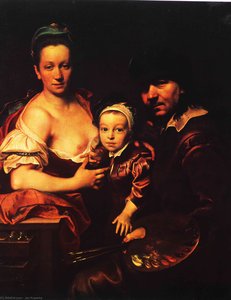
jan kupecky
1667 - 1740 , Slovakia
プロフィール概要
- Artistic Movement Or Style: Baroque portraiture
- Artists Or Movements Influenced By This Artist:
- Caravaggio
- Reni
- Rembrandt
- Artists Who Influenced This Artist: ['Benedikt Klaus']
- Date Of Birth: 1667 Pezinok
- Date Of Death: 1740 Nuremberg
- Full Name: Jan Kupecký
- Nationality: Slovakian
- Notable Artworks:
- Self-portrait with Portrait of his Wife
- Young Man with a Violin
- Portrait of a young woman
- Place Of Birth: Pezinok, Slovakia

