 プレビュー
プレビュー
 プリントを購入
 シェアする
シェアする シェアする
シェアする
 詳細を見る
詳細を見る

 ダウンロード
 似ている作品
 X線調査
X線調査 スライドショー
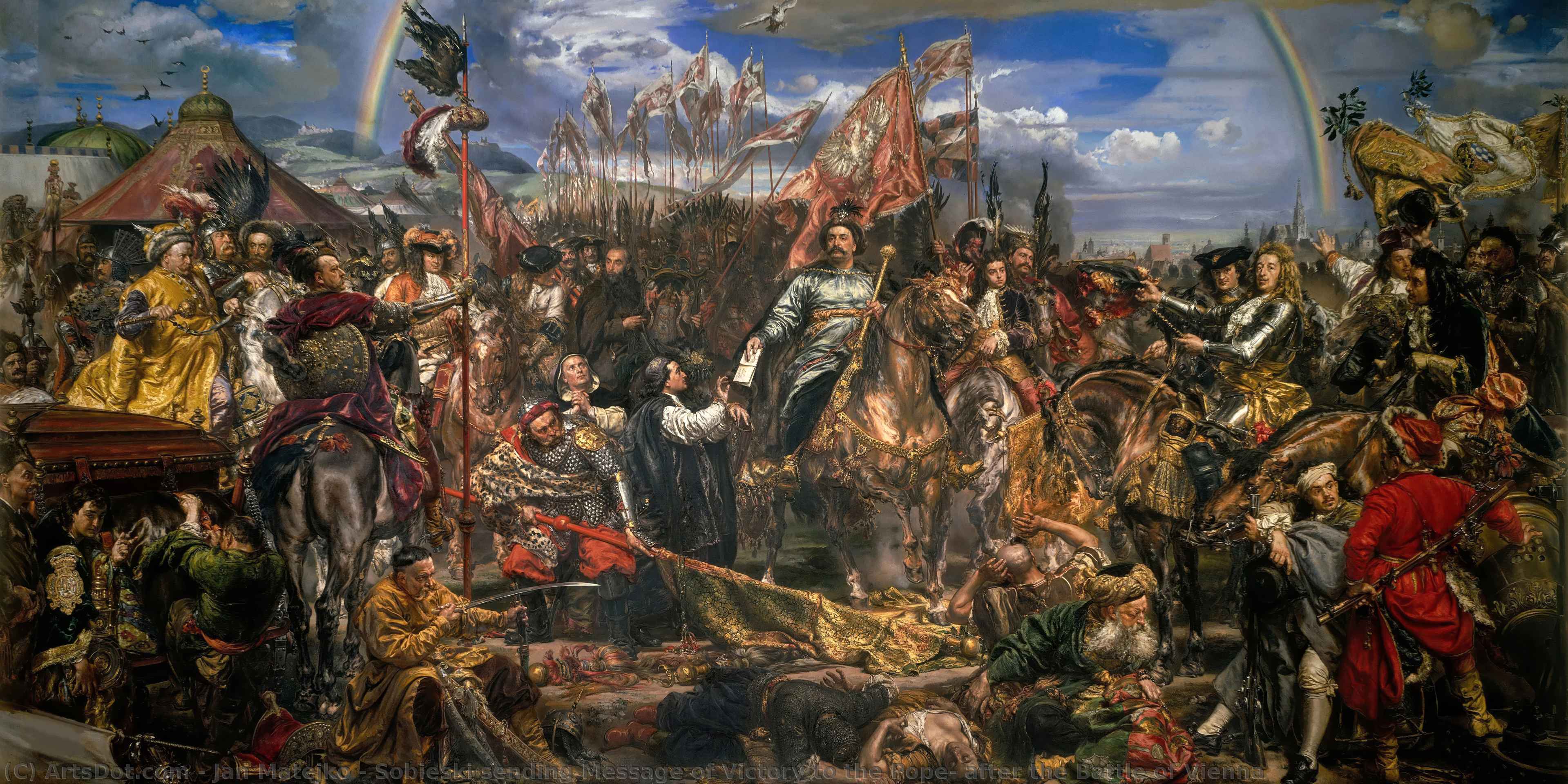
Sobieski sending Message of Victory to the Pope, after the Battle of Vienna

 詳細を見る
詳細を見る




































作品のオリジナル比率に合わせた、当店の規定サイズからお選びください。

特定のフレームやスペースに合わせて、ご希望のサイズをご入力いただけます。選択されたサイズが元の画像の比率と異なる場合、アートワークをトリミングするか、手描きで要素を追加して絵画を拡張いたします。デジタルモックアップ を制作し、制作開始前にご確認(承認)をいただきます。
画面上のプレビューは、実際のトリミングや拡張を正確に反映しているものではありません。最終的な構図は、モックアップによってのみ正確にご確認いただけます。
カスタムサイズもご利用いただけますが、元の比率を維持するためには、あらかじめ用意されたリストからサイズを選択することをお勧めいたします。
ご注文後、ArtsDot.com チームより詳細な指示をお送りするとともに、仕上がりイメージ(モックアップ)をご提供いたします。


 ガラスオプションは、110cm未満のサイズでのみご利用いただけます。

Sobieski sending Message of Victory to the Pope, after the Battle of Vienna
複製技法
複製画のサイズ
-


合計金額
$ 263
作品解説
The Historical Context
The painting depicts King John III Sobieski sending a message of victory to Pope Innocent XI after the Battle of Vienna in 1683. This battle was a significant turning point in European history, as it marked the defeat of the Ottoman Empire and saved Europe from further Turkish conquests.Artistic Style
Jan Matejko's style is characterized by his use of Romanticism, which emphasizes emotion, imagination, and individualism. In this painting, he skillfully captures the drama and triumph of the moment, with Sobieski standing proudly amidst his troops and allies.Key Elements
- Composition: The painting is divided into two main sections: the left side features Sobieski and his Polish troops, while the right side depicts the defeated Ottoman forces. - Color Palette: Matejko uses a vibrant color scheme to convey the sense of victory and celebration. The dominant colors are red, gold, and blue, which symbolize courage, wealth, and loyalty. - Figures: Sobieski is portrayed as a strong leader, with his arm outstretched as he hands over the message to Denhoff, a canon of Krakow.Relevance and Legacy
This painting is not only a testament to Matejko's artistic skill but also a celebration of Polish history. It has become an iconic representation of the Battle of Vienna and Sobieski's bravery.Conclusion
Jan Matejko's Sobieski sending Message of Victory to the Pope, after the Battle of Vienna is a masterpiece that combines historical significance with artistic brilliance. It continues to inspire art lovers and historians alike, serving as a reminder of the importance of preserving cultural heritage. For those interested in exploring more of Matejko's works or learning about other historical paintings, visit https://ArtsDot.com for high-quality reproductions and detailed information on various artists and their masterpieces.関連作品
![The Battle Of Grunwald [tannenberg] — ヤン・マテイコ, Romantic Historical Painting](/media/artworks/images-thumb/76/63/7663bffc0e03f3032abe818c6c091ed6.jpg)

アーティストの略歴
幼少期と教育
ヤン・アロジ・マテイコは、1838年6月24日にポーランドのクラクフで生まれました。彼の父、フランチシェク・クサヴェリ・マテイコはチェコ出身の家庭教師であり音楽教師でした。ヤンの幼少期は、1846年のクラクフ革命と1848年のオーストリア軍によるクラクフ包囲によって特徴づけられ、これらの出来事は後に彼の芸術的テーマに影響を与えることになります。マテイコは聖アンナ高校に通いましたが、1851年に成績不振のため中退しました。しかしながら、彼は幼い頃から並外れた芸術的才能を示していました。1852年から1858年までクラクフの美術学校で学び、ヴォイチェフ・コルネリ・スタトラーとヴワディスワフ・ウシュチキエヴィッチのもとで歴史画を専門としました。芸術的キャリア
マテイコの最初の重要な作品であるシュイスキー皇帝のジグムント3世の前は、1853年に完成しました。彼は1855年からクラクフ美術友協会で歴史画を展示し始めました。注目すべき作品には以下が含まれます:- レイタン (1866): ポーランドの歴史における重要な瞬間を描いた大きな油彩作品。
- ルブリン合同 (1869): マテイコの歴史的出来事を捉える能力を示す重要な作品。
- グルンヴァルトの戦い (1878): 戦闘シーンの激しさを伝える彼の能力を強調する傑作。
博物館への貢献と遺産
マテイコは生涯のほとんどをクラクフで過ごし、最終的にはヤン・マテイコ美術アカデミー(旧クラクフ美術アカデミー)の院長となりました。彼の生徒には、マウリチ・ゴットリープ、ヤツェク・マルチェフスキ、ヨゼフ・メホッフェル、スタニスワフ・ヴィスピャンスキなどの著名な画家が含まれています。ArtsDotで入手可能な注目作品:- ヤン・マテイコ: ヴァルナ (ロマン主義)
- ヤン・マテイコ: 静物画 (ロマン主義)
- ヤン・マテイコ: ルブリン合同 (298 x 512 cm、ロマン主義、油彩)
影響と様式
マテイコの作品はロマン主義運動に属し、ポーランドの歴史と国民意識を強く反映しています。彼は詳細な描写、ドラマチックな構図、そして鮮やかな色彩を用いて、過去の出来事を生き生きと再現しました。彼の絵画は単なる記録ではなく、ポーランドの人々のアイデンティティと精神性を表現するものでした。スタトラーやウシュチキエヴィッチからの影響を受けながらも、マテイコは独自のスタイルを確立し、歴史的テーマに深い感情と叙事詩的なスケールをもたらしました。彼の作品はしばしば愛国心を喚起し、ポーランドの国民的英雄や悲劇的な出来事を称えました。参考文献:
ポーランド国立博物館クラクフの傑作を発見する (wikipedia.org)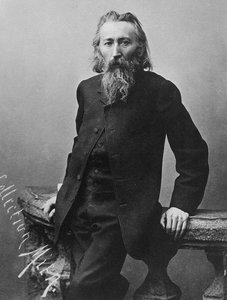
ヤン・マテイコ
1838 - 1893 , 日本
基本情報
- Artistic Movement Or Style: ロマン主義
- Artists Or Movements Influenced By This Artist: ['マウリツィ・ゴットリープ']
- Artists Who Influenced This Artist:
- ヴォイチェフ・スタトラー
- ヴワディスワフ・ウシュチキエヴィチ
- Date Of Birth: 1838年6月24日
- Date Of Death: 1893年11月1日
- Full Name: ヤン・マテイコ
- Nationality: ポーランド人
- Notable Artworks (List Of Titles):
- 「グリュンワルドの戦い」
- 「リubin連合」
- Place Of Birth (City And Country): ポーランド、クラクフ