メニュー
無料アート相談
プレビュープレビュー ARで試着ARで試着 手描きの絵画を購入 手描きの絵画を購入画像を購入 画像を購入 シェアするシェアする
詳細を見る詳細を見る お気に入りに追加 お気に入りに追加 ダウンロードダウンロード 似ている作品似ている作品 X線調査X線調査 スライドショースライドショー

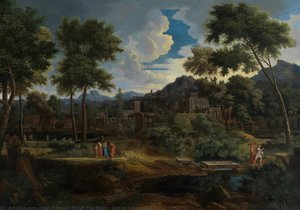
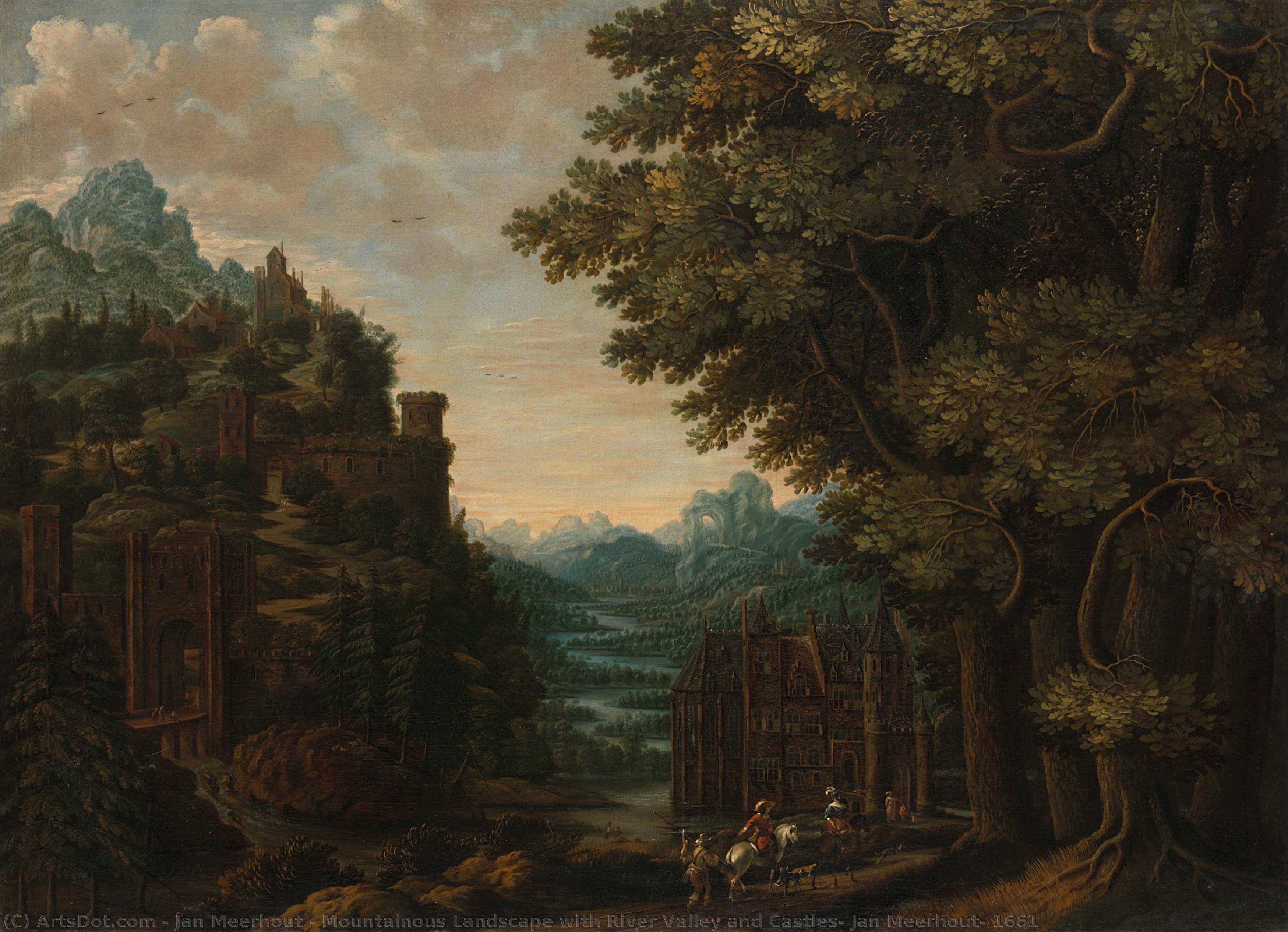
Mountainous Landscape with River Valley and Castles, Jan Meerhout, 1661

  • 制作日1661
  • 寸法112.0 x 155.0 cm

Jan Meerhout was a Flemish landscape painter known for his detailed depictions of mountainous scenes and river valleys, exemplified in works like 'Mountainous Landscape with River Valley and Castles' from 1661; discover the serene beauty and masterful technique within his captivating collection.

ジークレー/アートプリント

迅速な制作と多彩な仕上げオプションを備えた、ミュージアムクオリティのジークレーまたはキャンバスプリント。 (手描きの絵画を購入 手描きの絵画を購入画像を購入 画像を購入)

標準サイズ
オーダーメイド
CM
INCH

作品のオリジナル比率に合わせた、当店の規定サイズからお選びください。

高さ

特定のフレームやスペースに合わせて、ご自身でサイズを指定することも可能です。選択されたサイズが元の画像の比率と一致しない場合、作品をトリミングするか、鏡面反射または単色での塗りつぶしによって画像を拡張いたします。制作を開始する前に、ご確認用のデジタルモックアップをお送りいたします。
画面上のプレビューには、実際のトリミングや拡張は反映されませんのでご注意ください。最終的な構図を正確に確認できるのは、モックアップのみとなります。
カスタムサイズも承っておりますが、元の比率を維持するためには、あらかじめ用意されたリストからサイズを選択することをお勧めいたします。

世界中への配送()は、標準の4〜5週間ではなく、2週間でお届けいたします。(28 8月)

why_choose_icon
世界中へ無料エクスプレス配送
why_choose_icon
高品質なリネンキャンバス
why_choose_icon
配送時完全保険付
why_choose_icon
関税・輸入税の払い戻し保証
why_choose_icon
忠実な色彩再現保証
why_choose_icon
60日間返品保証(製造上の欠陥のみ)
why_choose_icon
100% 全額返金保証
why_choose_icon
まとめ買い割引のご案内

合計金額

$ 62

reproduction

Mountainous Landscape with River Valley and Castles, Jan Meerhout, 1661

ジークレー/アートプリント

複製画のサイズ

-

合計金額

$ 62

Fantastic mountain scenery with a river valley. On the right, some travelers take a road towards a castle. On the left of the mountain slope are more castles.

アーティストの略歴

A Glimpse into the World of Jan Meerhout

The name Jan Meerhout resonates quietly within the annals of 17th-century landscape painting, a period brimming with innovation and a burgeoning appreciation for the natural world. While biographical details surrounding Meerhout remain scarce – a testament to the often-overlooked artists who contributed to the richness of the Dutch Golden Age – his surviving works offer compelling evidence of a skilled hand and a sensitive eye. Currently living, though information regarding his early life and formal training is unavailable, Meerhout’s artistic output suggests an immersion in the traditions of landscape artistry prevalent in his time.

The Allure of the Landscape

Meerhout's known oeuvre centers almost exclusively on expansive landscapes, often featuring dramatic mountainous vistas, winding river valleys, and the romantic suggestion of medieval castles nestled amongst the peaks. Mountainous Landscape with River Valley and Castles (1661), a prime example of his style, exemplifies the artist’s ability to capture both the grandeur and intimacy of nature. The painting isn't merely a topographical depiction; it evokes a sense of journey, of discovery, and perhaps even a touch of melancholy contemplation. His brushwork is characterized by a delicate balance between detail and suggestion, allowing viewers to feel the texture of the land while maintaining an overall atmospheric quality.

Influences and Artistic Development

Pinpointing Meerhout’s direct influences proves challenging given the limited documentation surrounding his life. However, stylistic similarities suggest a familiarity with the works of earlier landscape masters such as Jan van Goyen, known for his realistic depictions of Dutch flatlands, and perhaps even the more idealized landscapes of Cornelis van Haarlem. It’s plausible that Meerhout absorbed elements from both traditions – the realism in rendering natural forms combined with a romantic inclination towards picturesque compositions. His work doesn't exhibit the overt drama of artists like Salvator Rosa, but shares a similar fascination with rugged terrain and the power of nature. The presence of castles within his landscapes hints at an interest in historical narratives or perhaps simply a desire to imbue his scenes with a sense of timelessness.

A Quiet Legacy

Though not widely celebrated during his lifetime, Jan Meerhout’s paintings offer a valuable insight into the diverse landscape traditions flourishing in 17th-century Europe. His ability to blend realistic observation with atmospheric perspective and romantic composition demonstrates a refined artistic sensibility. The enduring appeal of his work lies in its quiet beauty – a subtle invitation to lose oneself within the vastness of nature and contemplate the passage of time. As more research emerges, it is hoped that a fuller understanding of Meerhout’s life and artistic contributions will further illuminate his place within the broader context of Dutch Golden Age painting.