

 プレビュー
プレビュー
 プリントを購入
 シェアする
シェアする シェアする
シェアする
 詳細を見る
詳細を見る

 ダウンロード
 似ている作品
 X線調査
X線調査 スライドショー
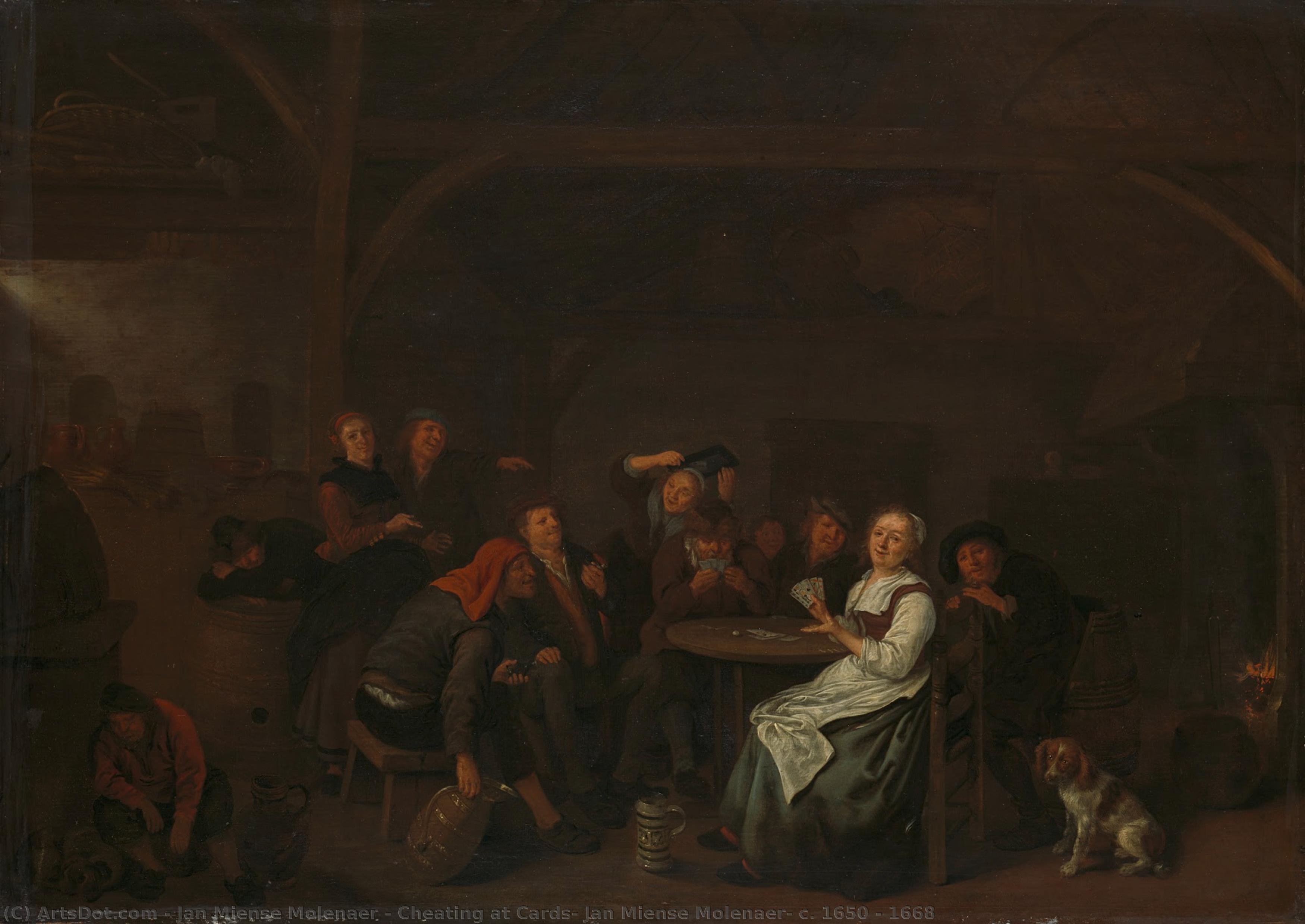
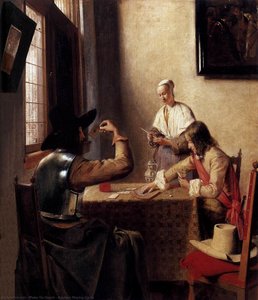
Cheating at Cards, Jan Miense Molenaer, c. 1650 - 1668
 Oil On Panel
- Dutch Golden Age
 1668
1668- Early Modern
 49.0 x 69.0 cm
 詳細を見る
詳細を見る




































作品のオリジナル比率に合わせた、当店の規定サイズからお選びください。

特定のフレームやスペースに合わせて、ご希望のサイズをご入力いただけます。選択されたサイズが元の画像の比率と異なる場合、アートワークをトリミングするか、手描きで要素を追加して絵画を拡張いたします。デジタルモックアップ を制作し、制作開始前にご確認(承認)をいただきます。
画面上のプレビューは、実際のトリミングや拡張を正確に反映しているものではありません。最終的な構図は、モックアップによってのみ正確にご確認いただけます。
カスタムサイズもご利用いただけますが、元の比率を維持するためには、あらかじめ用意されたリストからサイズを選択することをお勧めいたします。
ご注文後、ArtsDot.com チームより詳細な指示をお送りするとともに、仕上がりイメージ(モックアップ)をご提供いたします。


 ガラスオプションは、110cm未満のサイズでのみご利用いただけます。

Cheating at Cards, Jan Miense Molenaer, c. 1650 - 1668
複製技法
複製画のサイズ
-


合計金額
$ 263
作品解説
関連作品

アーティストの略歴
オランダの巨匠が描いた親密なる世界
オランダ黄金時代の巨匠たちの間で密やかに語り継がれる名、ヤン・ミンス・モレナール。その名は、家庭的な温もりと活気に満ちた人間模様を思い起こさせます。1610年にハールレムで生まれた彼の生涯は、17世紀オランダ社会という豊かな織物の中で紡がれました。モレナールは単なる情景の記録者ではありませんでした。彼は、日常の刹那的な瞬間を捉える類まれな能力を備えた観察者だったのです。その芸術的旅路において、初期のスタイルはフランス・ハルスが放つ輝きを彷彿とさせ、自然な身振りを捉える卓越した技量を示していました。しかし、キャリアが進むにつれて、彼の筆致はアドリアーン・ファン・オスターデの特徴である、情緒豊かな空気感とのより繊細な対話へと落ち着いていったのです。
風俗画と精神を描く画家
彼の天才性は、日常の営みを高尚な芸術へと昇華させた「風俗画」において、最も表現豊かな出口を見出しました。モレナールのキャンバスには、肌で感じられるほどの親密さが満ち溢れています。絵画の中の空気そのものが温かく、音楽や分かち合われる笑い声の香りに包まれているかのように感じられるのです。『音楽を奏でる人々』に見られるような、活気ある演奏のために集まった音楽家たちの姿であれ、家族の静かな交流であれ、描かれた主題は否定しがたい生命力を宿しています。これらの情景は、理想化を排した緻密なリアリズムによって特徴づけられ、観る者をハールレムの確かな現実世界へと繋ぎ止めます。さらに、同じアトリエを共有し、自身も名高い風俗画家であり肖像画家であったユディト・レイステルとの繋がりは、才能が共鳴し合い、交流を通じて開花した、当時の活気ある芸術的サークルを物語っています。
技法と永続する影響力
モレナールの技術的な卓越性は、色彩と構図の巧みな操り方にありました。彼は単に絵具で情景を構築したのではなく、感情的な響きをもって描き出し、秩序がありながらも極めて自然な、即興性を感じさせる構図を生み出しました。簡素な家庭のひとときにこれほどの深みを与える彼の能力は、驚嘆に値します。その主題の一部には聖書の物語に触れるものもありますが、彼の不朽の魅力の本質は、人間同士の繋がりを祝福することにあります。音楽の共有されるリズムや、『ラ・マン・ショード(手合わせ)』のような作品に捉えられた仕草こそが、彼の真骨頂なのです。彼の技法の残響は、後世の世代へと強く響き渡りました。ヤン・ステーンやゲラルト・テル・ボルトといった芸術家たちは、光と人間心理に対するモレナールの繊細なアプローチから、明らかに教訓を吸収しており、オランダ絵画の絶頂期を定義する上で極めて重要な人物としての地位を確立しています。
キャンバスに刻まれた遺産
ヤン・ミンス・モレナールの作とされる作品は、今なお大陸を越えて愛好家を魅了し続けています。マウリッツハイス王立絵画館からアムステルダム国立美術館に至るまで、彼の絵画は過ぎ去った時代への鮮やかな入り口として機能しています。それらは私たちに、単に芸術を鑑賞することだけでなく、その中へと参加することを促します。音楽に耳を傾け、集いの温もりを感じるように。彼の遺産とは、深い観察眼そのものです。最も記念碑的な芸術とは、しばしば日常の繊細な美しさの中に見出されるものであるということを、彼は証明しているのです。
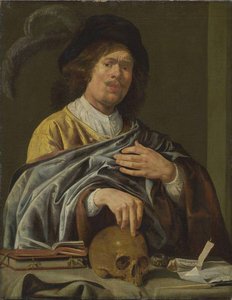
ヤン・ミンス・モーレナール
1610 - 1668 , オランダ
基本情報
- Artistic Movement Or Style: オランダ黄金時代絵画
- Artists Or Movements Influenced By This Artist:
- ヤン・ステーン
- ヘラルト・テル・ボルホ
- Artists Who Influenced This Artist:
- フランス・ハルス
- アドリアーン・ファン・オスターデ
- Date Of Birth: 1610年
- Date Of Death: 1668年
- Full Name: ヤン・ミンス・モレナール
- Nationality: オランダ
- Notable Artworks:
- 音楽奏者たち
- 二重奏
- 音楽を奏でる家族
- ラ・マン・ショーデ
- Place Of Birth: オランダ、ハールレム
関連記事

黄金世紀の巨匠たち:バロック絵画が彩る10選|ArtsDot
オランダ黄金時代の10大傑作を紐解く!レンブラント、フェルメール…バロック絵画の魅力と時代背景を深く探求。ArtsDotで、至高のアートコレクションと空間演出のヒントを見つけよう。高品質なアートプリントで、お部屋を華やかに。
Jan Steen: A Master of Dutch Genre Painting & the Golden Age
Explore the life & art of Jan Steen, a leading Dutch Golden Age painter renowned for his humorous genre scenes & insightful social commentary. Discover his techniques, legacy, and collecting tips.

Golden Age Reflections: Dutch Baroque Painting & Cultural Innovation
Explore the Dutch Golden Age of painting! Discover key artists like Vermeer & ter Borch, their innovative techniques, and the rich cultural context behind these Baroque masterpieces. Learn about collecting & appreciating this iconic art period.

Illuminating Innovation: Exploring the Dutch Golden Age of Painting
Explore the Dutch Golden Age of painting with ArtsDot. Discover Rembrandt, Vermeer & other Masters. Learn about key characteristics, iconic artworks, and lasting influence. Expert insights for collectors & enthusiasts.
Illuminating Realism: Exploring the Dutch Golden Age of Painting (1600-1700)
Explore the Dutch Golden Age of painting (1600-1700) with ArtsDot. Discover Rembrandt, Vermeer & other masters. Learn about techniques, history & find museum-quality reproductions.

