

 プレビュー
プレビュー
 プリントを購入
 シェアする
シェアする シェアする
シェアする
 詳細を見る
詳細を見る

 ダウンロード
 似ている作品
 X線調査
X線調査 スライドショー
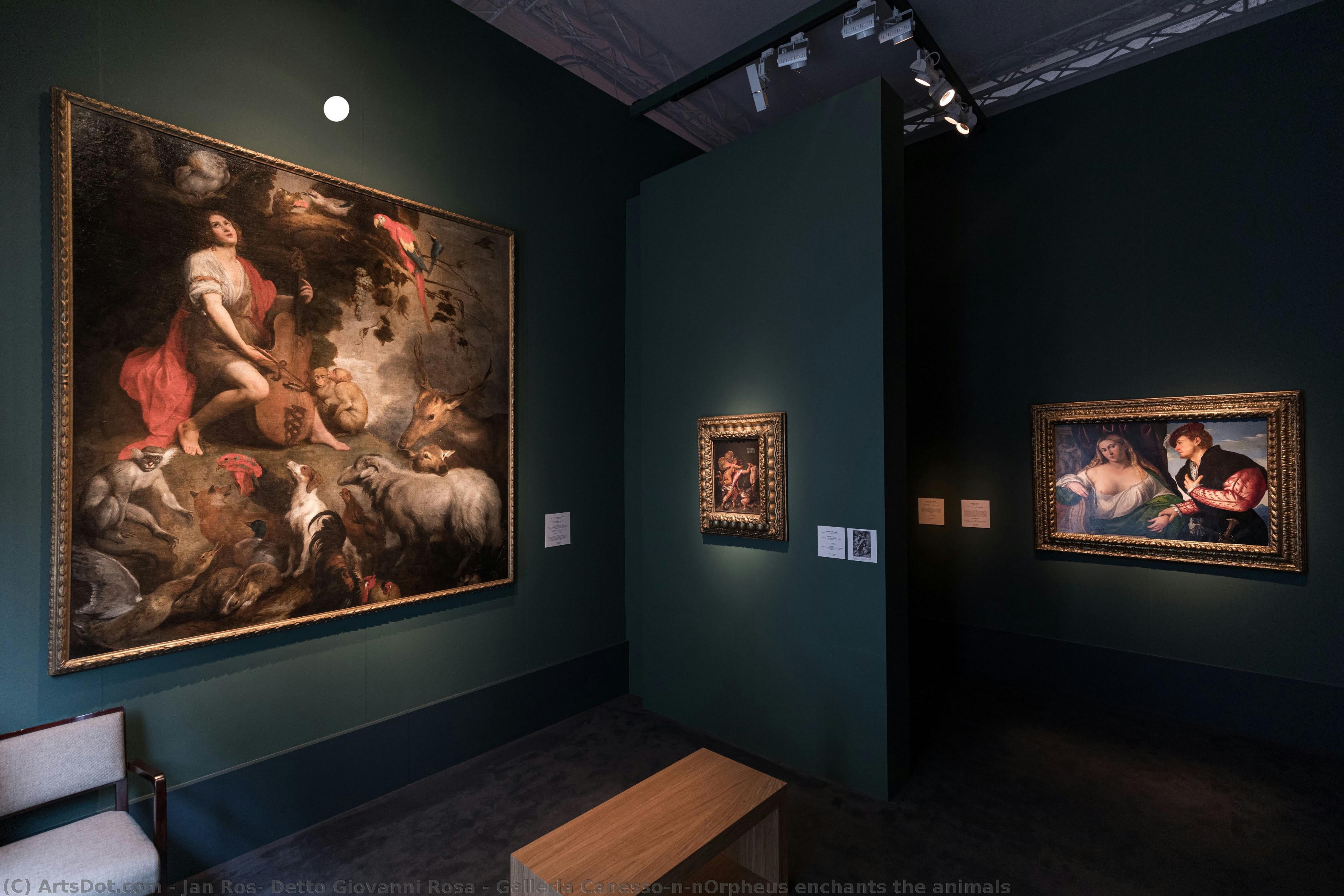
Galleria Canesso\n\nOrpheus enchants the animals
 Baroque
 215.0 x 195.0 cm
 Biennale Internazionale dell'Antiquariato di Firenze
 詳細を見る
詳細を見る




































作品のオリジナル比率に合わせた、当店の規定サイズからお選びください。

特定のフレームやスペースに合わせて、ご希望のサイズをご入力いただけます。選択されたサイズが元の画像の比率と異なる場合、アートワークをトリミングするか、手描きで要素を追加して絵画を拡張いたします。デジタルモックアップ を制作し、制作開始前にご確認(承認)をいただきます。
画面上のプレビューは、実際のトリミングや拡張を正確に反映しているものではありません。最終的な構図は、モックアップによってのみ正確にご確認いただけます。
カスタムサイズもご利用いただけますが、元の比率を維持するためには、あらかじめ用意されたリストからサイズを選択することをお勧めいたします。
ご注文後、ArtsDot.com チームより詳細な指示をお送りするとともに、仕上がりイメージ(モックアップ)をご提供いたします。


 ガラスオプションは、110cm未満のサイズでのみご利用いただけます。

Galleria Canesso\n\nOrpheus enchants the animals
複製技法
複製画のサイズ
-


合計金額
$ 263
関連作品

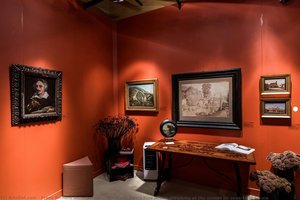
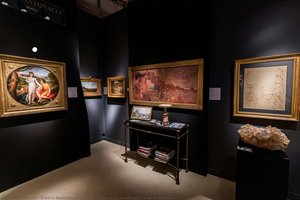
アーティストの略歴
Jan Ros (Giovanni Rosa): A Genoese Master of Still Life
Jan Ros, also known as Giovanni Rosa or Rosso Genovese in Italy, stands as a pivotal figure bridging the Flemish and Italian artistic traditions of the 17th century. Born in Antwerp, Belgium, around 1591, his journey took him from the workshops of renowned masters like Frans Snyders to the vibrant art scene of Genoa, where he ultimately established himself as a significant contributor to the Genoese school of painting. His life was one of constant movement and adaptation, reflecting a keen artistic sensibility and an ability to synthesize diverse influences into a uniquely personal style. Early training under Frans Snyders in Antwerp laid the foundation for Ros’s technical skill and his deep appreciation for dramatic composition and rich color palettes – hallmarks of Flemish Baroque painting. Snyders' focus on still life, animal studies, and landscapes instilled in Ros a meticulous attention to detail and an understanding of how to render textures and volumes with remarkable realism. However, it was during his time in Rome and later Genoa that Ros truly blossomed, developing a distinctive style characterized by luminous colors, intricate arrangements of objects, and a subtle elegance that set him apart from his contemporaries.The Genoese Transformation: Style and Subject Matter
Ros’s relocation to Genoa marked a crucial turning point in his artistic development. The city, a thriving center of trade and culture, offered a different aesthetic landscape than the more formal and courtly atmosphere of Rome. Here, he embraced a looser, more informal approach to still life painting, reflecting the Genoese preference for naturalism and an appreciation for everyday beauty. His paintings frequently depicted lavish displays of fruits, vegetables, flowers, and exotic delicacies – a testament to Genoa’s position as a major port connecting Europe with the East. These arrangements weren't merely decorative; they were carefully constructed narratives, imbued with symbolic meaning and reflecting the wealth and prosperity of the city. Beyond still life, Ros also excelled in mythological and religious scenes, demonstrating his ability to capture complex narratives with grace and sensitivity. Works like “Orpheus Enchants the Animals” showcase a masterful understanding of perspective, anatomy, and dramatic lighting – elements inherited from his Flemish training but skillfully adapted to suit the Italian context. The figures are rendered with a remarkable sense of realism, yet imbued with an emotional depth that resonates with the viewer.Influences and Artistic Connections
Ros’s artistic journey was shaped by a diverse range of influences. Undoubtedly, Frans Snyders remained a primary mentor, providing him with technical expertise and a foundational understanding of composition and color theory. However, he also drew inspiration from Jan van Kessel, whose meticulous attention to detail and subtle tonal variations influenced Ros's approach to rendering textures and light. Furthermore, the vibrant colors and dynamic compositions of Italian masters like Caravaggio and Artemisia Gentileschi subtly informed his work, adding a touch of dramatic intensity to his still lifes and portraits. His brother-in-law, Giacomo Legi, was also an important figure in Ros’s artistic circle, contributing to the workshop's success and further enriching its creative environment. The exchange of ideas and techniques within this community fostered a dynamic atmosphere of innovation and experimentation, ultimately shaping the distinctive character of the Genoese school of painting.Legacy and Recognition
Jan Ros’s impact on 17th-century art is considerable. His paintings are now housed in prestigious collections such as the Galleria Canesso and the Doria Pamphilj, testament to their enduring artistic value. His work stands as a bridge between Flemish and Italian traditions, demonstrating a remarkable ability to synthesize diverse influences into a cohesive and compelling style. The use of vibrant colors, intricate details, and carefully constructed arrangements continues to captivate viewers today, solidifying Jan Ros’s place as one of the most important artists of his era – a true master of the still life genre and a significant contributor to the artistic heritage of Genoa.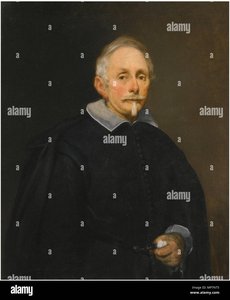
jan ros, detto giovanni rosa
1591 - 1638 , Belgium
基本情報
- Artistic Movement Or Style: Baroque, Still Life
- Artists Or Movements Influenced By This Artist: ['Genoese school']
- Artists Who Influenced This Artist: ['Frans Snyders']
- Date Of Birth: 1591 Antwerp, Belgium
- Date Of Death: 1638 Genoa, Italy
- Full Name: Jan Ros
- Nationality: Flemish
- Notable Artworks:
- Still life with flowers
- Orpheus enchants animals
- Portrait of a noblewoman
- Place Of Birth: Antwerp, Belgium
関連記事
Decoding Baroque Grandeur: A Guide to the Drama and Emotion of 17th-Century Art
Explore the breathtaking drama of 17th-century Baroque art. Our expert guide decodes the use of chiaroscuro, emotional intensity, and historical grandeur to help you appreciate and curate timeless masterpieces for your collection.

The Dramatic Flourish: Exploring the Baroque Movement's Enduring Legacy in Art History
Explore the dramatic world of Baroque art! Discover iconic artists like Caravaggio & Rubens, defining techniques, and its lasting impact on art history. Expert insights for collectors & enthusiasts at ArtsDot.

Baroque Classicism: Reconciling Drama & Order in 17th-Century Art
Explore the captivating world of Baroque Classicism! Discover its history, key artists like Caravaggio & Rubens, and defining characteristics. Expert insights & high-quality reproductions at ArtsDot.

バロックのドラマ:現代のインテリアに壮麗さと情感を取り込む
バロック様式の歴史、絵画、家具の魅力をご紹介。ArtsDotでは、高品質な油絵複製やカスタムポートレートをご提供し、現代のインテリアに壮麗さと情感を取り入れます。アートコンサルテーションも承ります。

Oil on Canvas: A Historical & Technical Exploration of a Timeless Artistic Medium
Explore the rich history & enduring techniques of oil painting on canvas. Discover the science behind its longevity, conservation practices, and contemporary relevance. Expert insights for art enthusiasts.

