

 プレビュー
プレビュー
 プリントを購入
 シェアする
シェアする シェアする
シェアする
 詳細を見る
詳細を見る

 ダウンロード
 似ている作品
 X線調査
X線調査 スライドショー
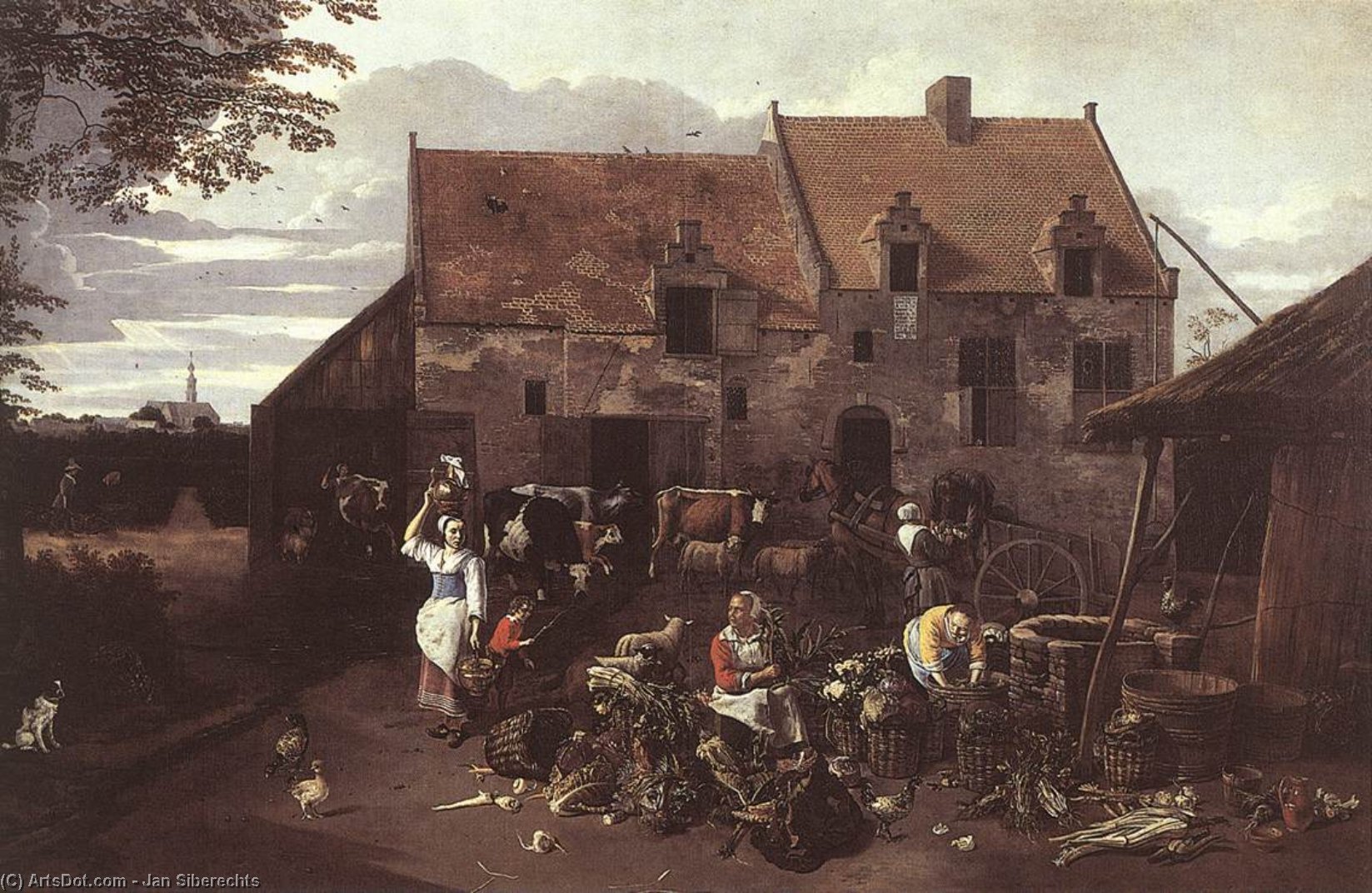
The Market Garden
 Oil On Canvas
- WallArt
- Baroque
 1664
1664 158.0 x 241.0 cm
 ロイヤル・ミュゼー・ドゥ・ビュート・アールス
 詳細を見る
詳細を見る




P118B $10

P118H $10

P118W $10

P438Z $10

P508JH $12

P508YH $12

P805H $10

P805Z $10

P919BZ $10

P919G $10

P919XJ $10

P959ZH $10

P968JZ $12

W106C $8

W218G $10

W218JH $8

W218Y $10

W307PJ $10

W316G $10

W316PJ $8

W316Y $10

W398PJ $8

W4111J $10

W500HY $15

W500JH $15

W692G $12

W849H $8

W940BG $15

W953PJ $8




作品のオリジナル比率に合わせた、当店の規定サイズからお選びください。

特定のフレームやスペースに合わせて、ご希望のサイズをご入力いただけます。選択されたサイズが元の画像の比率と異なる場合、アートワークをトリミングするか、手描きで要素を追加して絵画を拡張いたします。デジタルモックアップ を制作し、制作開始前にご確認(承認)をいただきます。
画面上のプレビューは、実際のトリミングや拡張を正確に反映しているものではありません。最終的な構図は、モックアップによってのみ正確にご確認いただけます。
カスタムサイズもご利用いただけますが、元の比率を維持するためには、あらかじめ用意されたリストからサイズを選択することをお勧めいたします。
ご注文後、ArtsDot.com チームより詳細な指示をお送りするとともに、仕上がりイメージ(モックアップ)をご提供いたします。


 ガラスオプションは、110cm未満のサイズでのみご利用いただけます。

The Market Garden
複製技法
複製画のサイズ
-


合計金額
$ 263
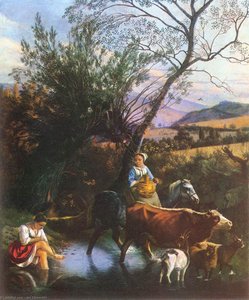
The Market Garden: A Dutch Masterpiece of Rural Life
Jan Siberechts’ “The Market Garden,” painted in 1664, is more than just a depiction of a provincial scene; it's a vibrant snapshot of 17th-century Dutch society, brimming with life, industry, and the quiet dignity of rural existence. This oil on canvas transports us to a sun-drenched farmyard, where the rhythms of daily labor intertwine with the promise of market day. The painting’s immediate appeal lies in its remarkable realism – Siberechts masterfully captures the textures of rough brick walls, the earthy tones of the soil, and the individual expressions of each figure within the bustling tableau. Yet, beneath this surface detail resides a complex tapestry of symbolism and social commentary, reflecting the evolving relationship between rural life and burgeoning urban centers in Holland.
The composition itself is carefully orchestrated. Siberechts employs a pyramidal structure, drawing our eye upwards from the foreground activity to the central farmhouse – a symbol of stability and prosperity within this industrious landscape. The figures engaged in various tasks—a woman carrying a basket, a peasant woman milking her cow, children playing amongst the animals—are rendered with an almost photographic precision, yet imbued with a palpable sense of humanity. Notice the subtle variations in their clothing, reflecting their social standing, while the inclusion of livestock – cows, chickens, sheep – speaks to the fundamental importance of agriculture within this community. The distant village church and vegetable garden further emphasize the connection between the farm and the wider world.
A Window into Dutch Society
“The Market Garden” offers a fascinating glimpse into the social dynamics of 17th-century Holland, a period marked by significant economic growth and shifting power structures. The painting’s realism was not merely aesthetic; it served as a powerful tool for documenting and celebrating the virtues of rural life – hard work, community spirit, and connection to the land. Siberechts' depiction contrasts sharply with earlier portrayals of peasants, often depicted as lazy or uncouth. Here, they are presented as diligent laborers, contributing to the prosperity of their region. The inclusion of a waggoner (cart driver) hints at the vital role of trade and commerce in connecting rural communities to urban markets.
Interestingly, Siberechts’ work emerged during a time when Dutch art was increasingly influenced by Italian Baroque styles, particularly the works of Caravaggio and Rembrandt. However, Siberechts skillfully adapted these influences to create a distinctly Dutch aesthetic – characterized by its meticulous detail, dramatic lighting, and focus on everyday subjects. The painting's use of chiaroscuro (the contrast between light and dark) adds depth and drama to the scene, highlighting key figures and creating a sense of immediacy. The subtle interplay of light and shadow also serves to emphasize the textures of the various materials—brick, wood, cloth—further enhancing the realism of the composition.
Symbolism and Artistic Technique
Beyond its realistic depiction of rural life, “The Market Garden” is rich in symbolic meaning. The presence of a small, almost hidden sign advertising the sale of the farm subtly introduces an element of uncertainty – a reminder that even in this idyllic scene, economic pressures and potential change are ever-present. Siberechts’ masterful use of color contributes to the painting's overall impact. Earthy browns, greens, and yellows dominate the palette, evoking the warmth and fertility of the land. The vibrant reds and blues of the clothing provide visual interest and highlight the figures within the composition.
The artist’s technique is equally impressive. Siberechts demonstrates a remarkable ability to capture the nuances of human expression – from the weary determination on the woman's face as she carries her basket, to the playful curiosity of the children. His attention to detail extends to the rendering of the animals, each with its own distinct personality and posture. The painting’s scale—158 x 241 cm—allows Siberechts to create a truly immersive experience for the viewer, drawing us into this vibrant scene and inviting us to contemplate the complexities of rural life in 17th-century Holland. The work is now housed at the Muses Royaux Des Beaux-Arts in Brussels, a testament to its enduring artistic merit.
Bringing “The Market Garden” Home
Today, reproductions of “The Market Garden” are highly sought after by collectors and interior designers alike. Its timeless appeal lies not only in its stunning realism but also in its ability to evoke a sense of nostalgia for a simpler time – a time when life was closely tied to the rhythms of nature and the values of community. A high-quality reproduction captures the painting’s rich colors, intricate details, and emotional depth, making it a beautiful addition to any home or office. Consider framing your reproduction in a classic wooden frame to further enhance its historical charm. “The Market Garden” is more than just a painting; it's a window into the past—a reminder of the enduring beauty and significance of rural life.
関連作品

アーティストの略歴
イングランドにおけるフランドル絵画の光:ヤン・シベレフツの生涯と芸術
1627年にアントワープで生まれたヤン・シベレフツは、ヨーロッパ美術史において非常に興味深い位置を占めています。それは、活気に満ちたフランドル絵画の伝統と、台頭しつつあったイングランドの風景画の伝統を結ぶ架け橋のような存在でした。彼の物語は、芸術的な成長、幸運な庇護、そして最終的には先駆的な影響力に彩られています。同じくヤン・シベレフツという名の彫刻家の息子として、彼は家族の工房で最初の訓練を受け、その過程でキャリアの基盤となる技術と美意識を吸収しました。1648年までには、アントワープの名門聖ルークギルドで巨匠の地位を確立し、熟練した職人としての評価を得ました。具体的な証拠は今なお謎に包まれていますが、美術史家たちは彼が1640年代後半から1650年代初頭にかけてイタリアを訪れた可能性について推測しています。未確認ながらも、古典的な構図と大気遠近法を重視するイタリア風の風景画へのこの潜在的な触れ合いは、疑いなく彼の進化するスタイルに痕跡を残し、フランドルの写実主義とイタリア的な理想が見事に調和した初期の作品群にそれが見て取れます。1652年のマリア=アンナ・クロエスとの結婚は安定期を迎えさせ、彼は自身の技を磨き上げました。当初はニコラエス・ベルヘムやカレル・ドゥジャルディンといったオランダの巨匠たちからインスピレーションを得ており、彼らの牧歌的な情景と繊細な光の効果が彼の芸術的志向に響いたのです。フランドルの田園風景からイングランドの邸宅へ
1660年代はシベレフツの芸術的な旅路において極めて重要な時期となりました。彼は独自の個性を帯びたスタイルを築き始め、関心を次第に故郷フランドルの風景と農村生活のリズムへと向けていきました。これは単なる地形図的な描写にとどまらず、生き生きとした人々の姿――しばしば日常の作業に従事する女性たち――が描かれ、鮮やかな色彩の衣服が緑豊かな光景を彩る、没入感のあるフランドルの田園風景の描写でした。彼は水面の反射を見事に操り、視覚的なこだまを生み出し、構図に深みを加えています。これらの絵画は、ダヴィッド・テニエール・ザ・ヤンガーが広めた親密な農場の光景を彷彿とさせますが、シベレフツはそれらにより広い視野と、より大気的な質感を吹き込みました。この芽生え始めた才能は見過ごされることはありませんでした。1670年、ジョージ・ヴィリアーシュ、バッキンガム公爵がアントワープを訪れた際、シベレフツの作品に出会い、深く感銘を受けます。彼はその稀有な芸術的才能を見抜き、シベレフツにイングランドへ渡るよう招待するという申し出をしました。この誘いは、彼のキャリアの軌道を決定的に変えるものとなるでしょう。1672年頃、シベレフツはこれを受け入れ、異国の地で新たな章を始めました。イングランド風景画の先駆者として
シベレフツがイングランドに滞在した初期の年月は、バッキンガム公爵のためにクリヴェデン・ハウスを装飾するという野心的なプロジェクトに捧げられました。この依頼は彼に経済的な安定をもたらしただけでなく、彼の芸術的な多様性を披露する機会を与えてくれました。しかし、真に彼のレガシーを確固たるものにしたのは、イングランド各地を旅した経験でした。彼は貴族の間で求められる芸術家となり、彼らの邸宅を記録するための数々の依頼を引き受けました。この実践こそが、彼をイングランドのカントリーハウス肖像画の先駆者として確立するものでした。これらは単に壮大な建築物の描写ではありませんでした。それらは、荘厳な館を周囲の風景と統合させた、注意深く構築された構図であり、しばしば鳥瞰的な視点や霧のかかった大気のもやが用いられました。彼はこれらの邸宅の物理的な存在だけでなく、その場所が持つ感覚や象徴する生活様式までも捉えたのです。彼の娘たちでさえも成功に貢献し、一人は女王のためにレース職人として働いたという事実は、家族がいかにイングランド社会に溶け込んでいったかの証左です。1696年、彼は特に重要な依頼を受けます。それはジョン・コッグズのベルサイズ・エステートを描くことであり、この作品は現在テート美術館に所蔵され、彼の地形的な技術と芸術的ビジョンの最高の例として立っています。シベレフツは1703年にロンドンで亡くなるまで創作を続けました。遺産と芸術的意義
ヤン・シベレフツは、イングランド風景画の発展における極めて重要な人物であり、「イギリス風景画の父」と称されるにふさわしい存在です。彼の地形的な眺めは単なる邸宅の記録ではなく、後に続く何世代もの芸術家に影響を与えた芸術的な解釈でした。彼は、ピーター・ティレマンスやピーテル・アンドレアス・ライスブラック、ヘンドリック・フラン・ド・コートといった他のフランドル絵画の作家たちに道を切り開きました。彼らは同様の技術と感性をもってイングランドの田園風景を描き続けました。シベレフツに帰せられる作品は約百点に上り、彼の多作な成果と芸術的な進化の一端を垣間見せてくれます。彼のスタイルは、当初オランダやイタリアの影響を受けていましたが、最終的には彼独自の輝きを放つものとなりました。それは、鮮やかな色彩、緻密に描かれた人物像、そしてフランドルの田園生活の精髄とイングランドの邸宅の壮大さの両方を捉えた大気的な風景画によって特徴づけられています。彼はジョン・ウットンさえも弟子として数え、イングランドの芸術的景観における影響力をさらに広げました。シベレフツの貢献は、単なる技術的な熟練さに留まりません。それは「場所」と「帰属意識」を捉える能力にあり、この資質こそが今日まで鑑賞者の心に響き続けているのです。彼の絵画は単なる風景ではありません。それらは過ぎ去った時代への窓であり、そこに住んだ人々の生活や憧れの一端を見せてくれるのです。
ヤン・シベレフツ
1627 - 1703 , ベルギー
基本情報
- Artistic Movement Or Style: バロック、風景画
- Artists Or Movements Influenced By This Artist:
- ピーター・ティレマンス
- イギリスの風景画
- Artists Who Influenced This Artist:
- ニコラエス・ベルヘム
- カレル・デュジャルダン
- Date Of Birth: 1627年
- Date Of Death: 1703年
- Full Name: ヤン・シベレフツ
- Nationality: フランダース人
- Notable Artworks:
- ザ・フォード
- 人物画のある風景
- ベルサイズの邸宅
- Place Of Birth: アントワープ、ベルギー
関連記事
Jan Steen: A Master of Dutch Genre Painting & the Golden Age
Explore the life & art of Jan Steen, a leading Dutch Golden Age painter renowned for his humorous genre scenes & insightful social commentary. Discover his techniques, legacy, and collecting tips.

Golden Age Reflections: Dutch Baroque Painting & Cultural Innovation
Explore the Dutch Golden Age of painting! Discover key artists like Vermeer & ter Borch, their innovative techniques, and the rich cultural context behind these Baroque masterpieces. Learn about collecting & appreciating this iconic art period.

Dutch Baroque Masters: 10 Paintings That Shaped an Era | ArtsDot
Journey through the Golden Age with our guide to the Top 10 Dutch Baroque masterpieces! Explore iconic paintings by Rembrandt, Vermeer & Frans Hals. Find museum-quality art reproductions and elevate your home decor at ArtsDot.com.
Genre Painting: A Window into Daily Life & Societal Values of the Dutch Golden Age
Explore the captivating world of Dutch Golden Age genre painting! Discover realistic depictions of daily life, masterful artists like Ostade & Metsu, and hidden symbolism. Learn about this influential art movement with ArtsDot.
Cultivating Paradise: A Historical & Artistic Exploration of Gardens in Painting
Explore the rich history of gardens in painting! Discover masterpieces from Renaissance to Impressionism & beyond. Learn about symbolism, artists like Monet & Klimt, and find your perfect artwork at ArtsDot.

