 プレビュー
プレビュー
 シェアする
シェアする シェアする
シェアする
 詳細を見る
詳細を見る

 ダウンロード
 似ている作品
 X線調査
X線調査 スライドショー
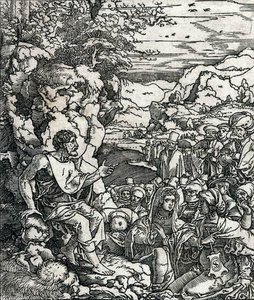
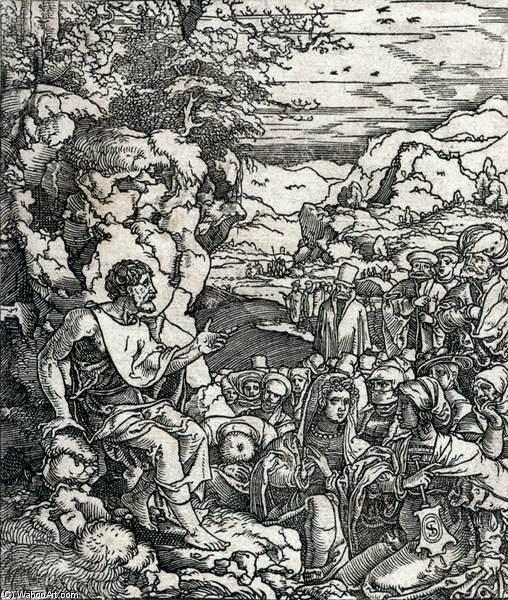
ヨハネの黙示録またはフィリピ使徒
 キャンバスにアクリル絵具
- ウォールアート
- Northern Renaissance
 1520
1520 133.0 x 113.0 cm
 大英博物館
大英博物館
 詳細を見る
詳細を見る
ジークレー/アートプリント
迅速な制作と多彩な仕上げオプションを備えた、ミュージアムクオリティのジークレーまたはキャンバスプリント。 ( 手描きの絵画を購入 画像を購入)




P118B $10

P118H $10

P118W $10

P438Z $10

P508JH $12

P508YH $12

P805H $10

P805Z $10

P919BZ $10

P919G $10

P919XJ $10

P959ZH $10

P968JZ $12

W106C $8

W218G $10

W218JH $8

W218Y $10

W307PJ $10

W316G $10

W316PJ $8

W316Y $10

W398PJ $8

W4111J $10

W500HY $15

W500JH $15

W692G $12

W849H $8

W940BG $15

W953PJ $8




作品のオリジナル比率に合わせた、当店の規定サイズからお選びください。

特定のフレームやスペースに合わせて、ご自身でサイズを指定することも可能です。選択されたサイズが元の画像の比率と一致しない場合、作品をトリミングするか、鏡面反射または単色での塗りつぶしによって画像を拡張いたします。制作を開始する前に、ご確認用のデジタルモックアップをお送りいたします。
画面上のプレビューには、実際のトリミングや拡張は反映されませんのでご注意ください。最終的な構図を正確に確認できるのは、モックアップのみとなります。
カスタムサイズも承っておりますが、元の比率を維持するためには、あらかじめ用意されたリストからサイズを選択することをお勧めいたします。


 ガラスオプションは、110cm未満のサイズでのみご利用いただけます。

ヨハネの黙示録またはフィリピ使徒
ジークレー/アートプリント
複製画のサイズ
-


合計金額
$ 62
作品詳細説明
ヨハネの洗礼者(またはフィリピ使徒)説教 - ハンス・ヴァル・グロニンゲンによる傑作
この絵画は、フランドルの画家ハンス・ヴァル・グロニンゲンが制作した「ヨハネの洗礼者(またはフィリピ使徒)説教」です。1520年に完成され、現在はイギリスのブリストル美術館に所蔵されています。作品サイズは幅133センチメートル、高さ113センチメートルで、木材を素材としています。絵画の中心にはヨハネ洗礼者またはフィリピ使徒がおり、岩の上に立ち、聴衆に向かってジェスチャーを行っています。彼はシンプルな服装をしており、聖書や説教の道具のように見える巻物を手にしています。聴衆はヨハネ洗礼者の周囲に様々な人々が集まっており、その構成において奥行きがあります。これらの人々は衣装やアクセサリーから見て、16世紀の歴史的な背景を反映しており、帽子をかぶった人々もいれば、髪を隠したり見せたりする人々もいます。この絵画は詳細な描写で特徴づけられ、岩の質感、衣服の襞、人々の表情など、あらゆる要素が繊細に表現されています。光と影の効果により、人物や周囲の環境に立体感を与え、見る人に感動的な視覚体験を提供しています。- 画家: ハンス・ヴァル・グロニンゲン(1495年生まれ~1563年没)は、フランドルのルネサンス美術家であり、彼の作品は当時の芸術界で大きな名声を得ていました。
- 時代背景: この絵画は、ルネサンス美術の黄金時代に制作されました。当時のヨーロッパでは宗教的なテーマや古典的なモチーフが美術表現の中心となり、ハンス・ヴァル・グロニンゲンもその流れの中で独自の芸術スタイルを確立しました。
- 技法: ハンス・ヴァル・グロニンゲンの絵画は、油彩技法を用いて制作されています。特に彼は光と影の表現に優れており、作品に深みとリアリティを与えています。また、細密な描写により、岩や衣服などの質感をリアルに再現しています。
- スタイル: ハンス・ヴァル・グロニンゲンの絵画は、バロック美術の影響を受けながらも、独自の表現力を持っています。彼は宗教的なテーマを扱いながらも、人間の感情や精神性を深く掘り下げています。
関連作品

アーティストの略歴
A Master of the Northern Renaissance: The Life of Jan Swart van Groningen
In the vibrant tapestry of the sixteenth-century Low Countries, few names evoke the meticulous grace and spiritual depth of Jan Swart van Groningen. Born around 1495 in the northern Netherlands, Swart emerged as a pivotal figure within the Dutch Renaissance, a period defined by an unprecedented marriage of profound religious devotion and a burgeoning humanist curiosity. His journey, which took him from the quiet landscapes of Groningen to the bustling artistic hubs of Gouda and Antwerp, reflects the broader movement of artists seeking to harmonize Northern European realism with the classical elegance flowing from the Italian peninsula.
The formative years of Swart’s career were deeply shaped by his proximity to other luminaries of the age. During his time in Gouda around 1522, he worked alongside the influential Jan van Scorel. This encounter proved transformative; from Scorel, Swart inherited a sophisticated command of oil painting techniques and an ability to render atmospheric perspective and lifelike flesh tones with startling accuracy. This mastery of light and shadow—often referred to as chiaroscuro—would become a hallmark of his style, allowing him to breathe life into both the rugged textures of the natural world and the delicate expressions of his subjects.
The Italian Influence and the Art of Narrative
Driven by an insatiable artistic ambition, Swart undertook a significant journey to Italy in the early 1530s. Immersing himself in the artistic fervor of Venice, he absorbed the warmth of Mediterranean color palettes and the structural grandeur of Italian Renaissance ideals. This exposure did not merely refine his technique; it expanded his thematic horizons. Upon his return to the Low Countries, his work began to exhibit a more complex interplay between narrative drama and landscape, blending the Northern tradition of minute detail with a new, sweeping sense of composition.
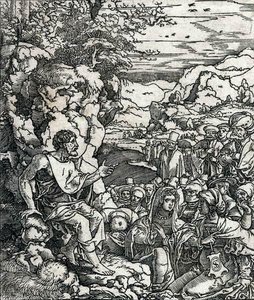
Swart’s versatility was perhaps most evident in his mastery of printmaking. He possessed a unique ability to translate complex theological and political anxieties into the medium of woodcuts. His prints often captured the zeitgeist of his era, such as his evocative depictions of Ottoman cavalrymen—a reflection of the contemporary European fears regarding expansion. Furthermore, his collaborative woodcut series, which portrayed Christ preaching from a ship, demonstrates his capacity for large-scale storytelling, using the interplay of water and light to underscore the divine nature of the sermon.
Legacy of Mentorship and Lasting Significance
Beyond his individual canvases and prints, Jan Swart van Groningen’s legacy is etched into the very fabric of Netherlandish art through his role as a mentor. His artistic partnership with Adriaen Pietersz Crabeth stands as a testament to his dedication to the craft. Under Swart’s guidance, Crabeth developed the skills that would eventually lead him to become a celebrated master of stained-glass art. This lineage of talent ensured that Swart’s influence would ripple through the generations of Flemish and Dutch artists who followed.
The enduring significance of Swart’s oeuvre lies in its ability to serve as a window into the sixteenth-century soul. Whether through his monumental wood panels depicting biblical figures like John the Baptist or his evocative depictions of landscapes, his work captures a world caught between the medieval and the modern. His paintings remain vital studies in:
- Spiritual Resonance: The use of religious narrative to evoke profound contemplation and faith.
- Technical Precision: The seamless integration of oil and tempera to achieve luminous, lasting textures.
- Humanist Realism: The ability to render the human form and natural environments with an almost unsettling accuracy.
Today, as we look upon the works attributed to Jan Swart van Groningen, we see more than mere historical artifacts; we encounter a master who successfully bridged the gap between the earthly and the divine, leaving behind a legacy of beauty, detail, and profound emotional truth.
jan swart van groningen
1495 - 1563 , Netherlands
基本情報
- Artistic Movement Or Style: Renaissance
- Artists Or Movements Influenced By This Artist: ['Dirck Pietersz Crabeth']
- Artists Who Influenced This Artist: ['Jan van Scorel']
- Date Of Birth: c. 1495
- Date Of Death: c. 1563
- Full Name: Jan Swart van Groningen
- Nationality: Dutch
- Notable Artworks:
- The wedding in Kana
- The Triumph of Death
- Place Of Birth: Groningen, Netherlands
関連記事
ジョン・シンガー・サージェント:至高の25選 - 美と光の肖像画の世界 | ArtsDot
ジョン・シンガー・サージェントの至高の25選。肖像画、写実主義、光と影の表現が美しい作品群を紐解きます。マダムXや少女の肖像など、時代を超えて愛される名作をArtsDotで鑑賞。高品質なアート複製で、お部屋に美術館のような空間を。今すぐコレクションをご覧ください。

ジョン・コンスタブルの傑作25選:英国風景画の巨匠が描く自然と光の詩 | ArtsDot
ジョン・コンスタブルの傑作25選。英国風景画の巨匠が描く自然と光の詩の世界へ。ロマン主義を代表する絵画、デダム・ヴェールやヘイ・ウェインなど、ArtsDotで高品質なアートプリントをお楽しみください。インテリアに深みと感動を。コレクションはこちら。
Jan Steen: A Master of Dutch Genre Painting & the Golden Age
Explore the life & art of Jan Steen, a leading Dutch Golden Age painter renowned for his humorous genre scenes & insightful social commentary. Discover his techniques, legacy, and collecting tips.
Jan van Goyen: Master of Dutch Landscape & Atmospheric Perspective
Discover Jan van Goyen, the master of Dutch landscape painting. Explore his subtle technique, atmospheric realism & lasting influence on art history. Learn about this 17th-century pioneer at ArtsDot.

Dutch Baroque Masters: 10 Paintings That Shaped an Era | ArtsDot
Journey through the Golden Age with our guide to the Top 10 Dutch Baroque masterpieces! Explore iconic paintings by Rembrandt, Vermeer & Frans Hals. Find museum-quality art reproductions and elevate your home decor at ArtsDot.com.