

 プレビュー
プレビュー
 プリントを購入
 シェアする
シェアする シェアする
シェアする
 詳細を見る
詳細を見る

 ダウンロード
 似ている作品
 X線調査
X線調査 スライドショー
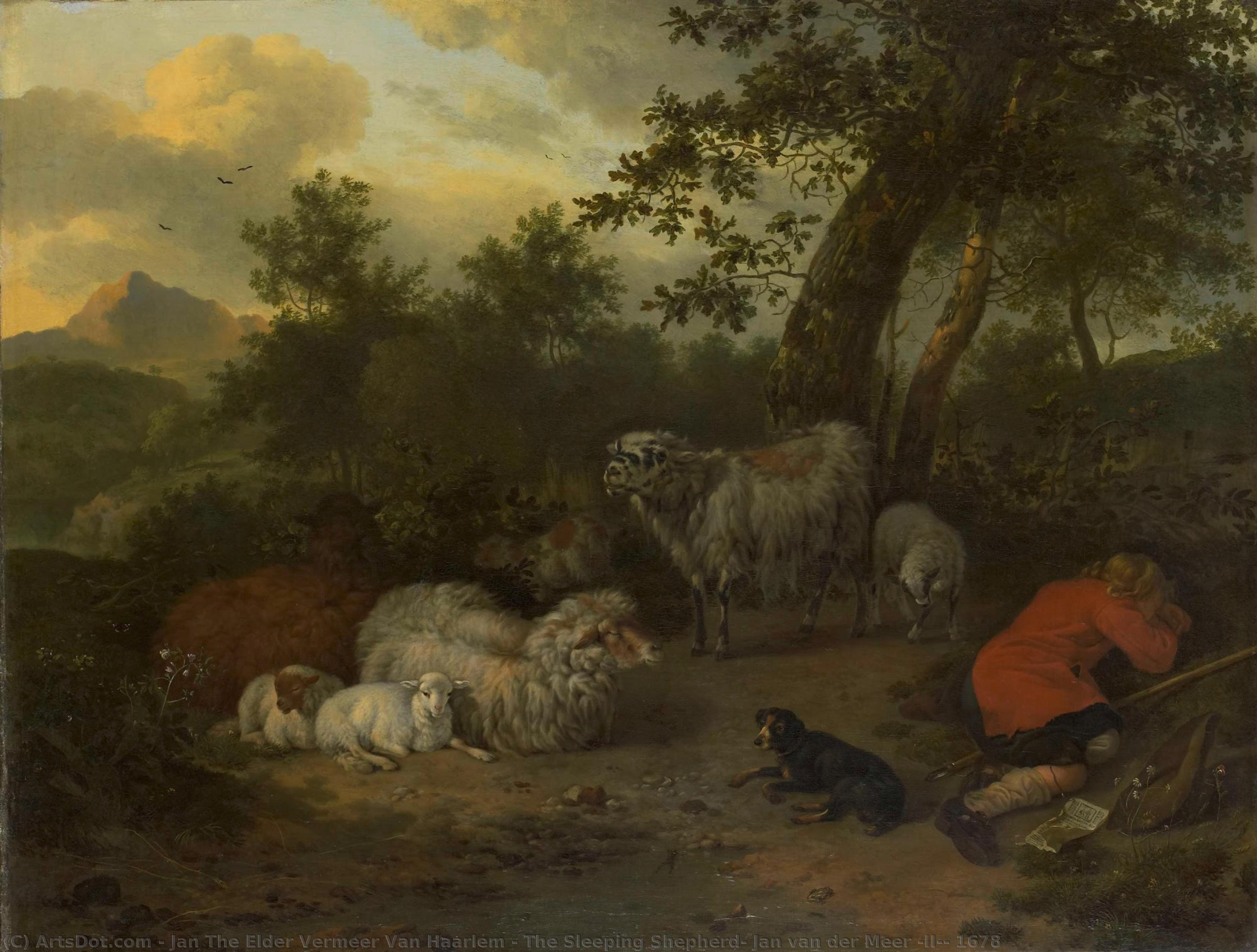
The Sleeping Shepherd, Jan van der Meer (II), 1678
 1678
1678 65.0 x 83.0 cm
 詳細を見る
詳細を見る




































作品のオリジナル比率に合わせた、当店の規定サイズからお選びください。

特定のフレームやスペースに合わせて、ご希望のサイズをご入力いただけます。選択されたサイズが元の画像の比率と異なる場合、アートワークをトリミングするか、手描きで要素を追加して絵画を拡張いたします。デジタルモックアップ を制作し、制作開始前にご確認(承認)をいただきます。
画面上のプレビューは、実際のトリミングや拡張を正確に反映しているものではありません。最終的な構図は、モックアップによってのみ正確にご確認いただけます。
カスタムサイズもご利用いただけますが、元の比率を維持するためには、あらかじめ用意されたリストからサイズを選択することをお勧めいたします。
ご注文後、ArtsDot.com チームより詳細な指示をお送りするとともに、仕上がりイメージ(モックアップ)をご提供いたします。


 ガラスオプションは、110cm未満のサイズでのみご利用いただけます。

The Sleeping Shepherd, Jan van der Meer (II), 1678
複製技法
複製画のサイズ
-


合計金額
$ 263
関連作品









アーティストの略歴
Jan Vermeer van Haarlem: The Quiet Master of Dutch Landscape
Jan Vermeer van Haarlem (1628 – 1691) stands as a singular figure within the illustrious tapestry of Dutch Golden Age painting, renowned not for dramatic narratives or heroic portraits but for an unparalleled sensitivity to light and atmosphere—a mastery that cemented his place among the most beloved artists of all time. Born in Haarlem, Netherlands, Vermeer’s artistic journey began under the tutelage of his father, Jan van der Meer I, a landscape painter who instilled in him a foundational understanding of capturing the beauty of the natural world. This formative influence would prove crucial to Vermeer's distinctive style and enduring legacy.- Early Life & Training: Vermeer’s childhood was marked by familial hardship; his father’s business struggled financially, impacting the family’s circumstances.
- Guild Membership & Marriage: He joined the Haarlem Guild of St. Luke in 1678, securing a stable livelihood and establishing himself as a respected professional artist. His marriage to Maria Thijs Dusart brought him into a prominent Haarlem family, further enriching his social life.
- Distinctive Style: His canvases are characterized by a serene stillness, achieved through masterful manipulation of light—particularly diffused sunlight—that illuminates domestic spaces or tranquil countryside vistas.
- Palette & Technique: He employed a muted palette dominated by earthy tones and subtle gradations of color, utilizing thin glazes layered upon glazes to create an illusionistic depth that captivated viewers. Vermeer’s technique—characterized by painstaking observation and meticulous brushwork—became synonymous with the Dutch landscape tradition.
- Major Achievements: His landscapes exemplify the Italianate style championed by Berchem, reflecting a fascination with classical ideals of harmony and proportion.
- Historical Significance: Vermeer’s influence extends far beyond his own lifetime, shaping subsequent generations of artists and establishing him as an icon of Dutch artistic excellence. His unwavering commitment to capturing the subtleties of light and atmosphere continues to inspire admiration and scholarly study today, securing his enduring place in art history.
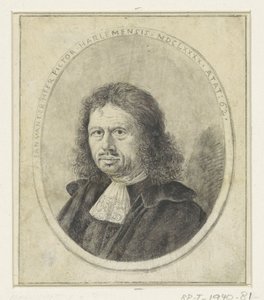
jan the elder vermeer van haarlem
1628 - 1691 , Netherlands
基本情報
- Artistic Movement Or Style: Dutch Golden Age Painting; Italianate Landscapes
- Artists Or Movements Influenced By This Artist: Frans Hals
- Artists Who Influenced This Artist: Nicolaes Berchem
- Date Of Birth: 1628
- Date Of Death: 1691
- Full Name: Jan Vermeer van Haarlem
- Nationality: Dutch
- Notable Artworks:
- View of Haarlem from the Dunes
- The Sleeping Shepherd
- Landscape with a Farm
- Place Of Birth: Haarlem, Netherlands

