

 プレビュー
プレビュー
 プリントを購入
 シェアする
シェアする シェアする
シェアする
 詳細を見る
詳細を見る

 ダウンロード
 似ている作品
 X線調査
X線調査 スライドショー
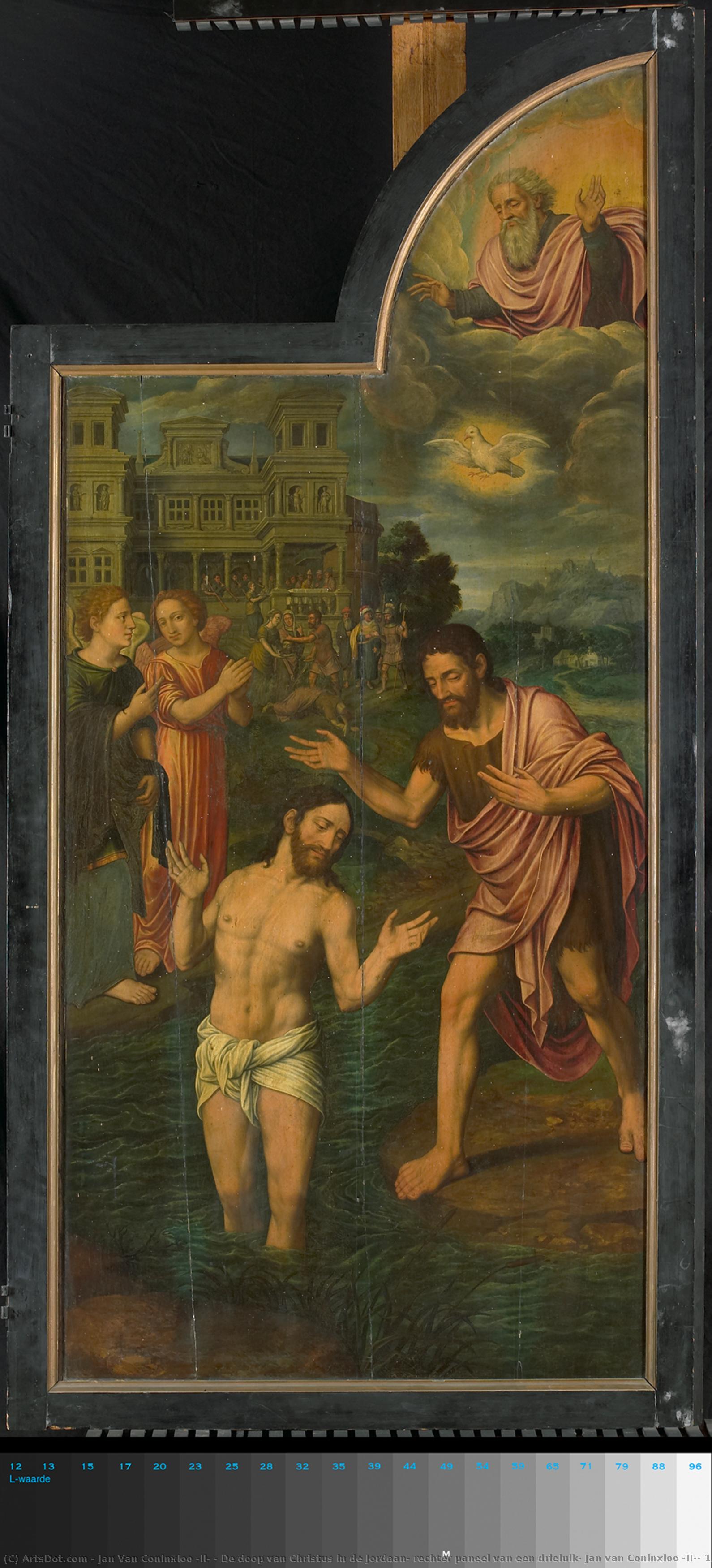
De doop van Christus in de Jordaan, rechter paneel van een drieluik, Jan van Coninxloo (II), 1557
 1557
1557 209.0 x 102.0 cm
 詳細を見る
詳細を見る
オンラインプレビューをはるかに凌ぐ、高解像度で鮮明なデジタル画像をご購入いただけます。
各ファイルは、社内の専門家が高度なツールと熟練した手作業によるレタッチを用いて、細心の注意を払って準備されています。すべての画像において、卓越した鮮明度、正確な色彩再現性、そして繊細なディテールを保証いたします。
最終ファイルは、プロフェッショナルな編集・印刷環境ですぐにご利用いただけるよう最適化された状態で、72時間以内にメールにてお届けいたします。これは、一流のデザインスタジオ、出版社、ギャラリーから信頼されているものと同等の品質です。
デジタル画像のご注文に付随する特典
高品質なデジタル画像配信を、確かな品質で。
ArtsDot.com を選ぶことは、単に画像を手に入れることではありません。それは、プロの手によって精密に仕上げられ、満足保証が付いた高品質なデジタルアートワークを受け取ることを意味します。ご注文いただいた際に自動的に付随する内容は、以下の通りです:

メールですぐにお届け
ご注文から72時間以内に、高解像度のデジタル画像ファイルがメールでお手元に届きます。すぐにそのままご利用いただけます。

AI技術で最適化されたデジタルファイル
お客様の作品は、高度なAIツールと専門家による手作業の編集を組み合わせてプロフェッショナルに最適化されており、細部のディテール、鮮明さ、そして正確な色再現性を最大限に引き出しています。

一生涯無料の再送サービス
ファイルを誤って削除したり、紛失してしまったりしましたか?ご安心ください。いつでも無料で再送いたします。

輸入手数料は一切かかりません
関税や手数料、配送料を気にすることなく、お気に入りのアートワークをすぐにお楽しみいただけます。デジタルダウンロードは常に免税です。

色彩再現の保証
プロ仕様のツールとカラーマネジメント技術を用いることで、デジタル画像が元の色を最大限に忠実に再現することを保証いたします。

60日間満足保証
ご購入いただいたデジタル画像にご満足いただけない場合は、60日以内であれば、修正または100%の返金(理由を問う必要はありません)をさせていただきます。

100% 返金保証
ご満足いただけない場合は、デジタルファイルを受け取ってから60日以内であれば、理由を問わず全額返金いたします。

まとめ買い割引
3枚購入で10%OFF - 5枚購入で15%OFF - 10枚以上購入で20%OFF。クリエイティブなプロジェクト、ギャラリー、エージェンシーに最適です。
作品の詳細
関連作品




作家の略歴
A Legacy of Light and Line: The Life of Jan van Coninxloo II
In the vibrant tapestry of the sixteenth-century Low Countries, few names carry the weight of a true artistic dynasty quite like that of Jan van Coninxloo II. Born in Brussels around 1489, Jan was not merely an individual creator but a vital link in a multi-generational lineage of Flemish masters. As the son of Jan van Coninxloo I, he was immersed from birth in a world where the brush and the palette were the primary languages of storytelling. His early years in Brussels placed him at the heart of a burgeoning Renaissance, a period where the meticulous traditions of the Northern masters began to dance with the new, dramatic possibilities of light and perspective.
The trajectory of his life was one of movement and adaptation, mirroring the shifting political and religious landscapes of Europe. While his roots remained firmly planted in the soil of Brussels, his career saw him navigating the great artistic hubs of the era. His presence in Antwerp around 1550, where he registered with the prestigious Guild of Saint Luke, speaks to a man of significant standing and professional rigor. This period of his life was marked by a profound engagement with the contemporary masters; he moved within circles that included the celebrated Bernard van Orley, whose influence on the Brussels art scene likely informed Jan’s own approach to integrating religious narratives with grander, more complex compositions.
The Mastery of Sacred Narrative and Landscape
To gaze upon a work attributed to Jan van Coninxloo II is to witness a delicate balance between the divine and the earthly. He was a painter who understood that a religious scene gained its emotional potency from the world it inhabited. His works, often executed with exquisite care in oil on panel, frequently featured sacred subjects—such as The Virgin and Child Enthroned or scenes of the Flight into Egypt—not as isolated icons, but as living moments embedded within architectural grandeur or lush, atmospheric landscapes. This ability to weave the spiritual into the tangible is what defines his unique contribution to the South Netherlandish tradition.
His technical prowess was particularly evident in his handling of light and detail. There is a certain luminosity in his compositions that suggests a deep fascination with how sunlight filters through foliage or strikes a stone altar. This mastery allowed him to bridge the gap between the rigid, symbolic landscapes of the earlier Flemish tradition and the more fluid, emotive styles that would eventually pave the way for the Baroque. His works often served as a precursor to the more dramatic chiaroscuro seen in later centuries, using subtle shifts in tone to guide the viewer's eye through complex, multi-layered scenes.
A Dynasty of Visionaries
The historical significance of Jan van Coninxloo II extends far beyond his individual canvases; he was the architect of a family legacy that would shape European art for decades. His marriage to Elisabeth Hasaert produced a generation of artists who would carry his technical foundations into new territories and styles. Among his most notable descendants was his son, Gillis van Coninxloo III, a celebrated landscape painter who would become a titan of the late sixteenth century.
Through his children, Jan’s influence rippled through the annals of art history:
- Gillis van Coninxloo III: A master of the forest landscape, carrying the family's botanical precision into the next era.
- Catharina and Hans van Coninxloo: Members of a family unit that functioned as a cohesive force within the Flemish guild system.
As the religious tensions of the Dutch Revolt began to reshape the borders of Europe, Jan’s later years likely saw him navigating the complexities of relocation, perhaps eventually finding refuge in Emden, Germany. Though his life ended around 1555, the echoes of his brushwork remained. He stands as a pivotal figure—a master who took the established traditions of his ancestors and infused them with the burgeoning energy of a new age, ensuring that the Coninxloo name would remain synonymous with the beauty and complexity of the Flemish spirit.
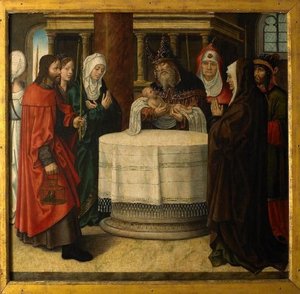
jan van coninxloo (ii)
1489 - 1555 , Belgium
プロフィール概要
- Artistic Movement Or Style: High Renaissance, Mannerism
- Artists Or Movements Influenced By This Artist:
- Baroque
- Rococo
- Artists Who Influenced This Artist:
- Lorenzo Costa
- Francesco Francia
- Andrea Mantegna
- Leonardo da Vinci
- Date Of Birth: August 1489
- Date Of Death: March 1534
- Full Name: Antonio Allegri da Correggio
- Nationality: Italian
- Notable Artworks:
- Assumption of the Virgin
- Jupiter and Io
- Vision St. John Patmos
- Place Of Birth: Correggio, Italy

