

 プレビュー
プレビュー
 プリントを購入
 シェアする
シェアする シェアする
シェアする
 詳細を見る
詳細を見る

 ダウンロード
 似ている作品
 X線調査
X線調査 スライドショー
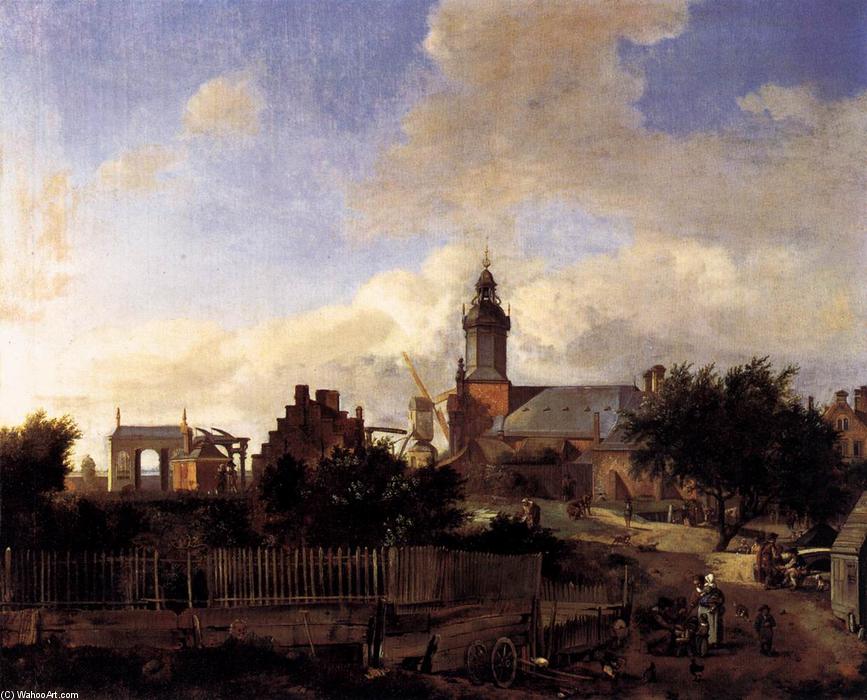
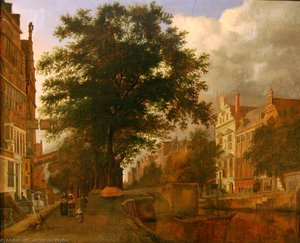
Amsterdam: Street before Haarlem Tower
 Oil
Oil- WallArt
- Dutch Golden Age
 34.0 x 41.0 cm
 国立博物館群
 詳細を見る
詳細を見る




P118B $10

P118H $10

P118W $10

P438Z $10

P508JH $12

P508YH $12

P805H $10

P805Z $10

P919BZ $10

P919G $10

P919XJ $10

P959ZH $10

P968JZ $12

W106C $8

W218G $10

W218JH $8

W218Y $10

W307PJ $10

W316G $10

W316PJ $8

W316Y $10

W398PJ $8

W4111J $10

W500HY $15

W500JH $15

W692G $12

W849H $8

W940BG $15

W953PJ $8




作品のオリジナル比率に合わせた、当店の規定サイズからお選びください。

特定のフレームやスペースに合わせて、ご希望のサイズをご入力いただけます。選択されたサイズが元の画像の比率と異なる場合、アートワークをトリミングするか、手描きで要素を追加して絵画を拡張いたします。デジタルモックアップ を制作し、制作開始前にご確認(承認)をいただきます。
画面上のプレビューは、実際のトリミングや拡張を正確に反映しているものではありません。最終的な構図は、モックアップによってのみ正確にご確認いただけます。
カスタムサイズもご利用いただけますが、元の比率を維持するためには、あらかじめ用意されたリストからサイズを選択することをお勧めいたします。
ご注文後、ArtsDot.com チームより詳細な指示をお送りするとともに、仕上がりイメージ(モックアップ)をご提供いたします。


 ガラスオプションは、110cm未満のサイズでのみご利用いただけます。

Amsterdam: Street before Haarlem Tower
複製技法
複製画のサイズ
-


合計金額
$ 263
作品解説
A Snapshot of Amsterdam’s Golden Age: Jan van der Heyden's “Amsterdam: Street before Haarlem Tower”
Jan van der Heyden’s “Amsterdam: Street before Haarlem Tower,” painted around 1670 and now residing in the Staatliche Museen zu Berlin, offers a remarkably intimate glimpse into the bustling heart of 17th-century Amsterdam. More than just a picturesque street scene, this oil painting is a testament to van der Heyden’s pioneering role as an urban landscape artist – a field he largely created himself – and his innovative approach to capturing the dynamism of city life. The work transcends simple documentation; it's a carefully constructed tableau brimming with subtle details that speak volumes about the social fabric, architectural character, and prevailing atmosphere of the Dutch Golden Age. The painting’s immediate impact is one of warmth and vibrancy, achieved through a masterful use of earth tones punctuated by strategic accents of blue and green, creating an illusion of depth and light that feels remarkably contemporary even today.A Pioneer in Urban Observation
Van der Heyden's significance extends far beyond his artistic skill; he was also a key figure in the development of firefighting technology alongside his brother, Nicolaes van der Heyden. This dual expertise profoundly shaped his approach to painting. Unlike many of his contemporaries who focused on grand historical or mythological scenes, Van der Heyden dedicated himself to meticulously documenting everyday life within Amsterdam’s rapidly expanding urban landscape. He wasn't simply recording buildings; he was observing and portraying the interactions between people, their trades, and the rhythms of daily commerce. This commitment is evident in the painting’s composition – a lively street scene populated with merchants, laborers, and casual passersby, all engaged in various activities. The inclusion of figures carrying goods, conversing, or simply navigating the crowded thoroughfare underscores the vibrant energy of the city.Technique and Detail: A Masterclass in Realism
Van der Heyden’s technique is characterized by an astonishing level of realism and meticulous detail. He employed a method that suggests he may have utilized techniques akin to aerial perspective, subtly blurring distant elements to create a sense of depth – a remarkable feat for the time. The buildings themselves are rendered with painstaking accuracy, showcasing the characteristic gabled roofs and brick facades so emblematic of Dutch Golden Age architecture. Notice the subtle variations in brick color, the texture of the cobblestones underfoot, and the way light plays across the surfaces. The artist’s attention to detail extends beyond the architectural elements; he captures the nuances of human expression, clothing, and even the movement of figures within the scene. Some scholars have speculated that Van der Heyden may have employed a camera obscura – a device used to project an image onto a surface – as a tool for studying and replicating details with unparalleled precision, though this remains a fascinating area of ongoing research.Symbolism and Context: The Haarlem Tower’s Significance
The inclusion of the prominent Haarlem Tower in the background is not merely decorative; it serves as a crucial landmark, anchoring the scene within Amsterdam's urban context. Haarlem was a significant trading partner with Amsterdam, and the tower served as a visual reminder of the city’s connections to the wider world. The cloudy sky above adds an element of drama and suggests either an early morning or late afternoon light – conditions that would have heightened the activity on the streets below. It's worth noting that Van der Heyden’s urban views, particularly those depicting scenes like this one, are often described as “arid” due to their intense focus on detail, almost as if he were meticulously documenting every brick and beam. This suggests a desire to capture not just the appearance of the city but also its underlying structure and organization. The painting offers a powerful snapshot of Amsterdam at its peak – a thriving center of commerce, culture, and innovation during the Dutch Golden Age.Bringing “Amsterdam: Street before Haarlem Tower” into Your Space
ArtsDot is proud to offer meticulously hand-painted reproductions of Jan van der Heyden’s “Amsterdam: Street before Haarlem Tower.” These reproductions capture the essence of the original painting, faithfully recreating its rich colors, intricate details, and evocative atmosphere. Available in a range of sizes, our high-quality prints are perfect for adorning walls in homes, offices, or galleries. Whether you're an art enthusiast, a collector seeking to expand your collection, or simply someone looking to add a touch of Dutch Golden Age charm to your surroundings, this stunning reproduction is sure to captivate and inspire. Explore our options today and bring a piece of Amsterdam’s vibrant history into your life.関連作品
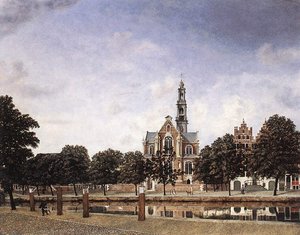
アーティストの略歴
オランダ黄金時代の都市風景の先駆者:ヤン・ファン・デル・ヘイデンの生涯と芸術
1637年、オランダのゴリンケムで生まれたヤン・ファン・デル・ヘイデンは、オランダ黄金時代を代表する画家であり、革新的な発明家でもありました。彼の人生は、単に都市風景を描き出す才能に恵まれた芸術家の物語ではありません。消防技術や都市計画といった分野にも貢献した、驚くべき多才な人物の軌跡です。メノナイト教徒の父のもとに生まれ、1646年に家族はアムステルダムに移住します。この転居が、彼の芸術的才能を開花させる大きなきっかけとなりました。初期の教育は家族内で行われたと考えられ、鏡職人であった兄ゴリスの影響を受けた可能性があります。精密さと反射面への触れ合いは、後にファン・デル・ヘイデンの絵画に特徴的な明瞭性と細部へのこだわりを育む上で重要な役割を果たしたかもしれません。また、ゴリンケムのガラス画家ヤコブ・ファン・デル・ウルフとの師事も指摘されており、彼の素描力や色彩感覚を磨く助けになったと考えられます。当初は*verre eglomisé*(ガラス絵)制作に携わっていたことも知られています。装飾芸術から建築的精密さへ
ファン・デル・ヘイデンの芸術の道は、徐々に都市風景の描写へと特化していきました。彼はこのジャンルに専念した最初期のオランダ人画家の一人であり、同時代の画家たちが肖像画や歴史画を描く中、アムステルダムをはじめとする様々な都市の賑やかな通りや堂々とした運河をキャンバスに描き出しました。彼の作品は、単なる風景描写にとどまらず、建物のレンガの光沢、石畳の質感、そして17世紀の活気ある雰囲気を詳細に捉えています。『アムステルダムの古い側通りの眺めと旧教会』はその献身的な写実主義を象徴する作品と言えるでしょう。しかし彼は既存の風景を描くだけにとどまらず、「建築的幻想」と呼ばれる、異なる構造物を組み合わせた想像力豊かな構図も制作しました。これは、後世に現れる芸術的傾向を先取りしたものであり、彼の技術的な卓越性と創造性を証明しています。都市の風景画以外にも、静物画にも挑戦しており、『地球儀と書籍と中国絹の静物』はその多様な才能と細部へのこだわりを示す作品です。エンジニアの視点:キャンバスを超えた革新
ファン・デル・ヘイデンの創造性は、芸術の世界にとどまりませんでした。彼は実践的な発明家であり、消防技術という現実の問題解決に積極的に取り組んだエンジニアでもありました。1672年には、兄ニコラース(水力技師)と協力して消防ホースを改良し、人口密集地の都市における喫緊の課題に対応しました。これは単なる些細な調整ではなく、消防技術における重要な進歩でした。彼はそこで満足することなく、1685年にはアムステルダムのボランティア消防団を再編し、より効率的な戦略とプロトコルを導入しました。彼の尽力は、『Brandspuiten-boek』(消防ポンプに関する書物)の出版という形で結実します。これは、彼自身の詳細なイラストが添えられた、最初の包括的な消防マニュアルとして広く知られています。この著作は単なる技術ガイドではなく、公共の安全に対する彼の献身を物語るものです。さらに彼はアムステルダムの街灯計画も設計し、1世紀以上にわたって都市の夜間の視認性と安全性を向上させました。遺産と永続的な影響
ヤン・ファン・デル・ヘイデンは1712年に裕福な身分で亡くなり、自身が描いた70点以上の絵画を遺しました。これは彼の生涯にわたる生産性と、彼に対する評価の高さを物語っています。唯一知られている弟子は息子のヤンであり、父の芸術的遺産の一部を受け継ぎました。ファン・デル・ヘイデンの影響は後世の画家たちに受け継がれ、特に建築画を専門とする画家たちに大きな影響を与えました。彼は17世紀の都市生活と建築に関する貴重な洞察を提供し、その時代の都市の姿を視覚的に記録しました。彼の詳細な描写は、現代の研究者にとってかけがえのない歴史的資料となっています。彼独自の都市風景へのアプローチと、実践的なエンジニアとしての貢献は、オランダ史におけるユニークで多面的な人物としての地位を確固たるものにしました。彼は単に周囲の世界を描き出す芸術家ではありませんでした。彼は積極的に世界を形作り、そこに住む人々の生活を向上させたのです。ファン・デル・ヘイデンの遺産は、魅力的な絵画だけでなく、都市の安全とインフラに対する彼の発明が永続的に与えた影響によっても受け継がれています。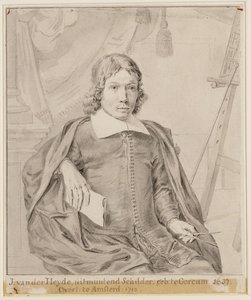
ヤン・ファン・デル・ヘイデン
1637 - 1712 , オランダ
基本情報
- Artistic Movement Or Style: Dutch Golden Age, Baroque
- Artists Or Movements Influenced By This Artist: ['18世紀ヴェネツィア派']
- Artists Who Influenced This Artist: ['ヤコブ・ファン・デル・ウルフト']
- Date Of Birth: 1637年
- Date Of Death: 1712年
- Full Name: ヤン・ファン・デル・ヘイデン
- Nationality: オランダ人
- Notable Artworks (List Of Titles):
- アムステルダム風景
- 静物画
- 建築ファンタジー
- Place Of Birth (City And Country): ゴリンヒェム、オランダ
関連記事
Early Netherlandish Masters: 10 Paintings That Revolutionized Art & Decor
Journey into the Early Netherlandish Renaissance! Explore 10 iconic paintings by Jan van Eyck, Rogier van der Weyden & more. Discover stunning detail, symbolism, and oil painting techniques. Find museum-quality art reproductions for your home at ArtsDot.com.

Early Netherlandish Masters: 10 Paintings That Revolutionized Art & Decor
Journey into the world of Early Netherlandish painting! Explore 10 masterpieces by Jan van Eyck, Rogier van der Weyden & more. Discover stunning detail, symbolism & Renaissance art for your home decor. Find museum-quality reproductions on ArtsDot.com

レンブラント傑作25選:光と影の巨匠、魂を揺さぶる名画の世界 | ArtsDot
レンブラントの傑作25選。光と影の魔術師が描いた魂を揺さぶる名画の世界へ。美術史に残る自画像、夜警、宗教画…ArtsDotで高品質なアートプリントやインテリアアートをお楽しみください。コレクションはこちら→
Jan van Goyen: Master of Dutch Landscape & Atmospheric Perspective
Discover Jan van Goyen, the master of Dutch landscape painting. Explore his subtle technique, atmospheric realism & lasting influence on art history. Learn about this 17th-century pioneer at ArtsDot.
Hugo van der Goes: Devotion, Innovation & the Psychological Depth of Early Netherlandish Painting
Explore the revolutionary art of Hugo van der Goes – a master of Early Netherlandish painting renowned for his dramatic realism, psychological depth & profound influence on Renaissance artists. Discover his iconic works and lasting legacy.

