

 プレビュー
プレビュー
 プリントを購入
 シェアする
シェアする シェアする
シェアする
 詳細を見る
詳細を見る

 ダウンロード
 似ている作品
 X線調査
X線調査 スライドショー
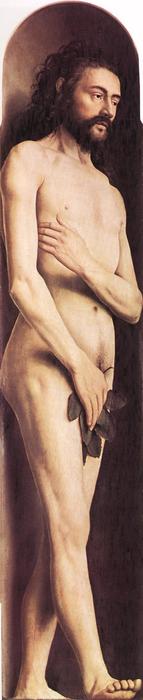
Adam, from the left wing of the Ghent Altarpiece


 詳細を見る
詳細を見る
オンラインプレビューをはるかに凌ぐ、高解像度で鮮明なデジタル画像をご購入いただけます。
各ファイルは、社内の専門家が高度なツールと熟練した手作業によるレタッチを用いて、細心の注意を払って準備されています。すべての画像において、卓越した鮮明度、正確な色彩再現性、そして繊細なディテールを保証いたします。
最終ファイルは、プロフェッショナルな編集・印刷環境ですぐにご利用いただけるよう最適化された状態で、72時間以内にメールにてお届けいたします。これは、一流のデザインスタジオ、出版社、ギャラリーから信頼されているものと同等の品質です。
デジタル画像のご注文に付随する特典
高品質なデジタル画像配信を、確かな品質で。
ArtsDot.com を選ぶことは、単に画像を手に入れることではありません。それは、プロの手によって精密に仕上げられ、満足保証が付いた高品質なデジタルアートワークを受け取ることを意味します。ご注文いただいた際に自動的に付随する内容は、以下の通りです:

メールですぐにお届け
ご注文から72時間以内に、高解像度のデジタル画像ファイルがメールでお手元に届きます。すぐにそのままご利用いただけます。

AI技術で最適化されたデジタルファイル
お客様の作品は、高度なAIツールと専門家による手作業の編集を組み合わせてプロフェッショナルに最適化されており、細部のディテール、鮮明さ、そして正確な色再現性を最大限に引き出しています。

一生涯無料の再送サービス
ファイルを誤って削除したり、紛失してしまったりしましたか?ご安心ください。いつでも無料で再送いたします。

輸入手数料は一切かかりません
関税や手数料、配送料を気にすることなく、お気に入りのアートワークをすぐにお楽しみいただけます。デジタルダウンロードは常に免税です。

色彩再現の保証
プロ仕様のツールとカラーマネジメント技術を用いることで、デジタル画像が元の色を最大限に忠実に再現することを保証いたします。

60日間満足保証
ご購入いただいたデジタル画像にご満足いただけない場合は、60日以内であれば、修正または100%の返金(理由を問う必要はありません)をさせていただきます。

100% 返金保証
ご満足いただけない場合は、デジタルファイルを受け取ってから60日以内であれば、理由を問わず全額返金いたします。

まとめ買い割引
3枚購入で10%OFF - 5枚購入で15%OFF - 10枚以上購入で20%OFF。クリエイティブなプロジェクト、ギャラリー、エージェンシーに最適です。
The Profound Majesty of Adam: A Window into Early Netherlandish Genius
Jan van Eyck’s “Adam, from the left wing of the Ghent Altarpiece,” is more than just a depiction of a biblical figure; it's a profound meditation on humanity’s origins, innocence lost, and the enduring quest for redemption. Completed in 1429 during the nascent stages of the Early Netherlandish Renaissance, this panel stands as a testament to Van Eyck’s revolutionary techniques and his unparalleled ability to imbue inanimate objects with life-like presence. The painting resides within the monumental Ghent Altarpiece, a complex polyptych that represents a pinnacle of medieval art, and Adam's portrayal is arguably its most emotionally resonant element.
Van Eyck’s mastery lies not merely in his technical skill—though it is undeniably breathtaking—but in his meticulous observation of the natural world. He employed the groundbreaking technique of oil painting, allowing for unprecedented detail, luminosity, and a subtle blending of colors that would revolutionize the art world. The rich textures of Adam's skin, the delicate folds of his garment, and the sheen on the leafy branch he holds are all rendered with astonishing realism. This wasn’t simply about replicating what was seen; it was about capturing the very essence of being human – vulnerability, strength, and a nascent awareness of mortality.
A Symbolism Laden Scene: Innocence, Shame, and Divine Grace
The composition itself is laden with symbolic weight. Adam stands nude before Eve, also depicted in a similar pose, creating a powerful visual dialogue about the fall from grace. The branch he clutches serves as a poignant reminder of the immediate consequence of disobedience – covering his shame and acknowledging his transgression against God’s command. The dark background, devoid of any extraneous detail, focuses all attention on the central figures, amplifying their emotional intensity. Note the subtle gesture of Adam's hand; it is not an act of defiance, but a humble acceptance of responsibility.
Crucially, the scene isn’t presented as a condemnation, but rather as a moment of profound introspection. The light illuminating Adam and Eve is soft and diffused, suggesting a gentle grace amidst the gravity of their situation. The inclusion of the dove above them—a symbol of the Holy Spirit—offers a glimmer of hope, hinting at the promise of redemption through divine intervention. This delicate balance between sorrow and anticipation is characteristic of Van Eyck’s artistic sensibility.
Historical Context: The Dawn of Renaissance Vision
To understand “Adam,” one must appreciate its place within the broader context of 15th-century art. The Ghent Altarpiece, commissioned for St. Bavo's Cathedral in Ghent, represented a significant shift away from the stylized conventions of Gothic art. Van Eyck’s realism—his dedication to accurately depicting human anatomy and natural textures—was revolutionary at the time. He was not simply painting a religious scene; he was creating a window into the world as it truly appeared.
Furthermore, Van Eyck's work reflects the intellectual currents of his era. The Renaissance was beginning to emphasize humanism – a renewed interest in classical learning and an appreciation for earthly beauty. “Adam” embodies this spirit by portraying humanity with dignity and respect, elevating the figure from a mere subject of divine judgment to a symbol of our shared condition.
A Legacy of Light and Detail: Reproductions and Artistic Inspiration
Today, “Adam, from the left wing of the Ghent Altarpiece” remains one of the most celebrated paintings in Western art. Its influence can be seen in countless works that followed, shaping the course of artistic development for centuries to come. High-quality reproductions capture much of the original’s luminous quality and intricate detail, offering a tangible connection to this extraordinary masterpiece. When selecting a reproduction, consider the materials used – archival inks and canvas are essential for preserving the artwork's vibrancy and longevity.
Whether adorning a grand salon or a cozy study, “Adam” serves as a powerful reminder of our shared human heritage—a testament to both our capacity for beauty and our enduring need for grace and redemption. It’s an image that continues to resonate with viewers across time and cultures, inviting contemplation on the mysteries of creation and the complexities of the human spirit.
関連作品
作家の略歴
光と色彩の錬金術師:ヤン・ファン・エイクの世界
ヤン・ファン・エイクの名は、初期ネーデルラント絵画の夜明けを告げ、油彩技法における革命的な使用と不可分である。1390年頃にマストリヒトで生まれ、現在のオランダに位置するこの地で育った彼は、芸術的伝統に浸された家庭に生まれた。兄のフベルトも画家であり、その作品に関する詳細は謎が多いものの、ヤンは天賦の才能を持ち、瞬く間に時代の芸術界において頭角を現した。1422年にはすでにハーグに工房を開き、助手たちと共に仕事を行い、彼の技量を物語る数々の依頼を受けた。この初期の成功は単なる芸術的スキルに基づくだけではなく、ヤンは知性と信頼性を兼ね備えた人物であり、それがすぐに有力なパトロンたちの目に留まることになったのだ。ブルゴーニュ宮廷での活躍:外交と芸術の隆盛
ヤンのキャリアにおける転換点は、ジャン3世(冷酷王)のもとで、そして後にフィリップ4世(善良公)のもとでブルゴーニュ宮廷への仕官だった。これは単なるパトロン関係ではなく、ヤンは外交使節として信頼され、彼の分別と知性に公が自信を寄せていたことを示している。ポルトガルやスペインなどヨーロッパ各地への旅は、多様な文化や芸術的影響に触れ、彼のスタイルを進化させた。宮廷は単なる経済的な安定を提供するだけでなく、野心的なプロジェクトを追求するための資源へのアクセスを提供し、芸術的に達成可能な限界を押し広げた。彼はブルゴーニュ貴族のための画家であるというよりも、彼らの世界の一部となり、その威厳を反映し、高揚させる存在となった。この特異な立場は、同時代の画家がほとんど享受できなかった芸術的自由を与え、実験と革新を可能にしたのだ。油彩の錬金術:技法の革命
油彩の発明者ではないものの、ヤン・ファン・エイクはそれを完璧にしたことには疑いの余地がない。彼の登場以前はテンペラが主流であり、ブレンド能力に制限があり、比較的マットな仕上がりだった。ヤンは、透明感のある顔料を慎重に重ねることで油彩の可能性を最大限に引き出し、空前の詳細さ、輝き、リアリズムを実現した。この技術により、微妙なトーンの変化、豊かな色彩、まるで生きているかのような質感を作り出すことができた。その効果は劇的であり、表面が内側から光り輝き、布地には触覚的な質感が与えられ、肖像画は単なる容姿だけでなく、心理的な深みまでも捉えた。彼の習熟度は単なる技術的なものではなく、顔料を生きているかのような現実へと変える錬金術的なプロセスだった。この革新は無視されず、その後の世代の画家たちに影響を与え、西洋美術の様相を一変させた礎となった。傑作と不朽の遺産
ヤンの芸術的遺産は、比較的少ないながらも深く影響力のある作品群によって確固たるものとなっている。1432年の壮大な多翼祭壇画『ゲント祭壇画』は、宗教的な象徴主義と技術的な才能が融合した最も野心的な試みである。同等に有名なのは、リアリズム、複雑なディテール、そして謎めいた象徴性で称賛される肖像画『アルノルフィーニ夫妻の肖像』(1434年)である。その他の注目すべき作品には、宗教的な場面を驚くべき明瞭さで描写する彼の技術を示す『ドレスデン祭壇画』や、個人の性格を捉える能力を示す傑作『青いターバンの男』などがある。これらの絵画は単なる視覚的表現ではなく、別の世界への窓であり、細部に至るまで徹底的にレンダリングされた世界である。ヤンの影響力は、これらの象徴的な作品を超えて広がり、初期ネーデルラント絵画の発展を形作り、何世紀にもわたって数えきれないほどの芸術家にインスピレーションを与え続けている。1441年にブルージュで亡くなった彼は、今日まで私たちに人間の経験を照らし出す芸術の力を思い出させる遺産を残した。フベルト・ファン・エイクとの関係
ヤンの兄であるフベルトについては、その生涯に関する確かな情報はほとんどない。一部の研究者は彼の存在自体を疑問視しているほどだ。しかし、1426年の課税記録は、彼がその頃に亡くなったことを示唆しており、ヤンと共に初期の作品にも関与していた可能性が高い。ゲント祭壇画におけるフベルトの役割は議論の余地があるものの、兄弟が協力してこの壮大な作品を完成させたという考えは、初期ネーデルラント絵画の理解において重要な意味を持つ。彼らの共同作業は、芸術的才能と家族関係が、当時の芸術制作に与えた影響を示唆している。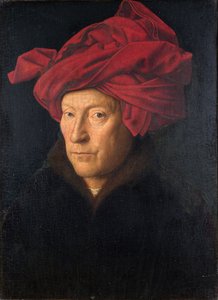
ヤン・ファン・エイク
1390 - 1441 , オランダ
プロフィール概要
- フルネーム: ヤン・ファン・エイク
- 主な作品:
- ゲント祭壇画
- アルノルフィーニ夫妻の肖像
- ドレスデン三連祭壇画
- 青いターバンの男
- 出生地: マストリヒト、オランダ
- 国籍: フランドル人
- 影響を与えたアーティストまたは運動: ['初期ネーデル란드画家']
- 死亡年月日: 1441年
- 生年月日: 1390年頃
- 芸術運動またはスタイル: 初期ネーデル란드絵画

