 プレビュー
プレビュー
 シェアする
シェアする シェアする
シェアする
 詳細を見る
詳細を見る

 ダウンロード
 似ている作品
 X線調査
X線調査 スライドショー
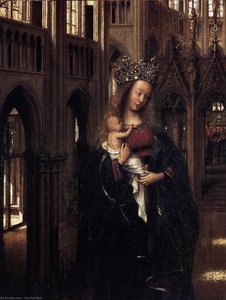
カノン・ヴァン・デル・パエルの聖母マリアの詳細


 詳細を見る
詳細を見る
ジークレー/アートプリント
迅速な制作と多彩な仕上げオプションを備えた、ミュージアムクオリティのジークレーまたはキャンバスプリント。 ( 手描きの絵画を購入 画像を購入)




P118B $10

P118H $10

P118W $10

P438Z $10

P508JH $12

P508YH $12

P805H $10

P805Z $10

P919BZ $10

P919G $10

P919XJ $10

P959ZH $10

P968JZ $12

W106C $8

W218G $10

W218JH $8

W218Y $10

W307PJ $10

W316G $10

W316PJ $8

W316Y $10

W398PJ $8

W4111J $10

W500HY $15

W500JH $15

W692G $12

W849H $8

W940BG $15

W953PJ $8




作品のオリジナル比率に合わせた、当店の規定サイズからお選びください。

特定のフレームやスペースに合わせて、ご自身でサイズを指定することも可能です。選択されたサイズが元の画像の比率と一致しない場合、作品をトリミングするか、鏡面反射または単色での塗りつぶしによって画像を拡張いたします。制作を開始する前に、ご確認用のデジタルモックアップをお送りいたします。
画面上のプレビューには、実際のトリミングや拡張は反映されませんのでご注意ください。最終的な構図を正確に確認できるのは、モックアップのみとなります。
カスタムサイズも承っておりますが、元の比率を維持するためには、あらかじめ用意されたリストからサイズを選択することをお勧めいたします。


 ガラスオプションは、110cm未満のサイズでのみご利用いただけます。

カノン・ヴァン・デル・パエルの聖母マリアの詳細
ジークレー/アートプリント
複製画のサイズ
-


合計金額
$ 62
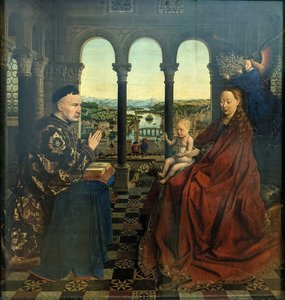
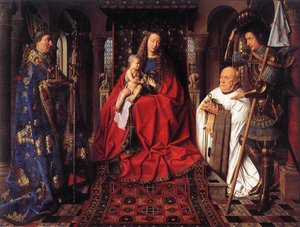
A Window into Renaissance Devotion: Jan van Eyck’s *Madonna of Canon van der Paele*
Jan van Eyck's *The Madonna with Canon Joris van der Paele*, completed around 1436, is not merely a painting; it is a meticulously constructed world, a testament to the burgeoning artistic and spiritual sensibilities of the Early Netherlandish Renaissance. The work resides within the Groeninge Museum in Bruges, Belgium, and continues to captivate viewers with its astonishing detail and profound symbolism. It depicts Canon Joris van der Paele, a dignified yet aging clergyman, kneeling in devout presentation before the Virgin Mary and the Christ Child, attended by Saints George and Donatian. The scene isn’t set within a realistic space but rather an imagined church interior, subtly suggested through architectural elements and creating a sacred atmosphere that transcends earthly boundaries. Van Eyck's mastery lies not just in his technical skill—his revolutionary use of oil paint allowing for unparalleled luminosity and textural nuance—but also in his ability to imbue every element with meaning, transforming the painting into a complex visual prayer.The Alchemy of Oil and Light
Van Eyck’s innovative employment of oil paint was pivotal in achieving the remarkable realism that defines this work. Prior to his advancements, tempera was the dominant medium, offering limited depth and luminosity. Oil allowed Van Eyck to build up layers of translucent glazes, creating a breathtaking sense of volume, texture, and light. Observe the intricate folds of Canon van der Paele’s richly colored robes—the interplay of light and shadow upon the velvet, fur, and silk is rendered with astonishing fidelity. The gleaming armor of Saint George, reflecting the unseen light source, demonstrates Van Eyck's ability to capture the materiality of objects with unprecedented accuracy. This wasn’t simply about imitation; it was about elevating reality, imbuing it with a spiritual resonance. Every detail, from the delicate wrinkles around van der Paele’s eyes to the individual strands of hair on Saint George’s head, contributes to the painting's overall sense of presence and immediacy. The level of detail is not merely decorative; it serves to draw the viewer into the scene, fostering a deeper connection with the sacred figures depicted.Symbolism Woven into Every Thread
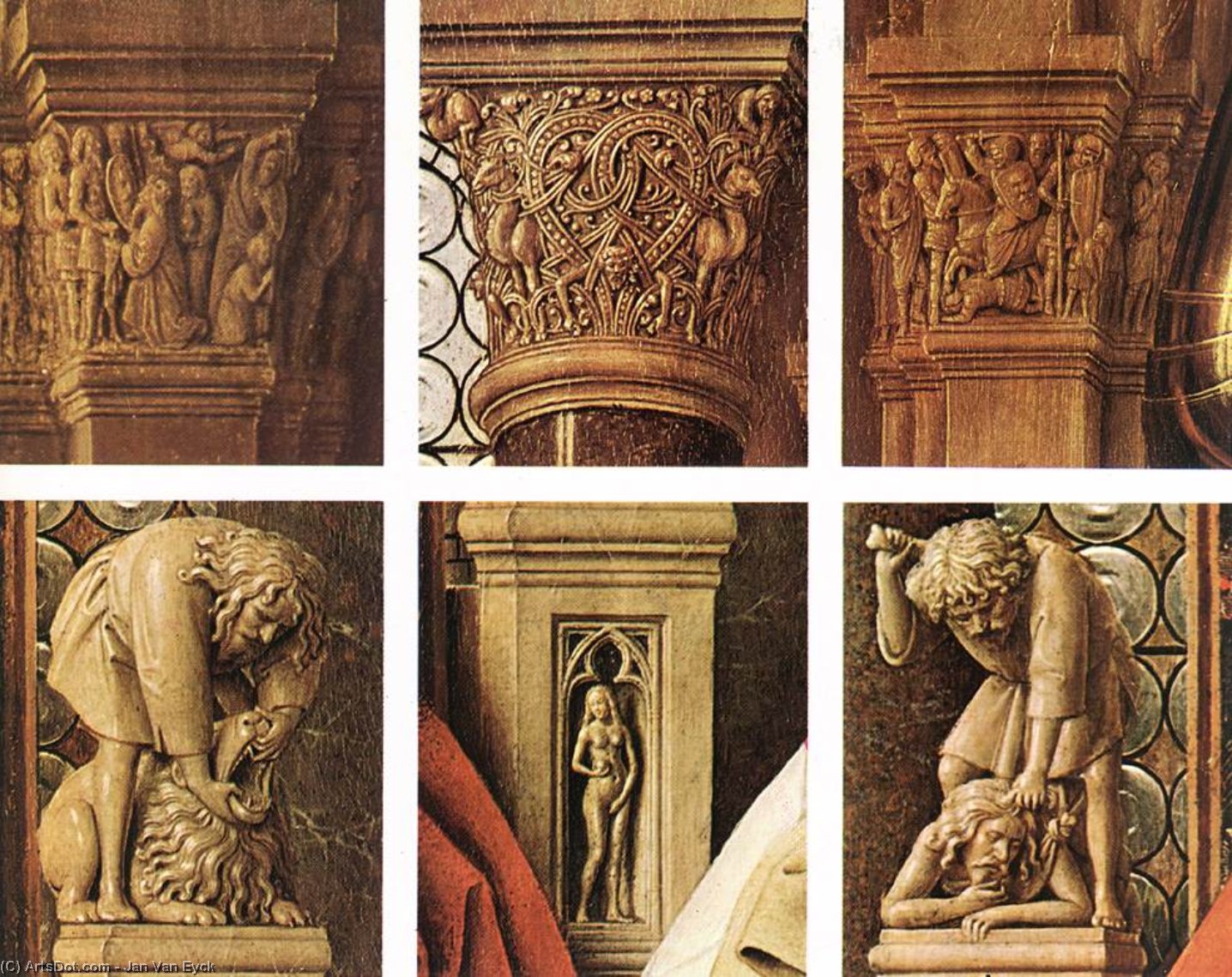
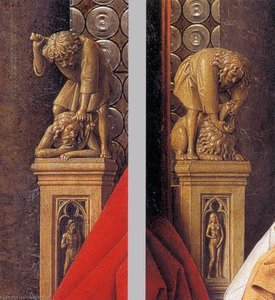
The *Madonna of Canon van der Paele* is saturated with symbolism, inviting contemplation on themes of faith, mortality, and divine grace. The inclusion of Saints George and Donatian isn’t arbitrary; Saint George, the patron saint of knights and soldiers, symbolizes protection and chivalry, while Saint Donatian represents the church in Bruges where Van der Paele served. The inscriptions framing the painting, meticulously rendered to resemble a bronze relief, further illuminate the work's meaning, identifying the figures and offering prayers for van der Paele’s soul. Even seemingly mundane details carry symbolic weight—the canon’s spectacles, for instance, have been interpreted as representing his intellectual pursuit of faith and his awareness of his own mortality. The carvings adorning the Virgin Mary’s throne depict scenes from the Old Testament, prefiguring Christ's life and emphasizing the continuity between the old covenant and the new. This intricate web of symbolism transforms the painting into a visual sermon, inviting viewers to engage with its layers of meaning on multiple levels.A Legacy of Artistic Innovation
Jan van Eyck’s *Madonna of Canon van der Paele* stands as a cornerstone of Early Netherlandish art, influencing generations of artists and shaping the course of Western painting. His groundbreaking use of oil paint, combined with his meticulous attention to detail and profound symbolic vision, established a new standard for realism and artistic expression. The painting continues to resonate today not only for its technical brilliance but also for its enduring spiritual power. It offers a glimpse into the devotional practices and artistic sensibilities of the 15th century, reminding us of the timeless human quest for meaning and connection with the divine. For those seeking to bring a touch of Renaissance grandeur and intellectual depth into their spaces, a reproduction of this masterpiece serves as a powerful statement—a celebration of art’s ability to transcend time and inspire contemplation.関連作品
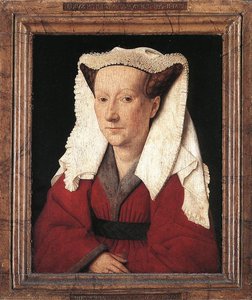

アーティストの略歴
光と色彩の錬金術師:ヤン・ファン・エイクの世界
ヤン・ファン・エイクの名は、初期ネーデルラント絵画の夜明けを告げ、油彩技法における革命的な使用と不可分である。1390年頃にマストリヒトで生まれ、現在のオランダに位置するこの地で育った彼は、芸術的伝統に浸された家庭に生まれた。兄のフベルトも画家であり、その作品に関する詳細は謎が多いものの、ヤンは天賦の才能を持ち、瞬く間に時代の芸術界において頭角を現した。1422年にはすでにハーグに工房を開き、助手たちと共に仕事を行い、彼の技量を物語る数々の依頼を受けた。この初期の成功は単なる芸術的スキルに基づくだけではなく、ヤンは知性と信頼性を兼ね備えた人物であり、それがすぐに有力なパトロンたちの目に留まることになったのだ。ブルゴーニュ宮廷での活躍:外交と芸術の隆盛
ヤンのキャリアにおける転換点は、ジャン3世(冷酷王)のもとで、そして後にフィリップ4世(善良公)のもとでブルゴーニュ宮廷への仕官だった。これは単なるパトロン関係ではなく、ヤンは外交使節として信頼され、彼の分別と知性に公が自信を寄せていたことを示している。ポルトガルやスペインなどヨーロッパ各地への旅は、多様な文化や芸術的影響に触れ、彼のスタイルを進化させた。宮廷は単なる経済的な安定を提供するだけでなく、野心的なプロジェクトを追求するための資源へのアクセスを提供し、芸術的に達成可能な限界を押し広げた。彼はブルゴーニュ貴族のための画家であるというよりも、彼らの世界の一部となり、その威厳を反映し、高揚させる存在となった。この特異な立場は、同時代の画家がほとんど享受できなかった芸術的自由を与え、実験と革新を可能にしたのだ。油彩の錬金術:技法の革命
油彩の発明者ではないものの、ヤン・ファン・エイクはそれを完璧にしたことには疑いの余地がない。彼の登場以前はテンペラが主流であり、ブレンド能力に制限があり、比較的マットな仕上がりだった。ヤンは、透明感のある顔料を慎重に重ねることで油彩の可能性を最大限に引き出し、空前の詳細さ、輝き、リアリズムを実現した。この技術により、微妙なトーンの変化、豊かな色彩、まるで生きているかのような質感を作り出すことができた。その効果は劇的であり、表面が内側から光り輝き、布地には触覚的な質感が与えられ、肖像画は単なる容姿だけでなく、心理的な深みまでも捉えた。彼の習熟度は単なる技術的なものではなく、顔料を生きているかのような現実へと変える錬金術的なプロセスだった。この革新は無視されず、その後の世代の画家たちに影響を与え、西洋美術の様相を一変させた礎となった。傑作と不朽の遺産
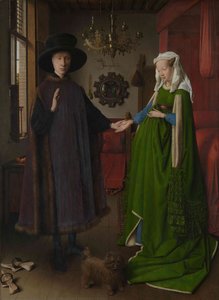
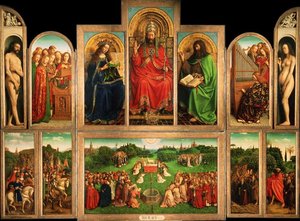
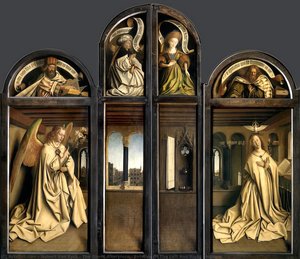
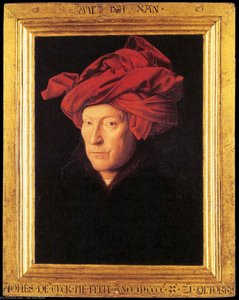
ヤンの芸術的遺産は、比較的少ないながらも深く影響力のある作品群によって確固たるものとなっている。1432年の壮大な多翼祭壇画『ゲント祭壇画』は、宗教的な象徴主義と技術的な才能が融合した最も野心的な試みである。同等に有名なのは、リアリズム、複雑なディテール、そして謎めいた象徴性で称賛される肖像画『アルノルフィーニ夫妻の肖像』(1434年)である。その他の注目すべき作品には、宗教的な場面を驚くべき明瞭さで描写する彼の技術を示す『ドレスデン祭壇画』や、個人の性格を捉える能力を示す傑作『青いターバンの男』などがある。これらの絵画は単なる視覚的表現ではなく、別の世界への窓であり、細部に至るまで徹底的にレンダリングされた世界である。ヤンの影響力は、これらの象徴的な作品を超えて広がり、初期ネーデルラント絵画の発展を形作り、何世紀にもわたって数えきれないほどの芸術家にインスピレーションを与え続けている。1441年にブルージュで亡くなった彼は、今日まで私たちに人間の経験を照らし出す芸術の力を思い出させる遺産を残した。フベルト・ファン・エイクとの関係
ヤンの兄であるフベルトについては、その生涯に関する確かな情報はほとんどない。一部の研究者は彼の存在自体を疑問視しているほどだ。しかし、1426年の課税記録は、彼がその頃に亡くなったことを示唆しており、ヤンと共に初期の作品にも関与していた可能性が高い。ゲント祭壇画におけるフベルトの役割は議論の余地があるものの、兄弟が協力してこの壮大な作品を完成させたという考えは、初期ネーデルラント絵画の理解において重要な意味を持つ。彼らの共同作業は、芸術的才能と家族関係が、当時の芸術制作に与えた影響を示唆している。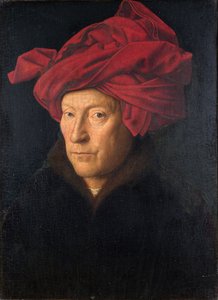
ヤン・ファン・エイク
1390 - 1441 , オランダ
基本情報
- フルネーム: ヤン・ファン・エイク
- 主な作品:
- ゲント祭壇画
- アルノルフィーニ夫妻の肖像
- ドレスデン三連祭壇画
- 青いターバンの男
- 出生地: マストリヒト、オランダ
- 国籍: フランドル人
- 影響を与えたアーティストまたは運動: ['初期ネーデル란드画家']
- 死亡年月日: 1441年
- 生年月日: 1390年頃
- 芸術運動またはスタイル: 初期ネーデル란드絵画
関連記事
Early Netherlandish Masters: 10 Paintings That Revolutionized Art & Decor
Journey into the world of Early Netherlandish painting! Explore 10 masterpieces by Jan van Eyck, Rogier van der Weyden & more. Discover stunning detail, symbolism & Renaissance art for your home decor. Find museum-quality reproductions on ArtsDot.com
Early Netherlandish Masters: 10 Paintings That Revolutionized Art & Decor
Journey into the Early Netherlandish Renaissance! Explore 10 iconic paintings by Jan van Eyck, Rogier van der Weyden & more. Discover stunning detail, symbolism, and oil painting techniques. Find museum-quality art reproductions for your home at ArtsDot.com.
Jan van Eyck: Innovation, Symbolism & the Dawn of Early Netherlandish Painting
Explore the revolutionary art of Jan van Eyck! Discover his groundbreaking oil painting techniques, hidden symbolism, and lasting impact on the Early Netherlandish Renaissance. A deep dive for art enthusiasts.
Hugo van der Goes: Devotion, Innovation & the Psychological Depth of Early Netherlandish Painting
Explore the revolutionary art of Hugo van der Goes – a master of Early Netherlandish painting renowned for his dramatic realism, psychological depth & profound influence on Renaissance artists. Discover his iconic works and lasting legacy.

レンブラント傑作25選:光と影の巨匠、魂を揺さぶる名画の世界 | ArtsDot
レンブラントの傑作25選。光と影の魔術師が描いた魂を揺さぶる名画の世界へ。美術史に残る自画像、夜警、宗教画…ArtsDotで高品質なアートプリントやインテリアアートをお楽しみください。コレクションはこちら→