 プレビュー
プレビュー
 シェアする
シェアする シェアする
シェアする
 詳細を見る
詳細を見る

 ダウンロード
 似ている作品
 X線調査
X線調査 スライドショー
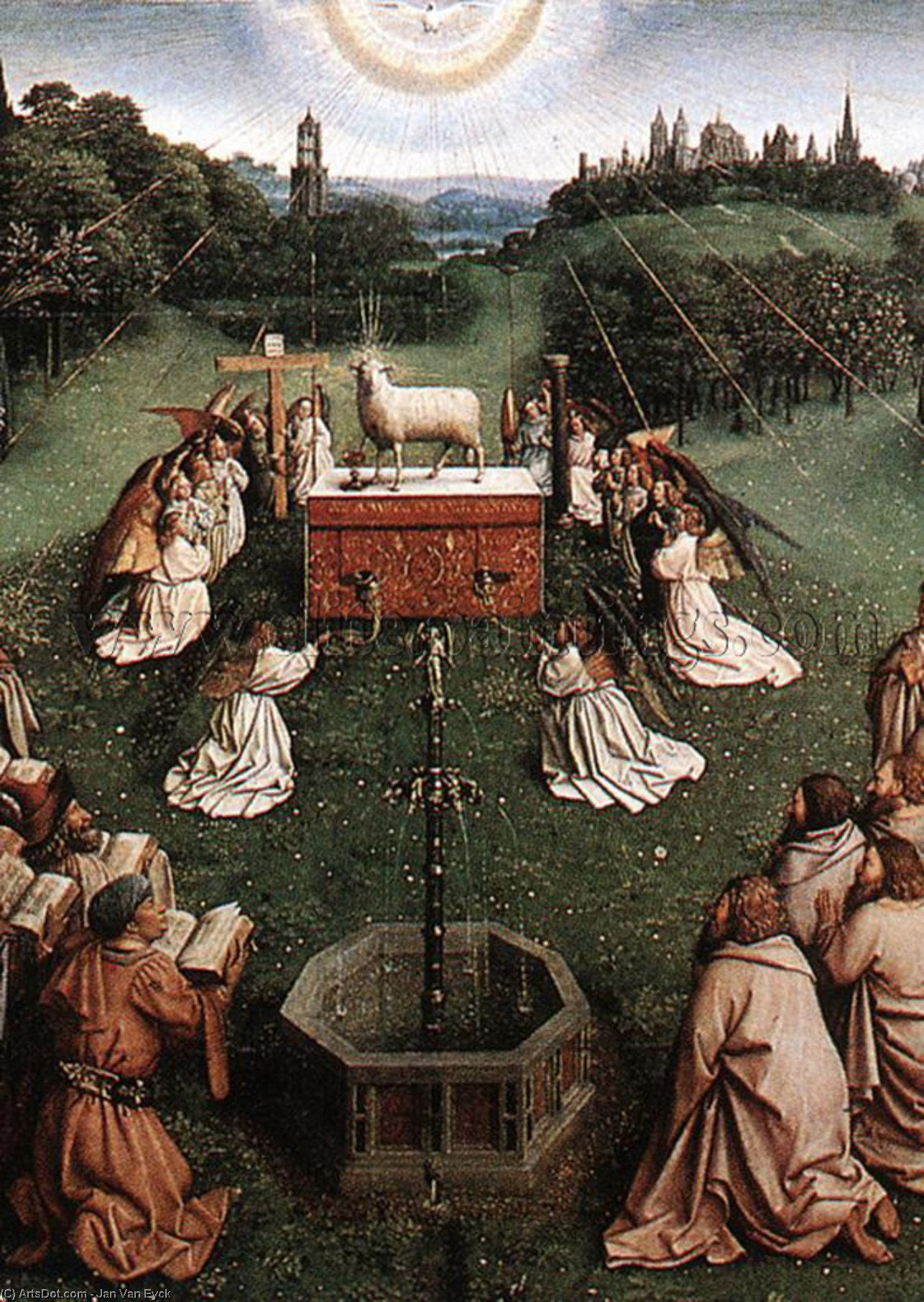
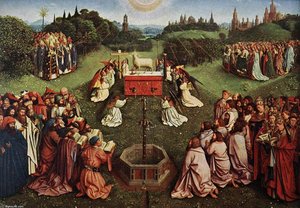
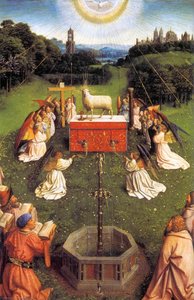
The Ghent Altarpiece Adoration of the Lamb (detail centre)

 詳細を見る
詳細を見る
ジークレー/アートプリント
迅速な制作と多彩な仕上げオプションを備えた、ミュージアムクオリティのジークレーまたはキャンバスプリント。 ( 手描きの絵画を購入 画像を購入)




P118B $10

P118H $10

P118W $10

P438Z $10

P508JH $12

P508YH $12

P805H $10

P805Z $10

P919BZ $10

P919G $10

P919XJ $10

P959ZH $10

P968JZ $12

W106C $8

W218G $10

W218JH $8

W218Y $10

W307PJ $10

W316G $10

W316PJ $8

W316Y $10

W398PJ $8

W4111J $10

W500HY $15

W500JH $15

W692G $12

W849H $8

W940BG $15

W953PJ $8




作品のオリジナル比率に合わせた、当店の規定サイズからお選びください。

特定のフレームやスペースに合わせて、ご自身でサイズを指定することも可能です。選択されたサイズが元の画像の比率と一致しない場合、作品をトリミングするか、鏡面反射または単色での塗りつぶしによって画像を拡張いたします。制作を開始する前に、ご確認用のデジタルモックアップをお送りいたします。
画面上のプレビューには、実際のトリミングや拡張は反映されませんのでご注意ください。最終的な構図を正確に確認できるのは、モックアップのみとなります。
カスタムサイズも承っておりますが、元の比率を維持するためには、あらかじめ用意されたリストからサイズを選択することをお勧めいたします。


 ガラスオプションは、110cm未満のサイズでのみご利用いただけます。

The Ghent Altarpiece Adoration of the Lamb (detail centre)
ジークレー/アートプリント
複製画のサイズ
-


合計金額
$ 62
A Window Into Paradise: The Ghent Altarpiece’s Adoration of the Lamb
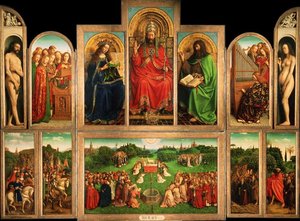
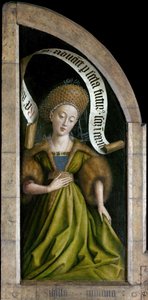
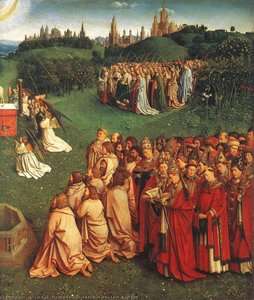
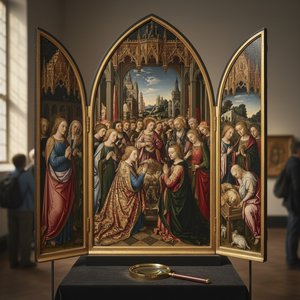
Jan van Eyck's The Ghent Altarpiece, specifically its central panel depicting the “Adoration of the Mystic Lamb,” stands as a monumental achievement in Early Netherlandish painting – a vibrant testament to both technical mastery and profound theological contemplation. Completed around 1432, this polyptych isn’t merely a religious scene; it's an immersive experience, inviting viewers into a meticulously rendered world brimming with symbolism and imbued with an almost palpable sense of divine presence. The sheer scale of the panel (approximately 8.6 feet tall by 10.7 feet wide) immediately commands attention, drawing the eye into a complex choreography of figures arranged around the central figure of the Lamb of God.
Van Eyck’s genius lies not just in his unparalleled skill with oil paint – a medium he arguably pioneered – but also in his ability to capture light and texture with astonishing realism. The surface shimmers with an almost jewel-like quality, achieved through countless layers of translucent glaze. Observe the meticulous detail: the folds of the robes, the individual strands of hair, the delicate textures of fruit and foliage. This isn’t a stylized representation; it's a world rendered with painstaking accuracy, inviting close inspection and revealing new details with each viewing.
A Theology of Sacrifice and Redemption
The central scene depicts the Lamb of God – an enduring symbol of Christ’s sacrifice – being adored by a diverse assembly of figures. The composition is carefully structured to convey a narrative of redemption. At the forefront, we see Mary holding the infant Jesus, flanked by John the Baptist, who gestures towards the Lamb with outstretched hand. Surrounding them are saints, biblical figures, and even members of the local clergy and nobility – all united in their reverence for this central symbol of salvation. The inclusion of earthly figures underscores the universality of Christ’s sacrifice, extending its significance beyond the purely spiritual realm.
The symbolism woven throughout the panel is incredibly rich. The green landscape surrounding the Lamb represents Paradise, a fertile and abundant world restored through Christ's blood. The chalice overflowing with blood symbolizes the shedding of Christ’s life on the cross – an act of ultimate sacrifice that cleanses humanity from sin. The presence of books in the foreground alludes to scripture and the written word, emphasizing the importance of faith and knowledge in understanding God’s plan.
Technique and Innovation: A Revolution in Painting
Van Eyck's mastery of oil paint is undeniably revolutionary. Unlike tempera, which required immediate application and lacked the ability to be layered or reworked, oil paint allowed for a level of detail and luminosity previously unattainable. The use of glazes – thin layers of translucent color applied over dry underpaint – created an astonishing depth and richness of color, mimicking the effects of light and shadow with remarkable accuracy. This technique not only enhanced the realism of the scene but also enabled Van Eyck to create a sense of atmospheric perspective, drawing the eye into the distant landscape.
Furthermore, Van Eyck’s meticulous observation of nature – evident in the detailed rendering of plants, animals, and human figures – set a new standard for artistic representation. He employed aerial perspective, subtly altering colors and values to create the illusion of distance, further enhancing the sense of depth and realism within the composition.
A Legacy of Wonder: The Emotional Impact
More than six centuries after its creation, The Ghent Altarpiece continues to captivate viewers with its beauty, complexity, and profound spiritual message. It’s a painting that invites contemplation, prompting us to consider the themes of sacrifice, redemption, and the enduring power of faith. The sheer scale of the work, combined with Van Eyck's unparalleled technical skill and symbolic richness, creates an experience that is both visually stunning and emotionally resonant.
A reproduction by ArtsDot.com allows you to bring this masterpiece into your home or office, experiencing its beauty and symbolism firsthand. Each detail, painstakingly recreated using the same techniques as the original, ensures a faithful representation of Van Eyck’s genius – a window into paradise that will enrich any space.
関連作品
アーティストの略歴
光と色彩の錬金術師:ヤン・ファン・エイクの世界
ヤン・ファン・エイクの名は、初期ネーデルラント絵画の夜明けを告げ、油彩技法における革命的な使用と不可分である。1390年頃にマストリヒトで生まれ、現在のオランダに位置するこの地で育った彼は、芸術的伝統に浸された家庭に生まれた。兄のフベルトも画家であり、その作品に関する詳細は謎が多いものの、ヤンは天賦の才能を持ち、瞬く間に時代の芸術界において頭角を現した。1422年にはすでにハーグに工房を開き、助手たちと共に仕事を行い、彼の技量を物語る数々の依頼を受けた。この初期の成功は単なる芸術的スキルに基づくだけではなく、ヤンは知性と信頼性を兼ね備えた人物であり、それがすぐに有力なパトロンたちの目に留まることになったのだ。ブルゴーニュ宮廷での活躍:外交と芸術の隆盛
ヤンのキャリアにおける転換点は、ジャン3世(冷酷王)のもとで、そして後にフィリップ4世(善良公)のもとでブルゴーニュ宮廷への仕官だった。これは単なるパトロン関係ではなく、ヤンは外交使節として信頼され、彼の分別と知性に公が自信を寄せていたことを示している。ポルトガルやスペインなどヨーロッパ各地への旅は、多様な文化や芸術的影響に触れ、彼のスタイルを進化させた。宮廷は単なる経済的な安定を提供するだけでなく、野心的なプロジェクトを追求するための資源へのアクセスを提供し、芸術的に達成可能な限界を押し広げた。彼はブルゴーニュ貴族のための画家であるというよりも、彼らの世界の一部となり、その威厳を反映し、高揚させる存在となった。この特異な立場は、同時代の画家がほとんど享受できなかった芸術的自由を与え、実験と革新を可能にしたのだ。油彩の錬金術:技法の革命
油彩の発明者ではないものの、ヤン・ファン・エイクはそれを完璧にしたことには疑いの余地がない。彼の登場以前はテンペラが主流であり、ブレンド能力に制限があり、比較的マットな仕上がりだった。ヤンは、透明感のある顔料を慎重に重ねることで油彩の可能性を最大限に引き出し、空前の詳細さ、輝き、リアリズムを実現した。この技術により、微妙なトーンの変化、豊かな色彩、まるで生きているかのような質感を作り出すことができた。その効果は劇的であり、表面が内側から光り輝き、布地には触覚的な質感が与えられ、肖像画は単なる容姿だけでなく、心理的な深みまでも捉えた。彼の習熟度は単なる技術的なものではなく、顔料を生きているかのような現実へと変える錬金術的なプロセスだった。この革新は無視されず、その後の世代の画家たちに影響を与え、西洋美術の様相を一変させた礎となった。傑作と不朽の遺産
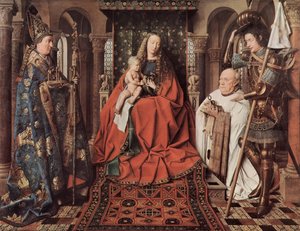
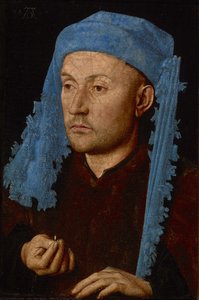
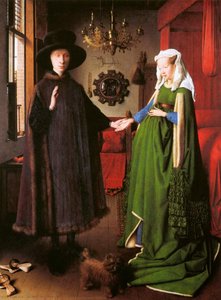
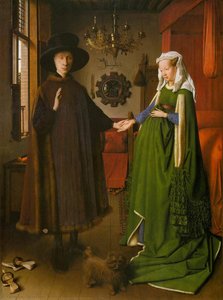
ヤンの芸術的遺産は、比較的少ないながらも深く影響力のある作品群によって確固たるものとなっている。1432年の壮大な多翼祭壇画『ゲント祭壇画』は、宗教的な象徴主義と技術的な才能が融合した最も野心的な試みである。同等に有名なのは、リアリズム、複雑なディテール、そして謎めいた象徴性で称賛される肖像画『アルノルフィーニ夫妻の肖像』(1434年)である。その他の注目すべき作品には、宗教的な場面を驚くべき明瞭さで描写する彼の技術を示す『ドレスデン祭壇画』や、個人の性格を捉える能力を示す傑作『青いターバンの男』などがある。これらの絵画は単なる視覚的表現ではなく、別の世界への窓であり、細部に至るまで徹底的にレンダリングされた世界である。ヤンの影響力は、これらの象徴的な作品を超えて広がり、初期ネーデルラント絵画の発展を形作り、何世紀にもわたって数えきれないほどの芸術家にインスピレーションを与え続けている。1441年にブルージュで亡くなった彼は、今日まで私たちに人間の経験を照らし出す芸術の力を思い出させる遺産を残した。フベルト・ファン・エイクとの関係
ヤンの兄であるフベルトについては、その生涯に関する確かな情報はほとんどない。一部の研究者は彼の存在自体を疑問視しているほどだ。しかし、1426年の課税記録は、彼がその頃に亡くなったことを示唆しており、ヤンと共に初期の作品にも関与していた可能性が高い。ゲント祭壇画におけるフベルトの役割は議論の余地があるものの、兄弟が協力してこの壮大な作品を完成させたという考えは、初期ネーデルラント絵画の理解において重要な意味を持つ。彼らの共同作業は、芸術的才能と家族関係が、当時の芸術制作に与えた影響を示唆している。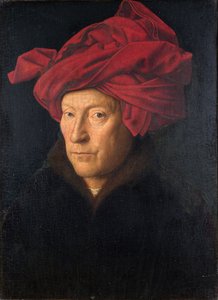
ヤン・ファン・エイク
1390 - 1441 , オランダ
基本情報
- フルネーム: ヤン・ファン・エイク
- 主な作品:
- ゲント祭壇画
- アルノルフィーニ夫妻の肖像
- ドレスデン三連祭壇画
- 青いターバンの男
- 出生地: マストリヒト、オランダ
- 国籍: フランドル人
- 影響を与えたアーティストまたは運動: ['初期ネーデル란드画家']
- 死亡年月日: 1441年
- 生年月日: 1390年頃
- 芸術運動またはスタイル: 初期ネーデル란드絵画
関連記事
Early Netherlandish Masters: 10 Paintings That Revolutionized Art & Decor
Journey into the world of Early Netherlandish painting! Explore 10 masterpieces by Jan van Eyck, Rogier van der Weyden & more. Discover stunning detail, symbolism & Renaissance art for your home decor. Find museum-quality reproductions on ArtsDot.com
Early Netherlandish Masters: 10 Paintings That Revolutionized Art & Decor
Journey into the Early Netherlandish Renaissance! Explore 10 iconic paintings by Jan van Eyck, Rogier van der Weyden & more. Discover stunning detail, symbolism, and oil painting techniques. Find museum-quality art reproductions for your home at ArtsDot.com.
Jan van Eyck: Innovation, Symbolism & the Dawn of Early Netherlandish Painting
Explore the revolutionary art of Jan van Eyck! Discover his groundbreaking oil painting techniques, hidden symbolism, and lasting impact on the Early Netherlandish Renaissance. A deep dive for art enthusiasts.
Hugo van der Goes: Devotion, Innovation & the Psychological Depth of Early Netherlandish Painting
Explore the revolutionary art of Hugo van der Goes – a master of Early Netherlandish painting renowned for his dramatic realism, psychological depth & profound influence on Renaissance artists. Discover his iconic works and lasting legacy.
Illuminating Realism: A Comprehensive Exploration of the Early Netherlandish Renaissance Movement
Explore the captivating world of Early Netherlandish painting! Discover Jan van Eyck & other Flemish masters, their revolutionary techniques, hidden symbolism, and lasting legacy. A comprehensive guide for art enthusiasts.