メニュー
プレビュープレビュー ARで試着ARで試着 手描きの絵画を購入 手描きの絵画を購入デジタル画像販売へ切り替え デジタル画像販売へ切り替え シェアするシェアする
詳細を見る詳細を見る お気に入りに追加 お気に入りに追加 ダウンロードダウンロード 似ている作品似ている作品 X線調査X線調査 スライドショースライドショー 統計情報統計情報

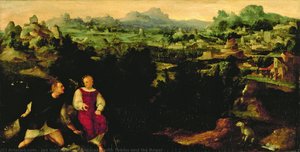
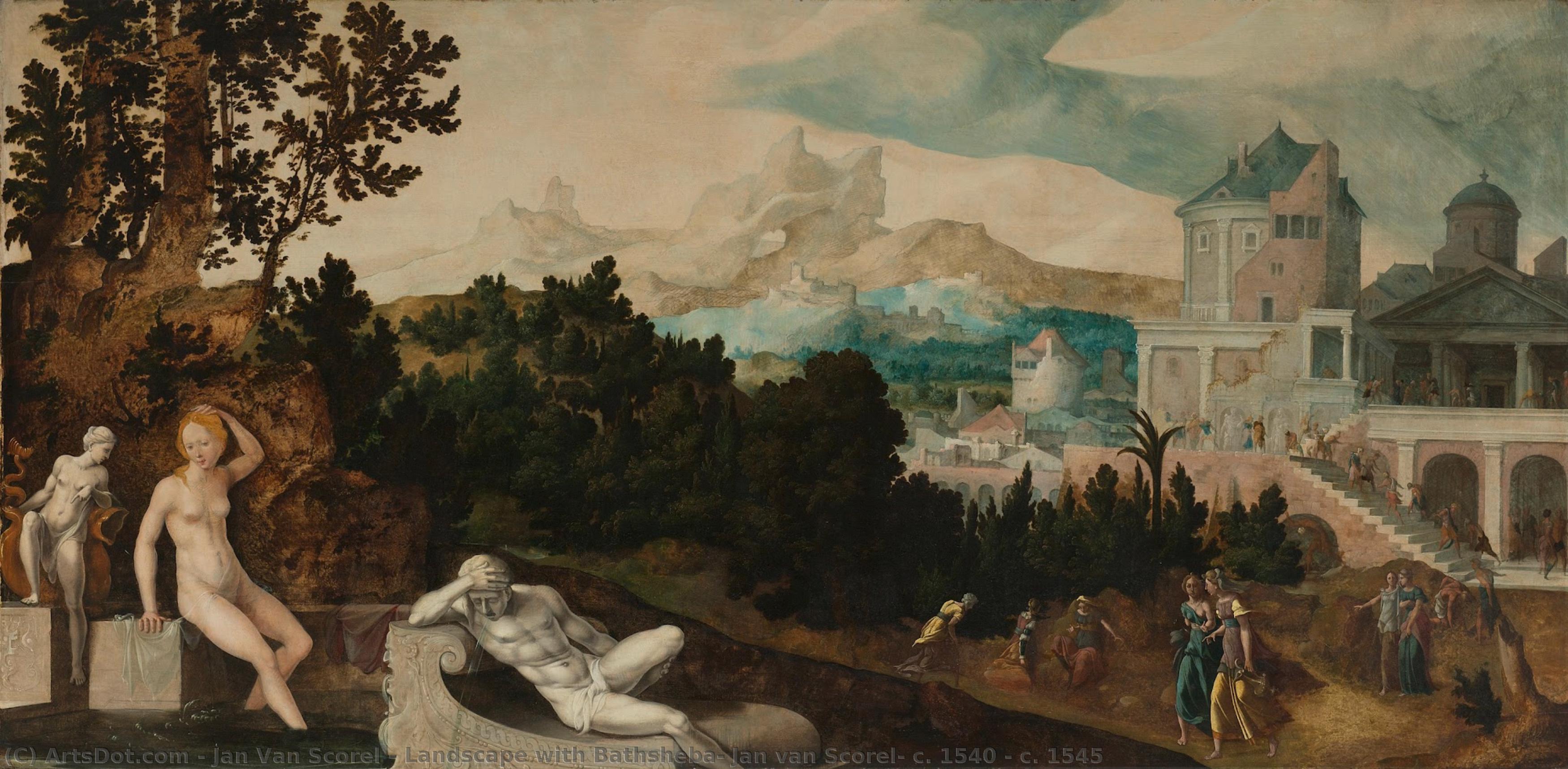
Landscape with Bathsheba, Jan van Scorel, c. 1540 - c. 1545

Explore Jan van Scorel’s ‘Landscape with Bathsheba’! A stunning 1545 oil painting blending biblical narrative & Renaissance style. Discover intricate details, symbolism & a unique composition.

ヤン・ファン・スコレルによるオランダとイタリア・ルネサンス美術の独自の融合を探索しましょう!彼のロマニスト様式、共同制作、そして「シッペンアルター」などの象徴的な作品を発見してください。 #美術史 #ルネサンス

ジークレー/アートプリント

迅速な制作と多彩な仕上げオプションを備えた、ミュージアムクオリティのジークレーまたはキャンバスプリント。 (手描きの絵画を購入 手描きの絵画を購入デジタル画像販売へ切り替え デジタル画像販売へ切り替え)

標準サイズ
オーダーメイド
CM
INCH

作品のオリジナル比率に合わせた、当店の規定サイズからお選びください。

高さ

特定のフレームやスペースに合わせて、ご自身でサイズを指定することも可能です。選択されたサイズが元の画像の比率と一致しない場合、作品をトリミングするか、鏡面反射または単色での塗りつぶしによって画像を拡張いたします。制作を開始する前に、ご確認用のデジタルモックアップをお送りいたします。
画面上のプレビューには、実際のトリミングや拡張は反映されませんのでご注意ください。最終的な構図を正確に確認できるのは、モックアップのみとなります。
カスタムサイズも承っておりますが、元の比率を維持するためには、あらかじめ用意されたリストからサイズを選択することをお勧めいたします。

世界中への配送()は、標準の4〜5週間ではなく、2週間でお届けいたします。(9 9月)

why_choose_icon
世界中へ無料エクスプレス配送
why_choose_icon
高品質なリネンキャンバス
why_choose_icon
配送時完全保険付
why_choose_icon
関税・輸入税の払い戻し保証
why_choose_icon
忠実な色彩再現保証
why_choose_icon
100日間返品保証(製造上の欠陥がある場合のみ)
why_choose_icon
100% 全額返金保証
why_choose_icon
まとめ買い割引のご案内

合計金額

$ 62

reproduction

Landscape with Bathsheba, Jan van Scorel, c. 1540 - c. 1545

ジークレー/アートプリント

複製画のサイズ

-

合計金額

$ 62

This painting by Jan van Scorel depicts Bathsheba in her bath on the left and King David in his palace on the right, two scenes from the Old Testament book of 2 Samuel (11:2 and 3-4). Looking from his rooftop, David was seduced by Bathsheba’s beauty, and later not only committed adultery with her but also arranged for her husband’s demise. The low, oblong shape of the panel is well suited to the broad landscape setting, and is a format often seen in Scorel’s works. Bathsheba occupies the space of the lower left foreground, stretching her feet into the water of a fountain adorned by statues of a water nymph and a dolphin-like creature. Nearby a male statue reminiscent of a river god serves as a water spout. A cluster of bushes and trees at the centre of the painting not only divides foreground from background, where David’s palace can be seen in the far distance, but also establishes a strong diagonal movement to the right. The meandering figures in this part of the composition accomplish the transition into depth as they gradually diminish in size and lead our eye into the background, where the tiny figure of David leans out from a loggia to hand his fateful letter to a messenger. Some of the hybrid forms of David’s palace relate to other paintings by Scorel. The tall structures sheared off on one side can be traced back to Scorel’s earliest works (1519-21), while other "classicising" buildings recall compositions from Scorel’s Haarlem years (1527-30) and architectural motifs in the Sts James and Stephen polyptych of c. 1540.9 The iconography in this painting is more complicated than usual for Scorel. The erotic overtones of the subject were common by the time the Landscape with Bathsheba was completed,10 and Scorel accomplishes this by associating the female nudes in the painting with Venus figures. One of Venus’s attributes is a dolphin (known, for instance, from the famous Medici Venus), and Bathsheba’s pose, including the motif of her hand on her hair, recalls the so-called ‘Venus Anadyomene’ type - Venus born of the foam of the sea.11 On the pedestal just below the water nymph, a decorative cartouche can be seen with a crane-like bird standing on the right side with one foot raised. Whether such an ornamental motif could have symbolic meaning is debatable, except that the nymph seems to be pointing down directly at the bird. While cranes often stand for vigilance,12 the ibis was known for its filthy habits and aversion to clean water.13 The vomiting male statue seems to participate in the latter symbolism, since his action contaminates the water of Bathsheba’s bath.14 The fountain, thus designated as polluted, warns against the temptations of the flesh. Comparison of the underdrawn layout of the Landscape with Bathsheba with the finalised image discloses a number of calculated changes. Although modelled carefully with bands of short, diagonal dashes, Bathsheba’s hand and abdomen were lowered in position, along with the ledge on which she is seated. The surface decorations on her fountain hide underdrawn construction lines, some for the wall around the pool and others for the male statue’s couch, which originally had a block-like shape (fig. a). The orthogonals in this part of the painting relate to the perspective of the steps leading from the ground to the loggia of David’s palace (fig. b). The painted stairs, following two underdrawn diagonals laid in with a straight edge, are lower and wider than those originally planned. The final perspective converges just off the right side of the panel at about the level of the middle of the arcade. Several conclusions may be drawn from the artist’s working method: first, he carefully manipulated forms so that a low vantage point is ultimately imposed on the viewer, and secondly, he intentionally laid out the perspective across space so that the compositional elements on both sides of the painting would be linked in a unified spatial construction. In the background, much of the underdrawing can be seen with the naked eye. This led earlier scholars to assume that the Landscape with Bathsheba was unfinished,15 but this is not the case. The sky and background mountains were painted with the blue pigment smalt, which has now increased in transparency and discoloured to the present brownish-grey.16 Originally, the Bathsheba would have exhibited a transition in colour from dark green to a cool blue, following the formula for landscape that Scorel developed during his Haarlem years (1527-30) and can be seen in his Baptism of Christ in Haarlem.17 The use of smalt provides information about the date of the Bathsheba, since this pigment does not appear regularly in northern Netherlandish painting until the late 1530s.18 Although the attribution to Scorel has never been doubted, earlier scholars consistently dated the Landscape with Bathsheba rather early in Scorel’s career, c. 1527 or c. 1530, based on perceived resemblances to the Lokhorst Triptych or to works from Scor../..

アーティストの略歴

初期の生涯と修行

ヤン・ファン・スコレルは、オランダを代表する画家としてその名を刻んでいます。1495年、ネーデルラントのスホールで産声を上げた彼の若き日の歩みや修行の詳細は、完全には記録されていません。しかし、歴史の断片を辿れば、彼が数々の巨匠たちの指導を受けたことが伺えます。ハールレムではピーテル・ゲリッツ、アムステルダムではヤコブ・コルネリス、あるいはユトレヒトにおいてヤン・ゴッサールトといった名匠たちの手によって、その類まれな才能が磨かれたと考えられています。

キャリアと影響

ファン・スコレルの運命を大きく変えたのは、イタリアへの旅でした。この地で彼はイタリア絵画の真髄を吸収し、後の「ロマニズム様式」を確立する先駆的な画家の一人となりました。ジョルジョネの芸術的響きに深く影響を受けた彼の筆致は、マールテン・ファン・ヘームスケルクとの共作に見られるように、時代を彩る巨匠たちと響き合っていました。また、彼がエルサレムで経験した精神的な旅路は、後年の多くの作品に投影されており、そこにはオランダの伝統とイタリアの革新が見事に融合した、彼独自の美学が息づいています。

代表作とその遺産

ファン・スコレルの芸術的足跡を象徴する作品には、以下のようなものがあります:
  • オーバーヴェラハの村で完成された「シッペン祭壇画」(1520年)
  • 肖像画、祭壇画、風景画。その多くは宗教改革期の偶像破壊運動によって失われてしまいました
  • マールテン・ファン・ヘームスケルクやミケランジェロといった巨匠たちとの交流から生まれた芸術的成果
ファン・スコレルの遺産は、ネーデルラント絵画にイタリアの息吹を吹き込み、オランダ・ルネサンスに多大な貢献を果たした点にあります。彼の作品は、ファン・ゴッホの膨大なコレクションを誇るファン・ゴッホ美術館(オランダ)をはじめ、世界各地の美術館で今なお私たちを魅了し続けています。

芸術的様式とその意義

ファン・スコレルの様式における核心:
  • イタリアとオランダ、二つの文化圏が織りなす融合の美
  • ネーデルラント絵画におけるロマニズム様式の導入
  • 当時の著名な芸術家たちとの創造的な共鳴
ファン・スコレルの作品は、ルネサンス期における文化交流と芸術的革新の生きた証です。その輝かしい遺志は、時代を超えて芸術愛好家や研究者たちの心にインスピレーションを与え続けています。

さらなる探求のために

ヤン・ファン・スコレルとその作品について詳しく知るには、以下のリソースをご参照ください:
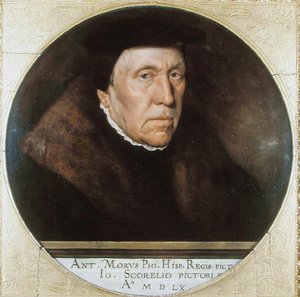
ヤン・ファン・スコレル

ヤン・ファン・スコレル

1495 - 1562 , オランダ

基本情報

  • Artistic Movement Or Style: ロマニズム、ルネサンス
  • Artists Or Movements Influenced By This Artist:
    • マールテン・ファン・ヘームスケルク
    • イタリア・ルネサンス
  • Artists Who Influenced This Artist:
    • ピーテル・ゲリッツ
    • ヤコブ・コルネリス
    • ヤン・ゴッサールト
    • ジョルジョーネ
  • Date Of Birth: 1495-08-01
  • Date Of Death: 1562-12-06
  • Full Name: ヤン・ファン・スコレル
  • Nationality: オランダ
  • Notable Artworks:
    • シッペンアルター
    • マグダラのマリア (スコレル)
  • Place Of Birth: オランダ、スホール