メニュー
無料アート相談
プレビュープレビュー ARで試着ARで試着 プリントを購入 プリントを購入画像を購入 画像を購入 シェアするシェアする
詳細を見る詳細を見る お気に入りに追加 お気に入りに追加 ダウンロードダウンロード 似ている作品似ている作品 X線調査X線調査 スライドショースライドショー

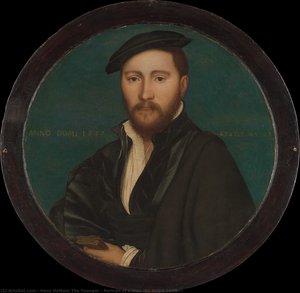
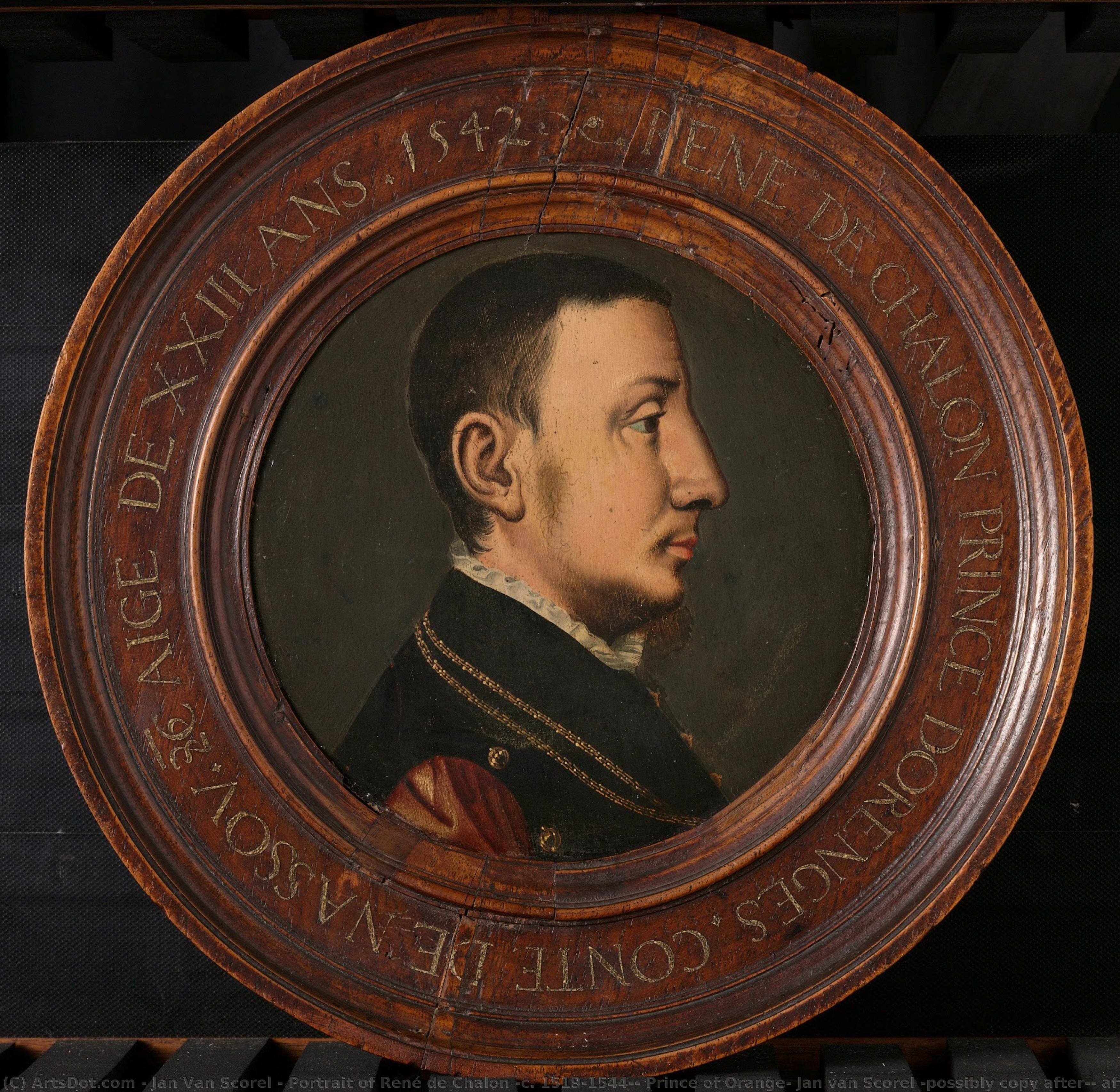
Portrait of René de Chalon (c. 1519-1544), Prince of Orange, Jan van Scorel (possibly copy after), after 1542

ヤン・ファン・スコレルによるオランダとイタリア・ルネサンス美術の独自の融合を探索しましょう!彼のロマニスト様式、共同制作、そして「シッペンアルター」などの象徴的な作品を発見してください。 #美術史 #ルネサンス

手描き油彩複製画

当社のアーティストが、お客様のご希望のサイズと額縁に合わせて、キャンバスに手描きで制作する油彩画です。 (プリントを購入 プリントを購入画像を購入 画像を購入)

標準サイズ
オーダーメイド
CM
INCH

作品のオリジナル比率に合わせた、当店の規定サイズからお選びください。

高さ

特定のフレームやスペースに合わせて、ご希望のサイズをご入力いただけます。選択されたサイズが元の画像の比率と異なる場合、アートワークをトリミングするか、手描きで要素を追加して絵画を拡張いたします。デジタルモックアップ を制作し、制作開始前にご確認(承認)をいただきます。
画面上のプレビューは、実際のトリミングや拡張を正確に反映しているものではありません。最終的な構図は、モックアップによってのみ正確にご確認いただけます。
カスタムサイズもご利用いただけますが、元の比率を維持するためには、あらかじめ用意されたリストからサイズを選択することをお勧めいたします。

カスタマイズの例:顔をお客様の写真に置き換える、ペットを追加する(例:猫を犬に変更)、背景に隠れたメッセージを入れる、背景の風景や要素を変更するなど。
ご注文後、ArtsDot.com チームより詳細な指示をお送りするとともに、仕上がりイメージ(モックアップ)をご提供いたします。

世界中への配送()は、通常の5週間ではなく、3〜4週間でお届けいたします。(31 8月)。品質には一切妥協いたしません。

why_choose_icon
世界中へ無料エクスプレス配送
why_choose_icon
高品質なリネンキャンバス
why_choose_icon
配送時完全保険付
why_choose_icon
関税・輸入税の払い戻し保証
why_choose_icon
忠実な色彩再現保証
why_choose_icon
60日間返品保証(製造上の欠陥のみ)
why_choose_icon
100% 全額返金保証
why_choose_icon
まとめ買い割引のご案内

合計金額

$ 263

reproduction

Portrait of René de Chalon (c. 1519-1544), Prince of Orange, Jan van Scorel (possibly copy after), after 1542

複製技法

複製画のサイズ

-

合計金額

$ 263

According to the inscription on its frame, this bust-length portrait shows the Prince of Orange and Count of Nassau, René de Chalon at the age of 23. He wears a white shirt, which is ruffled at the collar, underneath a black doublet with pink sleeves and gold buttons. Around his neck hangs a double gold chain. This painting forms a pair with a portrait of René’s wife Anne of Lorraine (SK-A-4027). While the inscription on an etched copy of René’s portrait (RP-P-1937-1310) locates it in the stadholder’s collection, the portrait of Anna is not securely documented until 1960, when it was bought by the Rijksmuseum and reunited with that of her husband.12 Anne is depicted in a black dress embellished with gold detailing and pearls. A gold chain strung with pearls hangs around her neck. Beneath her black gown, the collar of her chemise has a ruffled edge and is embroidered with geometric patterns in intricate blackwork. Her hair is gathered in puffs at the ears; her gold hairnet and small black bonnet with a white plume are a fashion derived from Spain and Italy.13 Based on the painting technique as well as the underdrawing, both images appear to be by the same hand and are executed on similar limewood panels.14 Anne’s panel has been trimmed around the edge and is now slightly smaller than its companion, but originally it was probably the same size. The strong profiles of the sitters and the tondo format evoke the appearance of ancient coins and portrait medallions.15 René was born in Breda on 5 February 1519 to Hendrik III of Nassau and Claudia de Châlon. From the latter he would inherit the ample princedom of Orange. He was Stadholder of Holland, Zeeland, Utrecht and Gelderland under Emperor Charles V. His wife Anne, daughter of the Duke of Lorraine, was born on 22 July 1522. The couple married on 20 August 1540 and settled in Breda shortly afterwards. On 17 July 1544, René died in the Battle of St Dizier in France. Four years later, Anne married her second husband, Philippe III de Croy, the first Duke of Aarschot. She died on 22 August 1568.16 A related pair of portraits of René and Anne survives in the Stedelijk Museum in Diest.17 In these images, the costumes and physiognomies of the couple are portrayed in a manner nearly identical to those in the Amsterdam tondo portraits. The images in Diest and Amsterdam would thus seem to follow a common model. They can be dated to the second half of the 16th century on the evidence of the painting technique. The earliest documented reference to a portrait of René (‘’t conterfeytsel van René Desschalon’) appears in a 1590 inventory of Breda Palace.18 Subsequent 17th-century inventories refer to pairs of portraits of both René and Anne.19 The 1632 inventory of the palace at Noordeinde refers to ‘twee schilderien van Rhené de Chalon ende sijn gemael, staende in perfijl’ (two paintings of René de Châlon and his wife, standing in profile), and the inventory of the castle in Buren from 1675 lists portraits of ‘Renée de Chalon met Sijne princesse, beyde in profijl’ (René de Châlon and his princess, both in profile). Some works of art were transferred from Breda to Buren in the early 17th century, so Van Luttervelt has suggested that these two references might be to the same image of René, but this does not account for the fact that the 1590 inventory refers only to a portrait of René and not to an accompanying one of Anne. An original pair of portraits of the couple may have been divided after René’s death and Anne’s remarriage. Such a scenario would explain why René’s portrait is listed alone in the Breda inventory, and why it appears without the accompanying portrait of Anne in the collection of the stadholders. Unfortunately, it is impossible to sort out which of these inventory records might refer to the Amsterdam portraits, or which refer instead to their counterparts in Diest or a lost original pair. Van Luttervelt has argued that the original images of the couple were painted by Jan van Scorel or one of his assistants in Breda during the first half of 1542, the year inscribed on the original frame of René’s tondo portrait in Amsterdam.20 Scorel and René are both documented in Breda during this period.21 Moreover, Van Mander records that the artist produced ‘several works’ for René and his father, which most probably included the surviving triptych of The Finding of the True Cross in Breda’s Onze-Lieve-Vrouwekerk.22 As such, a link between Scorel and the original portraits of René and Anne seems plausible, but the attribution remains speculative at this time. (M. Bass)

アーティストの略歴

初期の生涯と修行

ヤン・ファン・スコレルは、オランダを代表する画家としてその名を刻んでいます。1495年、ネーデルラントのスホールで産声を上げた彼の若き日の歩みや修行の詳細は、完全には記録されていません。しかし、歴史の断片を辿れば、彼が数々の巨匠たちの指導を受けたことが伺えます。ハールレムではピーテル・ゲリッツ、アムステルダムではヤコブ・コルネリス、あるいはユトレヒトにおいてヤン・ゴッサールトといった名匠たちの手によって、その類まれな才能が磨かれたと考えられています。

キャリアと影響

ファン・スコレルの運命を大きく変えたのは、イタリアへの旅でした。この地で彼はイタリア絵画の真髄を吸収し、後の「ロマニズム様式」を確立する先駆的な画家の一人となりました。ジョルジョネの芸術的響きに深く影響を受けた彼の筆致は、マールテン・ファン・ヘームスケルクとの共作に見られるように、時代を彩る巨匠たちと響き合っていました。また、彼がエルサレムで経験した精神的な旅路は、後年の多くの作品に投影されており、そこにはオランダの伝統とイタリアの革新が見事に融合した、彼独自の美学が息づいています。

代表作とその遺産

ファン・スコレルの芸術的足跡を象徴する作品には、以下のようなものがあります:
  • オーバーヴェラハの村で完成された「シッペン祭壇画」(1520年)
  • 肖像画、祭壇画、風景画。その多くは宗教改革期の偶像破壊運動によって失われてしまいました
  • マールテン・ファン・ヘームスケルクやミケランジェロといった巨匠たちとの交流から生まれた芸術的成果
ファン・スコレルの遺産は、ネーデルラント絵画にイタリアの息吹を吹き込み、オランダ・ルネサンスに多大な貢献を果たした点にあります。彼の作品は、ファン・ゴッホの膨大なコレクションを誇るファン・ゴッホ美術館(オランダ)をはじめ、世界各地の美術館で今なお私たちを魅了し続けています。

芸術的様式とその意義

ファン・スコレルの様式における核心:
  • イタリアとオランダ、二つの文化圏が織りなす融合の美
  • ネーデルラント絵画におけるロマニズム様式の導入
  • 当時の著名な芸術家たちとの創造的な共鳴
ファン・スコレルの作品は、ルネサンス期における文化交流と芸術的革新の生きた証です。その輝かしい遺志は、時代を超えて芸術愛好家や研究者たちの心にインスピレーションを与え続けています。

さらなる探求のために

ヤン・ファン・スコレルとその作品について詳しく知るには、以下のリソースをご参照ください:
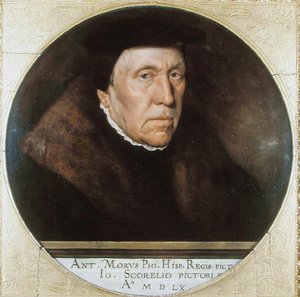
ヤン・ファン・スコレル

ヤン・ファン・スコレル

1495 - 1562 , オランダ

基本情報

  • Artistic Movement Or Style: ロマニズム、ルネサンス
  • Artists Or Movements Influenced By This Artist:
    • マールテン・ファン・ヘームスケルク
    • イタリア・ルネサンス
  • Artists Who Influenced This Artist:
    • ピーテル・ゲリッツ
    • ヤコブ・コルネリス
    • ヤン・ゴッサールト
    • ジョルジョーネ
  • Date Of Birth: 1495-08-01
  • Date Of Death: 1562-12-06
  • Full Name: ヤン・ファン・スコレル
  • Nationality: オランダ
  • Notable Artworks:
    • シッペンアルター
    • マグダラのマリア (スコレル)
  • Place Of Birth: オランダ、スホール