

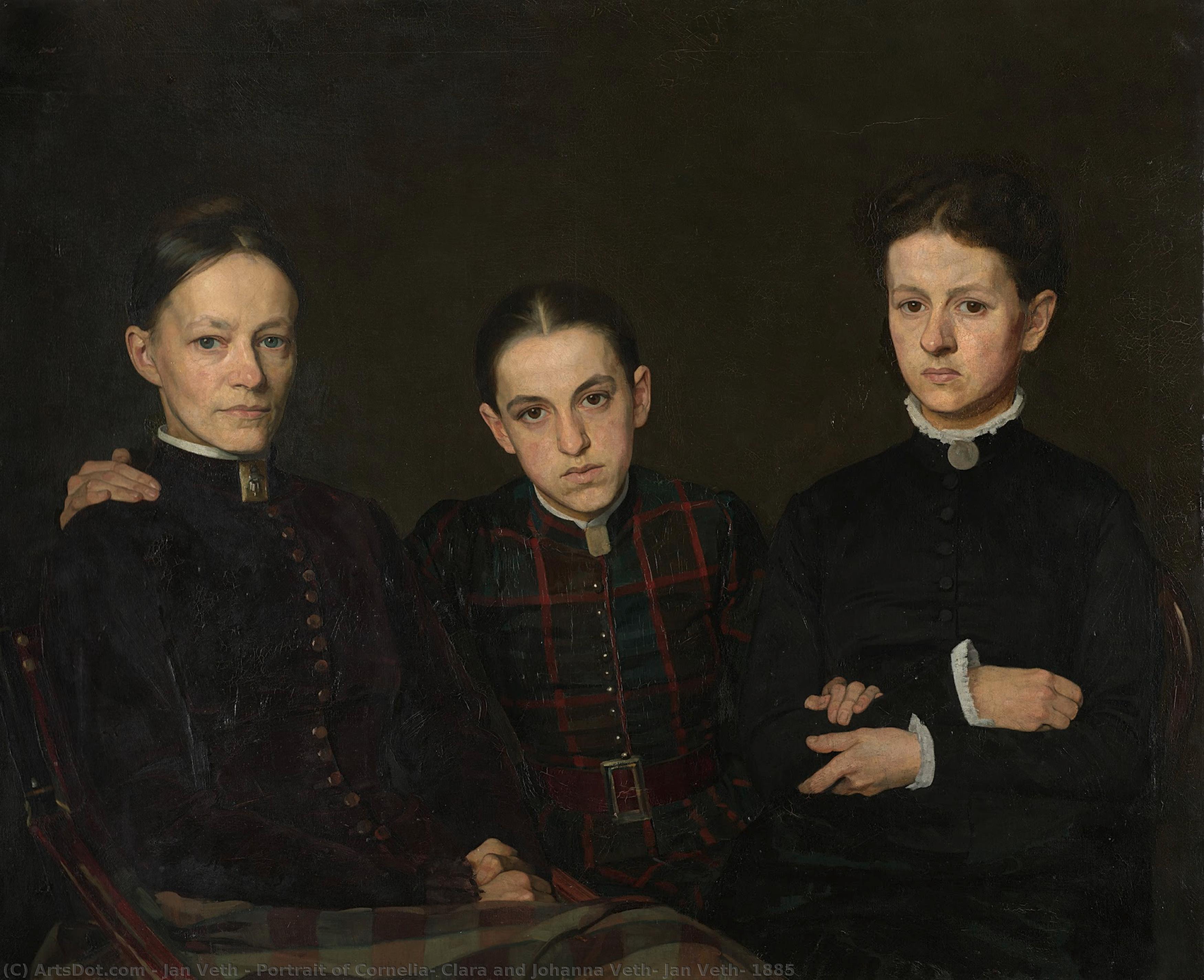
 プレビュー
プレビュー
 プリントを購入
 シェアする
シェアする シェアする
シェアする
 詳細を見る
詳細を見る

 ダウンロード
 似ている作品
 X線調査
X線調査 スライドショー
Portrait of Cornelia, Clara and Johanna Veth, Jan Veth, 1885
 1885
1885 90.0 x 110.0 cm
 詳細を見る
詳細を見る
オンラインプレビューをはるかに凌ぐ、高解像度で鮮明なデジタル画像をご購入いただけます。
各ファイルは、社内の専門家が高度なツールと熟練した手作業によるレタッチを用いて、細心の注意を払って準備されています。すべての画像において、卓越した鮮明度、正確な色彩再現性、そして繊細なディテールを保証いたします。
最終ファイルは、プロフェッショナルな編集・印刷環境ですぐにご利用いただけるよう最適化された状態で、72時間以内にメールにてお届けいたします。これは、一流のデザインスタジオ、出版社、ギャラリーから信頼されているものと同等の品質です。
デジタル画像のご注文に付随する特典
高品質なデジタル画像配信を、確かな品質で。
ArtsDot.com を選ぶことは、単に画像を手に入れることではありません。それは、プロの手によって精密に仕上げられ、満足保証が付いた高品質なデジタルアートワークを受け取ることを意味します。ご注文いただいた際に自動的に付随する内容は、以下の通りです:

メールですぐにお届け
ご注文から72時間以内に、高解像度のデジタル画像ファイルがメールでお手元に届きます。すぐにそのままご利用いただけます。

AI技術で最適化されたデジタルファイル
お客様の作品は、高度なAIツールと専門家による手作業の編集を組み合わせてプロフェッショナルに最適化されており、細部のディテール、鮮明さ、そして正確な色再現性を最大限に引き出しています。

一生涯無料の再送サービス
ファイルを誤って削除したり、紛失してしまったりしましたか?ご安心ください。いつでも無料で再送いたします。

輸入手数料は一切かかりません
関税や手数料、配送料を気にすることなく、お気に入りのアートワークをすぐにお楽しみいただけます。デジタルダウンロードは常に免税です。

色彩再現の保証
プロ仕様のツールとカラーマネジメント技術を用いることで、デジタル画像が元の色を最大限に忠実に再現することを保証いたします。

60日間満足保証
ご購入いただいたデジタル画像にご満足いただけない場合は、60日以内であれば、修正または100%の返金(理由を問う必要はありません)をさせていただきます。

100% 返金保証
ご満足いただけない場合は、デジタルファイルを受け取ってから60日以内であれば、理由を問わず全額返金いたします。

まとめ買い割引
3枚購入で10%OFF - 5枚購入で15%OFF - 10枚以上購入で20%OFF。クリエイティブなプロジェクト、ギャラリー、エージェンシーに最適です。
関連作品




作家の略歴
The Polymath of Dordrecht: The Life and Legacy of Jan Veth
Jan Pieter Veth was far more than a mere practitioner of the brush; he was a true Renaissance man of the Dutch fin de siècle, a figure whose intellect spanned the boundaries of painting, poetry, and academic critique. Born in 1864 in the historic city of Dordrecht, Veth entered the world as the scion of a prosperous merchant family. His father, Gerradus Huibert Veth, was a prominent iron magnate and a man of liberal political conviction, providing Jan with an upbringing rooted in both material stability and intellectual curiosity. This heritage of refinement and rigor would later manifest in his art, which sought to capture not just the physical likeness of his subjects, but the very essence of their character and social standing. The artist’s lineage was also deeply entwined with the Dutch artistic tradition. Through his mother, Anna Cornelia Giltay, Veth was a descendant of the celebrated Dordrecht painter Jacob van Strij. This ancestral connection to the masters of the past likely served as a silent mentor throughout his formative years, instilling in him a profound respect for the weight of history and the nuances of light and shadow. His formal education at the Rijksakademie van Beeldende Kunsten in Amsterdam further refined this innate talent, placing him at the heart of a burgeoning movement where tradition met the radical energy of modernity.A Convergence of Styles: From St. Luke to Impressionism
Veth’s artistic development was marked by a restless pursuit of innovation and a refusal to be confined by the rigid academicism of his era. Alongside a cohort of like-minded students, he became a founding member of the St. Luke Group, a collective that sought to challenge prevailing conventions through a commitment to naturalism and fresh perspectives. This period of his life was defined by a collaborative spirit, as he worked with peers to explore how painting could reflect the changing social and psychological landscapes of the late nineteenth century. A pivotal chapter in his stylistic evolution occurred during his time in Laren, where he worked closely with the renowned painter Anton Mauve. Under Mauve’s guidance, Veth began to absorb the principles of Impressionism, learning to manipulate color and light to capture the ephemeral qualities of atmosphere and emotion. This influence breathed a new vitality into his work, allowing him to move beyond mere documentation toward a more evocative, sensory experience. His ability to blend the structural integrity of classical portraiture with the luminous, fleeting textures of the Impressionist spirit became his hallmark, creating portraits that felt both timeless and immediate.The Portraitist as Chronicler of an Era
While his poetic endeavors and literary critiques earned him significant respect within the De Nieuwe Gids movement, it was in the realm of portraiture that Veth achieved his most enduring fame. He possessed a rare ability to navigate the complexities of his sitters' identities, rendering them with a psychological depth that resonated with the intellectual elite of his time. His gallery of subjects reads like a directory of European cultural significance, including:- Max Liebermann, the titan of German Impressionism.
- The esteemed painter Frank van der Goes.
- Prominent figures such as Antoon Derkinderen and Lambertus Zijl.
- Members of the Dutch royalty, including the poignant portrait of Queen Emma.
A Lasting Impression on Dutch Culture
The significance of Jan Veth extends far beyond the canvas. As a poet and university lecturer, he contributed to the intellectual fabric of the Netherlands, bridging the gap between the visual arts and the literary world. His work as an art critic provided a vital voice in the discourse of his time, helping to shape the aesthetic values of a generation. Even in his graphic design, such as the covers he created for contemporary literature, one can see the same meticulous attention to composition and symbolic resonance that defined his paintings. Though he passed away in Amsterdam in 1925, Veth’s contribution to the Dutch canon remains indelible. He stands as a testament to the power of a multidisciplinary life—a man who could find poetry in a landscape, truth in a portrait, and profound meaning in the delicate interplay of light upon a human countenance. His legacy continues to inspire those who seek to harmonize the analytical mind with the creative soul.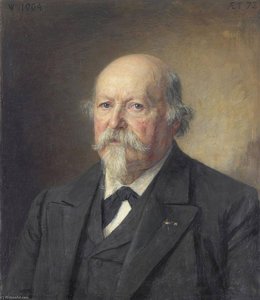
jan veth
1864 - 1925
プロフィール概要
- Artistic Movement Or Style: Flemish Primitive influen
- Artists Or Movements Influenced By This Artist: ['St Luke Group']
- Artists Who Influenced This Artist:
- Jacob van strij
- Anton Mauve
- Date Of Birth: 1864
- Date Of Death: 1925
- Full Name: Jan Pieter Veth
- Nationality: Dutch
- Notable Artworks: ["The Painter's Studio"]
- Place Of Birth: Dordrecht, Netherlands

