

 プレビュー
プレビュー
 プリントを購入
 シェアする
シェアする シェアする
シェアする
 詳細を見る
詳細を見る

 ダウンロード
 似ている作品
 X線調査
X線調査 スライドショー
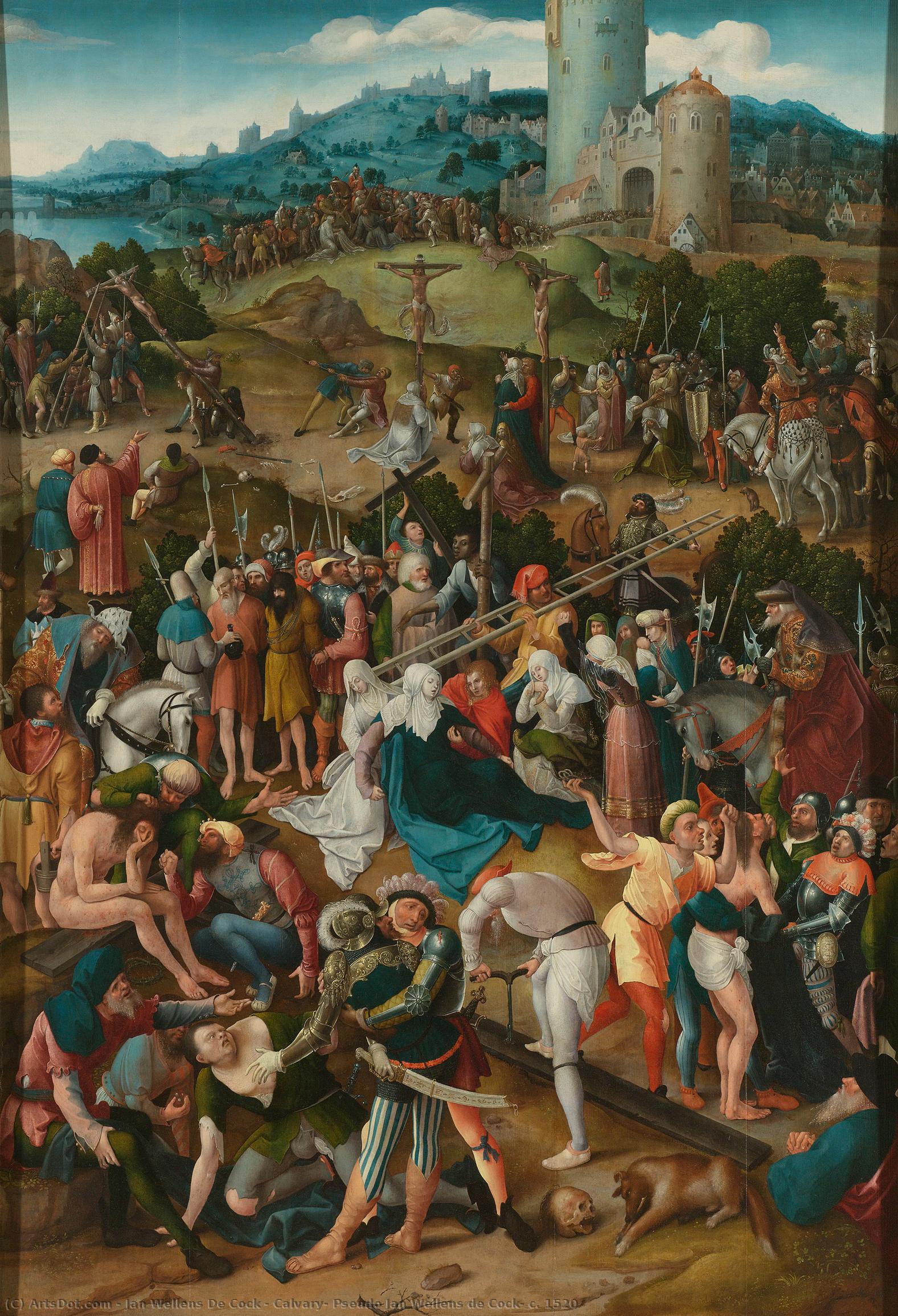
Calvary, Pseudo Jan Wellens de Cock, c. 1520
 1520
1520 173.0 x 119.0 cm
 詳細を見る
詳細を見る




































作品のオリジナル比率に合わせた、当店の規定サイズからお選びください。

特定のフレームやスペースに合わせて、ご希望のサイズをご入力いただけます。選択されたサイズが元の画像の比率と異なる場合、アートワークをトリミングするか、手描きで要素を追加して絵画を拡張いたします。デジタルモックアップ を制作し、制作開始前にご確認(承認)をいただきます。
画面上のプレビューは、実際のトリミングや拡張を正確に反映しているものではありません。最終的な構図は、モックアップによってのみ正確にご確認いただけます。
カスタムサイズもご利用いただけますが、元の比率を維持するためには、あらかじめ用意されたリストからサイズを選択することをお勧めいたします。
ご注文後、ArtsDot.com チームより詳細な指示をお送りするとともに、仕上がりイメージ(モックアップ)をご提供いたします。


 ガラスオプションは、110cm未満のサイズでのみご利用いただけます。

Calvary, Pseudo Jan Wellens de Cock, c. 1520
複製技法
複製画のサイズ
-


合計金額
$ 263
関連作品








アーティストの略歴
Alessandro di Mariano Filipepi: The Enchanting Botticelli
Sandro Botticelli, born Alessandro di Mariano di Vanni Filipepi around 1445 in Florence, Italy, was a painter whose work profoundly shaped the trajectory of the Italian Renaissance. His life, though tragically short, spanning from approximately 1445 to 1510, witnessed a remarkable evolution in artistic style and a rediscovery of his legacy centuries later. Initially apprenticed to various masters – first Maso Finiguerra, then Fra Filippo Lippi – Botticelli’s early career was marked by the creation of frescoes for Florentine churches and cathedrals, establishing him as a skilled craftsman within the established artistic traditions of the city. His youth was characterized by a restless spirit, a penchant for wit, and a reputation for youthful mischief, traits that perhaps contributed to his early withdrawal from formal schooling – a deviation from the norm at the time.Early Influences and Florentine Apprenticeship
Botticelli’s artistic development was deeply rooted in the late Gothic style prevalent in Florence during his formative years. The influence of Fra Filippo Lippi, particularly his mastery of tempera painting and meticulous attention to detail, is readily apparent in Botticelli's early works. However, he quickly transcended mere imitation, demonstrating a burgeoning sense of composition and an emerging interest in classical motifs – a trend that would become increasingly prominent throughout his career. His apprenticeship with Antonio del Pollaiuolo exposed him to the techniques of oil painting, further expanding his artistic toolkit and allowing for richer color palettes and greater textural possibilities. Crucially, Botticelli’s connections through Lippi afforded him patronage from influential families like the Medici, securing commissions that propelled his career forward.The Zenith of Mythological Vision
The period between 1478 and 1490 represents the apex of Botticelli's artistic achievement. During this time, he produced some of his most celebrated works – paintings steeped in classical mythology and imbued with a unique blend of elegance, grace, and psychological depth. Perhaps his most iconic creations are *The Birth of Venus* and *Primavera*, both housed within the Uffizi Gallery in Florence. *The Birth of Venus* depicts the goddess emerging from a giant scallop shell, while *Primavera* portrays a vibrant allegorical scene celebrating spring, populated by mythological figures such as Venus, Flora, Zephyrus, and Mercury. These works are not merely decorative; they are complex narratives filled with symbolic meaning, reflecting Botticelli’s engagement with humanist philosophy and his fascination with the beauty of the human form. The use of flowing lines, delicate drapery, and a restrained palette contributes to an atmosphere of ethereal serenity, characteristic of his style.Religious Works and the Development of Style
While renowned for his mythological paintings, Botticelli’s output encompassed a wide range of religious subjects throughout his career. He produced numerous depictions of the *Madonna and Child*, often rendered in the elegant round format known as *tondi*. These works demonstrate his technical skill and his ability to convey profound emotion through subtle gestures and expressions. As the 1490s progressed, Botticelli’s style underwent a noticeable shift. His paintings became more personal, imbued with a melancholic quality and a departure from the idealized beauty of his earlier work. This evolution is evident in *The Mystic Nativity*, one of the few works definitively dated to 1501, which showcases a darker palette and a more introspective mood. Some art historians suggest this stylistic change reflects the growing influence of Leonardo da Vinci, whose innovative techniques were beginning to challenge the established conventions of Renaissance painting.Rediscovery and Lasting Legacy
Botticelli’s work largely faded from public consciousness after his death in 1510. For centuries, his paintings were dismissed as mannered or overly sentimental. However, during the late 19th century, a renewed interest in Italian Renaissance art led to a reassessment of Botticelli's oeuvre. The Pre-Raphaelites championed his work, recognizing its lyrical beauty and its evocative power. This rediscovery sparked a profound appreciation for Botticelli’s unique artistic vision, solidifying his place as one of the most important figures of the Early Renaissance. Today, Botticelli’s paintings are celebrated for their exquisite detail, their graceful forms, and their enduring capacity to transport viewers to a world of myth, beauty, and human emotion. His influence continues to resonate in art history, inspiring generations of artists with his innovative approach to composition, color, and symbolism.
jan wellens de cock
1510 - 1570 , Netherlands
基本情報
- Artistic Movement Or Style: Early Renaissance
- Artists Or Movements Influenced By This Artist: ['Pre-Raphaelites']
- Artists Who Influenced This Artist: ['Fra Filippo Lippi']
- Date Of Birth: c. 1445
- Date Of Death: 1510
- Full Name: Alessandro di Mariano di Vanni Filipepi
- Nationality: Italian
- Notable Artworks:
- Primavera
- The Birth of Venus
- Adoration of the Magi
- Place Of Birth: Florence, Italy

